What Is a Grounded Electrical Outlet and Why Does It Matter?
If you have ever noticed that some outlets in your home have two slots and others have three, you have already spotted the difference between an ungrounded and a grounded outlet. That third hole at the bottom is not decorative. It is a grounding port, and it plays a significant role in how safely electricity moves through your home. A grounded outlet is connected to a grounding wire that runs back to your electrical panel and, ultimately, into the earth. In the event of a fault or power surge, that pathway gives excess electricity somewhere safe to go — away from your devices and, more importantly, away from you.
How Grounded Outlets Actually Work
Electricity is always looking for the path of least resistance. Under normal conditions, it flows through a hot wire to power whatever is plugged in, then returns through a neutral wire. That is a tidy, controlled loop. But when something goes wrong — a wiring fault, a short circuit, a sudden surge — electricity can stray from that loop. Without a ground wire, that stray current has nowhere predictable to go. With a grounded outlet, the third wire intercepts that rogue current and channels it safely back to the earth through your panel. The result is a system that does not just deliver power but manages it responsibly. The outlet itself is wired to three conductors: hot, neutral, and ground. Each one has a specific job, and together they keep your electrical system stable under both normal and fault conditions.
The Difference Between Two-Prong and Three-Prong Outlets
Homes built before the 1960s were commonly wired with two-prong outlets because household electrical loads were much smaller and most appliances were simpler. As demand grew and electronics became more sophisticated, the National Electrical Code began requiring grounded, three-prong outlets in new construction. Today, two-prong outlets are considered outdated and are increasingly incompatible with modern equipment. Many appliances, computers, and kitchen devices require a three-prong connection to function safely and correctly. Plugging a three-prong cord into a two-prong outlet using an adapter does not create a grounded connection — it just makes the plug fit. That distinction is critical and often misunderstood.

Key Advantages of Installing Grounded Outlets
Upgrading to grounded outlets is one of those home improvements that earns its value quietly. You may not notice it working day to day, but the protection it provides is real and consistent. Here are some of the most meaningful benefits homeowners see after making the switch.
- Improved protection against electrical shock during fault conditions
- Reduced risk of electrical fires caused by stray or uncontrolled current
- Compatibility with all modern appliances, electronics, and smart home devices
- Protection for sensitive equipment like computers, televisions, and home theater systems
- Increased home value and compliance with current electrical code standards
- Peace of mind for households with children, elderly family members, or high device usage
Common Drawbacks and Limitations to Know
Grounding an outlet is not always a simple swap. In older homes, the existing wiring may not include a ground wire at all, which means the fix involves more than just replacing the outlet cover. Running new wiring through finished walls can be invasive and costly. Some electricians use GFCI outlets as a code-compliant alternative in ungrounded circuits, which offers a different type of protection but is not a true ground. It is worth knowing that a GFCI outlet can protect against ground faults but does not protect equipment from surges the same way a fully grounded system does. Additionally, if your home has an older electrical panel that is not properly bonded or grounded itself, outlet-level upgrades alone will not solve the root issue. That is a broader conversation worth having with a licensed electrician.
When Should You Consider Upgrading Your Outlets?
If your home was built before 1965 and has never had its electrical system updated, the odds are good that at least some outlets are ungrounded. Beyond age, there are specific situations that signal it is time to take a closer look. Frequently tripping breakers, outlets that feel warm to the touch, visible scorch marks around outlet covers, and flickering lights are all signs that the electrical system may need attention. Homeowners planning renovations, adding a home office, installing an EV charger, or setting up a home theater system should also consider grounding as part of that project. Working with high-draw or sensitive electronics on an ungrounded circuit is not a risk worth taking.
What the Installation Process Looks Like
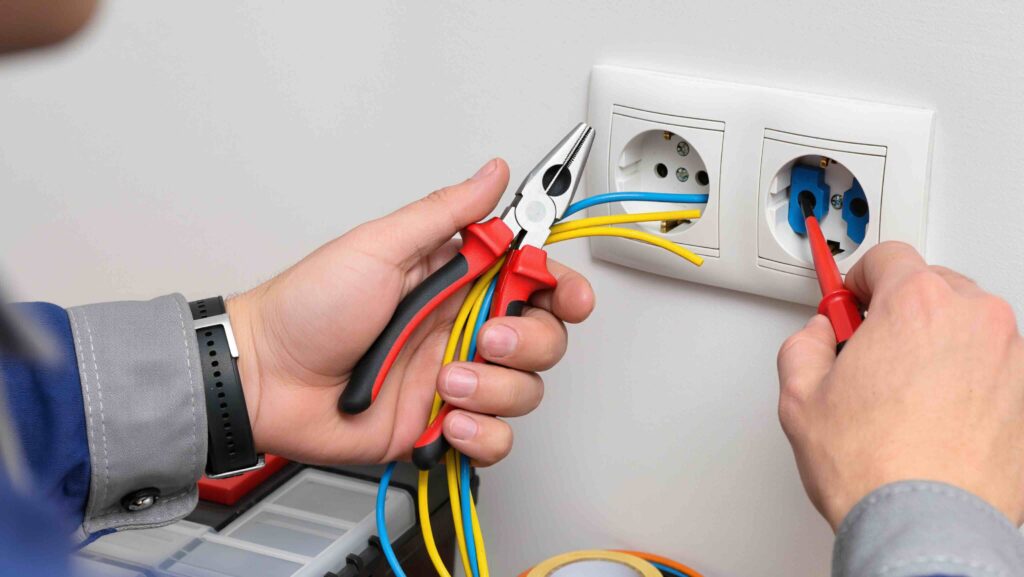
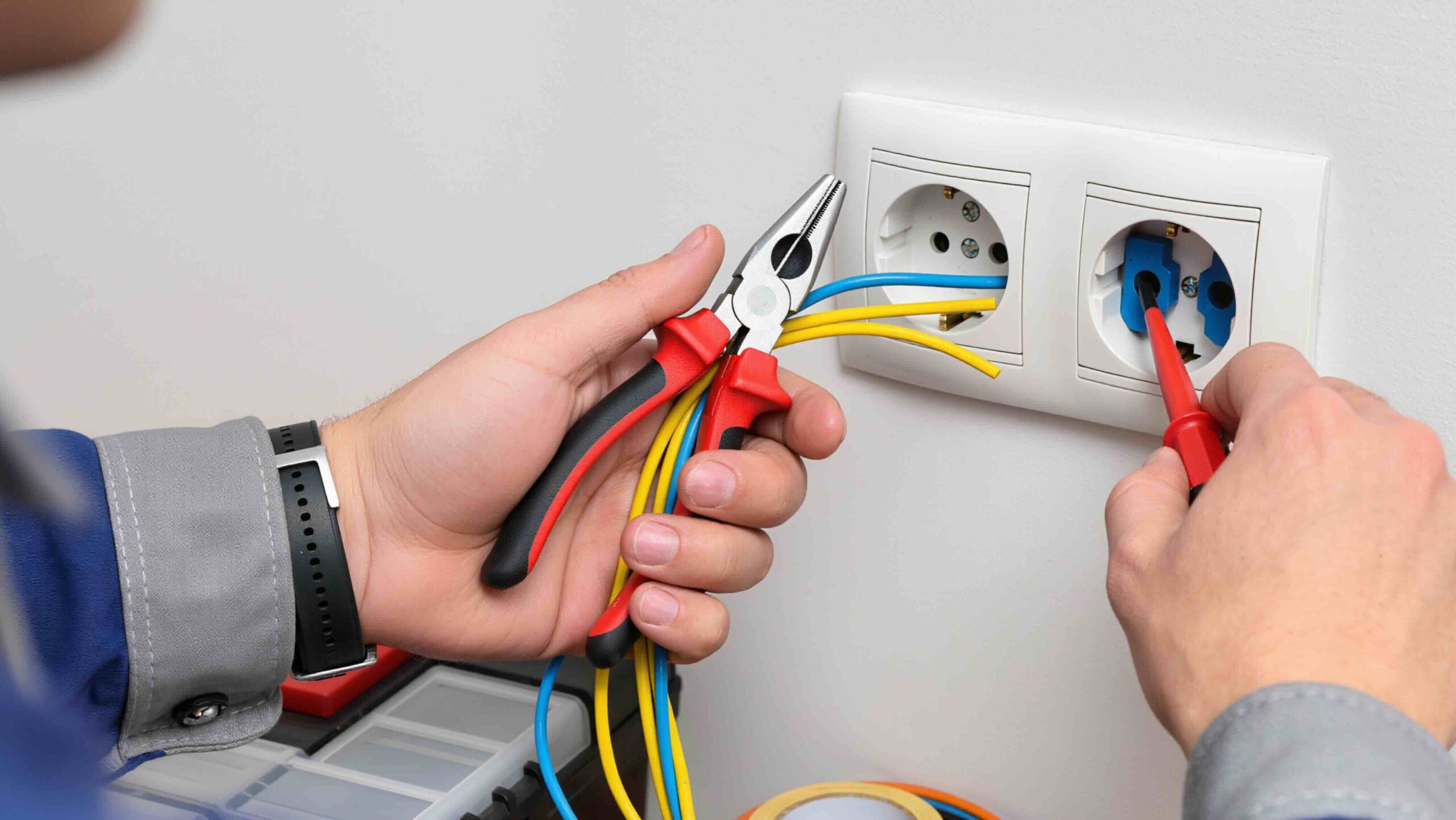
A licensed electrician will first test your existing outlets to confirm whether they are grounded. This is done with a simple outlet tester that plugs in and lights up to indicate the wiring status. If your circuit already has a ground wire run to the box, swapping the outlet is a relatively straightforward job. If there is no ground wire present, the electrician will assess whether one can be fished through the existing wall or whether a GFCI outlet is the appropriate code-compliant solution for that location. In some cases, rewiring a portion of the home is the right call. The scope depends heavily on the age of the home, the condition of the wiring, and the local electrical code requirements that apply to your municipality.
Practical Tips for Homeowners Before and After Installation
- Always hire a licensed electrician for outlet grounding work — this is not a DIY project for most homeowners
- Ask your electrician to test all outlets in the home, not just the ones you suspect are ungrounded
- Consider having a whole-home surge protector installed at the panel to complement your grounded outlets
- Keep records of any electrical work completed, including permits and inspection signoffs
- After installation, use a plug-in outlet tester to confirm proper grounding before connecting expensive electronics
How Home Warranties Intersect With Your Electrical System
Here is the part that surprises some homeowners: a home warranty can play a meaningful role in managing the cost of unexpected electrical repairs. While grounding upgrades are generally considered improvements and may not fall under standard coverage, the broader electrical system — wiring, panels, outlets, and related components — is often covered when something fails due to normal wear and use. If an outlet stops working or wiring deteriorates over time, a home warranty can offset the cost of diagnosis and repair. Given how expensive electrical work can be, that kind of financial buffer matters. It also encourages homeowners to call in a professional quickly rather than delaying repairs and allowing a small issue to become a larger safety hazard.

Why Armadillo Is the Right Partner for Protecting Your Home’s Electrical System
Electrical systems are one of the most essential and most unpredictable parts of any home. When something goes wrong — a failing outlet, a wiring fault, a component that quietly wears out — the repair costs can arrive without much warning. That is exactly the kind of financial disruption a strong home warranty is designed to absorb. Armadillo offers coverage that is straightforward, honest, and built around the way homeowners actually live. If you are thinking seriously about the health of your home’s electrical system, Armadillo home warranty plans for electrical system protection are worth a close look. The coverage is clear, the process is simple, and there are no confusing exclusions designed to catch you off guard. When you are ready to take the next step, you can get a free home warranty quote for electrical and outlet coverage in just a few minutes. Protecting your home does not have to be complicated — and with Armadillo, it is not.
Frequently Asked Questions About Grounded Electrical Outlets
Below are answers to the questions homeowners ask most often about grounded outlets, installation, and electrical safety.
What is the purpose of a grounded electrical outlet?
A grounded outlet provides a safe pathway for stray electrical current to travel back to the earth in the event of a fault or surge, protecting both people and devices from harm.
How do I know if my outlets are grounded?
The quickest way is to use an inexpensive plug-in outlet tester, available at most hardware stores. It will indicate within seconds whether the outlet is properly grounded, ungrounded, or miswired.
Can I replace a two-prong outlet with a three-prong outlet myself?
This work should be completed by a licensed electrician. Simply installing a three-prong outlet in a circuit that lacks a ground wire does not create a grounded connection and may not meet local code requirements.
Is a GFCI outlet the same as a grounded outlet?
No. A GFCI outlet protects against ground faults by detecting current imbalance and cutting power quickly, but it does not provide the same equipment protection as a fully grounded circuit with a physical ground wire.
Are ungrounded outlets dangerous?
They carry a higher risk than grounded outlets, particularly for sensitive electronics and in situations involving faulty appliances or power surges. They do not meet current safety codes for new or updated construction.
How much does it cost to ground an outlet?
The cost varies depending on the existing wiring, the number of outlets, and local labor rates. Simple outlet replacements in already-grounded circuits are relatively affordable, while rewiring older homes can be a more significant investment.
Does a home warranty cover electrical outlet repairs?
Many home warranty plans include coverage for electrical components like outlets, wiring, and panels when they fail due to normal wear and use. The specifics depend on your plan, so reviewing your coverage terms is always recommended.
Do all three-prong outlets have to be grounded?
Not necessarily. A three-prong outlet can be installed in an ungrounded circuit, but doing so without a GFCI as a substitute measure does not meet electrical code and creates a false sense of safety.
What is the difference between bonding and grounding in an electrical system?
Grounding connects the electrical system to the earth for fault protection. Bonding connects conductive components together to ensure they share the same electrical potential, which prevents dangerous voltage differences between surfaces in your home.
Should I upgrade my outlets before selling my home?
Bringing outlets up to current grounding standards can improve the marketability of your home, satisfy home inspection findings, and signal to buyers that the electrical system has been properly maintained. It is a practical upgrade with both safety and resale benefits.