What Is an Outside Electrical Outlet and Why Does Your Home Need One?
If you have ever tried to power a string of patio lights, charge tools in the driveway, or run a pressure washer along the side of your house, you already understand the frustration of not having an outdoor outlet nearby. An exterior electrical outlet — sometimes called an outdoor receptacle — is a weatherproof electrical socket installed on the outside of your home. It functions exactly like an indoor outlet but is built to withstand rain, temperature swings, dust, and general outdoor conditions. Most modern homes come with at least one or two exterior outlets, but older homes are frequently under-equipped. The good news is that adding one is a well-understood process, and understanding what is involved helps you make smarter decisions about when to DIY and when to call a licensed electrician.
How an Outdoor Outlet Actually Works
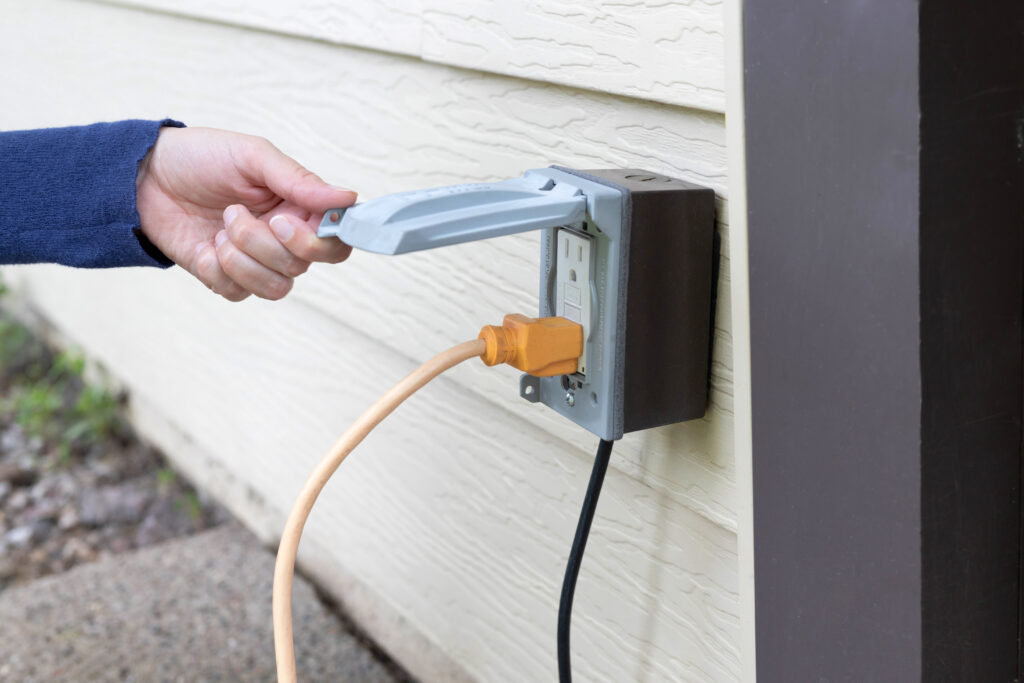
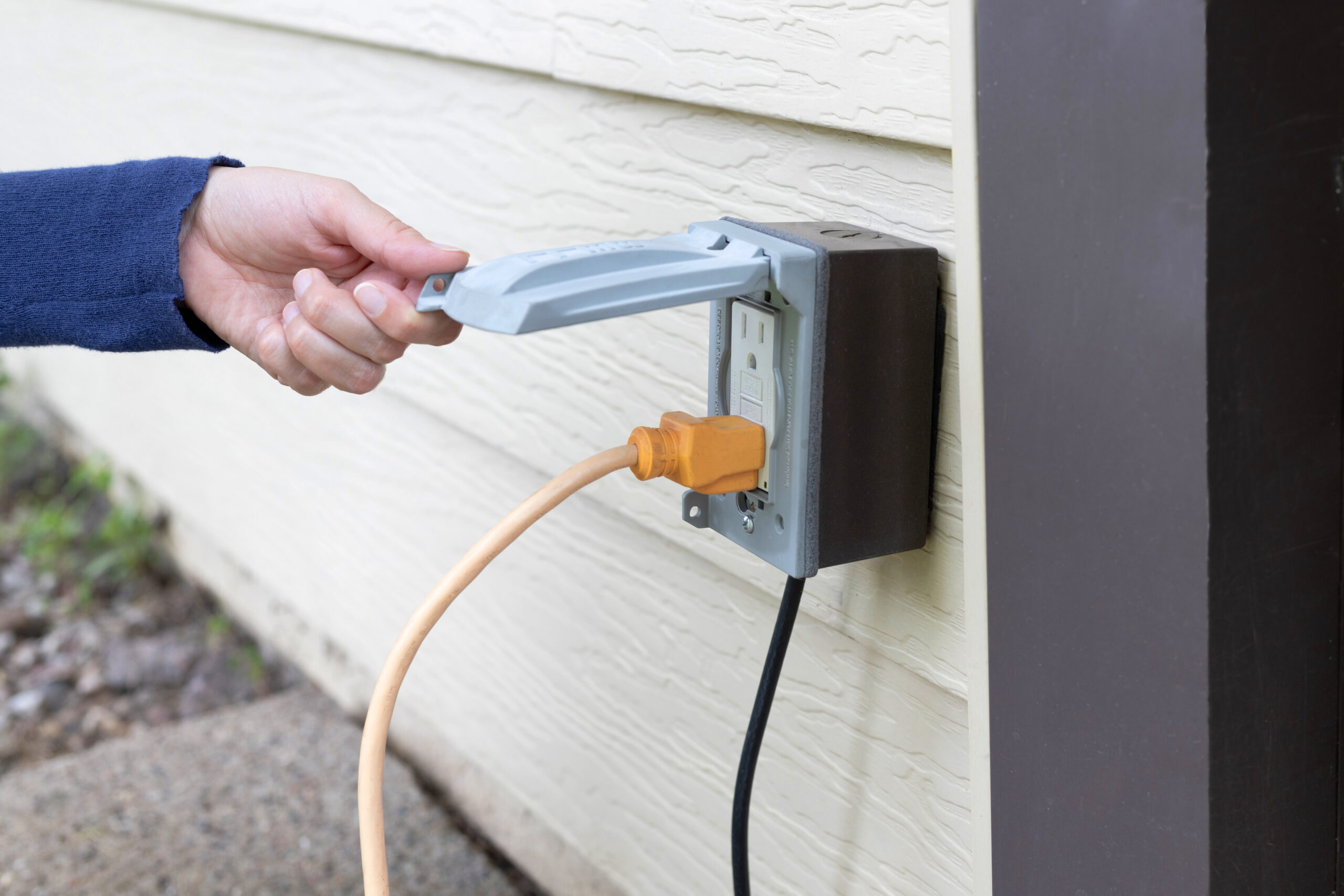
An outdoor outlet connects directly to your home’s main electrical panel through a dedicated circuit or by tapping into an existing interior circuit that has capacity to spare. The outlet itself sits inside a weatherproof housing — typically a metal or heavy-duty plastic box mounted to the exterior wall — with a cover plate that seals tightly against moisture when the outlet is not in use. What separates an outdoor outlet from its indoor counterpart is not just the housing. By code in the United States, all outdoor outlets must be protected by a Ground Fault Circuit Interrupter, commonly known as a GFCI. A GFCI monitors the flow of electricity and trips the circuit almost instantly if it detects a ground fault — meaning electricity is taking an unintended path, potentially through a person. This is the safety mechanism that makes outdoor electrical use far less dangerous than it would otherwise be.
What It Means for an Outlet to Be Grounded
Grounding is a separate but equally important concept. A grounded outlet has three slots: two vertical slots for the hot and neutral wires and one rounded slot for the ground wire. The ground wire provides a dedicated path for electricity to safely dissipate into the earth in the event of a fault or surge. Ungrounded outlets — the old two-prong type — lack this protection entirely. For outdoor use, grounding is non-negotiable. The combination of a GFCI-protected circuit and a properly grounded outlet is what the National Electrical Code requires, and for good reason. Wet hands, damp ground, metal ladders, and garden tools all create conditions where an ungrounded, unprotected outlet could cause serious injury. If your home still has two-prong outlets in any location, addressing that is worth prioritizing.
The Step-by-Step Process for Installing an Outdoor Outlet
Installing an outdoor outlet involves several distinct phases, and each one matters. Here is a general overview of what the process looks like when done correctly.
- Choose a location on the exterior wall and identify a nearby interior outlet or circuit to connect to as the power source.
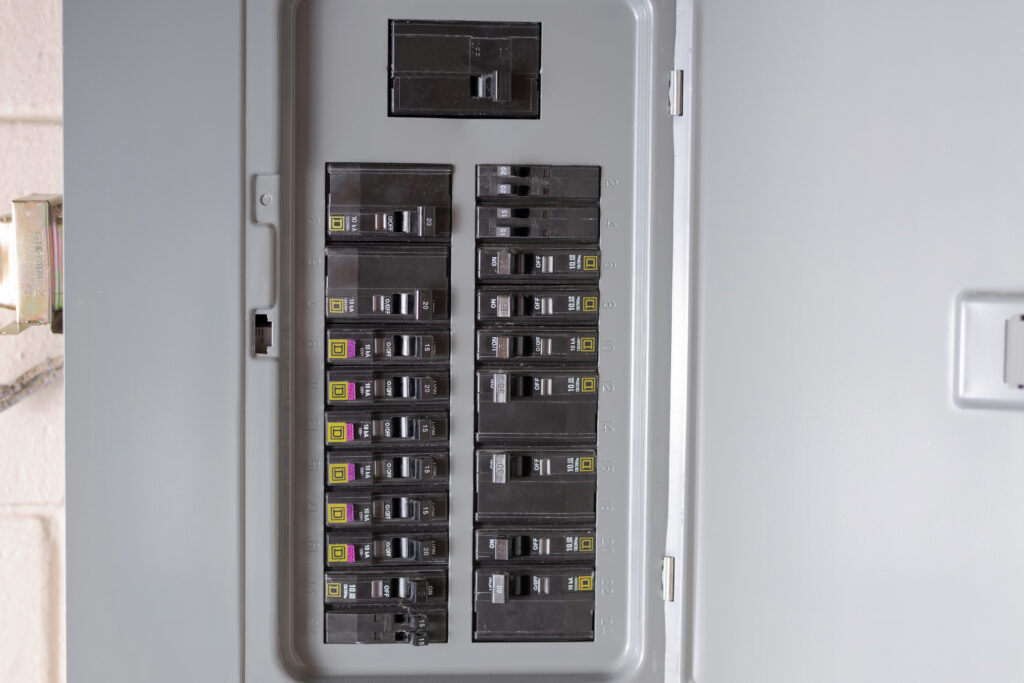
- Turn off the power to the source circuit at the breaker panel and confirm it is de-energized with a voltage tester.
- Drill through the wall at the selected location, being careful to avoid insulation batts, structural framing, and any existing wiring or plumbing runs.
- Mount a weatherproof electrical box rated for outdoor use on the exterior wall and run the appropriate gauge wiring from the source circuit to the new box.
- Connect the wiring to a GFCI outlet — hot to hot, neutral to neutral, ground to ground — and secure the outlet inside the box.
- Install the in-use weatherproof cover plate, which is designed to seal around plugs even when a cord is connected.
- Restore power and test the outlet using a receptacle tester. Test the GFCI function by pressing the test and reset buttons.
In most jurisdictions, this type of work requires a permit and inspection. That is not bureaucratic red tape — it is a meaningful safeguard for your home and your family.

Key Advantages of Adding an Outdoor Outlet
The practical benefits of having a properly installed outdoor outlet are difficult to overstate. Beyond the obvious convenience of powering tools, holiday lighting, and outdoor appliances, a well-placed exterior outlet adds measurable value to your property. Landscapers, contractors, and home service professionals routinely need exterior power access, and not having it can complicate or delay work. For homeowners who work from outdoor spaces, host gatherings, or maintain active yards, the quality-of-life improvement is immediate. There is also an efficiency argument — using a properly rated exterior outlet is far safer than running extension cords through windows or doors, which degrades weather sealing and creates trip hazards.
Common Drawbacks and Challenges to Be Aware Of
Outdoor outlet installation is not without its complications. Older homes with knob-and-tube wiring or aluminum wiring present unique challenges that require professional assessment before any new outlet is added. Homes with finished walls or stucco exteriors can make routing new wiring significantly more labor-intensive and costly. There is also the matter of circuit capacity — if the interior circuit you plan to tap is already heavily loaded, adding an exterior outlet to it could cause nuisance tripping or, worse, a hazard. Weather exposure over time can degrade even outdoor-rated components, particularly in climates with extreme temperature fluctuation or high humidity. GFCI outlets in outdoor locations tend to trip more frequently than indoor ones simply due to the environment, which can be mildly inconvenient but is always preferable to an unsafe condition.
DIY vs. Hiring a Licensed Electrician
This is where homeowners often pause — and for good reason. Some aspects of this project are within the reach of a capable DIYer with basic electrical knowledge, but the work involves your home’s electrical system, and the margin for error is narrow. Running new wire through walls, working inside your breaker panel, and pulling permits all require a level of confidence and competence that not every homeowner has. A licensed electrician brings code familiarity, the right tools, and liability coverage. The cost of hiring a professional for this specific job typically ranges from a few hundred dollars on the low end to over a thousand for more complex installations — entirely reasonable when weighed against the potential consequences of a wiring error. If there is any uncertainty, the professional route is the sound choice.
What Home Warranties Typically Cover with Outdoor Electrical
Home warranties are service contracts that cover the repair or replacement of major home systems and appliances when they fail due to normal wear and tear. When it comes to electrical systems, most home warranty plans cover the internal wiring, outlets, switches, and circuit breaker panels in your home — including components installed correctly according to code. Coverage details vary significantly by provider and plan, so it is worth reading carefully. Generally, pre-existing conditions, code violations, and damage resulting from improper installation are excluded. This is another reason proper installation with a permit and inspection matters — it establishes the outlet as a compliant, warrantable part of your home’s electrical system rather than an unauthorized modification. If your outdoor outlet is installed correctly and later fails due to normal wear, a comprehensive home warranty plan may well cover the repair.
Protect Your Home’s Electrical System with Armadillo
Your home’s electrical system — indoors and out — works hard every single day, and the cost of unexpected repairs can catch homeowners completely off guard. That is where a dependable home warranty plan makes a real difference. Armadillo home warranty coverage for electrical systems and home improvements is designed to give homeowners straightforward, reliable protection without the fine print surprises that define too many warranty experiences. Whether you are maintaining a newly installed outdoor outlet, managing an aging electrical panel, or just trying to plan ahead for the inevitable, having a plan in place matters. Armadillo keeps things simple, transparent, and fair — because protecting your home should not feel like a legal exercise. Take two minutes and get a free home warranty quote that covers outdoor and indoor electrical components to see exactly what a plan looks like for your home. Your electrical system will keep running — and when something does go sideways, you will be glad you planned ahead.

Frequently Asked Questions About Installing an Outdoor Outlet
These are the questions homeowners ask most often when considering adding or upgrading an exterior electrical outlet.
Do outdoor outlets need to be GFCI protected?
Yes. The National Electrical Code requires all outdoor outlets to be GFCI protected. This applies to new installations and, in many cases, to replacements of existing outdoor receptacles as well.
Can I install an outdoor outlet myself without a permit?
Technically, some jurisdictions allow homeowners to perform their own electrical work with a permit, but skipping the permit entirely is inadvisable. Unpermitted work can create insurance complications, affect home resale, and leave safety hazards undetected.
What type of outlet cover do I need for outdoor use?
You need an in-use weatherproof cover, sometimes called a bubble cover, which seals around a connected cord. Standard flip-cover plates only protect the outlet when nothing is plugged in, which is insufficient for many outdoor situations.
How deep does an outdoor outlet need to be buried if wiring runs underground?
Underground wiring depth requirements depend on conduit type. Rigid metal conduit typically requires a minimum of 6 inches of cover, while direct-burial cable without conduit requires 24 inches. Always verify local code requirements before digging.
Will a home warranty cover an outdoor outlet repair?
Many home warranty plans include coverage for electrical systems, which can encompass outdoor outlets installed to code. Coverage specifics vary, so reviewing your plan’s terms carefully or contacting your provider directly is the best approach.
Can an outdoor outlet be added to an existing interior circuit?
Yes, provided the existing circuit has sufficient ampacity to handle the additional load. An electrician can assess the circuit capacity before tapping into it to avoid overloading the breaker.
What gauge wire is required for an outdoor outlet?
For a standard 15-amp outdoor circuit, 14-gauge wire is the minimum. For a 20-amp circuit, 12-gauge wire is required. Most electricians recommend 20-amp circuits for outdoor outlets due to the variety of tools and appliances commonly used outside.
How do I know if my outdoor outlet is properly grounded?
Use a receptacle tester, which is an inexpensive tool available at any hardware store. It plugs directly into the outlet and uses indicator lights to confirm whether the outlet is correctly wired, grounded, and GFCI protected.
Why does my outdoor GFCI outlet keep tripping?
Frequent tripping in outdoor outlets is often caused by moisture intrusion, a damaged cover plate, a failing GFCI device, or a connected appliance drawing too much current. Persistent tripping warrants inspection by a licensed electrician to rule out a wiring issue.
How much does it typically cost to install an outdoor outlet?
Professional installation costs generally range from $150 to $500 for a straightforward job where the power source is accessible. More complex installations involving new dedicated circuits, conduit runs, or difficult wall materials can push costs higher.