What Is Door Weatherstripping and Why Does It Matter?
Weatherstripping is a material applied around the edges of a door to seal the gap between the door and its frame. That gap, as small as it might seem, is actually one of the most common sources of energy loss in a home. Air, moisture, dust, and even insects can pass through those tiny openings year-round. Replacing or installing weatherstripping is one of those home improvement tasks that does not get nearly enough credit. It is straightforward, relatively inexpensive, and the payoff in comfort and energy savings is immediate. If your doors are letting in drafts, making your HVAC system work overtime, or letting outside noise sneak in, weatherstripping is probably the fix you have been overlooking.
How Weatherstripping Actually Works
The concept is simple. Weatherstripping creates a compression seal between a moving part, in this case a door, and a stationary surface, which is the door frame and threshold. When the door closes, the weatherstripping compresses just enough to block airflow while still allowing the door to open and close smoothly. Different materials achieve this in different ways, which is why there are so many types available. Foam tape compresses easily and works well for irregular gaps. V-strip or tension seal holds its shape and handles friction well. Door sweeps attach to the bottom of the door and seal the gap between the door and the floor. Each type is designed with a specific location and function in mind, and choosing the right one for the right spot is the key to getting good results.
Types of Weatherstripping Materials You Should Know
Before you head to the hardware store, it helps to know what you are looking for. The most common types of weatherstripping include the following options, each with their own strengths depending on placement and exposure.
- Foam tape: Affordable and easy to apply, best for irregular or slightly misaligned gaps on the top and sides of a door frame.
- V-strip or tension seal: Made from plastic or metal, this type springs open to fill a gap and is highly durable, especially for the sides of door frames.
- Door sweeps: Attached along the bottom edge of the door to seal the threshold gap, available in aluminum, rubber, or brush varieties.
- Felt strips: An older option that is inexpensive but less durable, not ideal for high-traffic exterior doors.
- Rubber or vinyl bulb seal: Excellent for providing a tight seal on door stops and works well in areas with moderate temperature swings.
How to Install Weatherstripping on a Door Step by Step
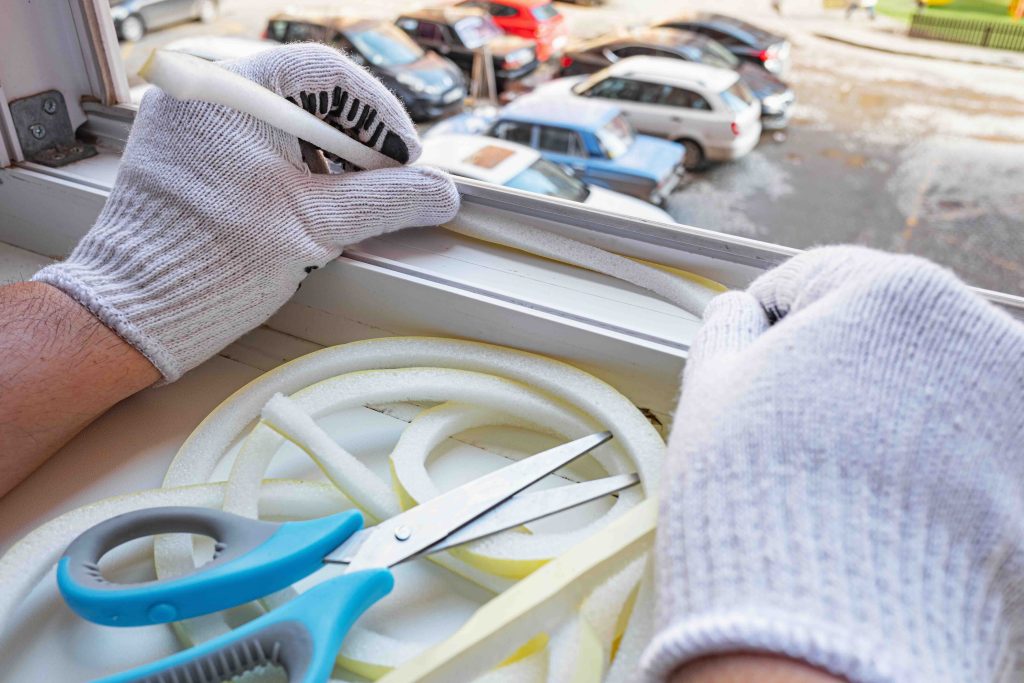
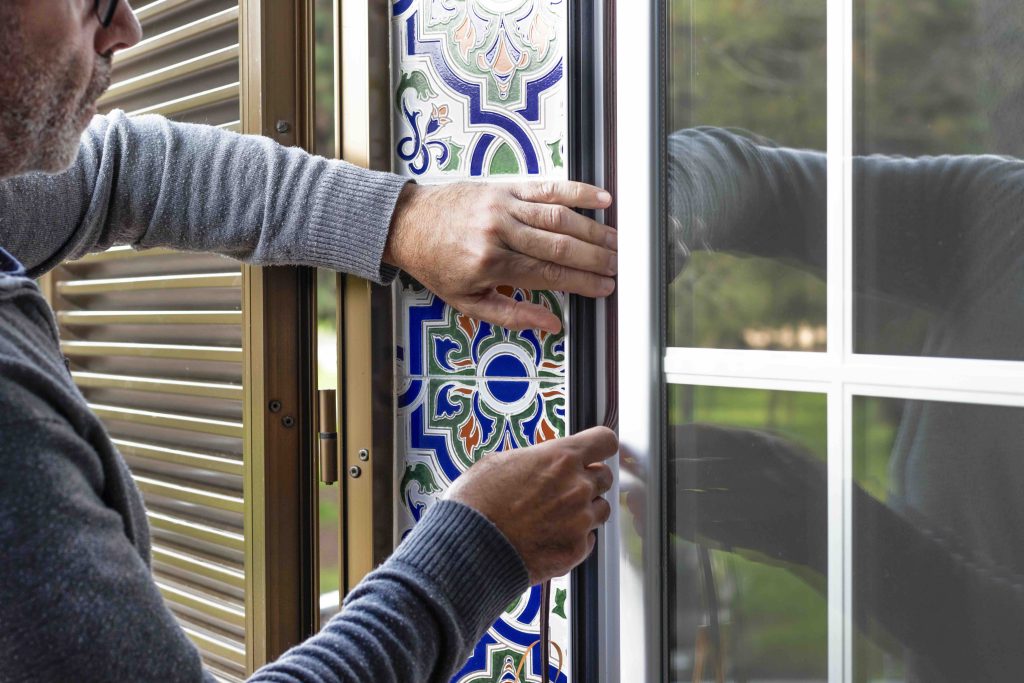
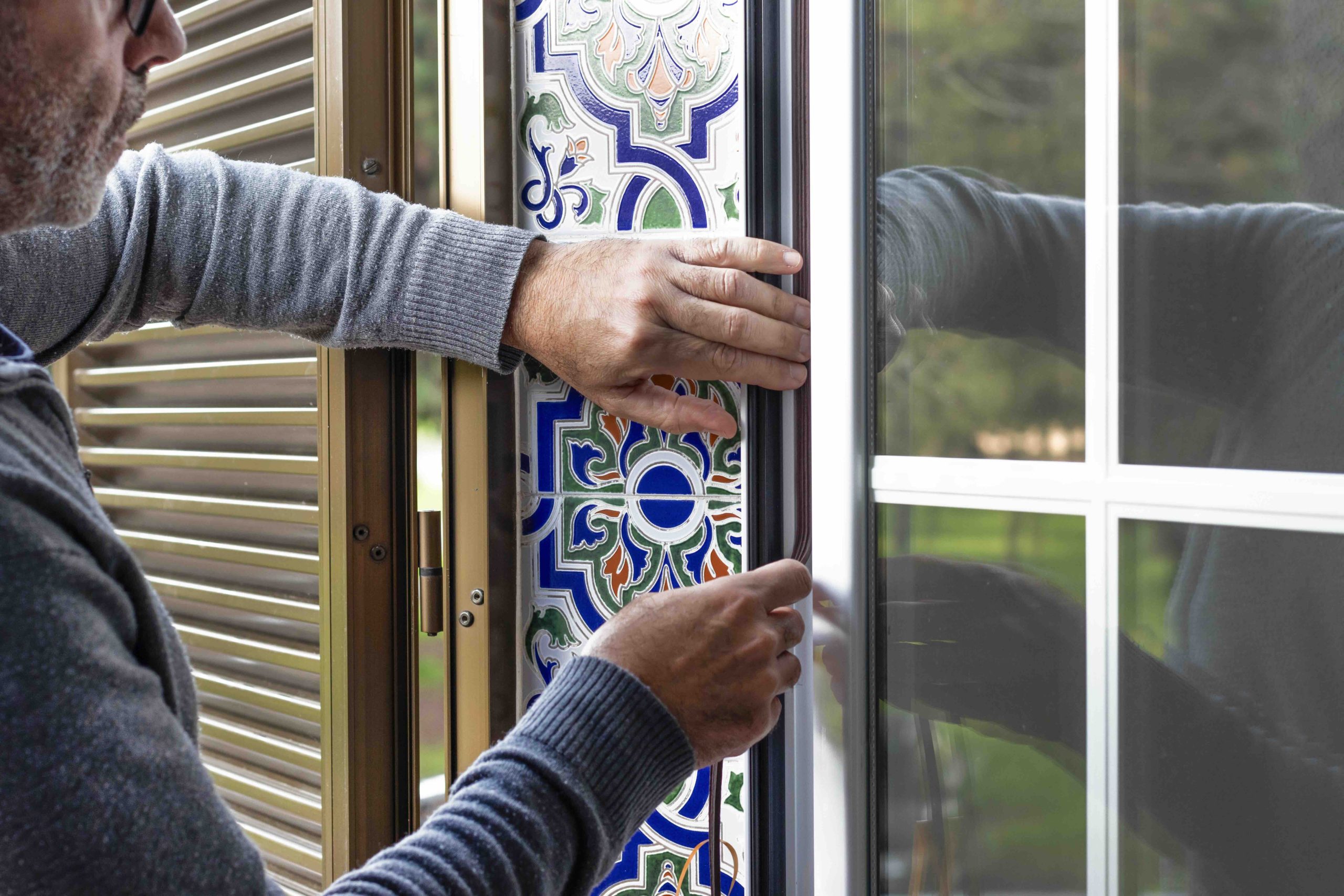
Installation is manageable for most homeowners with basic tools and a little patience. Start by removing any old weatherstripping that is peeling, compressed flat, or visibly deteriorating. Clean the surface thoroughly with a dry cloth or mild cleaner and let it dry completely before applying anything new. For adhesive-backed foam or V-strip, measure the door frame carefully, cut the strip to length, peel the backing, and press firmly into place along the doorstop. For a door sweep, close the door and mark where the sweep makes contact with the threshold, then screw it into the bottom of the door at that position. Do a simple light test after installation by shining a flashlight along the edges in a dark room, if no light passes through, you have a solid seal. It sounds simple because it is, but taking your time with measurements makes a noticeable difference in how well it performs.

Key Advantages of Installing Door Weatherstripping
The benefits go beyond just keeping drafts out. Good weatherstripping has a ripple effect across several areas of your home’s performance and your monthly budget. Here are the primary advantages worth knowing about.
- Lower energy bills: Sealing gaps reduces the workload on your heating and cooling system, which translates directly into savings on utility costs.
- Improved indoor comfort: Consistent indoor temperatures become easier to maintain when conditioned air stays where it belongs.
- Moisture protection: Proper sealing helps prevent water intrusion around door frames, which reduces the risk of wood rot and mold growth over time.
- Noise reduction: A well-sealed door significantly dampens outdoor noise, which matters a lot if you live near a busy street or in a noisy neighborhood.
- Pest deterrence: Weatherstripping eliminates the entry points that insects and rodents exploit, especially at the door sweep level.
Common Drawbacks and Limitations to Be Aware Of
Weatherstripping is not a one-and-done solution. It degrades over time, especially on doors that see heavy daily use or are exposed to harsh weather conditions. Foam tape, while easy to apply, tends to compress permanently within a year or two and loses its sealing ability. Even higher-quality materials like rubber or vinyl can crack in extreme cold or dry climates. Another limitation worth noting is that weatherstripping does not fix structural issues. If a door frame is warped, swollen, or out of alignment, the best weatherstripping in the world will only partially compensate for the underlying problem. In those cases, the door or frame itself may need adjustment or replacement before any seal will be fully effective.
How Long Does Weatherstripping Last?
The lifespan depends heavily on the material and the level of use the door experiences. Foam tape typically lasts one to three years before it needs replacing. V-strip and rubber products can hold up for five to ten years under normal conditions. Door sweeps, particularly those with metal backing, can last even longer if they are not dragging aggressively against the threshold. A good rule of thumb is to inspect all exterior door weatherstripping once a year, ideally before the heating season begins. Look for visible cracking, compression, peeling, or gaps where the material no longer makes contact. Catching wear early means a quick and inexpensive fix rather than waiting until energy bills start climbing.
When to Call a Professional Instead of DIY
Most weatherstripping installations are genuinely DIY-friendly, but there are situations where professional help is the smarter call. If your door is visibly misaligned, sticking, or not closing squarely within the frame, you may be dealing with a settling foundation, a warped frame, or hinge issues that require a skilled hand. Similarly, if moisture damage has already set into the door frame, that needs to be addressed before weatherstripping will do any good. A contractor or handyman can assess whether the door itself is the problem or if the surrounding structure needs attention. Spending a little on a professional evaluation upfront can save you the frustration of installing weatherstripping three times and wondering why it still does not work.
Tips for Maintaining Your Door Weatherstripping Over Time
A little routine maintenance goes a long way. Inspect weatherstripping seasonally, particularly on the most-used exterior doors in your home. Keep door frames clean and free of dirt buildup, since debris can prevent a proper seal even when the material itself is in good shape. For rubber and vinyl weatherstripping, applying a silicone-based lubricant once a year helps prevent cracking and keeps the material pliable. Avoid painting over weatherstripping, as this can cause it to bond to the door and tear when the door opens. And when you do replace it, take the time to match the replacement material to the same type that was originally installed, since different profiles are designed for specific locations and functions on the door.
How a Home Warranty Fits Into Your Door and Home System Protection Plan
Here is where things get practical. Weatherstripping is a maintenance task that falls squarely in the homeowner’s lap, which is exactly the kind of thing you want to stay ahead of. But while you are thinking about keeping your home efficient and protected, it is worth considering what happens when something bigger breaks down. The systems and appliances that weatherstripping is working to protect, like your HVAC, your plumbing, and your electrical, are the items that create serious financial stress when they fail unexpectedly. That is where trusted home warranty coverage that protects your essential home systems and appliances becomes genuinely valuable. Armadillo provides straightforward, no-nonsense home warranty plans designed to help homeowners avoid the gut-punch of a surprise repair bill. If you want to know exactly what coverage looks like for your home, you can get a personalized home warranty quote based on your zip code in minutes and see for yourself how affordable real protection can be. Taking care of the small stuff, like weatherstripping, and having a plan for the big stuff is just smart homeownership.

Frequently Asked Questions About Installing Weatherstripping for Doors
Here are answers to the most common questions homeowners have about door weatherstripping, from choosing the right type to understanding when it needs replacing.
What is the best type of weatherstripping for exterior doors?
V-strip or tension seal weatherstripping is generally the best choice for the sides of exterior door frames because it is durable, holds its shape well, and handles repeated door opening and closing without compressing flat. Pair it with a door sweep at the bottom for a complete seal.
How do I know if my door weatherstripping needs to be replaced?
Visible signs include cracking, peeling, compression where the material no longer springs back, and visible daylight around the door edges. You may also notice drafts near the door, higher energy bills, or outdoor noise becoming more audible inside.
Can I install weatherstripping myself or do I need a contractor?
Most weatherstripping installations are well within the skill range of a homeowner with basic tools. Measuring accurately and cleaning the surface before application are the most important steps. A contractor is only necessary if the door itself is misaligned or if there is structural damage around the frame.
How long does it take to install weatherstripping on a door?
A full door, including the top, both sides, and a door sweep at the bottom, can typically be completed in one to two hours. Removing old weatherstripping and cleaning the surface properly adds time but is an essential part of getting a clean, lasting result.
Does weatherstripping help with energy efficiency?
Yes, significantly. Air leaks around doors are among the leading causes of energy waste in residential homes. Sealing those gaps with weatherstripping reduces the burden on your HVAC system and can noticeably lower heating and cooling costs throughout the year.
What tools do I need to install door weatherstripping?
You will generally need a tape measure, scissors or a utility knife, a clean cloth for surface prep, and a screwdriver if you are installing a door sweep. Most adhesive-backed weatherstripping requires no additional tools beyond that.
Is there weatherstripping designed specifically for the bottom of a door?
Yes. Door sweeps are designed specifically for the bottom edge of a door. They attach to the interior face of the door and create a seal against the threshold. Options include rubber, vinyl, brush, and aluminum varieties, each suited to different floor surfaces and gap sizes.
Will weatherstripping help reduce noise from outside?
A proper weatherstripping seal does reduce sound transmission through gaps around the door. While it is not a substitute for acoustic door materials, sealing air gaps also closes the primary pathway for sound to enter, which results in a noticeably quieter interior space.
Can weatherstripping prevent pests from getting into my home?
It can help significantly. Insects and small rodents often enter homes through the gaps at the bottom and sides of exterior doors. A properly installed door sweep combined with side and top weatherstripping closes those entry points and reduces the likelihood of pest intrusion.
Is door weatherstripping covered under a home warranty?
Weatherstripping itself is generally considered routine maintenance and is not covered under a standard home warranty plan. However, the HVAC systems and other major appliances that weatherstripping helps protect can be covered. A home warranty plan is designed to address breakdowns in covered systems and appliances, not preventive maintenance items.