Why Bugs Keep Getting Into Your Home Through the Air Conditioner
You sealed the windows. You checked the doors. You even replaced the weatherstripping. And yet, somehow, there are still bugs making their way inside. The culprit is often one of the last places homeowners think to check — the air conditioning system. Your AC unit, whether it is a central system, a window unit, or a mini-split, creates multiple entry points that insects use to travel directly into your living space. Understanding how this happens is the first step toward stopping it.
How Bugs Use Your AC System as an Entry Point
Air conditioners work by pulling in air, cooling it, and circulating it through your home. That airflow process creates pressure differences between the inside and outside of your house. Bugs, especially small ones, are incredibly good at detecting those pressure shifts and following the path of least resistance. Gaps around window units, unsealed duct connections, and drain lines that lack proper traps can all serve as highways for insects. Cockroaches, ants, earwigs, and even wasps have all been found entering homes through AC-related gaps. It sounds unsettling, but it is a manageable problem once you know what you are dealing with.
Common Entry Points to Inspect Around Your AC System
Before you can fix the problem, you need to know exactly where insects are getting in. There are several high-risk areas worth examining closely, and a few of them tend to surprise homeowners when they finally look.
- Gaps around window AC units where the accordion side panels do not create a complete seal against the window frame
- Holes or unsealed penetrations in the wall or floor where refrigerant lines and electrical conduit pass through to an outdoor unit
- The condensate drain line, which runs from inside the unit to the outside and can act as a direct tunnel
- Leaky or disconnected ductwork in crawl spaces or attics where insects already have access
- The outdoor condenser unit housing itself, which can attract nesting insects that eventually work their way in
How to Seal Gaps Around Window and Wall AC Units
Window air conditioners are probably the most straightforward source of pest infiltration. The foam insulation panels that come with most units compress over time and stop creating a reliable barrier. Replacing that foam with fresh weatherstripping or foam tape is a simple fix that makes a noticeable difference. For gaps between the window frame and the unit casing, foam backer rod combined with exterior-grade caulk works well. Just make sure you are using a product rated for outdoor exposure and that you are not accidentally sealing a drainage port that the unit needs to function. If your window unit sits in a through-wall sleeve, check the perimeter of that sleeve inside the wall cavity as well — that space is often left completely open.
Sealing Refrigerant Line Penetrations the Right Way
This one trips up a lot of homeowners. Where the refrigerant lines enter your home from the outdoor condenser unit, there is almost always a gap in the wall that is either partially filled or not filled at all. Installers are focused on getting the lines through cleanly, not necessarily on pest-proofing the opening afterward. Expanding foam sealant works well here, but the better long-term solution is to use a combination of copper mesh stuffed into the gap and then sealed over with foam. Copper mesh does not compress or degrade the way foam alone does, and insects cannot chew through it. This two-step approach is standard in pest management and worth doing correctly the first time.

The Condensate Drain Line and Why It Matters for Pest Control
The condensate drain line removes moisture that builds up as your AC cools the air. It runs from the air handler inside your home to a drain outside. The problem is that this line creates a direct, open path between the exterior environment and the interior of your HVAC system. Insects — particularly ants and small roaches — can travel up through that line and enter the air handler cabinet. A P-trap installed in the drain line helps because standing water in the trap creates a physical barrier. However, if the system runs infrequently or the trap dries out, that barrier disappears. Keeping the drain line flushed with a diluted bleach solution periodically helps deter insects and also prevents the algae buildup that leads to clogs and water damage.
Ductwork Leaks and Pest Infiltration in Crawl Spaces
Leaky ductwork is a significant energy efficiency problem, but it is also a pest problem. When ducts run through unconditioned spaces like crawl spaces or attics, any gap or disconnection becomes an opportunity for insects to enter the airstream and ride it directly into your living areas. Duct sealing with mastic sealant or metal-backed tape — not standard duct tape, which deteriorates quickly — closes off those gaps effectively. If you suspect significant duct leakage, a professional duct blaster test can quantify exactly how much air is escaping and where. Addressing this serves double duty: it lowers your energy bills and removes a significant pest entry pathway at the same time.
Protecting the Outdoor Condenser Unit From Nesting Insects
The outdoor condenser unit is not typically where insects enter your home, but it can become a nesting site for wasps, yellow jackets, and ants, all of which can cause serious damage to electrical components and wiring. Keeping vegetation trimmed back at least two feet from the unit removes harborage areas. Avoid stacking materials near the unit, and check the interior housing seasonally for signs of nesting activity. If you do find an active nest, do not attempt to address it while the unit is running, and consider calling a pest professional before the colony damages wiring or refrigerant lines — both of which are expensive repairs.
Maintenance Habits That Keep Bugs Out Long-Term
Preventing insects from entering through your AC system is not a one-time fix. It requires building a few simple maintenance habits into your regular home care routine. The good news is that most of these steps also contribute to better HVAC performance and longer equipment lifespan.
- Replace or inspect foam seals around window units at the beginning of each cooling season
- Flush the condensate drain line with a diluted bleach solution every one to two months during heavy use periods
- Inspect refrigerant line penetrations annually and reseal any areas where foam has shrunk or cracked
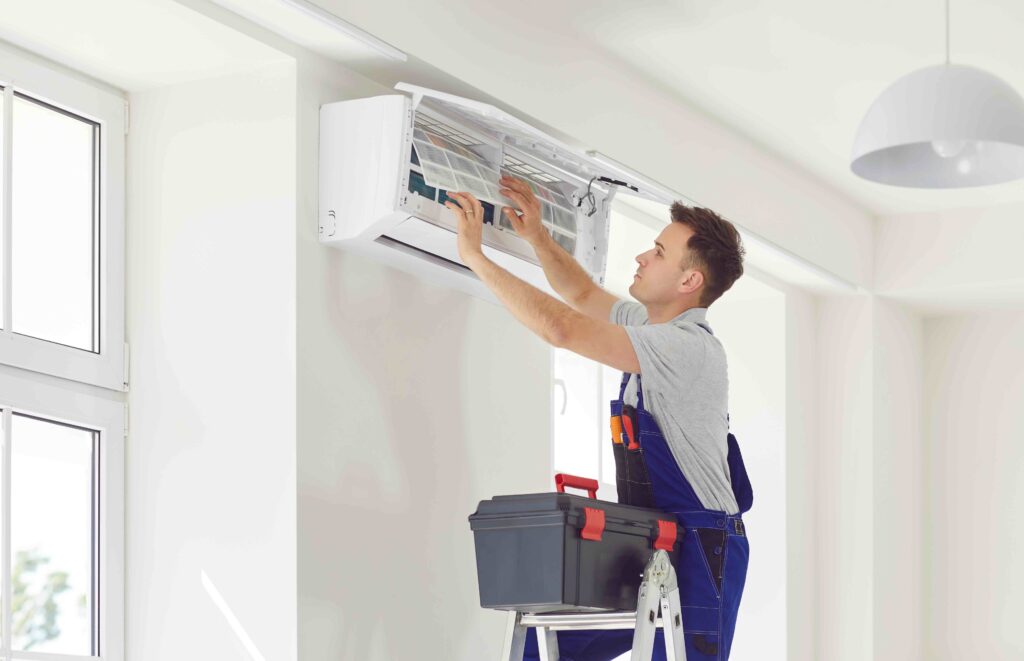
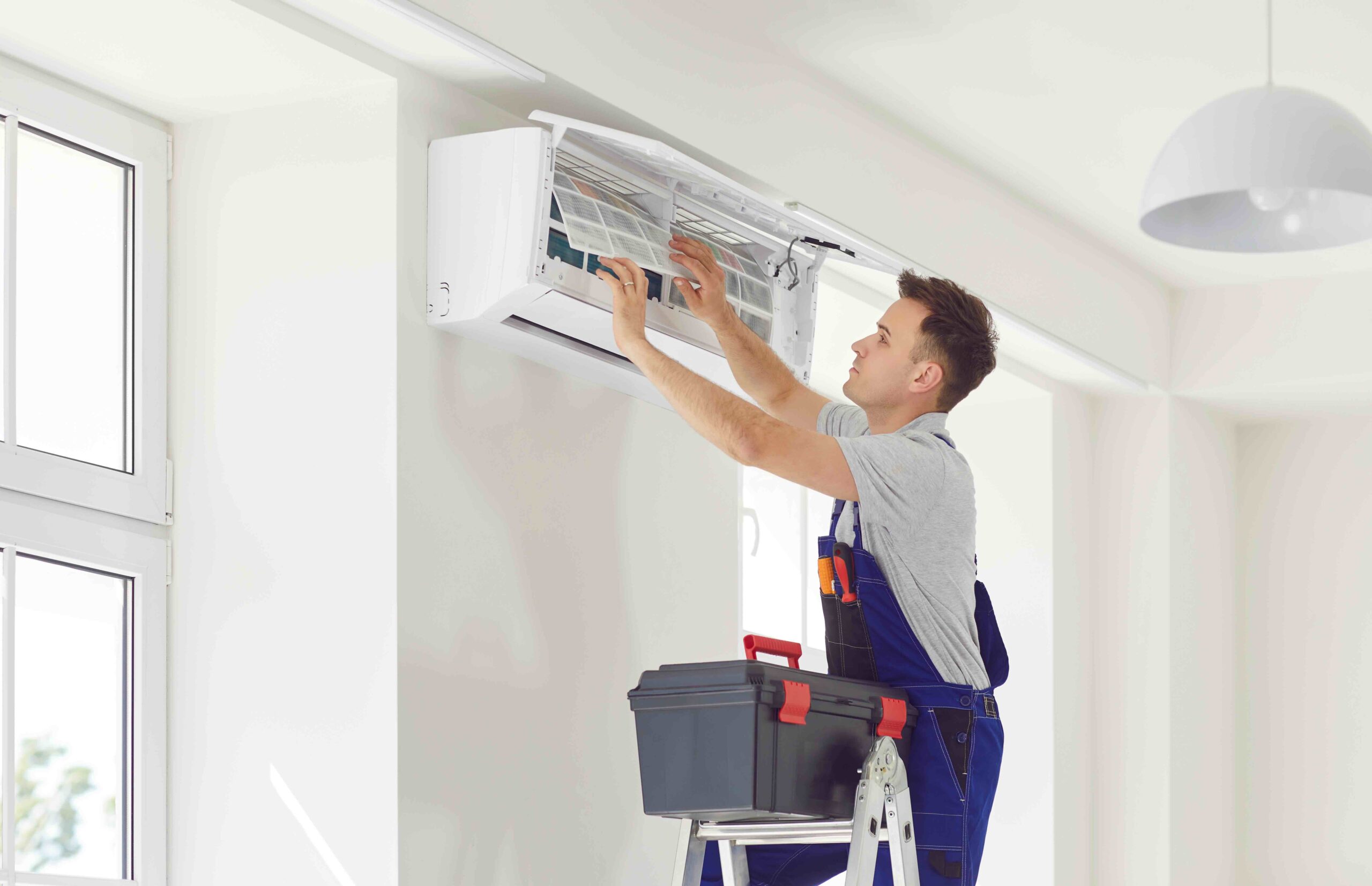
- Schedule professional HVAC maintenance once a year to catch duct issues and internal debris that attract pests
- Keep the area around the outdoor condenser unit clear of leaves, mulch, and plant growth
Why a Home Warranty Makes Sense When Your AC System Faces These Challenges
Keeping insects out of your air conditioning system requires vigilance, but it also means your HVAC components are working harder and facing more stress than you might realize. Drain line clogs from debris insects introduce, electrical shorts from nesting activity, and duct damage from critters in crawl spaces are all real repair scenarios that homeowners face. That is where having a reliable home warranty in place changes the equation. Armadillo’s comprehensive home warranty coverage for HVAC systems and major appliances is built to take the financial uncertainty out of owning a home — including the moments when your air conditioning system breaks down in ways you never anticipated. Pest-related wear on your system is just one more reason to make sure you have a safety net in place before something goes wrong. If you want to see what that protection looks like for your specific home, get a personalized home warranty quote that covers your AC system and more in just a few minutes. It is one of those decisions that tends to feel very smart the first time your system has an unexpected issue.

Frequently Asked Questions About Preventing Bugs From Entering Through Air Conditioners
These are the questions homeowners ask most often when dealing with pest infiltration through their HVAC systems, answered directly and practically.
Can bugs actually travel through central air conditioning ductwork?
Yes. Insects can enter ductwork through gaps, disconnections, or unsealed penetrations in unconditioned spaces and travel through the system into living areas. Sealing ductwork thoroughly eliminates this pathway.
What is the best sealant to use around AC line penetrations in exterior walls?
A combination of copper mesh stuffed into the gap followed by expanding foam sealant over the top is the most durable and pest-resistant approach. Foam alone can shrink and crack over time.
Why does my window air conditioner keep letting in small insects even after I resealed it?
The accordion side panels on most window units are rarely airtight. Supplementing them with foam weatherstripping tape along the window frame contact points usually closes the gaps that generic foam panels miss.
How do I know if bugs are entering through my condensate drain line?
If you notice insects near the air handler cabinet or inside air vents closest to the unit, the drain line is a likely entry point. Installing a P-trap and keeping the line flushed regularly helps block that route.
Does a home warranty cover damage caused by pests in an HVAC system?
Coverage varies by provider and plan. Some home warranties cover mechanical failures resulting from internal obstructions or component damage, so reviewing the terms of your specific plan with your provider is important before assuming coverage.
Are there specific bugs that are more likely to come in through AC systems?
Cockroaches, ants, earwigs, and silverfish are among the most common. Wasps and yellow jackets tend to nest in outdoor condenser units rather than travel indoors through the system itself.
How often should I inspect my AC system for pest-related vulnerabilities?
A thorough inspection at the start of each cooling season is the minimum. If you live in a region with year-round pest pressure, checking seals and drain lines every two to three months is a reasonable schedule.
Can insects damage an air conditioning unit enough to cause it to fail?
Yes. Nesting activity inside condenser units can damage electrical contacts, capacitors, and wiring. Insects in drain lines can cause clogs that lead to water damage in the air handler. Both scenarios can result in costly repairs.
Is regular HVAC maintenance enough to prevent bugs from entering through the system?
Professional maintenance is a critical part of the solution, but it is not comprehensive on its own. Sealing exterior penetrations, maintaining drain lines, and keeping the area around the outdoor unit clear are homeowner responsibilities that fall outside a standard tune-up visit.
What role does humidity control play in keeping bugs away from my AC system?
High humidity around the air handler and drain pan creates an attractive environment for cockroaches and other moisture-seeking insects. Keeping the drain line clear so moisture does not pool and ensuring your system maintains appropriate indoor humidity levels both reduce that attraction significantly.