Why Keeping Your Drains Clear Is One of the Smartest Things You Can Do as a Homeowner
Drains are one of those things you completely ignore until something goes wrong. And when something goes wrong, it tends to go very wrong. A slow drain here, a backed-up sink there, and suddenly you are standing in ankle-deep water wondering how it got this bad. The good news is that clogged drains are largely preventable, and understanding how your home’s drainage system works can save you a significant amount of money and stress. Whether you are a new homeowner or someone who has been living in the same house for twenty years, this guide will walk you through everything you need to know about keeping your drains clear, functional, and protected.
How Your Home’s Drain System Actually Works
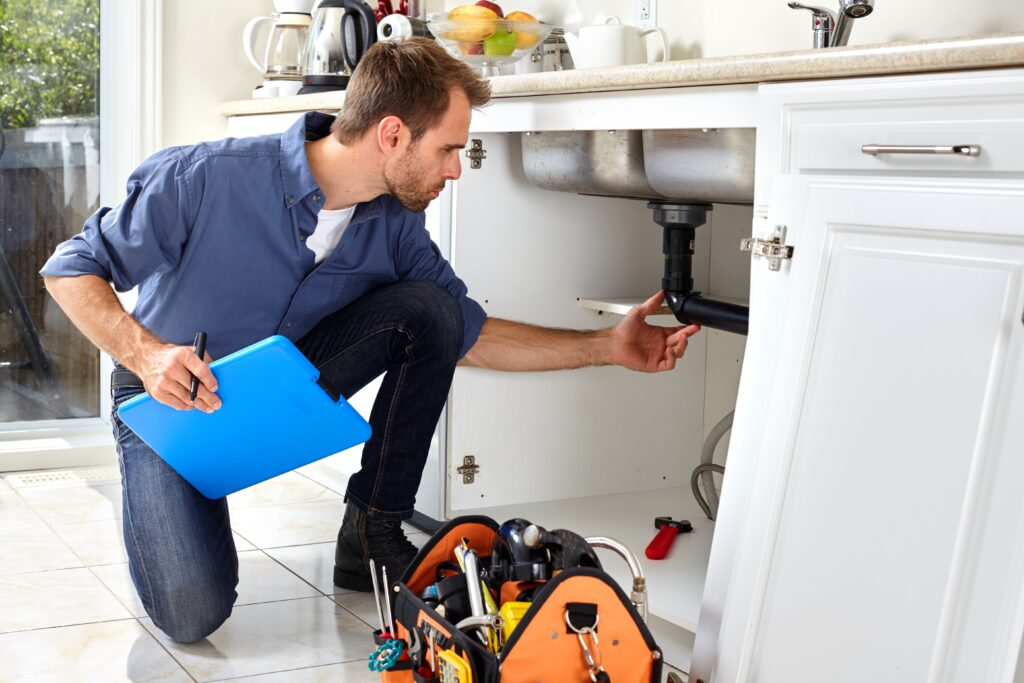
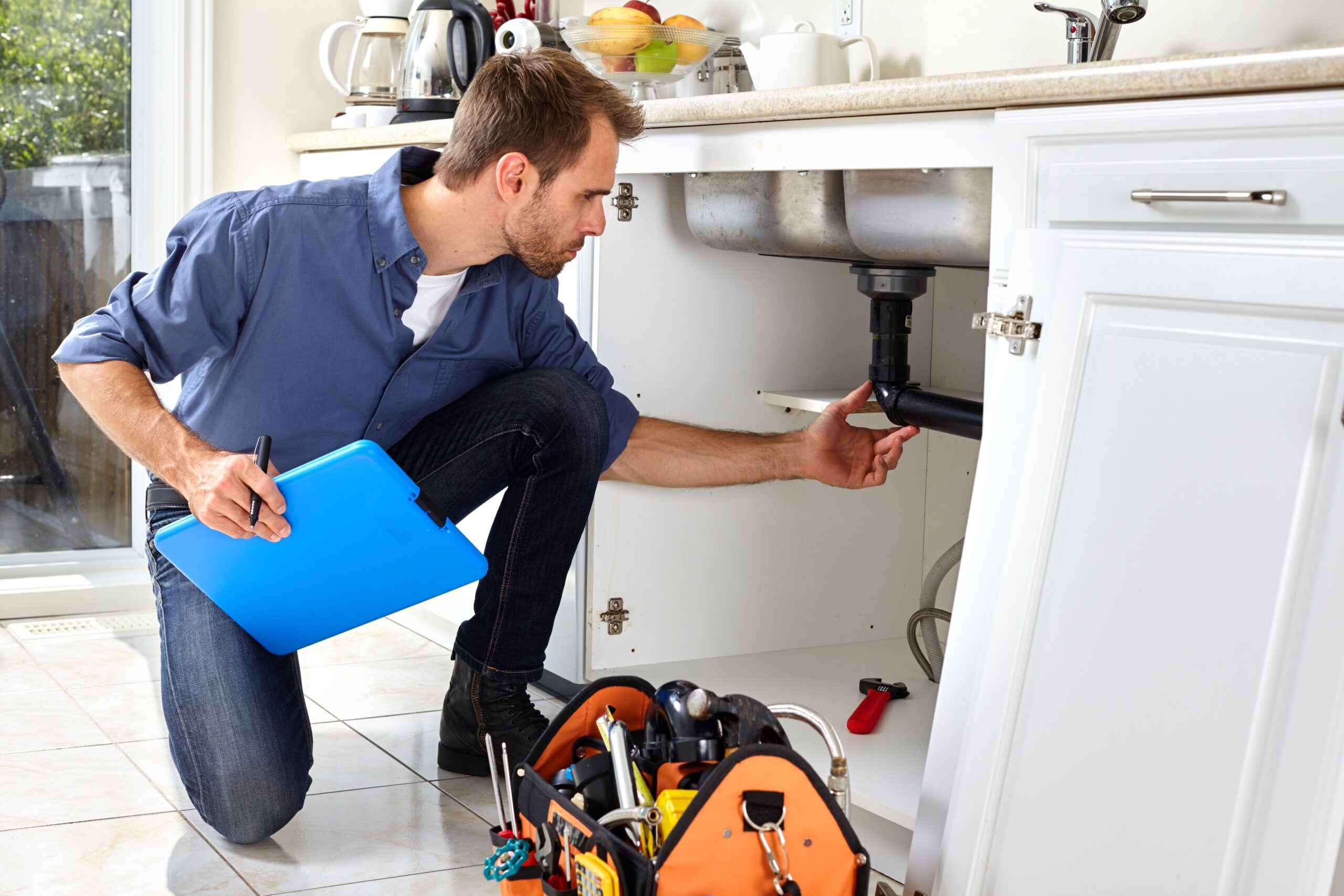
Your home’s plumbing system operates in two directions: fresh water comes in, and wastewater goes out. The drainage side of things is what most people underestimate. Every sink, shower, tub, toilet, and appliance in your home that uses water is connected to a network of pipes that all eventually lead to either a municipal sewer line or a private septic system. Gravity does most of the work here. Water flows downward through sloped pipes, picking up whatever is in its path, until it exits the house. Along the way, P-traps, which are those curved pipe sections you see under sinks, hold a small amount of water that blocks sewer gases from coming back up into your living space. It is a surprisingly elegant system, until it gets disrupted by buildup, blockages, or damage.
The Most Common Culprits Behind Clogged Drains
Not all clogs are created equal, and knowing what causes them helps you prevent them before they become a plumbing emergency. Most drain clogs come down to a short list of repeat offenders. Hair is probably the most notorious drain clogger in bathroom sinks and showers. It binds together with soap scum and forms a mat that water cannot push through. In the kitchen, grease and food particles are the primary issue. Grease may go down in liquid form, but it solidifies as it cools inside the pipe, narrowing the passageway over time. Soap scum, mineral deposits from hard water, and even small objects accidentally dropped into drains all contribute to buildup. Flushing items like wipes, cotton balls, or paper towels down the toilet is another major source of downstream blockages, even when packaging claims a product is flushable.
Practical Habits That Keep Drains Flowing Freely
Prevention is genuinely the most effective drain maintenance strategy. A few consistent habits can extend the life of your pipes and keep your plumbing running smoothly without the need for professional intervention. Here are the most effective preventive measures homeowners can take:
- Install mesh drain screens in every shower, tub, and bathroom sink to catch hair before it enters the pipe.
- Never pour grease, oil, or fat down the kitchen drain. Let it cool and dispose of it in the trash.
- Run hot water down the kitchen drain for about thirty seconds after each use to help flush residue through the pipes.
- Flush drains monthly with a mixture of baking soda and white vinegar, followed by hot water, to break down early-stage buildup.
- Only flush toilet paper. Everything else, including so-called flushable wipes, should go in the trash.
- Have a licensed plumber perform a camera inspection of your main drain line every few years, especially in older homes.
DIY Drain Cleaning Methods That Actually Work
When a drain starts slowing down, your instinct might be to reach for a chemical drain cleaner. That is understandable, but worth reconsidering. Most chemical drain cleaners use highly corrosive compounds that can damage older pipes over time and are harmful to the environment. Before going that route, try a drain snake or hand auger, which is a flexible metal cable you feed into the drain to physically break up or retrieve the clog. For minor buildup, the baking soda and vinegar method mentioned earlier is a genuinely effective and pipe-safe option. A simple plunger is also surprisingly effective for kitchen and bathroom sink clogs when used correctly. The key is addressing slow drains early rather than waiting until the blockage is complete, at which point your options become more limited and more expensive.
When to Call a Professional Plumber
There is a clear point at which a clogged drain becomes a job for a licensed plumber, not a weekend DIY project. If multiple drains in your home are slow or backing up simultaneously, that is a strong indicator of a blockage in the main sewer line rather than an isolated pipe. Similarly, if you notice gurgling sounds coming from drains, sewage odors inside the home, or water backing up into unexpected fixtures when you run the dishwasher or flush a toilet, these are all signs of a more serious drainage problem. Tree root intrusion into sewer lines is a common issue in older neighborhoods and is something only a professional can diagnose and resolve properly. Attempting to handle main line issues without the right equipment can make the situation considerably worse.
How Hard Water and Mineral Buildup Affect Your Drains
If your home is in an area with hard water, mineral deposits are an ongoing challenge for both your plumbing and your appliances. Hard water contains elevated levels of calcium and magnesium, and over time these minerals accumulate inside pipes, reducing flow capacity and making it easier for soap scum and debris to stick to pipe walls. The result is a gradual but persistent narrowing of your pipes that eventually restricts drainage. Installing a whole-home water softener is one solution, though it is a meaningful upfront investment. For a less expensive approach, regular flushing with a diluted white vinegar solution can help slow mineral accumulation in accessible drains. Being aware of whether your area has hard water is important context for understanding why your drains might behave differently than expected even with good maintenance habits.

What Homeowners Often Get Wrong About Drain Maintenance
One of the most common misconceptions is that if water is draining at all, the drain is fine. Slow drainage is not a minor inconvenience to tolerate. It is an early warning sign that buildup is already in progress and that a full blockage is on its way. Another mistake is over-relying on chemical drain cleaners as a maintenance tool rather than a last resort. Used repeatedly, these products can degrade pipe joints and create new vulnerabilities in your plumbing system. Homeowners also sometimes underestimate how quickly a small clog can escalate, especially in main sewer lines. What starts as occasional slow drainage can become a sewage backup in a matter of days under the right conditions. Treating drain maintenance as a routine part of home upkeep rather than a reactive emergency response makes a substantial difference in long-term outcomes.
Where Home Warranties Fit Into the Picture
Keeping drains clear is something you can largely manage through preventive habits and occasional professional maintenance. But plumbing systems are complex, and even well-maintained pipes can fail due to age, material degradation, or issues entirely outside your control. That is where a home warranty can provide meaningful financial protection. A quality home warranty plan covers the repair or replacement of home systems and appliances when they break down due to normal wear and tear. Plumbing is a core component of most home warranty plans, which means that when a covered failure occurs, you are not absorbing the full cost of a plumber’s time and parts out of pocket. Understanding the difference between preventive maintenance, which a warranty generally does not cover, and system failure, which it typically does, is important when evaluating what level of protection makes sense for your home.
Why Armadillo Belongs in Your Home Protection Plan
If there is one thing that drain maintenance and home warranties have in common, it is that both reward proactive homeowners. Armadillo was built with exactly that kind of homeowner in mind. When your plumbing system experiences a covered failure, you want a home warranty provider that is straightforward about what is covered, responsive when you need help, and transparent about the process from start to finish. That is the Armadillo difference. As a trusted home warranty provider for homeowners who want real plumbing system protection, Armadillo offers coverage that is easy to understand and built around the way people actually live in their homes. You should not need to decode legal language to figure out whether a drain issue is covered. If you are ready to stop leaving your home’s plumbing to chance, take a few minutes to get a personalized home warranty quote that covers your plumbing and drainage systems and see exactly what protection looks like for your specific home. Preventive care gets you far. Having the right coverage takes you the rest of the way.

Frequently Asked Questions About Keeping Home Drains Clear
These are the questions homeowners ask most often when it comes to drain maintenance, clogs, and plumbing protection at home.
How often should I clean my home’s drains to prevent clogs?
For most households, flushing drains with a baking soda and vinegar solution once a month is sufficient for routine maintenance. High-use drains like kitchen sinks and showers may benefit from more frequent attention, particularly if you notice any slowing in drainage between cleanings.
Are chemical drain cleaners safe to use regularly?
Chemical drain cleaners are not recommended for regular use. They contain caustic compounds that can corrode pipe interiors over time, particularly in older homes with metal pipes. They should be treated as an occasional last resort rather than a routine maintenance tool.
What is the best way to unclog a shower drain?
Start by removing the drain cover and manually pulling out any visible hair buildup. If that does not resolve the clog, use a drain snake to reach deeper into the pipe. For mild buildup, the baking soda and vinegar method followed by hot water is effective and safe for most pipe types.
Can tree roots really get into my home’s drain pipes?
Yes, and it is more common than most homeowners expect, especially in homes with mature trees in the yard. Tree roots naturally seek out moisture and can infiltrate small cracks in older clay or cast iron sewer pipes, eventually causing significant blockages or pipe damage that requires professional repair.
What are the signs that my main sewer line is clogged?
Multiple drains backing up or draining slowly at the same time is the most telling sign. You might also notice gurgling sounds from toilets, water rising in unexpected fixtures when you run an appliance, or sewage odors coming from drains inside the home.
Does a home warranty cover clogged drains?
Coverage varies by provider and plan. Most home warranty plans cover plumbing system failures caused by normal wear and tear, but routine maintenance issues like clogs are often excluded. Reviewing your specific plan details is essential to understanding what types of plumbing problems are covered.
Is hard water contributing to my drain problems?
It very likely is if you live in an area with high mineral content in the water supply. Hard water causes calcium and magnesium deposits to build up inside pipes over time, narrowing the flow path and making it easier for debris to accumulate and cause blockages.
How can I tell if my drain is clogged or if the problem is with the vent pipe?
If you hear persistent gurgling sounds from drains even when water is draining at a normal speed, the issue may be with a blocked plumbing vent pipe rather than the drain itself. Vent pipes allow air into the drainage system and can become blocked by debris or animal nests. A plumber can diagnose this accurately.
What should I never put down a kitchen drain?
Grease, oil, and fat are the top items to keep out of kitchen drains. Beyond those, avoid putting coffee grounds, eggshells, starchy foods like pasta or rice, and fibrous vegetables down the drain or through a garbage disposal, as these all contribute to blockages over time.
How does a plumber clear a main sewer line blockage?
A plumber will typically use a motorized drain auger to break through the blockage, or hydro-jetting, which uses high-pressure water to clear debris from the pipe walls. In cases involving root intrusion or pipe damage, a camera inspection is used first to assess the exact location and severity of the problem before determining the right repair approach.