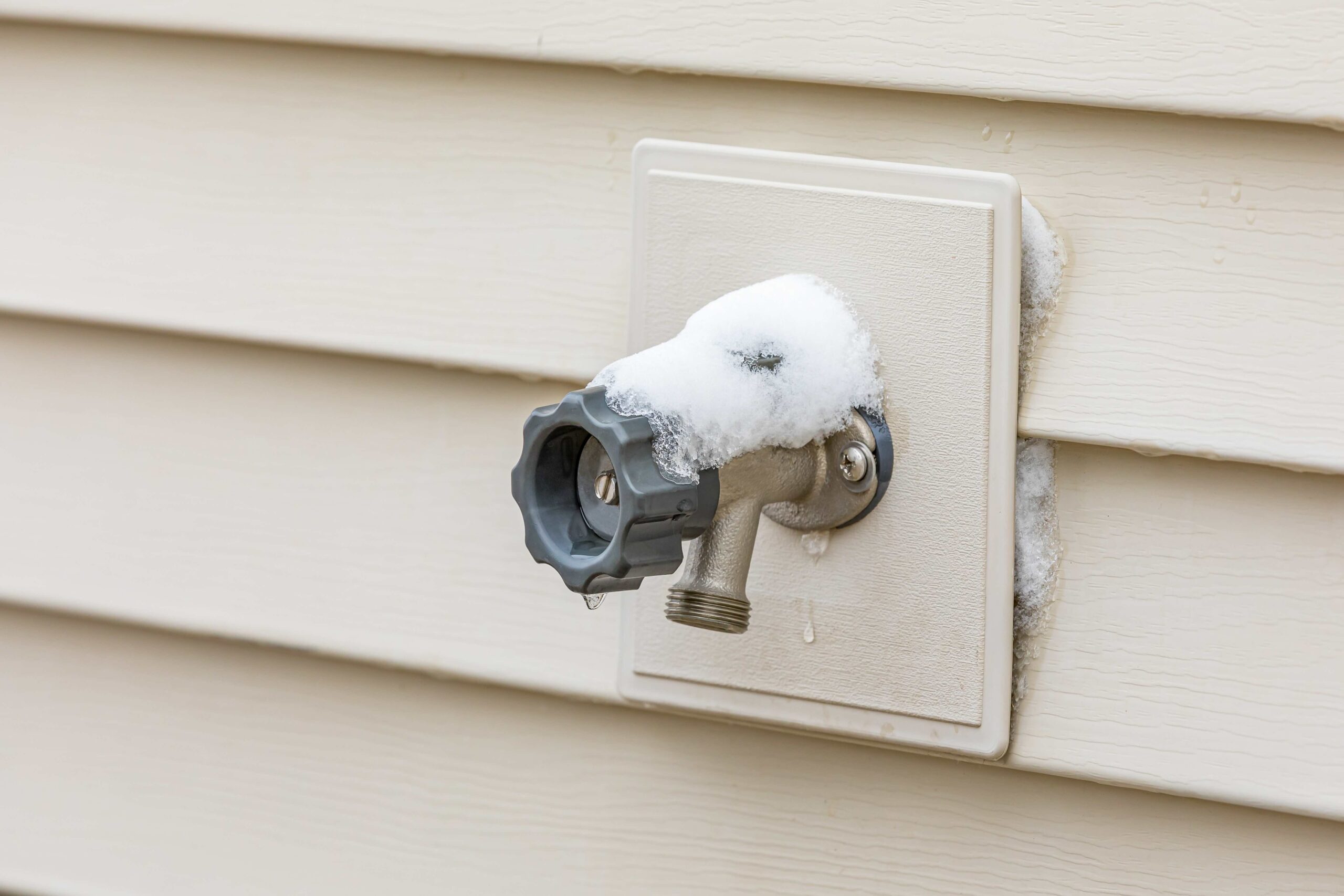
Why Your Outdoor Faucet Is One Freeze Away From a Costly Disaster
Most homeowners do not think twice about the outdoor faucet on the side of the house — right up until the moment a burst pipe turns a quiet winter morning into an emergency. Frozen outdoor faucets are one of the most common and most preventable causes of water damage in cold-weather climates. When water sitting inside an exposed pipe freezes and expands, it can split the pipe, crack the faucet body, or push back into your interior plumbing. The result is often hundreds or even thousands of dollars in repairs. The good news is that protecting your outdoor faucets from freezing is not complicated, and doing it right takes very little time or money.
How Outdoor Faucets Work and Why They Freeze
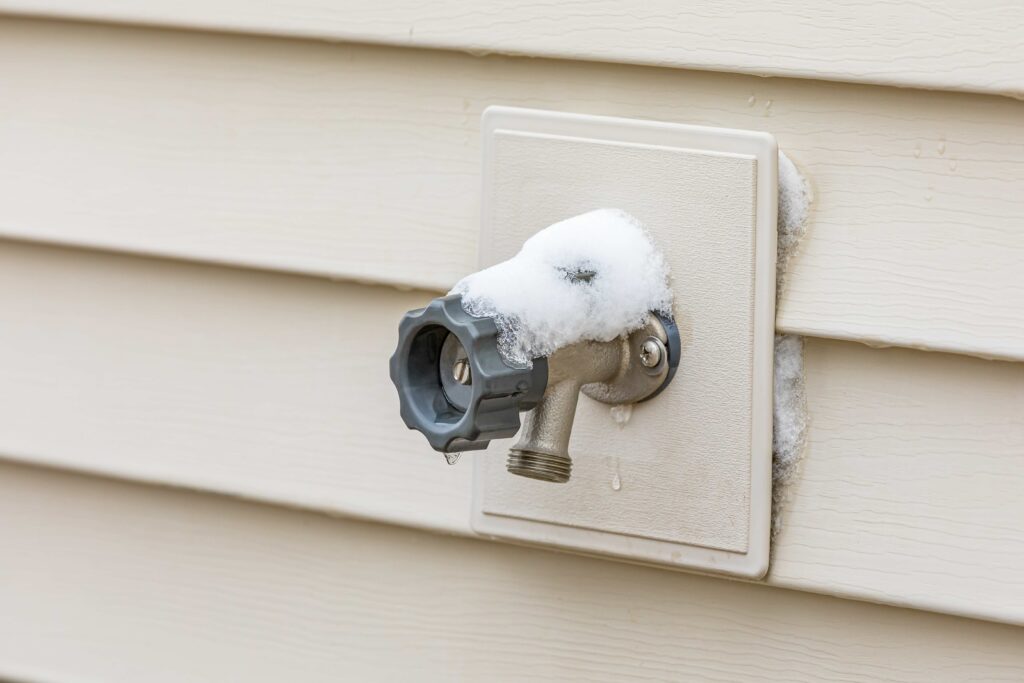
A standard outdoor faucet, sometimes called a hose bib or sillcock, connects directly to your home’s water supply line. When you turn it off, water remains sitting in the short section of pipe that extends through your exterior wall and beyond. That exposed section is highly vulnerable to freezing temperatures. When outdoor temps dip below 32 degrees Fahrenheit, that standing water can freeze solid. The problem is physics — water expands roughly nine percent when it turns to ice. That expansion puts enormous pressure on the pipe walls, and eventually something gives. Frost-free faucets, also called anti-siphon or freezeless faucets, are designed to drain automatically when you shut them off, which keeps standing water out of the exposed section. However, even frost-free faucets can freeze under the right conditions, particularly if a hose is left attached after use.
Signs Your Outdoor Faucet May Be at Risk
Not every outdoor faucet carries the same level of risk going into winter. A few indicators that yours may be especially vulnerable include the following:
- The faucet is a standard compression-style hose bib rather than a frost-free model
- Your home does not have interior shutoff valves for outdoor water lines
- The faucet faces north or is shaded and rarely gets direct sunlight
- The area experiences extended periods below freezing each winter
- You have left garden hoses connected into late fall or winter
If any of these apply to your situation, now is a good time to take action rather than waiting for temperatures to drop.
The Most Effective Ways to Keep Your Outdoor Faucet From Freezing
There is no single magic fix here — the best approach usually combines two or three protective measures. Start with the basics. If your home has an interior shutoff valve for the outdoor water line, close it before cold weather arrives and then open the outdoor faucet to drain any remaining water from the line. This one step alone removes most of the freeze risk. Next, always disconnect and drain garden hoses before the first frost of the season. Even frost-free faucets can freeze when a hose is attached because it traps water in the pipe stem and prevents proper drainage. Beyond that, insulated faucet covers are inexpensive and widely available at hardware stores. These foam or hard-shell covers slip over the faucet and trap heat, providing a meaningful buffer against freezing temperatures. For sustained cold snaps, covers can make a real difference.
Frost-Free Faucets: Are They Worth Installing
If your home still has older standard hose bibs, upgrading to frost-free faucets is a smart, relatively affordable project. A frost-free faucet has a longer stem that positions the actual water shutoff valve inside your heated living space, well behind the exterior wall. When you close the faucet, the water drains out of the exposed pipe automatically. Installation typically costs between $100 and $300 depending on your location and the complexity of your plumbing. That is a fraction of what a burst pipe repair can run. The caveat worth repeating is that frost-free faucets only work as intended when no hose is connected at shutoff. A hose blocks drainage and defeats the entire purpose of the design. Removing hoses before winter is non-negotiable regardless of what type of faucet you have.
Pipe Insulation and Heat Tape as Backup Options
For pipes that run through unheated spaces like a crawl space, garage, or uninsulated exterior wall, additional protection goes a long way. Pipe insulation sleeves made of foam or fiberglass are easy to cut and wrap around exposed sections of pipe. They are not designed to generate heat, but they slow the rate at which cold penetrates the pipe. Self-regulating heat tape is a step further — it is an electric cable that wraps around a pipe and generates just enough warmth to prevent freezing. Heat tape is particularly useful in areas where temperatures drop well below freezing for extended stretches. Follow manufacturer instructions carefully, as improper installation can create a fire hazard. Heat tape paired with a layer of pipe insulation over it is generally considered the most reliable combination for extreme climates.
What to Do If Your Outdoor Faucet Actually Freezes
Even with precautions in place, freezes happen. If you turn on an outdoor faucet and get no water flow, the line may already be frozen. Do not force the handle or apply high heat to the pipe. A hair dryer on a low setting or warm towels applied to the exposed pipe can slowly thaw ice without the risk of cracking that comes with a torch or open flame. Work from the faucet back toward the wall, not the other way around. Once thawed, immediately check for any signs of leakage — dripping, dampness near the wall, or reduced water pressure inside the house can all point to a pipe that cracked during the freeze. If you suspect damage, shut off water to that line and contact a plumber before running the faucet again.
How Home Warranty Coverage Fits Into the Picture
Protecting your outdoor faucets is a maintenance task, and most home warranties draw a clear distinction between preventive maintenance and covered repairs. That said, interior plumbing systems are commonly included in home warranty plans, which means if a frozen outdoor faucet leads to damage that reaches interior pipes, valves, or fixtures, you may have coverage that applies to those downstream repairs. Home warranty plans vary significantly in what they include, so reviewing your plan documents carefully — and understanding what falls under routine maintenance exclusions versus covered system failures — matters a great deal when a winter emergency strikes unexpectedly.
Why Armadillo Is the Right Partner for Whole-Home Protection
Protecting your outdoor faucets from freezing is smart maintenance, but the reality of homeownership is that one proactive step rarely covers everything that can go wrong. Plumbing surprises, HVAC failures, and appliance breakdowns have a habit of arriving at the worst possible moments, and repair costs add up fast. That is exactly where a reliable home warranty steps in. At Armadillo home warranty coverage for plumbing and major home systems, the focus is on keeping things simple, transparent, and genuinely useful for homeowners who want real protection without the runaround. If you are ready to stop wondering what a breakdown might cost you this winter, take a few minutes to get a free home warranty quote to protect your plumbing and more and see what a plan built for your home actually looks like. The peace of mind alone is worth it.

Frequently Asked Questions About Keeping Outdoor Faucets From Freezing
These are the questions homeowners ask most often when it comes to winterizing outdoor faucets and understanding the risks involved.
At what temperature should I be worried about my outdoor faucet freezing?
Water freezes at 32 degrees Fahrenheit, but most plumbers recommend taking precautions when temperatures are expected to drop below 28 degrees for four or more consecutive hours, as that sustained cold is enough to freeze exposed pipes.
Do frost-free faucets ever actually freeze?
Yes. A frost-free faucet can still freeze if a garden hose remains connected at shutoff, if there is inadequate slope for drainage, or if the pipe runs through an extremely cold uninsulated wall cavity during an extended freeze.
How do I know if my outdoor faucet is frost-free?
Frost-free faucets have a longer stem — typically six to twelve inches — that extends back into the wall. If you look at the faucet from outside and the handle sits close to the siding with a long pipe body disappearing into the wall, it is likely frost-free. If unsure, check the manufacturer label or consult a plumber.
Is it okay to leave a garden hose connected all winter?
No. Leaving a hose connected after the season ends traps water in the faucet stem and prevents a frost-free faucet from draining properly. Always disconnect and store hoses before the first freeze of the season.
What is the easiest way to winterize an outdoor faucet?
The simplest approach is to close the interior shutoff valve for that line, open the outdoor faucet to drain the remaining water, disconnect any hoses, and then place an insulated faucet cover over the spigot for the season.
Can I use a heat lamp or torch to thaw a frozen outdoor faucet?
Open flames should never be used on water pipes. A hair dryer on a low setting or warm wet towels applied carefully are safer options. Apply heat gradually and check for leaks once water flow returns.
Will my home warranty cover a burst pipe caused by a frozen outdoor faucet?
Coverage depends on your specific home warranty plan and provider. Many plans cover interior plumbing systems, but damage resulting from lack of maintenance or from outdoor fixtures specifically may be treated differently. Always review your plan details and contact your provider to understand what applies to your situation.
How much does it cost to replace a standard hose bib with a frost-free faucet?
The cost typically ranges from $100 to $300 for parts and labor combined, though prices vary by region and plumbing complexity. It is one of the more cost-effective upgrades a homeowner can make before winter arrives.
Do insulated faucet covers actually work?
Yes, insulated faucet covers provide a meaningful buffer against cold by trapping residual heat around the faucet body. They are most effective when combined with other measures like draining the line and disconnecting hoses, rather than being used as the sole method of protection.
Should I turn off outdoor water lines every winter even if I live in a mild climate?
If your area experiences even occasional freezing temperatures, shutting off outdoor water lines and draining them for the coldest months is a low-effort habit that significantly reduces your risk of an unexpected and expensive pipe failure.