Is Your Toilet Leaking? Here Is How to Know for Sure
A leaking toilet is one of those home problems that has a way of hiding in plain sight. It does not always announce itself with a puddle on the floor or the sound of rushing water. Sometimes it is just a quiet, slow drain on your water bill and, eventually, your patience. Understanding how to detect a toilet leak early is genuinely one of the more practical things a homeowner can do. It saves money, protects your home from water damage, and keeps a manageable repair from turning into a costly emergency. This guide walks you through what to look for, how toilets work, and what it all means when something goes wrong.
How a Toilet Actually Works
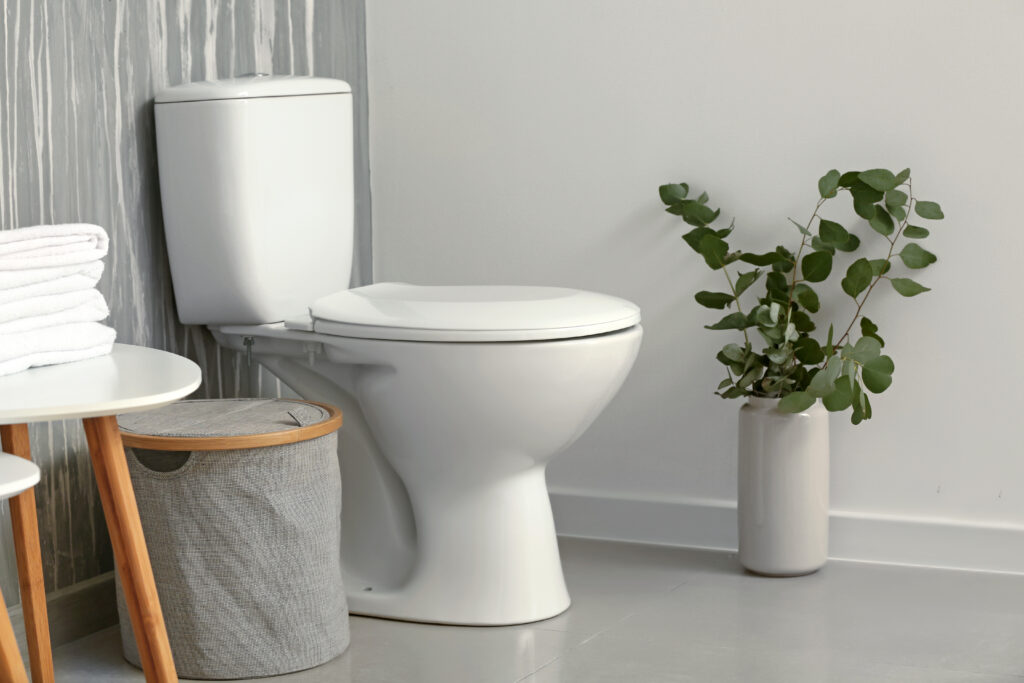
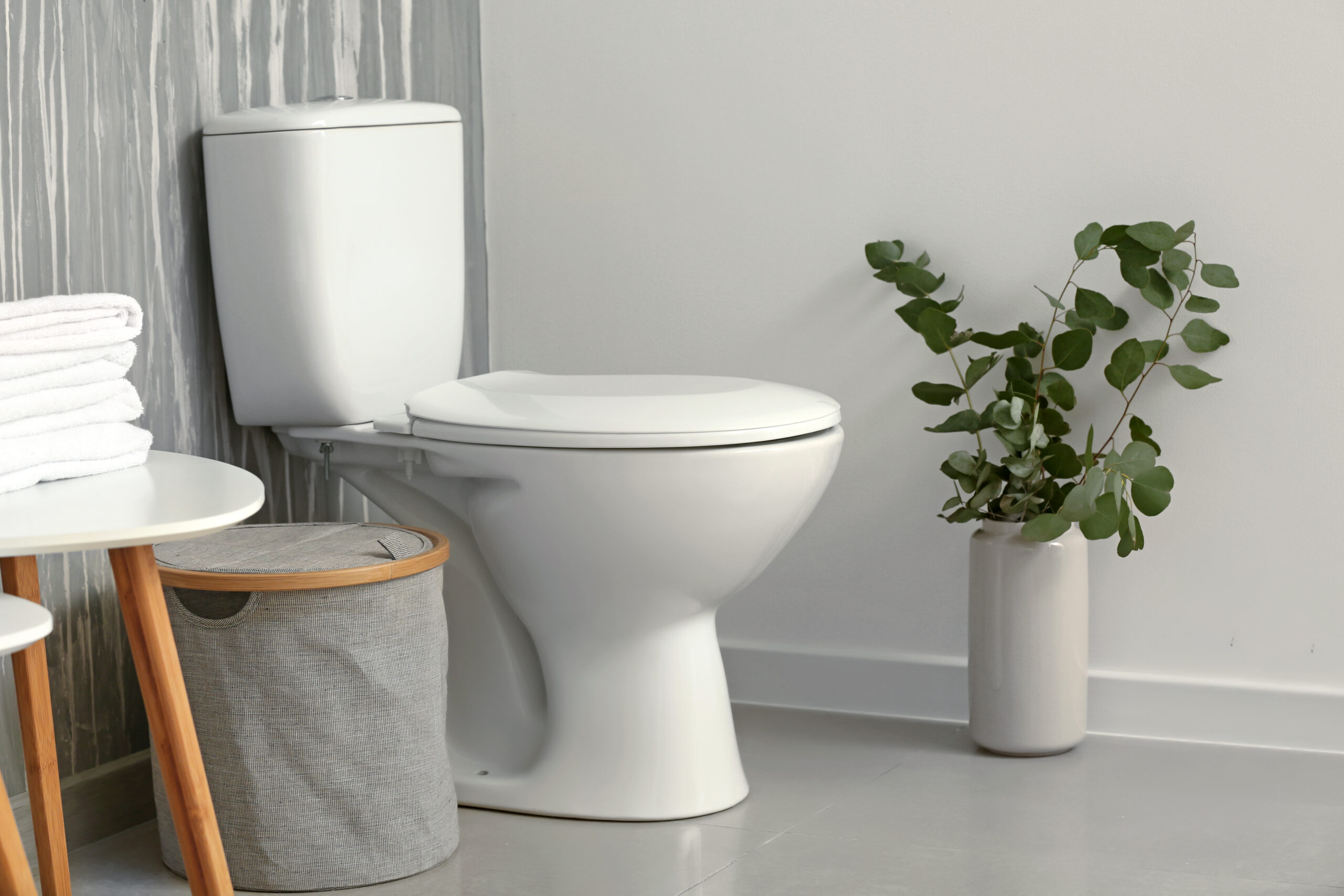
Before diagnosing a leak, it helps to understand the basic mechanics. A standard toilet has two main components: the tank and the bowl. When you flush, water from the tank rushes into the bowl, creating enough force to remove waste through the trapway and into your home’s drain system. The tank then refills through a supply valve. Once the water reaches a set level, a float mechanism signals the fill valve to shut off. A flapper at the bottom of the tank creates a seal that prevents water from continuously flowing into the bowl between flushes. When any one of these components fails, you end up with a leak — and not always an obvious one.
The Most Common Types of Toilet Leaks
Toilet leaks tend to fall into two categories: internal leaks and external leaks. An internal leak, sometimes called a silent leak, happens when water seeps from the tank into the bowl without any visible sign. An external leak is the more dramatic version — water escaping onto the floor around the base of the toilet or from the supply line connection. Both types have distinct causes and consequences, but either one deserves prompt attention. The internal variety is especially deceptive because it can waste hundreds of gallons of water per day while leaving no visible trace outside the toilet itself.
Signs Your Toilet Might Be Leaking
Some signs are subtle, others are hard to miss. Knowing what to look for puts you ahead of the problem before it escalates.
- Your water bill has increased without any obvious explanation
- You hear a hissing or running water sound even when the toilet has not been flushed recently
- The toilet randomly refills on its own, sometimes called ghost flushing
- There is visible water or moisture around the base of the toilet
- The floor around the toilet feels soft, spongy, or discolored
- There is a persistent musty or sewage-like odor near the toilet
- The toilet bowl has visible water movement or rippling when not in use
Any one of these signs warrants a closer look. Combining two or more should be treated as a fairly clear signal that something is off.
The Dye Test: A Simple and Effective Diagnostic
One of the easiest ways to confirm an internal toilet leak is the dye test. Place a few drops of food coloring or a dye tablet — available at most hardware stores — directly into the toilet tank. Do not flush. Wait about fifteen minutes, then check the bowl. If the color has migrated into the bowl without flushing, you have a confirmed internal leak, almost always caused by a faulty flapper. This is about as simple as home diagnostics get, and it costs almost nothing to perform. It is also surprisingly satisfying when you catch something that would have otherwise gone undetected for months.

Checking for External Leaks Around the Base
External leaks require a slightly different approach. Dry the area around the base of your toilet thoroughly with paper towels. Then flush the toilet and watch carefully. If water appears at the base immediately after flushing, the wax ring seal — which connects the toilet to the floor drain — is likely compromised. If the water appears only after sitting for a while without flushing, the issue may be condensation rather than a true leak. That said, condensation appearing frequently can also indicate that the toilet is running constantly, which circles back to an internal leak. Either way, moisture around the base is never something to simply wipe up and ignore.
What Causes Toilet Leaks in the First Place
Most toilet leaks trace back to a handful of recurring culprits. The flapper is statistically the most common cause — it degrades over time due to mineral buildup, age, or chemical cleaners placed in the tank. The fill valve can also wear out, causing the water level to rise above the overflow tube and continuously drain into the bowl. The supply line connecting the wall to the tank can crack or develop loose fittings, especially in older homes. The wax ring, which typically lasts for decades, can fail due to toilet movement, improper installation, or simple deterioration. Even a cracked tank or bowl, while less common, can be the source of moisture that keeps appearing no matter how many times the surrounding area is dried.
Why Acting Quickly Actually Matters
Toilet leaks seem minor in isolation. They are easy to rationalize as something to deal with next weekend. But the cumulative impact is real. A running toilet can waste between 200 and 700 gallons of water per day depending on the severity of the leak. Over a month, that adds up to thousands of gallons and a noticeably inflated utility bill. Beyond the water waste, an external leak can silently saturate the subfloor beneath the toilet, leading to structural damage, mold growth, and eventually a repair bill that dwarfs what a wax ring replacement would have cost. Treating a toilet leak as a low-priority nuisance is one of those homeowner habits that tends to get expensive over time.
Simple Repairs Versus When to Call a Professional
Some toilet repairs are genuinely within reach for a motivated homeowner. Replacing a flapper takes about ten minutes and costs under ten dollars. Adjusting the float arm or replacing a fill valve requires slightly more effort but is well within DIY territory with basic tools and a tutorial. However, issues like a failed wax ring, a cracked bowl or tank, or persistent leaks with no clear source are better handled by a licensed plumber. Attempting to reseat a toilet without proper technique can make the problem significantly worse, and a cracked porcelain component typically means full replacement rather than repair. Knowing when to call in a professional is not a concession — it is just smart home management.
How Armadillo Helps When Toilet Problems Turn Into Bigger Issues
Here is where things get practical. A toilet leak that advances into a plumbing failure or causes damage to connected systems is exactly the kind of situation where having a home warranty pays off. Armadillo home warranty coverage for plumbing systems and appliances is built specifically for moments like this — when a problem graduates from a weekend DIY fix into a repair that requires a professional and comes with a real price tag. Armadillo offers straightforward coverage that does not bury you in fine print, and the claims process is designed to be simple rather than frustrating. If you have been putting off thinking about what happens when something in your home breaks down beyond a basic fix, now is a reasonable time to start. You can get a free home warranty quote to protect against costly plumbing repairs in just a few minutes and find out what kind of coverage makes sense for your home and budget. Peace of mind is not a luxury — it is a reasonable expectation for any homeowner trying to stay ahead of the unexpected.

Frequently Asked Questions About Toilet Leaks
Answers to the questions homeowners ask most often about detecting, diagnosing, and dealing with toilet leaks.
How do I know if my toilet is leaking without calling a plumber?
The dye test is the most reliable self-diagnostic method. Add food coloring to the tank and wait fifteen minutes without flushing. If color appears in the bowl, you have an internal leak. For external leaks, dry the base thoroughly and observe what happens immediately after flushing.
Can a toilet leak raise my water bill significantly?
Yes. A leaking toilet can waste between 200 and 700 gallons per day depending on severity. Over a full billing cycle, this can add a meaningful amount to your monthly water costs, sometimes without any visible signs of a problem.
What is ghost flushing and what causes it?
Ghost flushing refers to the toilet tank refilling on its own without anyone flushing it. It is caused by water slowly leaking from the tank into the bowl, typically through a worn or misaligned flapper, until the water level drops enough to trigger the fill valve.
Is a leaking toilet considered a plumbing emergency?
Not always, but it depends on severity. A slow internal leak is a maintenance issue that should be addressed promptly but is not typically an emergency. A significant external leak, especially one involving the water supply line or wax ring, should be treated with more urgency to prevent subfloor damage.
How long does a toilet flapper typically last?
Most flappers last between four and eight years, though this varies based on water quality, chemical use in the tank, and the material of the flapper itself. Hard water and in-tank cleaning tablets tend to accelerate deterioration.
What is a wax ring and how do I know if it has failed?
A wax ring is a soft, pliable seal installed between the base of the toilet and the drain flange in the floor. When it fails, water typically appears around the base of the toilet during or after flushing. A sulfur or sewage odor can also indicate wax ring failure.
Can I replace a toilet flapper myself?
Yes. Replacing a flapper is one of the most accessible plumbing repairs a homeowner can perform. You turn off the water supply, drain the tank by flushing, remove the old flapper, and snap the new one into place. The entire process usually takes less than fifteen minutes.
Does a home warranty cover toilet leaks?
It depends on the specific policy and the nature of the leak. Many home warranty plans cover plumbing system components, including internal workings of the toilet. Coverage for secondary damage caused by a leak, such as flooring or subfloor damage, typically falls under homeowners insurance rather than a warranty plan.
How can I tell if the moisture around my toilet is a leak or just condensation?
Condensation typically forms on the exterior of the tank and drips down to the floor, especially in humid conditions. A true base leak will appear at floor level after flushing. If the moisture appears between flushes and seems connected to the tank surface, condensation is more likely the cause.
What happens if a toilet leak goes unrepaired for a long time?
Prolonged leaks can lead to elevated water bills, mold and mildew growth, rotting subfloor materials, and structural damage to the surrounding area. What begins as a minor flapper issue can eventually require flooring replacement or significant plumbing work if left unaddressed over months or years.