Lighting Your Home Without a Bulb Socket: What Every Homeowner Should Know
Most people assume that lighting a room starts and ends with a ceiling fixture and a screw-in bulb. That assumption makes a lot of sense — it is how most homes have been wired for decades. But what happens when there is no overhead socket, the existing wiring is outdated, or you are renting and cannot touch the electrical setup? The answer is simpler than you might think. There is an entire world of socket-free lighting solutions that can transform a dim, awkward room into something genuinely functional and well-designed. Understanding your options is the first step, and that is exactly what this guide is here to help with.
Why Some Rooms Lack Overhead Lighting in the First Place
It is surprisingly common. Older homes, particularly those built before the mid-twentieth century, were not always wired with ceiling outlets in every room. Bedrooms, basements, and finished attics are frequent offenders. In some cases, a room may have a switch-controlled outlet on the wall instead of a ceiling fixture — which is its own kind of puzzle if you did not know to look for it. The absence of a socket does not mean the room is broken or incomplete. It just means you need a different approach to illumination, and honestly, that opens up more creative possibilities than the standard overhead-light setup ever could.
Plug-In Pendant Lights and Swag Lamps
One of the most popular alternatives to hardwired overhead lighting is the plug-in pendant or swag lamp. These fixtures are designed to hang from a ceiling hook and plug directly into a standard wall outlet. The cord runs along the ceiling or wall — sometimes concealed in a cord cover for a cleaner look — and delivers the same visual effect as a hardwired fixture without any electrical work. They come in a wide range of styles, from industrial to minimalist to bohemian, and they can be moved if you rearrange the room. Installation takes less than an hour and requires no licensed electrician.
Battery-Powered and Rechargeable Light Fixtures
Battery-powered lighting has come a long way. Today’s options include everything from LED puck lights to rechargeable wall sconces that look indistinguishable from hardwired fixtures. Motion-sensor models are particularly useful in closets, hallways, and utility spaces. Some rechargeable fixtures even mimic the warm glow of traditional bulbs and last for weeks on a single charge. For spaces where running a cord to an outlet is impractical — think pantries, garages, or detached structures — battery and rechargeable options are genuinely excellent solutions that require zero electrical infrastructure.

Smart LED Strip Lights and Tape Lighting
LED strip lighting has become one of the most versatile tools in a homeowner’s arsenal. These adhesive-backed strips can be placed under cabinets, along shelving, behind televisions, inside closets, or along the perimeter of a ceiling to create indirect ambient lighting. Many versions are smart-home compatible, allowing for dimming, color temperature adjustments, and scheduling through a phone app. They plug into a standard outlet and require no special hardware. The light output is surprisingly strong for certain applications, and when used thoughtfully, they can layer beautifully with other light sources in a room that has no overhead socket at all.
Floor Lamps and Arc Lamps as Primary Light Sources
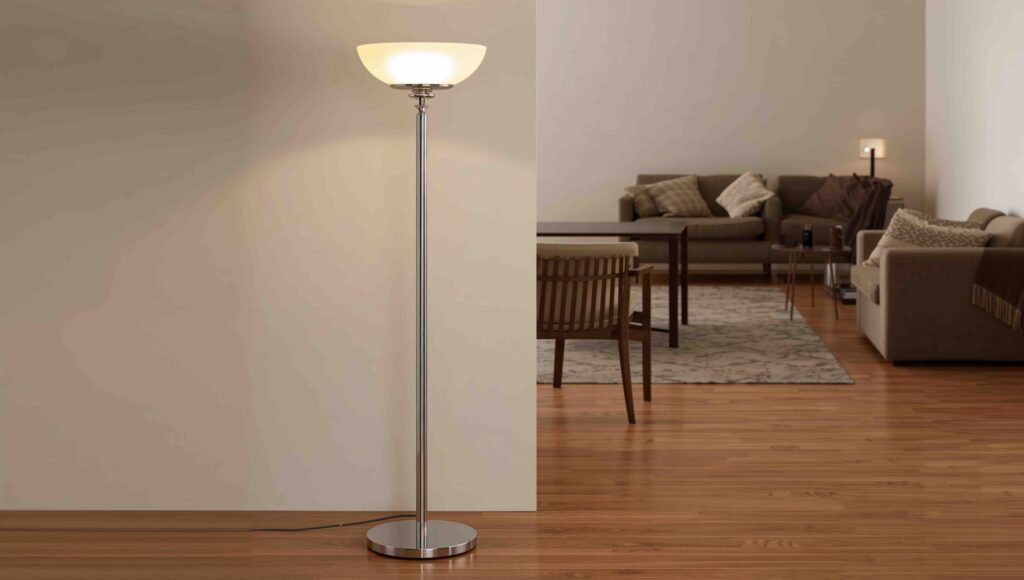
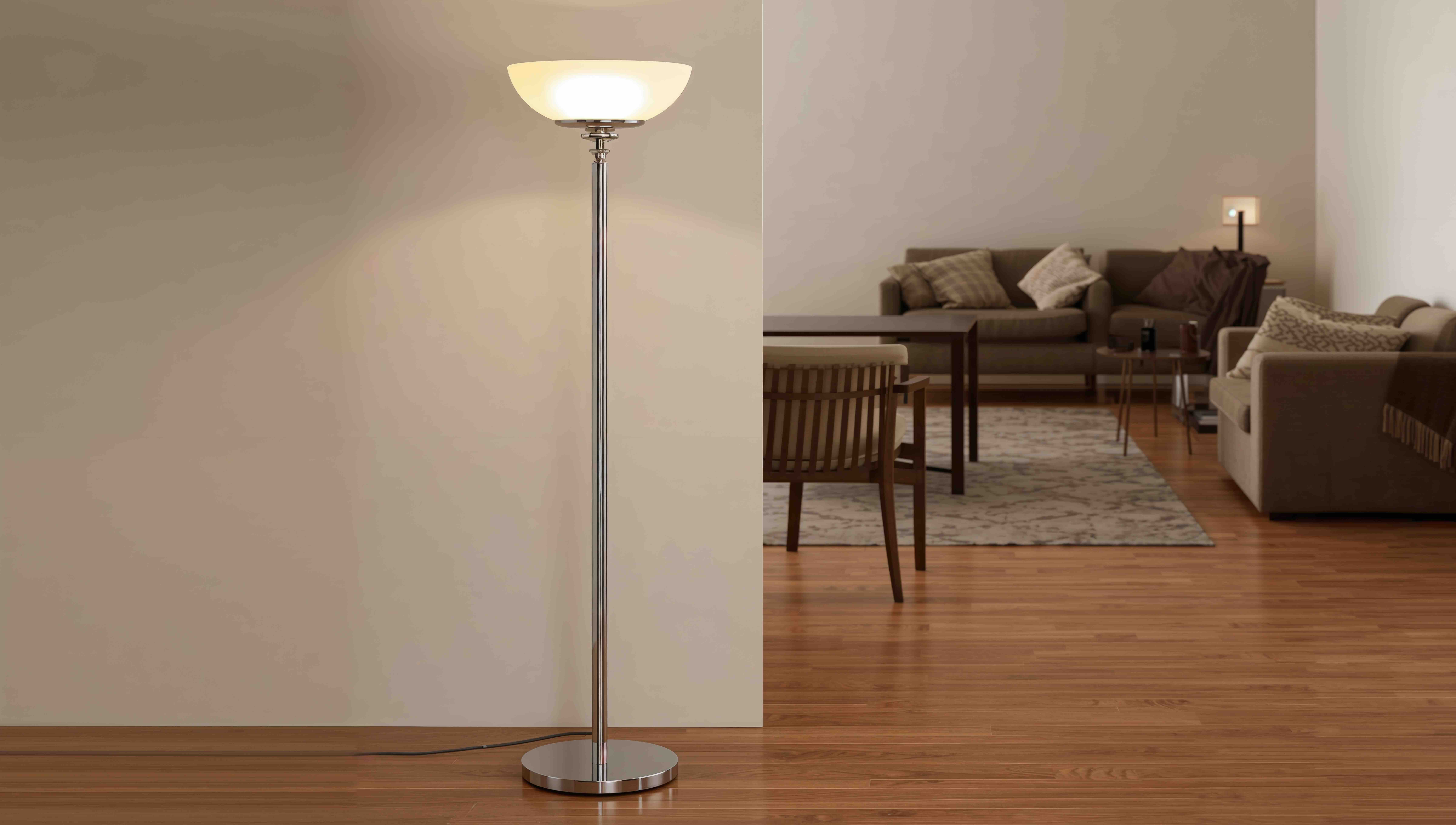
Do not underestimate what a well-placed floor lamp can accomplish. A high-quality arc lamp positioned to project light upward and outward can serve as the primary light source in a living room or bedroom. Torchiere-style floor lamps, which direct light toward the ceiling and allow it to bounce back into the room, are particularly effective at creating ambient light that feels overhead even when the source is not. When paired with a secondary table lamp or wall-mounted reading light, a floor lamp setup can fully replace a ceiling fixture in terms of both function and atmosphere.
Wall-Mounted Plug-In Sconces
Plug-in wall sconces are another underutilized option that deserve far more attention. They install with minimal hardware — typically just a mounting bracket and two screws — and plug into any standard outlet. The cord can be routed through a wall cord cover kit to achieve a cleaner, more finished look. In bedrooms, they serve as stylish alternatives to bedside table lamps. In hallways and living spaces, they add layered lighting that creates depth and warmth. Because they sit closer to eye level than ceiling fixtures, they also tend to produce less glare, which is something many people appreciate without quite knowing why.
Key Advantages of Socket-Free Lighting Solutions
- No electrical work required, which means no permits, no contractors, and no disruption to your daily routine
- Highly portable options allow you to take fixtures with you when you move
- Greater creative flexibility in how light is layered throughout a room
- Often more energy-efficient because LED technology is the standard in most socket-free products
- Works in rental properties where structural modifications are not permitted
Common Drawbacks to Be Aware Of
- Visible cords can be difficult to manage aesthetically without additional accessories
- Battery-powered fixtures require ongoing maintenance and replacement cycles
- Plug-in options depend on outlet placement, which may not always be ideal for the room layout
- Some high-output fixtures may draw significant power and affect outlet load, especially in older homes with limited circuits
- The cumulative cost of multiple fixtures can match or exceed a single professional lighting installation over time
How Armadillo Fits Into Your Home Lighting and Electrical Protection Plan
Here is something worth thinking about. When you start exploring socket-free lighting solutions, you often end up looking more closely at your home’s electrical infrastructure — the outlets, the wiring, the circuit load. And that inspection sometimes reveals things that are overdue for attention. Older wiring, tripped breakers, malfunctioning outlets — these are not cosmetic issues. They are home systems that can fail, and when they do, the costs can be significant. That is where a home warranty from Armadillo home protection plans for electrical systems and appliances becomes genuinely valuable. Armadillo offers straightforward, affordable coverage for the systems and appliances that keep your home running — including electrical components that might be strained by new lighting setups or outdated infrastructure. If you are already thinking about how to improve your home’s lighting and functionality, it is a natural moment to also think about protecting the systems beneath the surface. You can get a free home warranty quote for electrical and home system coverage in just a few minutes, and it is one of those decisions that tends to feel obvious in hindsight.

Frequently Asked Questions About Lighting a Room Without a Bulb Socket
Can I permanently light a room that has no ceiling fixture?
Yes. Plug-in pendant lights, floor lamps, wall sconces, and LED strip lighting can all serve as permanent lighting solutions without requiring a ceiling fixture or any electrical modifications.
Is it safe to use plug-in lighting as a primary light source?
In most cases, yes. Standard plug-in fixtures are designed for continuous use and comply with the same safety standards as hardwired products. Just ensure the fixture’s wattage does not exceed the outlet’s rated capacity.
What is the best lighting option for a room with no outlets near the ceiling?
Battery-powered or rechargeable LED fixtures are the most practical choice for areas where outlet access is limited. They require no wiring and can be mounted virtually anywhere.
How do I hide the cords from plug-in lighting?
Cord cover kits, which are available at most hardware stores, allow you to route cords along walls and paint them to match your interior. Some homeowners also use furniture placement and decorative elements to manage visible cords.
Do battery-powered lights provide enough brightness for a full room?
Battery-powered fixtures work best as accent or task lighting rather than a sole ambient source. For full-room illumination, combining multiple battery or rechargeable fixtures with reflective surfaces tends to produce better results.
Will adding multiple plug-in lighting fixtures overload my electrical system?
It depends on the circuit load in your home. LED fixtures draw very little power, but older homes with limited circuits should be assessed by a licensed electrician before adding multiple high-demand devices to a single circuit.
Can renters install plug-in sconces and pendant lights without violating lease terms?
Most plug-in fixtures require only small mounting hardware and leave minimal evidence of installation. However, tenants should always review their lease agreement and seek landlord approval before making any wall modifications.
Are smart LED strip lights compatible with all home automation systems?
Many smart LED strips work with popular platforms like Amazon Alexa, Google Home, and Apple HomeKit, but compatibility varies by brand. Always verify compatibility before purchasing if smart integration is a priority.
Does a home warranty cover electrical outlets and wiring that support lighting fixtures?
Coverage varies by provider and plan. Many home warranties do cover electrical systems including wiring and outlets, but it is important to review the specific terms of your plan to understand what is and is not included.
What is the most cost-effective way to light a room without a ceiling socket?
A combination of one quality arc or torchiere floor lamp for ambient light and one or two targeted LED task lamps typically offers the best balance of performance and cost for most room types.