What Is Carpet Freshener and Why Does It Matter for Your Home
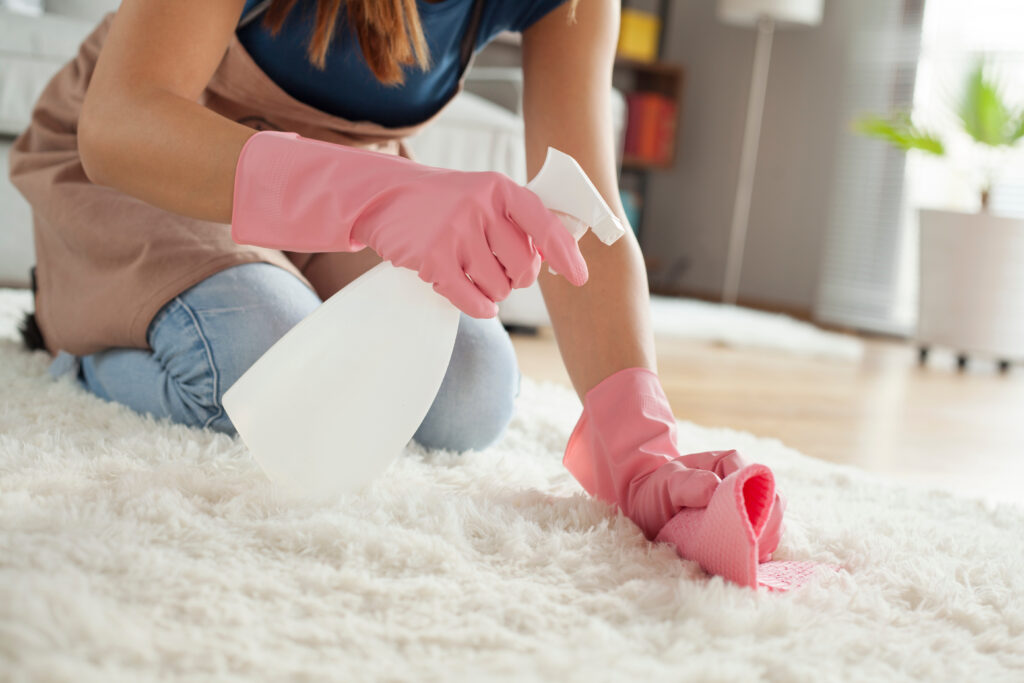
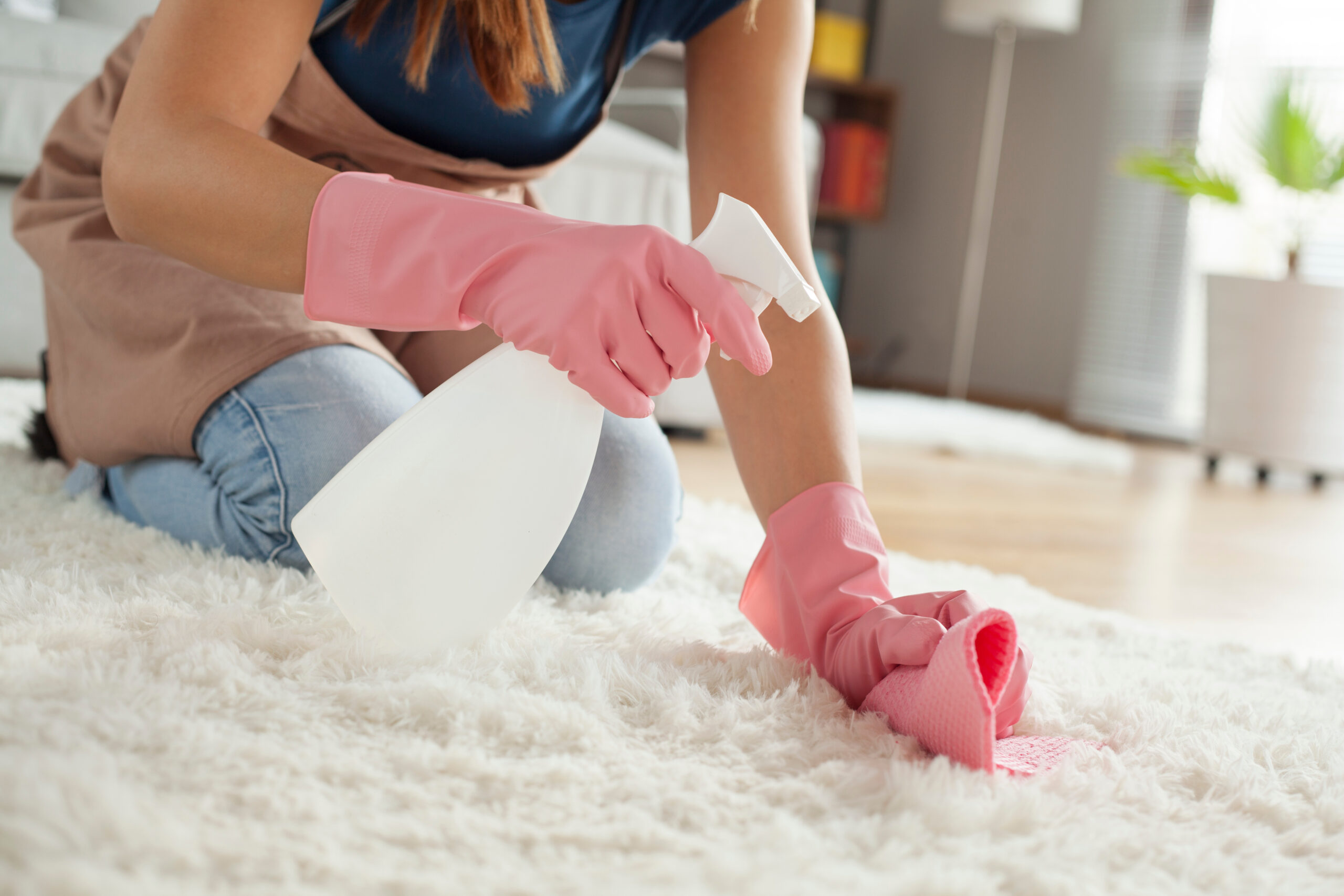
Carpet freshener is exactly what it sounds like — a product you apply to your carpet to neutralize odors, absorb moisture, and leave your floors smelling clean. Most people pick up a commercial version at the grocery store without a second thought, but there is a growing wave of homeowners making their own at home using simple pantry ingredients. And honestly, once you understand how it works, it makes a lot of sense. Your carpet is basically a giant air filter for your home. It traps dust, pet dander, food particles, moisture, and all the invisible things you would rather not think about. Over time, that accumulation creates odors that no amount of vacuuming alone will fix. That is where carpet freshener steps in.
How Homemade Carpet Freshener Actually Works
The science is pretty straightforward. Most DIY carpet freshener recipes center around baking soda, which is a natural odor absorber. Baking soda works by neutralizing acidic and basic odor molecules rather than just masking them. When you combine it with essential oils — lavender, eucalyptus, tea tree, citrus — you get a product that both eliminates and replaces odors with something genuinely pleasant. Some recipes also include cornstarch, which adds a bit of moisture absorption to the mix. You sprinkle the powder over your carpet, let it sit for fifteen to thirty minutes, and then vacuum it up. The baking soda has already done its work by then, pulling odor compounds out of the carpet fibers. It is a passive, low-effort process that requires almost no expertise to execute.
What You Need to Make Your Own Carpet Freshener
The ingredient list is short and inexpensive. Most of what you need is probably already in your home. Here is a breakdown of the standard components used in DIY carpet freshener recipes:
- Baking soda — the base and primary odor neutralizer
- Cornstarch — optional, adds moisture-absorbing properties
- Essential oils — for fragrance and, in some cases, antimicrobial benefits
- Dried herbs or ground spices — optional for texture and additional scent
- An airtight container with a shaker top or perforated lid for even distribution
A basic recipe uses about one cup of baking soda combined with fifteen to twenty drops of your preferred essential oil. Mix thoroughly, let it sit for a few minutes so the oil absorbs into the powder, and then transfer to your shaker container. That is genuinely all there is to it. The whole process takes about five minutes.
Key Advantages of Making Your Own Carpet Freshener
There are several reasons homeowners are gravitating toward the DIY approach, and they extend well beyond saving a few dollars. First, you have complete control over what goes into the product. Many commercial carpet fresheners contain synthetic fragrances and chemical compounds that can irritate respiratory systems, particularly in households with children, pets, or allergy sufferers. When you make your own, you know every single ingredient. Second, the cost difference is significant over time. Baking soda is inexpensive. Essential oils, while a bit more of an upfront investment, last for a long time when used in small quantities per batch. Third, you can customize the scent entirely to your preference and even switch it up seasonally — citrus in the summer, warm spice blends in the fall.
Common Drawbacks You Should Know About
This is not a perfect solution for every situation, and it is worth being honest about the limitations. Homemade carpet fresheners work best for routine maintenance and mild odors. If you are dealing with deep-set pet urine, mold beneath the carpet, or significant moisture damage, baking soda sprinkled on top is not going to resolve the underlying issue. It may temporarily reduce the smell, but it will return. Additionally, some essential oils can affect certain carpet materials or leave a slight residue if overused. Always test in an inconspicuous area first. Cornstarch, if used in large quantities, can also be difficult to fully vacuum out and may attract moisture over time in humid environments.

When DIY Freshener Points to a Bigger Home Problem
Here is something that does not get discussed enough. If you are reaching for carpet freshener every single week and the odors keep coming back despite consistent use, that is a signal worth paying attention to. Persistent carpet odors that resist treatment often point to something systemic — a slow plumbing leak beneath the subfloor, HVAC issues circulating stale air, or moisture intrusion that has compromised the padding underneath your carpet. These are not problems that baking soda can fix. They require professional diagnosis, and in some cases, they fall under the umbrella of home systems coverage.
How Your HVAC System Connects to Indoor Odors
Your heating and cooling system plays a larger role in carpet freshness than most homeowners realize. When air ducts accumulate dust, pet hair, or mold spores, your HVAC system distributes those particles throughout your home every time it runs. Those particles settle into your carpet and contribute to persistent odors. Keeping your HVAC filters changed regularly — typically every thirty to ninety days depending on household conditions — and scheduling annual duct cleaning can meaningfully reduce the odor burden your carpet carries. It is one of those maintenance habits that sounds minor but has a noticeable impact on overall indoor air quality.
Practical Tips for Getting the Most Out of Your Carpet Freshener Routine
Consistency matters more than quantity here. A light, regular application works better than an occasional heavy dusting. Here are the habits that produce the best results over time:
- Apply carpet freshener before vacuuming, not after, so the vacuum picks up the powder and everything it has absorbed
- Let the powder sit for at least fifteen minutes — longer for stronger odors
- Vacuum slowly and in multiple directions to pull up as much residue as possible
- Store your homemade blend in a sealed container away from humidity to preserve its effectiveness
- Refresh your essential oil ratio every few batches, as the scent concentration can diminish over time in stored powder
What Home Warranty Coverage Has to Do With Your Floors
This is where things get practical in a different way. If your carpet freshener routine is masking an odor that originates from a covered home system — a leaking pipe, a malfunctioning water heater, a failing HVAC unit — a home warranty could potentially offset the cost of repair or replacement. Home warranties are designed to cover the breakdown of major home systems and appliances due to normal wear and tear. So if the reason your carpet smells is a plumbing issue hiding under your flooring, that repair might be covered under a plan. Understanding the connection between surface-level symptoms and underlying system failures is a core part of being a proactive homeowner.
If you are looking for reliable, straightforward home warranty coverage that actually supports homeowners dealing with real system failures, Armadillo home warranty plans for comprehensive home system protection are built with exactly that kind of practicality in mind. Armadillo covers the systems most likely to create the underlying issues that show up first as odors, moisture, or air quality concerns in your home. When something goes wrong beneath the surface, having coverage in place makes the difference between a manageable repair and an unexpected financial hit. You can take a few minutes right now and get a free home warranty quote for carpet-related system damage coverage to see what a plan would look like for your specific home.

Frequently Asked Questions About Homemade Carpet Freshener and Home Care
Answers to the most common questions homeowners have about DIY carpet freshener, carpet odor causes, and when home systems become part of the conversation.
Is homemade carpet freshener safe for pets?
Baking soda in small quantities is generally considered safe for pets, but certain essential oils can be toxic to cats and dogs. Tea tree, eucalyptus, and citrus oils are among the most commonly flagged. Always research the specific oils you plan to use and consult your veterinarian if you have concerns about your pet’s sensitivity.
How often should I use carpet freshener?
Once every one to two weeks is sufficient for most households. High-traffic areas or homes with pets may benefit from more frequent application. Overusing it, particularly with cornstarch in the mix, can leave residue buildup that eventually affects carpet texture.
Can carpet freshener remove pet urine odor completely?
Not on its own. Pet urine penetrates through carpet fibers into the padding and sometimes the subfloor beneath. Carpet freshener can reduce surface odor temporarily, but enzymatic cleaners specifically formulated for urine are needed for effective treatment at the source.
What essential oils work best in homemade carpet freshener?
Lavender, lemon, peppermint, and cedarwood are popular choices for their scent profiles and general safety. Lavender and cedarwood have mild insect-repelling properties as an added benefit. Choose oils based on personal preference and any household sensitivities.
Will baking soda damage my carpet?
When used in appropriate quantities and vacuumed up thoroughly, baking soda does not damage carpet fibers. Leaving it on for extended periods, such as overnight, can sometimes cause it to work into the base of the carpet and become harder to remove completely.
Why does my carpet smell even after using freshener regularly?
Recurring odors that resist treatment usually point to a source beneath the carpet surface. Common causes include moisture trapped in the padding, a slow leak from plumbing, HVAC air quality issues, or mold growth. These require professional inspection rather than additional surface treatment.
Can I use carpet freshener on all carpet types?
Baking soda-based fresheners work on most standard carpet types, but delicate or natural fiber carpets such as wool may react differently. Always test a small, hidden area first and check the manufacturer care instructions for your specific carpet.
Does a home warranty cover carpet damage from plumbing leaks?
A home warranty typically covers the repair or replacement of the failed system — such as the plumbing component that caused the leak — rather than the resulting property damage like carpet. Homeowners insurance generally handles damage caused by a covered system failure. Understanding how both policies work together is important for comprehensive home protection.
How do I store homemade carpet freshener so it stays effective?
Store it in an airtight glass jar or a container with a tight-fitting lid, away from humidity and direct sunlight. Moisture is the primary enemy of baking soda-based blends, as it causes clumping and reduces the powder’s odor-absorbing effectiveness. Properly stored batches generally stay effective for two to three months.
Are there carpet freshener recipes that also help with dust mites?
Some essential oils, particularly eucalyptus and clove, have properties that may help deter dust mites when used consistently. However, carpet freshener alone is not a substitute for regular vacuuming with a HEPA filter, which is the most effective tool for reducing dust mite populations in carpet fibers.