Why Modernizing Your Fireplace Is One of the Smartest Home Upgrades You Can Make
There is something almost instinctive about a fireplace. It pulls people in, anchors a room, and creates the kind of atmosphere that no amount of mood lighting can replicate. But here is the honest truth — a lot of fireplaces in homes today are outdated, inefficient, and frankly more decorative than functional. If yours falls into that category, modernizing it might be one of the most rewarding home improvement projects you tackle this year. And if you are thinking about what happens when things go wrong with your home systems after the renovation dust settles, that is where understanding your home warranty coverage becomes equally important.
What Does It Actually Mean to Modernize a Fireplace
Modernizing a fireplace does not necessarily mean gutting everything and starting from scratch. For some homeowners, it means converting a wood-burning fireplace to a gas insert. For others, it means installing an electric fireplace unit into an existing opening, updating the surround and mantel, adding a blower system for heat distribution, or improving the hearth aesthetic with new tile or stone. The scope of the project really depends on what you are starting with and what you want to end up with. A dated brick surround with a cracked firebox can become a sleek, energy-efficient gas fireplace with a clean-lined stone surround — and that transformation does not have to take weeks or cost a fortune if you approach it with a clear plan.
The Most Popular Fireplace Modernization Options for Homeowners
Understanding your options is the first step toward making a good decision. Each modernization path has its own set of trade-offs, and what works beautifully in one home may not suit another.
- Gas fireplace inserts: These slide directly into an existing wood-burning firebox and connect to a gas line. They offer consistent heat output, easy ignition, and low maintenance compared to traditional wood fires.
- Electric fireplace units: A strong option for spaces without existing gas lines or chimneys. Electric models plug into standard outlets and offer flame effects without actual combustion.
- Ethanol fireplaces: These are ventless, require no gas line or chimney, and burn clean. They are more of a design statement than a primary heat source.
- Surround and mantel upgrades: Even without touching the firebox itself, replacing an outdated brick surround with marble, quartz, shiplap, or modern tile can transform the entire look of the room.
- Blower and insert upgrades: Adding a blower to an existing fireplace dramatically improves heat circulation and efficiency without a full overhaul.
How a Gas Fireplace Insert Works and Why Homeowners Love It
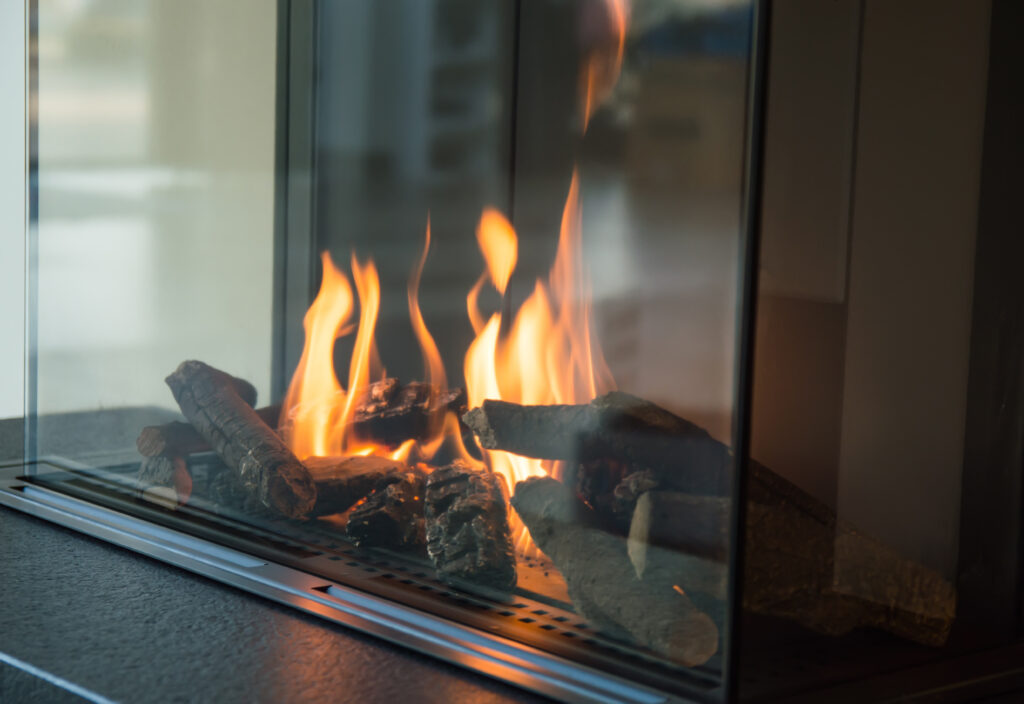
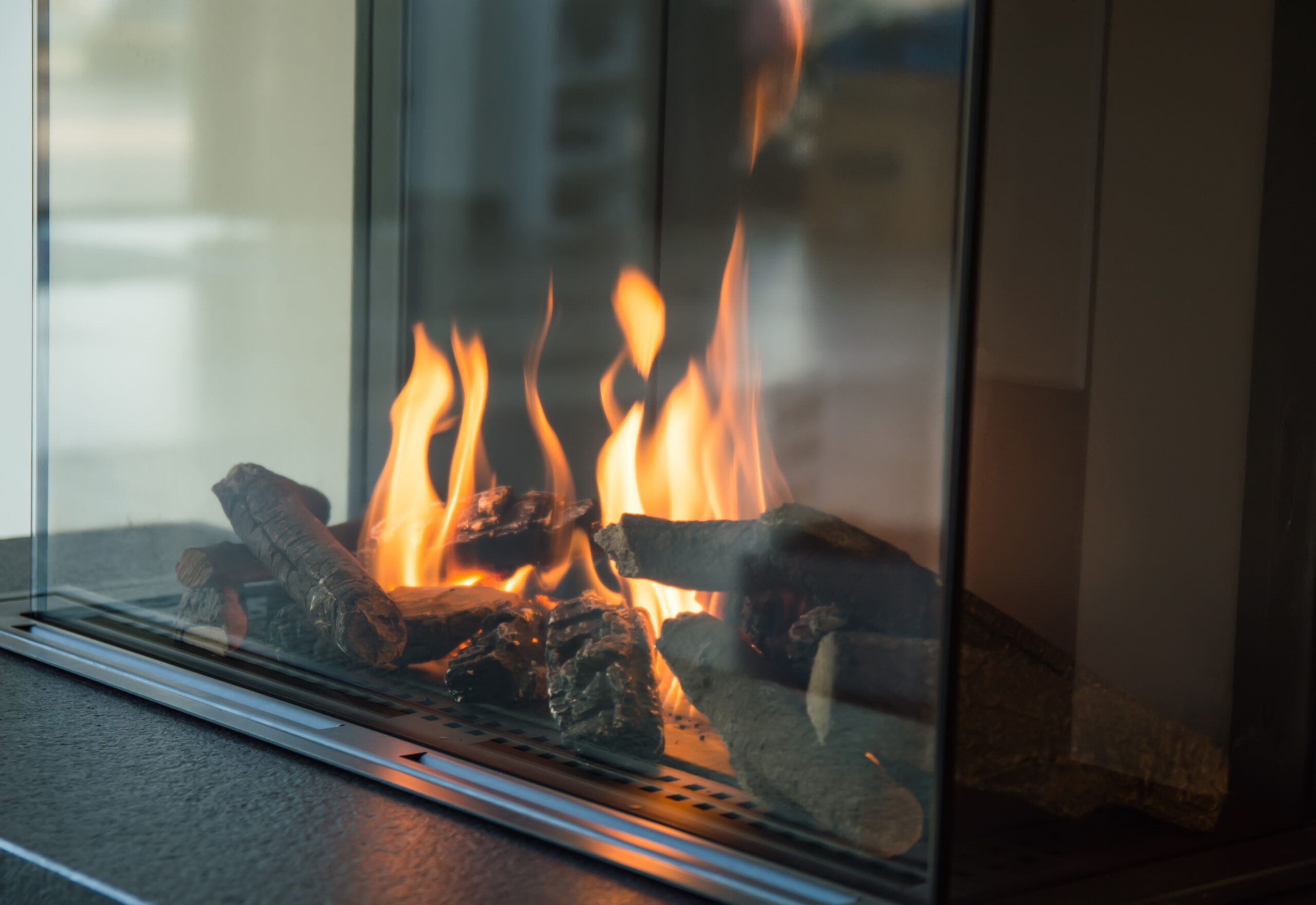
The gas fireplace insert is the most popular modernization choice for good reason. It works by fitting a self-contained firebox unit directly into your existing masonry or prefabricated fireplace opening. The unit connects to your home’s natural gas or propane supply, and a sealed combustion system draws in outside air and vents exhaust safely through a flexible liner inserted into your existing chimney flue. The result is a fire that you can start with a wall switch or remote control, with no wood to haul, no ash to clean, and no chimney maintenance required beyond an annual inspection. Heat output is measured in BTUs, and a quality gas insert can heat a medium-to-large room effectively — something a traditional wood-burning fireplace rarely does efficiently because so much heat escapes up the chimney.
Key Advantages of Updating Your Fireplace
The benefits of modernizing your fireplace extend well beyond aesthetics, though those matter too. A refreshed fireplace instantly increases the visual appeal of the room it anchors, which can positively affect your home’s resale value. Beyond curb appeal, the practical advantages are significant. Modern gas and electric units are far more energy-efficient than open-hearth wood fires. They heat rooms more effectively, give you precise temperature control, and reduce the risk of indoor air quality issues associated with wood smoke. Maintenance demands drop considerably — no creosote buildup in the flue, no ash removal, no splitting or storing firewood. For families with young children or pets, sealed glass fronts on gas inserts also eliminate the open-flame hazard that traditional fireplaces present.

Common Drawbacks to Consider Before You Start
No home improvement project is without its complications, and fireplace modernization is no exception. The costs can add up quickly — a quality gas insert with professional installation can run anywhere from two thousand to five thousand dollars or more depending on your location and the complexity of the job. If your home does not have an existing gas line nearby, extending one adds to both cost and project timeline. Electric fireplaces are more affordable upfront but lack the raw heat output of gas units and may feel less authentic to homeowners who love a real flame. Ventless options, while convenient, are not permitted in all municipalities and can introduce moisture and combustion byproducts into your living space if not sized and used correctly. Always check local building codes before committing to a specific approach.
How to Plan Your Fireplace Modernization Project the Right Way
Before you purchase a single tile sample or request an installer quote, take stock of your existing fireplace setup. Have a certified chimney professional — a CSIA-certified sweep — inspect the firebox, flue, and overall structure. This tells you what you are working with and prevents expensive surprises mid-project. Next, establish a realistic budget that includes materials, labor, permits if required, and a contingency buffer of around fifteen percent for unexpected issues. Research local contractors who specialize in fireplace installation rather than general contractors who occasionally do the work. Get at least three quotes and ask for references. Finally, think about the end goal: is this primarily about aesthetics, heat efficiency, convenience, or a combination? Clarity on that question will guide every decision that follows.
What Home Warranties Typically Cover When It Comes to Fireplaces
Once your modernized fireplace is up and running, it becomes a functional home system — and like any system in your home, things can eventually break down. This is where a home warranty enters the picture. Home warranty plans vary widely in what they cover, and fireplaces are a nuanced category. Many standard plans cover built-in components of gas fireplaces, such as the igniter, pilot assembly, thermocouples, and gas valves. Some plans extend that coverage to the blower motor and internal electrical components of electric units. What is typically excluded includes the physical structure — the firebox surround, chimney, flue liner — along with cosmetic damage and issues resulting from improper installation. Always read the fine print of any home warranty plan carefully, and ask specifically how fireplaces and fireplace inserts are classified in their coverage documentation.
Maintenance Tips That Keep Your Modern Fireplace Running Smoothly
A modernized fireplace is significantly lower maintenance than a traditional wood-burning setup, but it is not maintenance-free. For gas inserts, schedule a professional inspection once a year to check the venting system, clean the burner assembly, verify the ignition system is functioning correctly, and confirm that the glass panel seal is intact. Keep the glass clean using a fireplace-rated cleaner — standard glass cleaners can leave residue that burns and discolors. For electric units, dust the interior components periodically and check that the heating element is working efficiently. Regardless of the type of fireplace you have, keep the area around the hearth clear of flammable materials, and test any carbon monoxide detectors near the fireplace zone seasonally. These small habits protect both your investment and your household.
Why Armadillo Is the Home Warranty Partner Your Modernized Home Deserves
You have put real thought — and real money — into modernizing your fireplace. That kind of investment deserves protection that actually shows up when something goes wrong. Armadillo offers straightforward, homeowner-first home warranty coverage built for people who take their homes seriously. Unlike plans buried in confusing exclusions and call-center runarounds, Armadillo keeps things clear, responsive, and fair. Whether it is your gas fireplace insert, your HVAC system, or your kitchen appliances, Armadillo is designed to be the kind of coverage you can actually rely on. If you are evaluating your options, explore Armadillo’s home warranty plans for modern home systems to see how the coverage aligns with what you have built. When you are ready to take action, get a personalized home warranty quote for your upgraded fireplace and home in just a few minutes. Protecting a home you have worked to improve should never feel complicated.

Frequently Asked Questions About Modernizing a Fireplace
Real questions from real homeowners — answered clearly and without the runaround.
How much does it cost to modernize a fireplace?
Costs vary depending on the type of modernization. Cosmetic upgrades like a new surround or mantel can run between five hundred and two thousand dollars. A gas fireplace insert with professional installation typically costs between two thousand and five thousand dollars. Full fireplace conversions or custom builds can exceed ten thousand dollars.
Is a gas fireplace insert worth it?
For most homeowners, yes. Gas inserts offer significantly better heat efficiency than open-hearth wood fires, require far less maintenance, and provide the convenience of on-demand ignition. The upfront cost is typically offset by long-term fuel savings and reduced chimney maintenance expenses.
Can I convert a wood-burning fireplace to gas without a chimney liner?
No. A certified flexible flue liner must be installed inside the existing chimney to safely vent combustion gases from a gas insert. Installing an insert without a proper liner is a safety hazard and likely a code violation in most jurisdictions.
Do electric fireplaces actually heat a room?
Electric fireplaces can heat a small to medium-sized room effectively. Most units produce between four thousand and five thousand BTUs of heat, which is sufficient for spaces up to approximately four hundred square feet. They are not designed to serve as a primary heat source for larger areas.
Will modernizing my fireplace increase my home’s value?
A well-executed fireplace modernization can positively impact resale value, particularly when the update improves both aesthetics and functionality. Real estate professionals consistently cite fireplaces as desirable features, and a modern, efficient unit is more appealing to buyers than an outdated or non-functional one.
Does a home warranty cover a gas fireplace insert?
Many home warranty plans cover functional components of gas fireplace inserts, including the igniter, thermocouple, gas valve, and pilot assembly. Coverage varies by provider and plan, so it is important to review the specific terms and ask your provider directly how fireplace inserts are classified.
How often does a modernized gas fireplace need to be serviced?
A gas fireplace insert should be inspected and serviced by a qualified technician once a year. Annual service typically includes cleaning the burner, checking the venting system, verifying ignition components, and inspecting the glass seal to ensure the unit operates safely and efficiently.
Are ventless fireplaces safe to use indoors?
Ventless fireplaces are generally considered safe when properly sized for the room and used as directed. However, they are not permitted in all states or municipalities, and they do introduce some combustion byproducts and moisture into the living space. Always verify local regulations and consult a professional before installing a ventless unit.
What is the difference between a fireplace insert and a fireplace surround?
A fireplace insert is the functional firebox unit that fits inside an existing fireplace opening and connects to a fuel source. A fireplace surround is the decorative framing around the fireplace opening, including the mantel and hearth facing. These are separate components, and modernizing one does not require updating the other.
Can I install a modern fireplace myself?
Cosmetic updates like painting a surround or installing tile can be DIY-friendly for experienced homeowners. However, any work involving gas lines, venting systems, or electrical components should be performed by licensed professionals. Improper installation creates serious safety risks and may void manufacturer warranties or home warranty coverage.