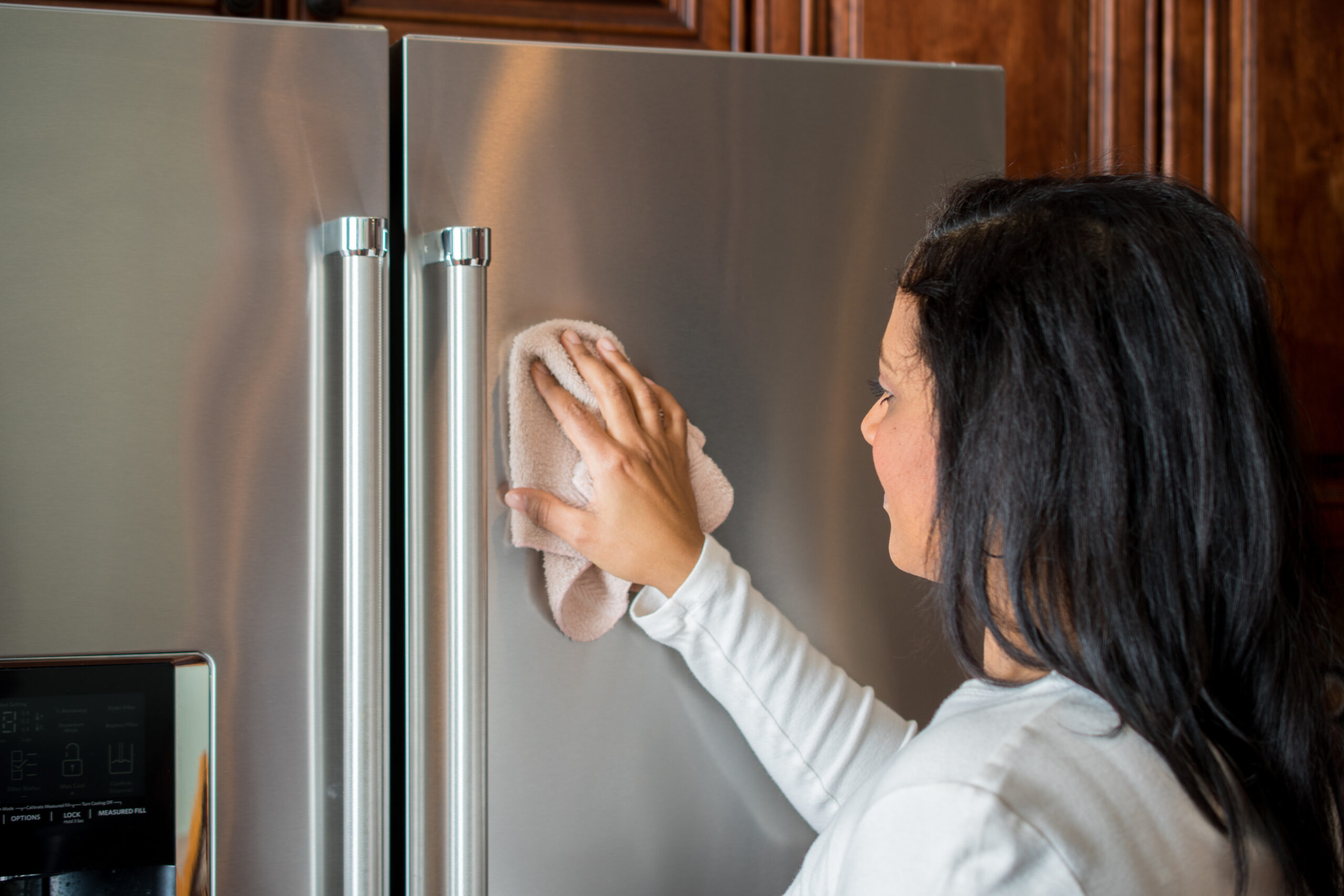
Why Your Stainless Steel Refrigerator Looks Dull — And What to Do About It
Stainless steel refrigerators are one of those kitchen investments that feel worth every penny — right up until the fingerprints show up. And the smudges. And that weird hazy film that appears out of nowhere a few months in. If your fridge has lost its showroom shine, you are not alone. Polishing stainless steel is one of those tasks that sounds simple but has a surprising number of ways to go wrong. Done correctly, though, it can genuinely transform the look of your kitchen. This guide walks through everything you need to know — from understanding how stainless steel actually works to building a maintenance routine that keeps your appliance looking its best for years.
What Makes Stainless Steel Different From Other Appliance Finishes
Stainless steel is not just a finish painted on top of a surface. It is an alloy — typically iron mixed with chromium and other metals — that forms a thin, invisible oxide layer on its surface called a passive layer. That layer is what gives the metal its corrosion resistance and that clean, reflective look. The challenge is that this layer is delicate. Harsh chemicals, abrasive scrubbing, and even certain types of water can damage it, leaving the surface looking cloudy, scratched, or discolored. This is why how you clean and polish stainless steel matters as much as how often you do it.
Gathering the Right Supplies Before You Start
Before reaching for the nearest paper towel and dish soap, it helps to know what actually works on stainless steel surfaces. Using the wrong materials is one of the most common reasons people end up with more damage than they started with. Here is what you will want to have on hand before getting started:
- Microfiber cloths — soft, non-abrasive, and ideal for both cleaning and buffing
- Dish soap or a mild stainless steel cleaner
- White vinegar or rubbing alcohol for cutting through grease and streaks
- Mineral oil, baby oil, or a dedicated stainless steel polish
- Warm water in a spray bottle
Avoid steel wool, rough sponges, bleach-based products, and anything containing chlorine. These can scratch the surface or break down the passive layer entirely, leading to rust spots and permanent dullness.
Understanding the Grain — The Step Most People Skip
Here is something that makes a real difference and almost never gets mentioned in quick cleaning guides: stainless steel has a grain, similar to wood. If you look closely at your refrigerator panel, you will notice faint lines running in one direction. Always clean and polish in the direction of that grain — never against it or in circular motions. Scrubbing against the grain creates micro-scratches that scatter light instead of reflecting it, which is exactly what causes that dull, streaky look. Taking thirty seconds to identify the grain direction before starting can save you a lot of frustration later.

Step-by-Step Guide to Polishing Your Stainless Steel Refrigerator
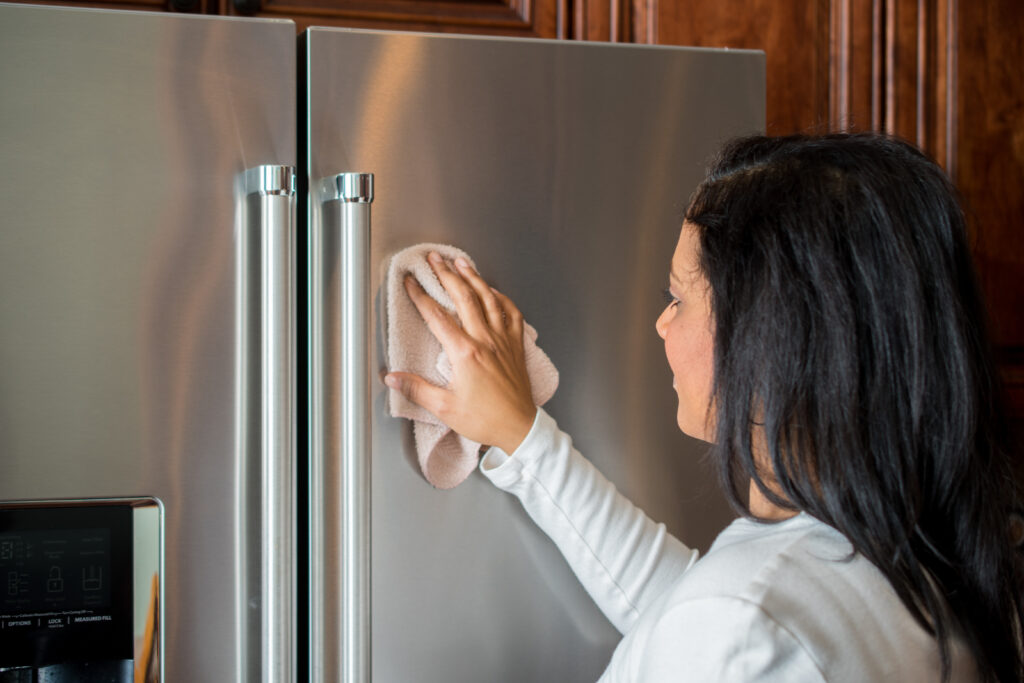
Now for the actual process. Start by wiping down the surface with a damp microfiber cloth and a small drop of dish soap to remove any loose debris, food residue, or surface grease. Rinse by wiping with a clean damp cloth, then dry immediately — water left sitting on stainless steel can cause water spots and mineral deposits. Once the surface is clean and dry, apply a small amount of white vinegar using a microfiber cloth, working in the direction of the grain. This helps cut through any remaining haze or oil film. Follow that with a light application of mineral oil or a dedicated stainless steel polish, again following the grain. Buff gently until the surface shines. The oil also acts as a light barrier against future fingerprints, which is an added bonus that makes the next cleaning session much easier.
Common Polishing Mistakes That Damage Your Appliance
Even with good intentions, it is easy to inadvertently make things worse. One of the most frequent mistakes is using too much product — a little mineral oil goes a long way, and applying too much leaves a greasy residue that attracts more dust and debris. Another common error is using paper towels, which are rougher than they seem and can leave fine scratches over time. Skipping the cleaning step and going straight to polishing is also problematic, because polishing over grime traps particles against the surface and can grind them in during buffing. Finally, using generic household cleaners that contain ammonia or bleach can strip the passive layer and actually accelerate corrosion rather than prevent it.
How Often Should You Polish a Stainless Steel Refrigerator
This depends on your household, but a reasonable baseline is a light wipe-down with a microfiber cloth every few days to manage fingerprints and smudges, a more thorough cleaning with a mild cleaner once a week, and a full polish with mineral oil or a commercial polish once a month. Homes with children, pets, or heavy kitchen activity may need to polish more frequently. The good news is that once you have built the habit and gathered the right supplies, the full polishing process takes less than fifteen minutes. Consistent maintenance is always easier and less costly than trying to restore a surface that has been neglected for months.
Advantages of Keeping Your Stainless Steel Refrigerator Polished
Beyond the obvious aesthetic benefit, regular polishing actually extends the functional life of your appliance’s exterior. Maintaining the passive layer through proper care reduces the risk of surface rust, pitting, and discoloration that can become permanent if left unaddressed. A well-maintained exterior also holds its resale value better — something worth considering if you ever plan to sell your home or upgrade to a new appliance. Polished stainless steel is also easier to clean going forward because the light oil coating resists everyday smudges and makes them wipe off with far less effort.
When Polishing Is Not Enough — Signs of Deeper Issues
Sometimes what looks like a polishing problem is actually a sign of something more serious. Deep scratches that have broken through the passive layer, rust spots that have formed beneath the surface, or persistent discoloration that does not respond to cleaning and polishing may indicate damage that requires professional attention or appliance repair. In some cases, particularly with older refrigerators, these visible signs can coincide with internal issues — compressor performance changes, inconsistent cooling, or unusual noises. It is worth paying attention to both the outside and inside of your appliance, since neglecting either one can lead to larger problems down the road.
How a Home Warranty Protects the Appliance Underneath That Polished Finish
Keeping the outside of your refrigerator looking great is satisfying, but the real concern for most homeowners is what happens when something breaks on the inside. Refrigerators are among the most used appliances in any home, and when the compressor fails, the ice maker stops working, or the cooling system starts acting up, repair bills can climb quickly. That is where a home warranty becomes genuinely valuable. Armadillo home warranty coverage for kitchen appliances and major home systems is designed to protect homeowners from those unexpected, budget-disrupting repair costs. Armadillo offers straightforward plans with no confusing fine print, making it easy to understand exactly what is covered before something goes wrong. If you have been putting off getting covered, now is a reasonable time to reconsider — especially since refrigerator repairs are not cheap. You can get a free home warranty quote that covers your refrigerator and other essential appliances in just a few minutes, and have real peace of mind the next time your fridge starts making that strange noise.

Frequently Asked Questions About Polishing a Stainless Steel Refrigerator
Can I use olive oil to polish my stainless steel refrigerator?
Olive oil can work in a pinch, but it is not recommended for regular use because it can go rancid over time and leave an unpleasant odor. Mineral oil or baby oil are more stable options that will not break down on the surface.
Why does my stainless steel refrigerator look streaky after I clean it?
Streaking usually happens when you clean against the grain, use too much product, or do not fully buff the polish out before it dries. Always work in the direction of the grain and use a clean, dry microfiber cloth for the final buffing pass.
Is WD-40 safe to use on a stainless steel refrigerator?
WD-40 can remove stubborn smudges and add a temporary shine, but it is a petroleum-based product that attracts dust and may leave a residue. It is not ideal for regular use, though it can be helpful for occasional spot treatment.
How do I remove rust spots from a stainless steel refrigerator?
Light surface rust can often be addressed with a paste made from baking soda and water, applied gently in the direction of the grain. For deeper rust, a dedicated stainless steel rust remover may be needed, and persistent spots may warrant a professional evaluation.
Does polishing a stainless steel refrigerator actually protect it?
Yes. A light coating of mineral oil helps maintain the passive layer on the steel’s surface, which resists corrosion and makes it harder for smudges and moisture to adhere. It is both a cosmetic and protective step.
Can I use glass cleaner on my stainless steel refrigerator?
Many glass cleaners contain ammonia, which can damage the surface of stainless steel over time. It is safer to use a dedicated stainless steel cleaner or a diluted white vinegar solution instead.
How do I tell which direction the grain runs on my refrigerator?
Look at the surface closely in good lighting and tilt it slightly. You will see faint parallel lines running either horizontally or vertically across the panel. Those lines indicate the grain direction, and that is the direction you should always clean and buff.
Will a home warranty cover damage to the exterior finish of my refrigerator?
Most home warranties, including standard appliance coverage plans, focus on mechanical and electrical failures rather than cosmetic damage. Surface scratches, dents, or discoloration are typically not covered, but internal component failures like compressor issues generally are.
How do I prevent fingerprints from showing up so quickly on my stainless steel fridge?
After polishing, apply a thin, even coat of mineral oil and buff it thoroughly. This creates a light protective barrier that significantly reduces fingerprint visibility and makes future cleaning much faster.
What is the best commercial product for polishing a stainless steel refrigerator?
Products specifically formulated for stainless steel appliances, such as Bar Keepers Friend, Weiman Stainless Steel Polish, or TriNova Stainless Steel Cleaner, are widely trusted and effective. Always follow product directions and test on a small, inconspicuous area first.