Understanding and Preventing Blocked Washing Machine Drains: A Homeowner’s Guide
A blocked washing machine drain is one of those household issues that starts simple and escalates fast. At first, it might just take a little longer for your washer to drain. Soon enough, your laundry room can smell sour, the machine may stop mid-cycle, and you’re suddenly stuck cleaning up water from the floor. As a homeowner, understanding how washing machine drainage works, what causes blockages, and how to prevent or resolve them is more than just convenient—it’s essential for protecting your home and plumbing. And if you’re backed by a home warranty? Even better.
How a Washing Machine Drainage System Works
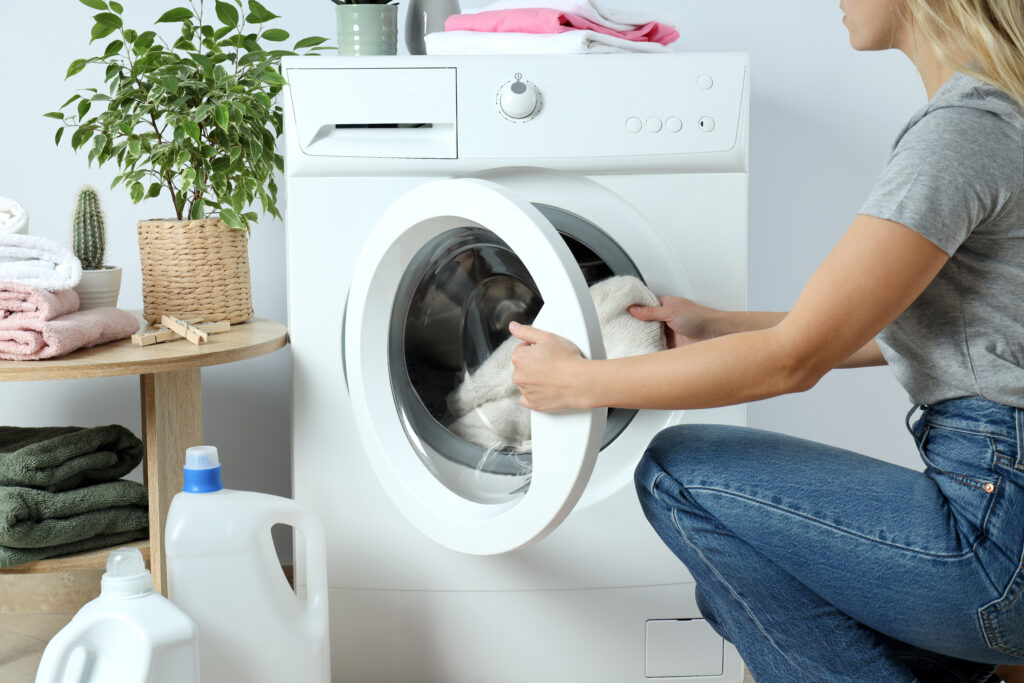
To understand what goes wrong with a washing machine drain, start by understanding what it’s supposed to do. When your washing machine runs a cycle, it fills with water, agitates or spins the clothes, and then drains the water out through a discharge hose. That hose connects to a designated standpipe or floor drain built into your home’s plumbing. From there, wastewater flows through your home’s drainage system, ideally routed away without issue.
Modern washing machines are engineered to work efficiently, but they still rely on clear pathways to move water properly. If even one part of that path clogs—whether it’s the hose, the pump filter, or the drainpipe—things can go wrong fast. Water may back up into the machine, spill onto the floor, or produce odd noises during a spin. Drainage problems are rarely silent, and they don’t resolve themselves without intervention.
Key Signs and Common Causes of a Blocked Drain
The most obvious sign of a clogged washing machine drain is standing water inside the drum after the last cycle. Other indicators include sluggish draining at the end of the wash, loud gurgling sounds coming from the drain, or unpleasant smells coming from the appliance. If a load finishes and you open the lid to find clothes sitting in murky water, the drain is likely obstructed.
Blockages typically stem from lint, detergent build-up, or foreign objects escaping through the drum holes—coins, hair ties, or even small socks can slip through, eventually reaching the drain pump or hose. Over time, residue from hard water and detergent can solidify, narrowing the pipe’s interior. In homes with high sediment content in the water or older plumbing systems, restrictions can happen even faster. Root intrusion and drain collapses—although less frequent—remain a possible cause when exterior drain lines are involved.
Why Drain Blockages Should Never Be Ignored
A minor clog might seem like a small inconvenience—not worth taking apart the washing machine or calling in help—but delayed action can quickly cause complications. Persistent blockages prompt the appliance to work harder, overtaxing the drain pump and raising the risk of burnout. Pooling water can lead to mildew, mold, or full-on leaks, damaging flooring or even reaching lower levels in a multi-story home.
More critically, a malfunctioning washing machine that repeatedly fails to drain can indicate broader plumbing issues hidden behind walls or below flooring. For homeowners, blocked drains aren’t just about appliance performance—they’re about maintaining the integrity of the home’s systems and protecting its long-term value.
How to Unclog a Washing Machine Drain
Resolving a blocked drain starts with location. If the machine is visibly struggling, the issue may lie in the hose or the pump filter—both can typically be accessed with relative ease. Disconnect power to the machine first, then inspect the drain hose at the back. If it’s crimped or visibly clogged, clear it using a long brush or replace it if needed.
For issues deeper in the plumbing, a plumbing snake or powered auger may be required. Professional plumbers can diagnose drainage problems using camera scopes to identify clogs beyond reach, often near the U-trap or in the vertical stack. If you’re seeing regular backups or ongoing slow draining despite basic cleaning, the blockage could be in your home’s main drainpipe, which may require trenchless repair methods or hydro jetting.
Maintenance to Prevent Future Blockages
Prevention is both practical and affordable. Install a lint catcher on the end of your washing machine hose to capture stray fibers before they enter the drain. Run a monthly rinse cycle with hot water and white vinegar to keep detergent and mineral build-up at bay. Avoid overloading the machine with clothes, which can cause strain on the spin cycle and digitally mask early signs of drainage problems.
Schedule periodic checks of your machine’s filter, usually located near the base behind a small flap. Empty it of lint, buttons, or fabric fragments. Additionally, make sure the drain hose is properly secured in the standpipe at the right height. Incorrect installation can cause siphoning issues that mimic drainage failure.
The Role of a Home Warranty in Drainage Repairs
When repairing or replacing parts of a washing machine—especially the motor, pump, or internal valves—costs can add up fast. Not to mention the added expense of calling in a plumber if the issue is tied to your home’s drainage system. This is where a home warranty becomes more than just peace of mind; it becomes real financial protection.
A well-structured home warranty often includes coverage for standard appliances like washing machines, including their mechanical functions. Even more critically, home warranty providers like Armadillo offer customizable plans that can encompass key systems like plumbing. That means partial drain pipe repairs, appliance diagnostics, or component replacements may be significantly subsidized under coverage you already have.
When It’s Time to Replace Instead of Repair
Sometimes, drainage problems aren’t due to blockages at all—they’re the result of aging equipment. Washing machines typically last 10 to 15 years with consistent use. If your appliance consistently fails to drain, requires frequent repairs, or shows electrical malfunctions in tandem with drainage issues, a full replacement may be the wiser choice. Newer models come equipped with clog-resistant pumps, automatic alerts for drainage failure, and self-cleaning cycles.
And here’s the important part: if you’ve got a home warranty in place, some or all of that new appliance may qualify under your plan’s replacement benefits. Always check the details of your coverage first, and consider consulting with your warranty provider before making a final call on replacing a major appliance.
Protect Your Home’s Appliances with Armadillo
Blocked washing machine drains are more than just an everyday nuisance—they’re warnings about wear, inefficiency, and the complex relationship between your home’s systems and appliances. Timely intervention prevents deeper damage, and implementing preventive measures keeps your machine—and plumbing—in better shape. But when issues do arise, a partner like Armadillo can make all the difference.
Armadillo offers smart, reliable home warranty plans designed for modern living. Whether it’s your washing machine, the pipes behind it, or the systems supporting your home’s everyday functionality, we’ve got you covered. With a focus on customer-first digital tools and a transparent claims process, Armadillo helps you prepare for life’s sudden breakdowns—without the stress.
Explore coverage options today at armadillo.one, or begin building your custom plan and get protected in just minutes at this link.