How to Prevent Clothing Shrinkage (and Why Your Washing Machine Might Be to Blame)
It happens to the best of us. You toss your favorite sweater into the laundry and pull it out one size smaller. Clothing shrinkage is a frustrating but common issue in many households. While textiles and their blends play a role, the real culprits are often the systems we rely on daily—your washer and dryer. Understanding how laundry appliances work, and how their performance affects fabric care, can make all the difference. And when these machines underperform, malfunctions can lead not only to smaller clothes but also unnecessary repair costs. This article untangles the mechanics behind laundry systems, examines best practices for preserving your wardrobe, and explores why a home warranty can be a smart safeguard.
Understanding the Laundry System in Your Home
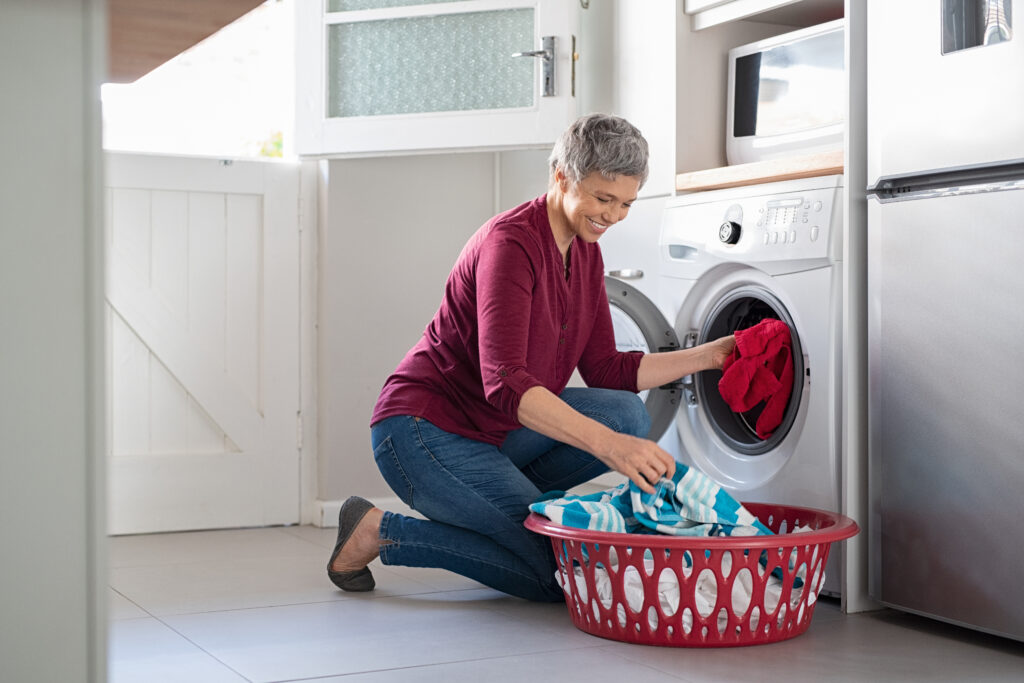
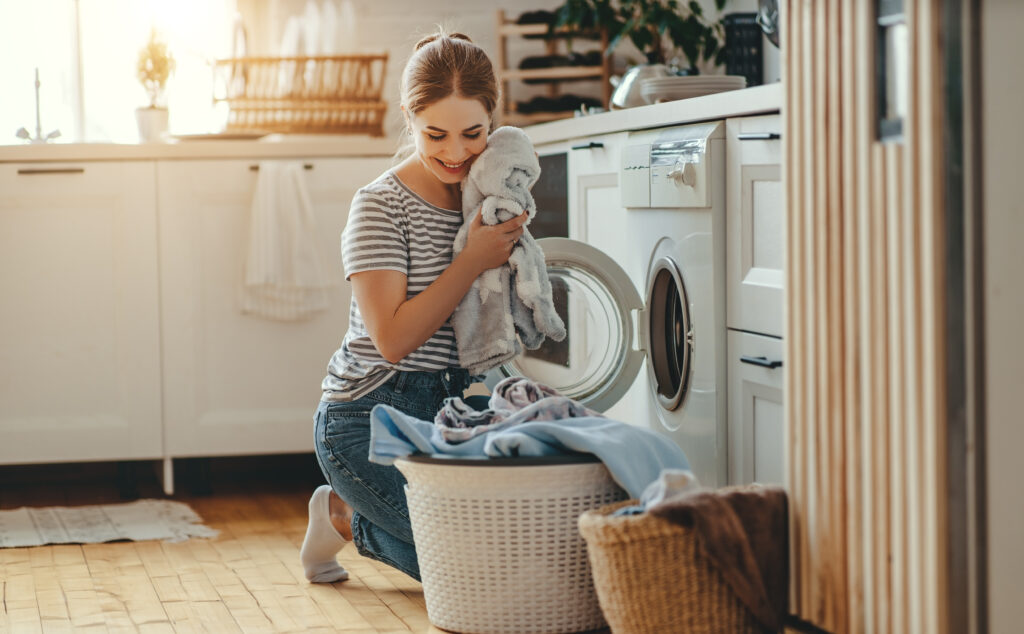
Washing machines and dryers are more than just convenient appliances; they’re precision-engineered systems that rely on specific cycles, temperatures, and technologies to clean without causing damage. Most modern washers use a combination of rotational movement, controlled water temperature, and specialized wash settings to treat fabrics with care. Dryers, likewise, apply heat and air circulation calibrated to avoid overheating garments. That said, when these appliances are misused—or start to decline in performance—they can become the primary reason clothes shrink, fade, or wear down prematurely.
How Washers and Dryers Can Cause Clothing Shrinkage
Clothing shrinkage generally occurs in one of three ways: relaxation shrinkage, felting shrinkage, or consolidation shrinkage. Relaxation shrinkage happens when fabrics release the tension imposed during the manufacturing process—often in high-temperature or high-agitation washes. Felting shrinkage typically affects wool and animal fibers, caused by hot water and repetitive motion. Consolidation shrinkage is a combination of moisture, heat, and mechanical stress, usually tied to the tumbling motion inside your dryer. These processes can all be intensified by settings that are inappropriate for the fabric type. Washing cotton tees in hot water or drying jeans on the highest heat can dramatically alter garment size. Even choosing the wrong “normal” setting over a delicate cycle can have long-term effects on your wardrobe.
The Role of Appliance Maintenance on Fabric Care
Mechanical integrity matters. A washing machine with a faulty thermostat may run hotter than expected, or a dryer with a broken moisture sensor might over-dry garments, accelerating wear and shrinkage. Lint buildup in the dryer can impair airflow, forcing the motor to work harder and causing uneven heat distribution. Drum imbalances and worn-out door seals can allow water or hot air to leak, affecting cycle efficiency. Over time, these issues don’t only contribute to damaged clothing—they strain your appliance and energy bill. Routine maintenance, such as checking hoses, cleaning filters, and calibrating temperature settings, can ensure clothes remain protected and machines operate smoothly. Replacing aging parts proactively can extend appliance life, though repairs can be costly without coverage.
Best Practices to Avoid Shrinking Your Clothes
Preventing shrinkage starts with awareness and continues with the right settings. Always check fabric care labels before tossing items in the wash. Use cold water whenever possible; not only does this prevent shrinkage, it also conserves energy. Select gentle or hand-wash cycles for delicate or natural fabrics. When drying, choose lower temperature settings. Air-drying offers maximum protection but isn’t always practical. In that case, remove clothes while slightly damp and allow them to finish drying flat or on hangers. Avoid overloading machines, which can cause uneven wear and strain motors. And if you notice garments shrinking despite best practices, the problem may lie within the appliance’s sensors or temperature regulation. It may be time for inspection or service—ideally covered under a home warranty plan.
Advantages and Drawbacks of High-Efficiency Laundry Appliances
High-efficiency (HE) washer and dryer models are increasingly popular, thanks to their lower water usage and advanced features. These machines are designed to be gentler on clothing while still achieving powerful cleaning results. Most HE washers use tumbling instead of agitators, which significantly reduces fabric stress. They also adjust washing and drying cycles based on load weight and soil levels, preserving garment integrity. That said, the advanced technology comes with complications. HE machines require specific HE detergent, which, if incorrectly used, can lead to soap residue buildup, bacterial growth, or cycle inefficiencies. They also tend to be more expensive upfront and occasionally prone to electronic malfunctions—a common source of discomfort for homeowners frustrated by repair bills. When these systems work well, they’re invaluable; when they don’t, repairs are neither simple nor cheap.
Signs Your Washer or Dryer Might Need Professional Help
Watch your clothes, and your machines, closely. Sudden and repeated shrinkage can be more than user error. If your washer leaves clothes too hot after a cycle, or your dryer finishes in less time than usual, the thermostat or moisture sensor may be failing. An unusual noise during spin cycles, persistent unbalanced loads, or cycles that stop mid-run are additional red flags pointing to mechanical stress or failing parts. Also note any mildew smell, standing water, or restricted airflow—these indicate a need for deep cleaning or professional servicing. Rather than waiting for a total appliance failure, it’s often more cost-effective to use a home warranty to get timely, covered repairs with vetted professionals. Inconsistent laundry results are often a symptom, not the root problem.
Why Choose Armadillo for Washer and Dryer Coverage
Appliances play a critical role in protecting your belongings—your clothes, bedding, personal keepsakes—and when laundry systems falter, the cost isn’t limited to inconvenient shrinkage. Unexpected repairs can easily run hundreds of dollars, and replacing a high-efficiency washer or dryer can cost far more. That’s where Armadillo comes in. Our home warranty plans cover the repair and replacement costs of key home systems and appliances, including laundry units, so you’re not stuck making high-stakes decisions under pressure. With Armadillo’s transparent process and reliable service network, your appliances get back on track quickly—and your wardrobe stays intact. Learn more at armadillo.one or get started with a plan tailored to your needs at our plan builder. Choosing the right warranty today can safeguard your laundry (and your budget) tomorrow.