Why Standing Water in Your Yard Is More Than Just an Eyesore
After a heavy rain, a few puddles in the yard might seem like a minor annoyance. But if that water is still sitting there hours or even days later, something more serious is going on. Standing water is one of those problems homeowners tend to dismiss until it becomes impossible to ignore — and by then, the damage has often already spread. Poor yard drainage affects not just your lawn, but your home’s foundation, your basement, your outdoor structures, and even your indoor systems. Understanding why it happens and how to address it is one of the smarter investments you can make as a homeowner.
What Causes Standing Water to Form in the First Place
Standing water is almost always the result of one thing: water has nowhere to go. That can happen for several reasons. The most common culprit is compacted soil, which lacks the porosity needed to absorb water efficiently. Clay-heavy soil is particularly notorious for this. Another frequent cause is improper yard grading — meaning the slope of your yard is directing water toward your home rather than away from it. Flat yards that lack any directional slope are similarly problematic. Downspouts that dump water too close to the foundation, low-lying areas in the landscape, and clogged underground drainage systems can all contribute to the problem. In some cases, it is a combination of all of these factors working against you at once.
How Proper Yard Drainage Systems Actually Work
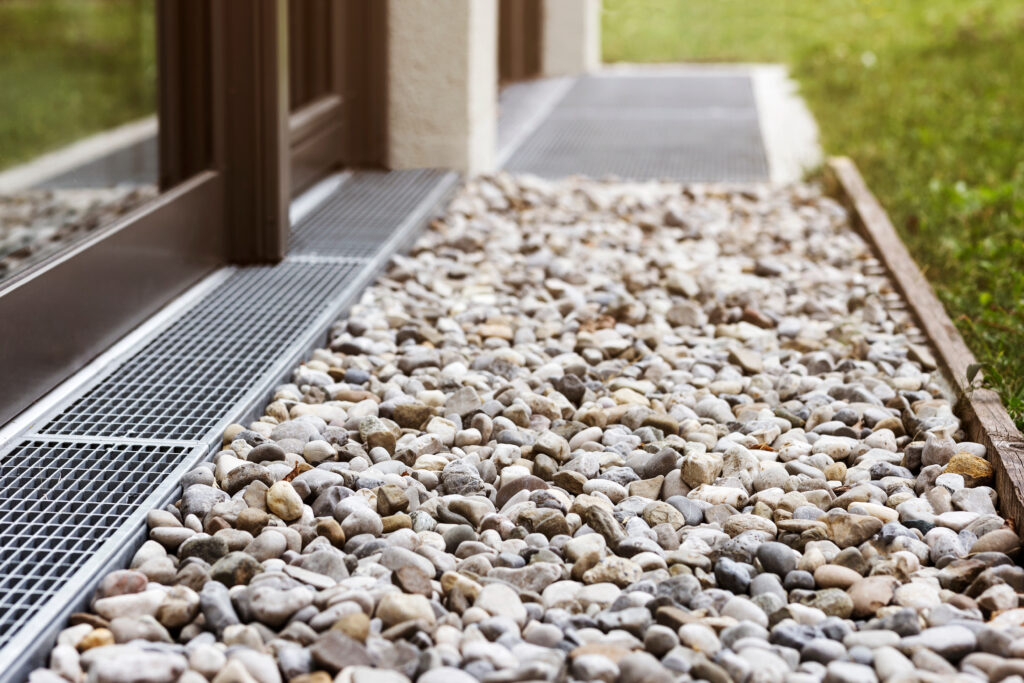
There are several drainage solutions designed to move water away from where it collects and redirect it somewhere it can safely dissipate. French drains are among the most widely used — they consist of a perforated pipe buried in a gravel-filled trench that collects subsurface water and channels it away. Surface drains, sometimes called catch basins, are installed at low points in the yard to capture standing water and move it into an underground pipe system. Swales are shallow, graded channels dug into the landscape that guide water along a defined path toward a more appropriate outlet. Dry creek beds serve a similar aesthetic and functional purpose. Sump pumps handle water that collects near or beneath the foundation, pumping it away from the structure entirely. Each system has a specific use case, and in many yards, two or more solutions are used together for best results.

The Key Advantages of Addressing Yard Drainage Problems Early
Getting ahead of drainage issues pays off in ways that go well beyond a healthier lawn. When water is properly diverted, your home’s foundation is protected from the kind of hydrostatic pressure that causes cracks, bowing walls, and eventual structural failure. Your basement stays drier, which means fewer issues with mold, mildew, and moisture damage to anything stored down there. Your HVAC system, water heater, and other mechanical equipment located in lower levels of the home are also less likely to be exposed to flood conditions. On top of all that, your lawn and garden actually thrive — plant roots need oxygen, and waterlogged soil suffocates them. A well-draining yard supports a healthier, more usable outdoor space across every season.
Common Drawbacks and Challenges to Keep in Mind
Drainage improvements are not without their complications. Installation costs can range from a few hundred dollars for simple surface grading to several thousand for a comprehensive French drain or sump pump system. Permits may be required depending on your municipality, particularly for any work that affects where water flows off your property. Poorly installed systems can actually make drainage worse — a French drain that is not sloped correctly, for instance, will collect water without moving it anywhere. Maintenance is also an ongoing consideration. Drains can clog with sediment, tree roots, and debris over time. Catch basins need to be cleared regularly. And if you have a sump pump, it requires periodic inspection and, eventually, replacement. These are not reasons to avoid drainage improvements — they are reasons to plan carefully and work with qualified professionals.
Practical Steps Homeowners Can Take Right Now
Not every drainage fix requires a major excavation project. There are several things you can start with immediately. First, check your downspouts. Extending them at least six feet from the foundation using flexible extensions is an inexpensive fix that makes a real difference. Second, look at the grading around your home. The ground should slope away from the foundation at a rate of about six inches over the first ten feet. If it slopes inward, regrading that area with topsoil can redirect water flow significantly. Third, consider aerating compacted soil to improve its absorption rate. For low-lying areas in the yard, adding organic matter to the soil can help over time. Finally, evaluate your gutters — clogged or undersized gutters can dump water in concentrated areas, creating localized flooding that overwhelms any drainage setup you have in place.
Signs That Your Drainage Problem Has Already Affected Your Home Systems
- Water stains or efflorescence on basement or crawl space walls
- A sump pump that runs constantly or fails to keep up during heavy rain
- Musty odors in lower levels of the home, indicating persistent moisture
- Cracks forming along the foundation, particularly horizontal cracks in block foundations
- Warped flooring, peeling paint, or rust on mechanical systems located near the ground level
- HVAC equipment or water heaters showing signs of corrosion or moisture exposure
Any of these signs deserve prompt attention. The longer water is allowed to affect your home’s structure and systems, the more expensive the repair becomes.
How to Choose the Right Drainage Solution for Your Property
Choosing the right drainage approach depends entirely on your specific yard conditions, soil type, home layout, and the source of the problem. A flat suburban lot with clay soil is going to need a different solution than a sloped rural property with sandy ground. A consultation with a licensed landscape contractor or drainage specialist is the most reliable first step. They can assess the topography, identify where water originates and where it needs to go, and recommend a system that matches both your needs and your budget. Avoid the temptation to guess or default to whatever solution is most popular — drainage is site-specific, and the wrong fix can redirect water problems rather than solve them.
Why Home Warranty Coverage Matters When Drainage Affects Your Systems
Here is where things get very practical. Standing water and poor drainage do not just damage your landscaping — they put real mechanical systems at risk. Sump pumps fail. Water heaters corrode from sustained moisture exposure. HVAC equipment located in basements or crawl spaces can be compromised by flood conditions. When those systems break down, repair and replacement costs can be significant. That is exactly the kind of situation where having a home warranty makes a measurable difference. Armadillo home warranty plans for homeowners dealing with water damage risks are built to cover the systems and appliances most likely to be impacted — giving you a financial safety net when the unexpected happens. If you have been putting off addressing both your drainage and your coverage situation, this is a good moment to take both seriously. You can get a free home warranty quote to protect systems affected by yard drainage problems and find out exactly what would be covered before you need to make a claim.

Frequently Asked Questions About Preventing Standing Water in Your Yard
How long should water sit in my yard before I consider it a drainage problem?
If water is still pooling in your yard more than 24 hours after rainfall has stopped, that is a reliable indicator of a drainage issue that warrants attention. Well-draining soil should absorb surface water within a few hours under normal conditions.
Can standing water damage my home’s foundation?
Yes. Water that consistently pools near the foundation creates hydrostatic pressure against the walls, which can lead to cracks, bowing, and long-term structural instability. Foundation repairs are among the most expensive home repairs a homeowner can face.
What is the most effective way to prevent standing water in a flat yard?
Flat yards benefit most from a combination of surface grading improvements, the installation of catch basins at low points, and French drain systems that move water to a more appropriate outlet at the property perimeter or street.
How much does it typically cost to install a French drain?
French drain installation costs vary widely based on length, depth, and local labor rates, but most homeowners pay somewhere between $1,000 and $6,000 for a professionally installed system. Simpler surface drain solutions can cost less.
Does a sump pump require regular maintenance?
Yes. Sump pumps should be tested at least once a year, ideally before the rainy season begins. The pit should be cleared of debris, the float switch should be checked for proper function, and the discharge line should be inspected for blockages.
Will aerating my lawn help with standing water?
Aeration can help in cases where compacted soil is the primary cause of poor drainage, as it creates small openings that allow water to penetrate more effectively. However, it is generally not sufficient as a standalone solution for serious drainage problems.
Can gutters and downspouts really cause standing water in the yard?
Absolutely. Gutters that are clogged or undersized, and downspouts that discharge too close to the home, are among the most common contributors to localized standing water and foundation moisture problems.
Is standing water in the yard covered by homeowners insurance?
Standard homeowners insurance policies typically do not cover drainage-related damage unless it is directly caused by a covered peril like a sudden storm event. Gradual water damage from poor drainage is almost always excluded.
How does a home warranty differ from homeowners insurance when it comes to water-related system failures?
Homeowners insurance covers damage to the structure of your home from sudden, accidental events. A home warranty covers the mechanical breakdown of systems and appliances, including sump pumps and other equipment that may fail due to normal wear and use.
Can I install a drainage system myself, or should I hire a professional?
Minor improvements like downspout extensions and surface regrading are manageable DIY projects for most homeowners. However, French drains, catch basin systems, and anything involving underground pipe work are best left to licensed professionals to ensure proper slope, materials, and compliance with local codes.