Why Protecting Your Home from Frost Goes Beyond the Garden
When temperatures start to drop and frost warnings appear on your phone, most homeowners think first about their tomatoes and flower beds. That instinct makes sense. But protecting plants from frost is actually a window into a larger conversation about how cold weather affects your entire home — your pipes, your HVAC system, your outdoor fixtures, and more. Understanding frost protection is not just about keeping your garden alive. It is about keeping your home functioning through the seasons without surprise repair bills showing up in February.
What Frost Actually Does to Plants and Home Systems
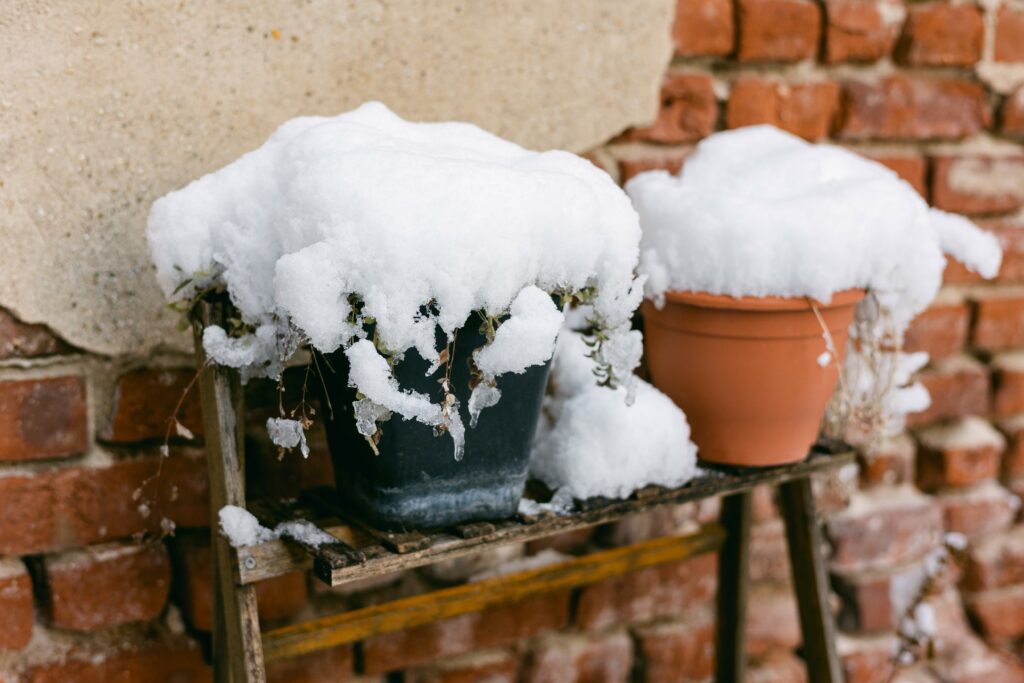
Frost forms when surface temperatures drop to 32 degrees Fahrenheit or below, causing the moisture in plant cells to freeze and expand. That expansion ruptures the cell walls, which is why plants turn soft and discolored after a frost event. The same basic physics — water expanding as it freezes — is exactly what causes pipes to burst, outdoor faucet lines to crack, and irrigation systems to fail. The garden and the home are more connected than people realize. A hard freeze does not discriminate between your pepper plants and the supply line running to your outdoor spigot.
How to Protect Plants from Frost the Right Way
There are several well-established methods for shielding plants from frost damage, and each one works a little differently depending on the severity of the cold and the type of plant you are trying to save. Getting familiar with these techniques helps you act quickly when a frost warning hits.
- Cover plants with frost cloth, burlap, or old bedsheets before sundown to trap ground heat overnight
- Water the soil around plants before a frost — moist soil holds heat better than dry soil
- Use cloches or plastic containers to create a mini greenhouse effect over individual plants
- Bring potted plants indoors or into a garage when temperatures are expected to dip hard
- Apply a thick layer of mulch around the base of perennials to insulate root systems
- Avoid covering plants with plastic directly against the foliage, as it can trap cold and cause damage
These are not complicated steps, but timing is everything. Waiting until frost is already forming means the damage is likely already underway. The goal is to act before the sun goes down and temperatures begin their descent.
The Home Systems That Are Just as Vulnerable to Frost
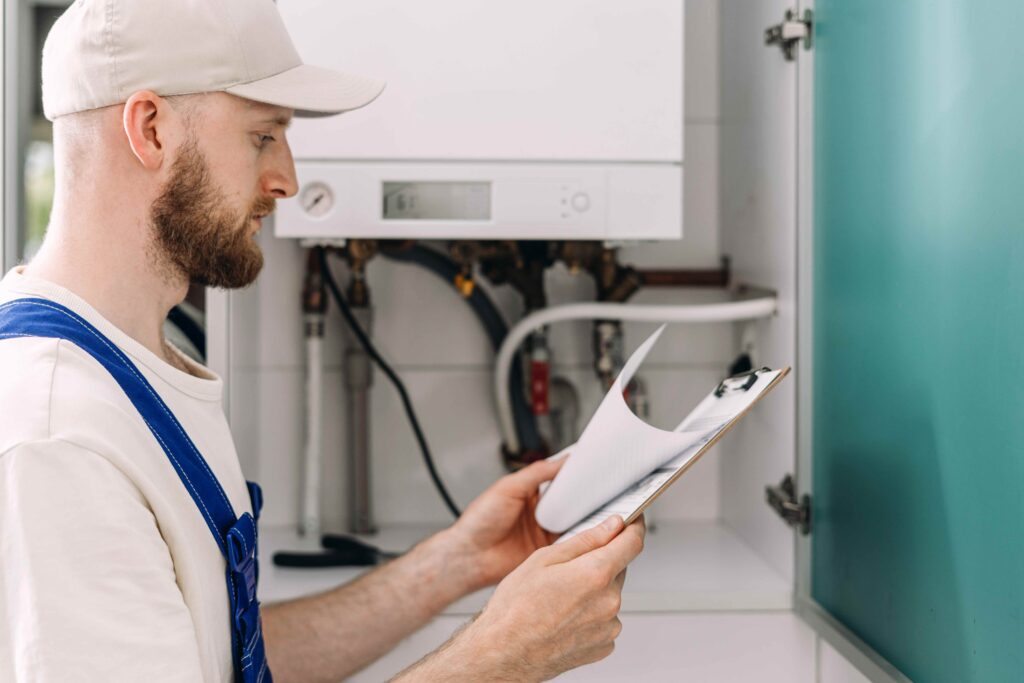
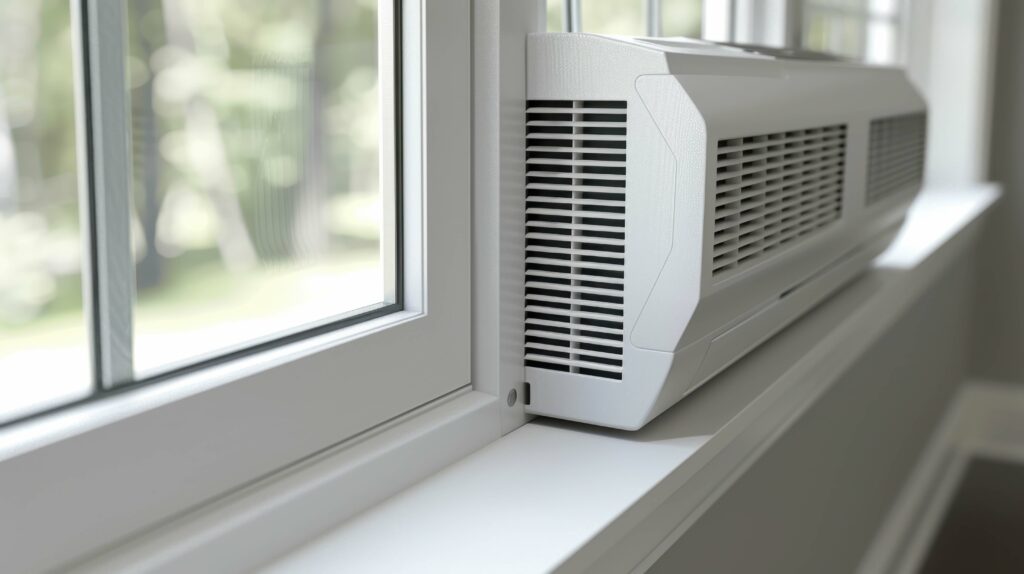
Here is where the conversation shifts from the garden to the house itself. Frost and freezing temperatures threaten several home systems that homeowners often overlook until something goes wrong. Outdoor plumbing — especially hose bibs and irrigation lines — is among the most vulnerable. When water sitting in those lines freezes, it expands with enough force to split the pipe entirely. HVAC systems with outdoor components, like heat pump units, can also accumulate ice buildup that impairs performance or causes mechanical stress. Even the water heater works harder in cold weather, increasing wear on components over time.
Practical Steps to Winterize Your Home Before a Frost
Thinking about frost protection holistically means applying the same urgency you give your garden to your home systems. There are straightforward actions that make a real difference when the temperature drops.
- Disconnect and drain garden hoses before the first freeze to prevent water from backing up into the spigot
- Shut off and drain irrigation systems or use a blow-out service to clear lines with compressed air
- Insulate exposed pipes in unheated spaces like garages, crawl spaces, and exterior walls
- Check that your HVAC system has been serviced before heating season begins
- Install frost-free hose bibs if your current outdoor faucets are standard models
- Keep cabinet doors under sinks open during extreme cold to allow warm air to circulate around pipes
What Happens When Frost Damage Gets Inside the House
Frozen pipes that burst inside walls are one of the most disruptive and expensive repair scenarios a homeowner can face. Water damage from a burst pipe can affect drywall, flooring, insulation, and even structural framing depending on how long it goes undetected. The repair costs can climb well into the thousands, and that does not factor in the secondary damage from mold growth if the moisture is not addressed quickly. This is not a worst-case scare tactic — it is a fairly common outcome for homes where pipe insulation is inadequate or where heating is reduced too aggressively during a cold snap.

The Advantages of Preparing Early for Cold Weather
Early preparation is genuinely one of the highest-return habits a homeowner can develop. When you take frost protection seriously before the season turns, you reduce emergency repair calls, extend the life of outdoor plumbing components, and protect landscaping investments that took years to establish. There is also a cumulative effect — homes that are consistently winterized tend to develop fewer chronic issues over time because small vulnerabilities get addressed before they become costly failures. A little attention in October can prevent a very stressful February.
Common Drawbacks and Limitations to Know About
Even well-prepared homeowners run into frost-related problems because weather is unpredictable and some home systems have inherent limitations. Frost cloth and covers work well for moderate cold but offer limited protection in severe freeze events. Irrigation blow-out services require a contractor and advance scheduling, which becomes difficult when a surprise cold front moves in faster than expected. Older homes often have plumbing configurations that make full winterization more complicated and expensive. And even homeowners who do everything right can still face failures from aging components that were already near the end of their service life when the cold arrived.
How a Home Warranty Connects to Frost and Freeze Protection
This is where home warranty coverage enters the picture in a genuinely useful way. A home warranty is a service contract that covers the repair or replacement of major home systems and appliances when they fail due to normal wear and tear. When cold weather accelerates wear on a water heater, causes a pipe fitting to fail, or leads to an HVAC component breaking down, a home warranty can step in to cover costs that would otherwise come entirely out of pocket. It does not replace good winterization habits — those remain your first line of defense — but it does provide a financial safety net for the failures that good habits cannot always prevent. For homeowners in regions with cold winters, that kind of coverage is worth thinking about seriously.
Why Armadillo Is Worth Considering When Winter Rolls Around
When it comes to protecting what matters most inside your home during cold weather, having reliable coverage in your corner changes the equation. Armadillo home warranty plans for homeowners facing seasonal system failures are designed to be straightforward, transparent, and genuinely useful — not loaded with exclusions that make claims frustrating to navigate. Armadillo covers the kinds of system and appliance failures that cold weather tends to accelerate, from plumbing issues to HVAC breakdowns, with a process that does not make you feel like you need a lawyer to file a claim. If you have been thinking about getting coverage in place before temperatures drop, now is the time to act. You can get a home warranty quote before the next frost warning hits your area in just a few minutes, and knowing what you are covered for makes every cold snap a little less stressful.

Frequently Asked Questions About Frost Protection and Home Coverage
Here are answers to some of the most common questions homeowners ask about protecting plants, pipes, and home systems from frost and freezing temperatures.
At what temperature should I start protecting my plants from frost?
Most plants begin experiencing frost damage when temperatures reach 32 degrees Fahrenheit. However, tender plants like tomatoes, basil, and impatiens can show stress at temperatures just above freezing, around 33 to 35 degrees. It is best to cover vulnerable plants anytime a frost advisory or freeze warning is issued for your area.
Does watering plants before a frost actually help?
Yes. Moist soil retains heat more effectively than dry soil, which helps moderate the temperature around plant roots overnight. Watering before a frost is a practical and low-cost protective measure, though it works best in combination with physical covers rather than on its own.
What is the difference between a frost advisory, freeze watch, and freeze warning?
A frost advisory means temperatures are expected to drop to 33 to 36 degrees, posing risk to frost-sensitive plants. A freeze watch means conditions are favorable for freezing temperatures within 24 to 48 hours. A freeze warning means freezing temperatures are imminent or occurring and significant damage to plants and unprotected pipes is likely.
Can frozen pipes be covered by a home warranty?
Home warranty coverage varies by provider and plan. Many home warranties cover plumbing system failures caused by normal wear and tear, including certain pipe failures. However, damage caused by neglect — such as failing to insulate pipes or leaving the heat off during a freeze — may be excluded. Reviewing your specific plan terms is important before assuming coverage applies.
How do I know if my outdoor faucet is frost-free?
A frost-free hose bib has a longer stem that extends inside the wall to a point where the pipe remains above freezing. When you turn it off, the water drains back from the exposed section. You can identify one visually by its angled or elongated design compared to standard spigots, or by checking with a plumber if you are unsure.
Should I leave cabinet doors open under sinks during a freeze?
Yes. Opening cabinet doors under sinks — particularly those on exterior walls — allows warm air from the room to circulate around the pipes. This is a simple and effective way to help prevent pipes from freezing during extreme cold snaps without any tools or cost involved.
Does a home warranty cover HVAC damage caused by cold weather?
Most home warranty plans cover HVAC systems when they fail due to mechanical breakdown or normal wear. If an outdoor heat pump unit ices over and suffers a component failure, that type of repair is often covered depending on the terms of your plan. Damage resulting from improper maintenance or a lack of regular servicing may be excluded.
How long does frost cloth protect plants in a hard freeze?
Standard frost cloth — also called row cover or garden fleece — typically provides protection down to about 28 degrees Fahrenheit depending on its weight. Heavier grades offer more insulation. For temperatures below that threshold, layering covers or using additional heat sources like frost protection cables may be necessary for sensitive plants.
Is winterizing my irrigation system something I can do myself?
Draining a gravity-fed irrigation system can often be done by a homeowner by opening manual drain valves. However, blow-out winterization — which uses compressed air to clear all water from the lines — requires specific equipment and expertise. Incorrect technique can damage valves and emitters. Most homeowners benefit from hiring a licensed irrigation contractor for this service.
When is the right time to get a home warranty before winter?
The best time to purchase a home warranty is before your systems and appliances experience seasonal stress. Most home warranty providers include a waiting period of 15 to 30 days after purchase before coverage activates, so securing a plan in early fall ensures you are covered when cold weather arrives and the likelihood of system failures increases.