How to Rekey a House: What Homeowners Need to Know
Moving into a new home or simply updating home security naturally leads many homeowners to a surprising, often overlooked question: should I rekey my locks? Rekeying is more than just a routine task; it’s an essential part of making your home feel truly yours—safe, private, and secure. Learning how and why to rekey a house empowers you not only to boost security, but also to streamline access, reduce risk, and extend the life of your locks. As part of broader home maintenance strategies, like those covered under a home warranty, rekeying plays a quiet yet vital role. This guide breaks down exactly what rekeying is, how it works, and whether it’s the right choice for your next improvement step.
What Does It Mean to Rekey Your House?
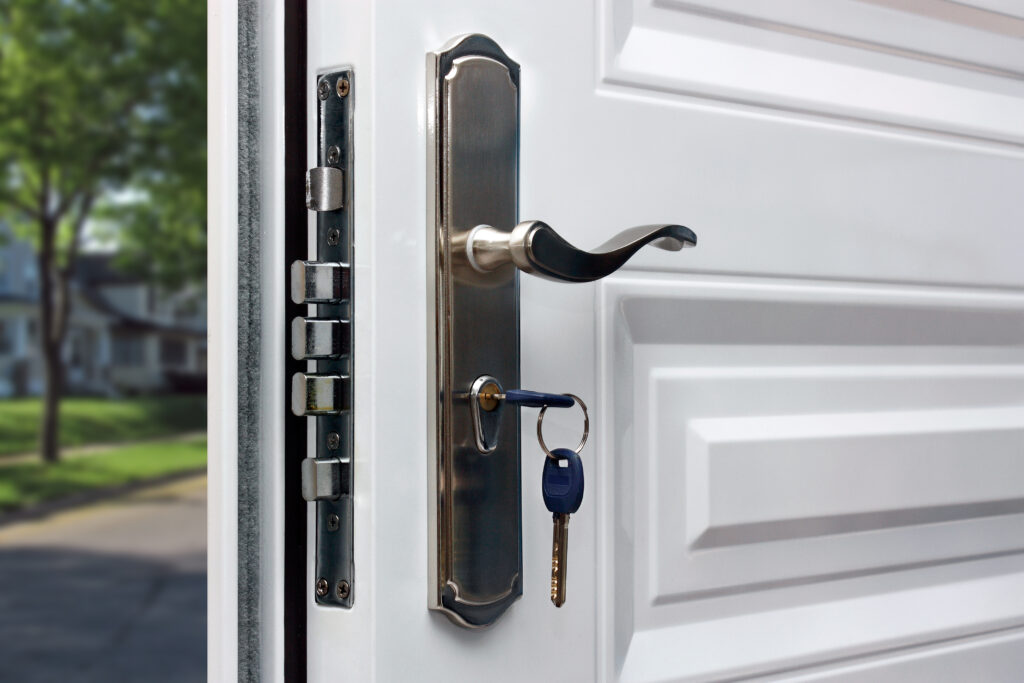
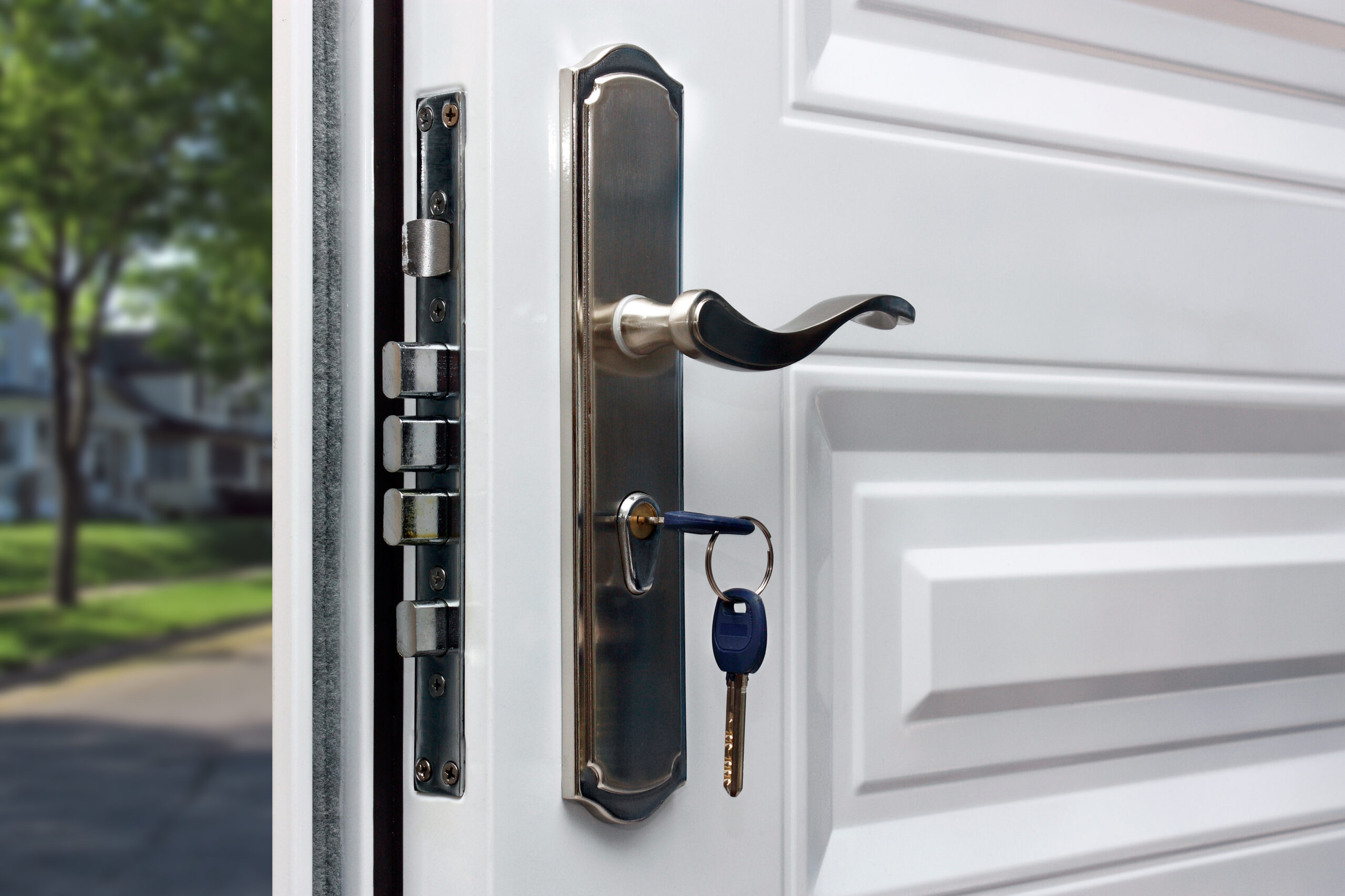
To rekey a house means altering an existing lock so that it accepts a new key and no longer responds to the old one. This isn’t the same as replacing the entire lock mechanism—rekeying adjusts the internal components, specifically the pins inside the lock cylinder. A locksmith removes the lock from the door, rearranges the pins to correspond with a new key cut, and reinstalls the lock with its updated configuration. The result is a fresh key and a distinct sense of regained security, often achieved at a lower cost than lock replacement. This solution comes in handy for first-time homeowners, landlords who’ve experienced tenant turnovers, or anyone concerned about key access from previous occupants.
How Rekeying Works: A Look Inside the Lock
Rekeying hinges on the basic mechanics of a pin tumbler lock, which is the most common type found in residential doors. Each lock has a cylinder lined with small springs and pins. When the correct key slides into the keyway, it pushes the pins into a position that allows the cylinder to rotate and unlock. When rekeying, the locksmith removes the cylinder and takes out the existing pins. These are replaced with new pins that line up with a new key cut. It’s precise, quiet work that requires specialized tools and expertise—but it doesn’t take long. In most cases, a single lock can be rekeyed in under 30 minutes. It’s simple in theory, but best left to professionals for the sake of efficiency and reliability.
Why Rekeying Matters for Homeowners
Rekeying delivers peace of mind quickly and affordably. If you’ve just purchased a residence, you can’t be sure who holds copies of the existing keys. Contractors, previous owners, even former housekeepers may still have one in a drawer. Rekeying ensures only you and your approved contacts can access the home. It’s also an efficient way to gain key control without investing in an entirely new hardware set. In the life of a home, rekeying is a strategic move—especially if you’re securing multiple entry points. For homeowners managing rental properties or short-term vacation homes, rekeying provides a flexible, low-cost way to maintain tenant security between leases without overhauling permanent hardware.
Rekeying Versus Lock Replacement: Which Makes Sense?
While both rekeying and replacing locks accomplish the same end goal—changing who has access—they are not interchangeable solutions. Rekeying retains the external hardware and inner lock structure, only modifying the key compatibility. Lock replacement, however, involves removing the entire unit and installing a new lockset. If your existing locks are high-quality and in good condition, rekeying is the more economical and faster option. On the other hand, upgrading to modern smart locks, deadbolts with higher ANSI grades, or doors whose hardware is outdated may make full replacement a more practical choice. The decision depends on your goals: cost-efficient security versus a full upgrade in appearance or technology. Rekeying fills the gap when you want effective results without a complete overhaul.
Potential Drawbacks to Consider
Rekeying is not without its limitations. First, it doesn’t fix a damaged or worn-out lock. If the locking mechanism is loose, corroded, or unreliable, simply changing the pins won’t resolve core performance issues. Sometimes, rekeying an outdated or generic-brand lock can be incompatible or cost-prohibitive, especially if matching pins aren’t easily available. Additionally, certain smart locks or high-security brands don’t allow for traditional rekeying and require specific procedures or entire module replacements. Lastly, rekeying offers no enhancement in security level compared to the former lock—it only restricts access via key control. If security upgrades are your goal rather than just reassigning access, consider integrating additional security features or a full lock upgrade.
When Home Warranty Coverage Might Apply
While rekeying is technically a home security task, many homeowners are surprised to learn that select home warranty plans may offer rekeying services as part of comprehensive protection packages. This feature is particularly useful for new homeowners who have just closed a property and are already working with a home warranty provider. Rather than hiring a separate locksmith, eligible policyholders can file a service request with an approved contractor under their warranty terms. However, coverage can vary widely. Some basic home warranty plans do not include lock-related services, while others bundle it as an optional add-on or promotional benefit for new sign-ups. If security is essential to your move-in checklist—as it should be—review your home warranty agreement carefully or consider adjusting your plan to incorporate rekeying services.
Practical Steps for Rekeying Your Home
Starting the rekeying process begins with evaluating your current hardware. If all door locks are the same brand and model type, a locksmith can typically rekey them to operate with a single new key. This adds convenience and lowers complexity. Contact a certified locksmith or check if your home warranty plan offers this service. Schedule an appointment, provide the existing key if you have it, and prepare a list of all exterior doors. If you’re the kind of homeowner who prefers DIY projects, you’ll find that some lock manufacturers sell rekeying kits that make the process manageable. However, these kits require careful attention, patience, and comfort with detailed mechanical work. For most homeowners, hiring a pro ensures the rekey is done safely and correctly, without sacrificing future functionality.
Secure More Than Just Your Keys With Armadillo
Homeownership brings many moving parts—figuratively and literally—and rekeying is a smart early step in protecting your property. Rather than treating security as a separate concern, consider how a home warranty can extend that protection further. Armadillo’s home warranty plans can include rekeying services, in addition to coverage for major systems and appliances. So while you’re safeguarding your doors, you’re also backing up your HVAC, electrical, and plumbing systems. It’s comprehensive, intelligent coverage designed to simplify homeownership and give your household an extra layer of assurance. Learn more about how Armadillo can protect what matters most by visiting our homepage at armadillo.one. Ready to take the next step? Start building your custom plan today at our plan builder and make key security part of your full-home strategy.