
When a Screw Stops Cooperating: What Homeowners Need to Know About Stripped Screws
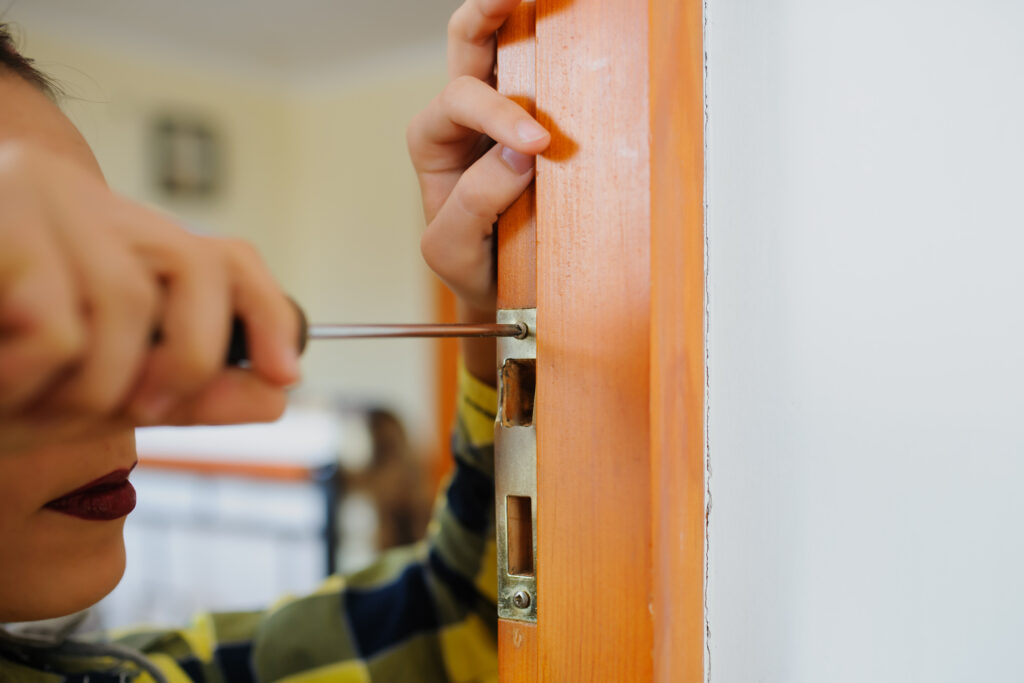
It starts with a simple project. Maybe you are swapping out an old outlet cover, tightening a hinge on a kitchen cabinet door, or finally getting around to replacing that aging light fixture. You reach for your screwdriver, apply some pressure, and then — nothing. The screwdriver just spins. The screw head is gone, or rather, it is still there, but the slot that was supposed to give you purchase has been completely worn away. A stripped screw. It is one of the most quietly infuriating problems a homeowner can face, and it happens constantly. Knowing how to handle it — and what it means for the systems in your home — makes a real difference in how you approach home maintenance overall.
What Is a Stripped Screw and Why Does It Happen
A stripped screw is a fastener whose drive recess — the slot, cross, or star-shaped groove that a screwdriver or bit engages with — has been worn down to the point where it can no longer hold a tool effectively. The metal inside the head has essentially been rounded or shaved away. This typically happens for a few predictable reasons: using the wrong size bit, applying too much torque too quickly, working with a power drill at excessive speed, or simply working with an older screw that has already been removed and reinstalled several times. Softer metals, common in older homes, strip even faster. Once a screw is stripped, the standard tools in most homeowners’ toolkits become useless against it.
The Right Tool for Getting Out a Stripped Screw
Here is where things get practical. The single most effective purpose-built tool for removing a stripped screw is a screw extractor — sometimes called an easy-out. These tools are specifically engineered to grip into damaged metal and reverse a fastener out of its position. They typically work in one of two ways. The first is a spiral flute extractor, which bites into the screw as it turns counterclockwise, using the motion of removal itself to increase its grip. The second is a flat-edged extractor that works more like a specialized flathead, designed to catch whatever groove remains. Beyond dedicated extractors, there are a few other approaches worth knowing about.
- Rubber band method: Place a wide rubber band between the screwdriver and the stripped head to create extra friction and grip
- Rotary tool with a cutting disc: Cut a new flat slot across the damaged head so a flathead screwdriver can engage
- Locking pliers or vice grips: If enough of the screw protrudes above the surface, grip it mechanically and turn
- Screw extractor drill bit set: Available at most hardware stores, these reverse-thread bits are drilled into the center of the screw and then rotated counterclockwise to pull the fastener out
- Impact driver: Delivers a rotational impact that can sometimes break a stripped screw free when a standard drill cannot

Where Stripped Screws Show Up Most Often in a Home
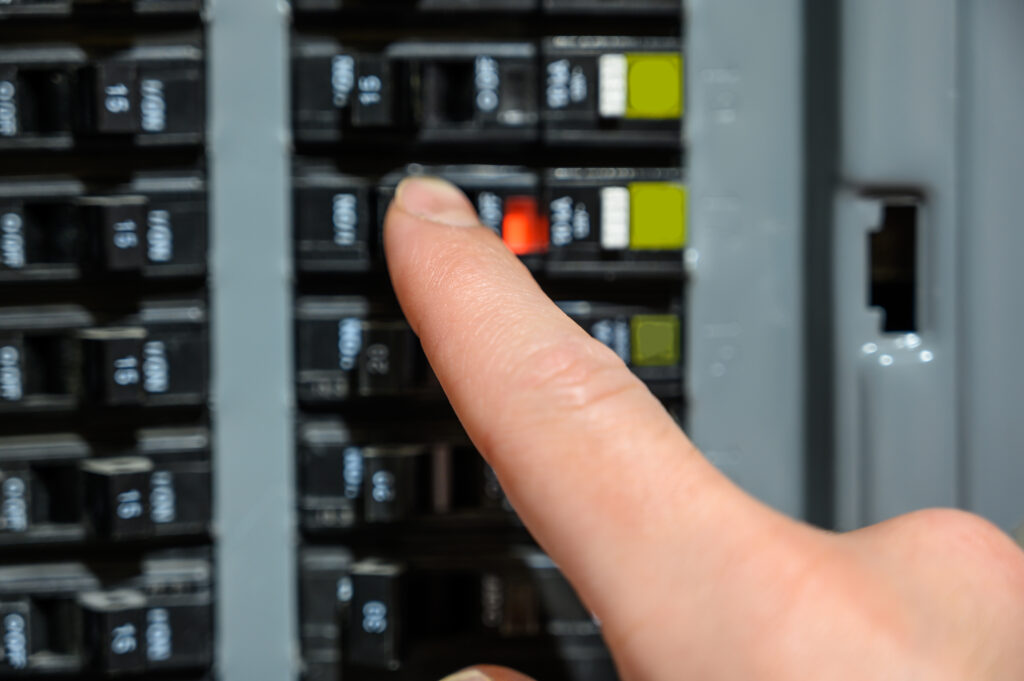
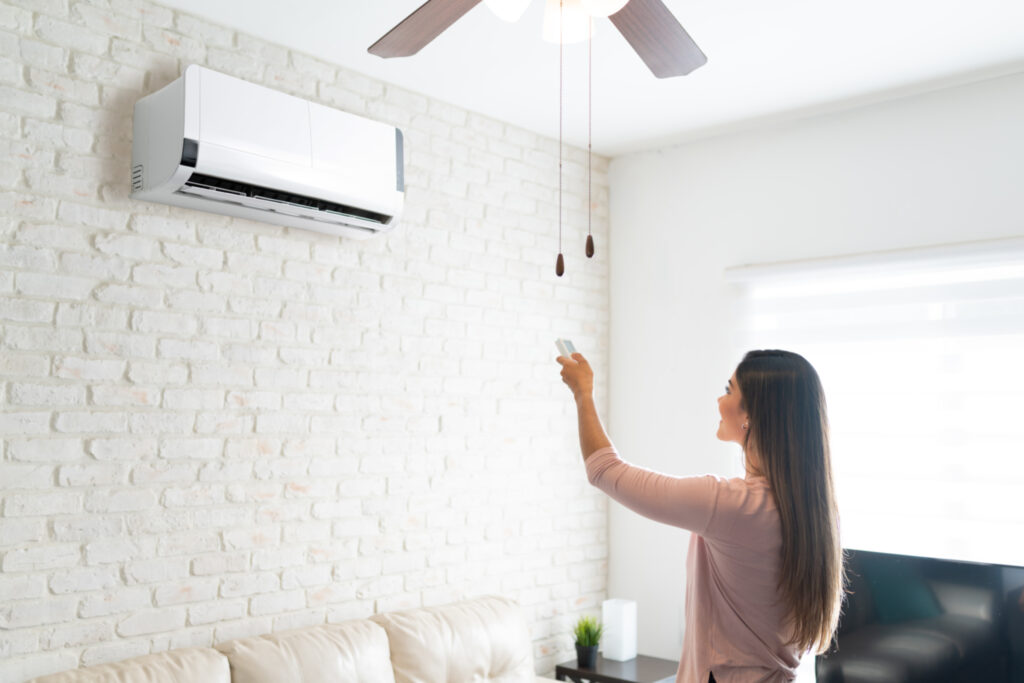
Stripped screws are not random occurrences. They tend to cluster around specific areas of a home, particularly places where fasteners are installed under stress, exposed to moisture, or accessed repeatedly over years of use. Electrical panels and outlet boxes are common culprits, as are HVAC access panels that technicians open for seasonal maintenance. Kitchen and bathroom cabinet hinges experience a lot of movement and are frequently over-tightened. Appliances with access panels — like dryers, dishwashers, and refrigerators — use screws that can be stripped during installation or service visits. Even water heater and furnace panels carry screws that degrade over time. Recognizing these high-risk zones helps homeowners stay proactive.
Key Advantages of Handling Stripped Screws Promptly
Leaving a stripped screw in place might seem harmless, but the downstream consequences can be significant. A stripped screw on an electrical panel cover means that panel cannot be properly secured, which can create safety hazards. A stripped screw on an HVAC access panel may interfere with proper sealing, reducing efficiency. In appliances, damaged fasteners can allow vibration to loosen surrounding components over time. Addressing stripped screws quickly preserves the integrity of whatever system they belong to and prevents what starts as a five-dollar fix from becoming a several-hundred-dollar repair. Speed and the right tool matter more than most homeowners initially realize.
Common Mistakes That Make the Problem Worse
There is a reliable pattern to how stripped screw situations escalate. A homeowner notices the screw is a little hard to turn, applies more force with a screwdriver that is already slightly mismatched, and — within seconds — the head is completely gone. The biggest mistake is continuing to use a tool that is not working. More pressure with the wrong bit never helps; it only removes whatever metal remains. Another common error is skipping pilot holes when driving screws into harder materials, which dramatically increases the odds of stripping on the way in. Using a power drill at full speed without a torque clutch is another frequent culprit, particularly with smaller screws in softer metals like those found on older appliances and electrical fixtures.
Preventing Stripped Screws Before They Happen
Prevention is genuinely straightforward once you understand what causes the damage in the first place. Matching the bit size precisely to the screw head is the single most impactful habit to develop. A Phillips head bit that is even slightly too small will cam out — meaning it will skip out of the groove under pressure — and strip the head in the process. Using a screw holder or magnetic bit extension can help maintain alignment during installation. Applying consistent, straight pressure rather than angling the screwdriver reduces side-load that chews up the drive recess. For power tools, setting an appropriate clutch level prevents over-torquing. A small tube of thread lubricant on older screws going back into place also reduces the friction that leads to stripping.
What Stripped Screws Tell You About Your Home’s Age and Condition
Here is something worth sitting with: a home where stripped screws appear frequently is often a home where systems and components are aging. Older appliances, aging electrical panels, worn cabinet hardware, and deteriorating HVAC units all tend to have fasteners that have been in place — and sometimes removed and reinstalled — for decades. Stripped screws in these contexts are often early indicators that a broader maintenance issue exists. They signal wear. They point to components that may be approaching the end of their service life. A homeowner who pays attention to these small signals is better positioned to anticipate larger system failures before they become expensive emergencies.
How Home Warranty Coverage Connects to Appliance and System Maintenance
When an appliance or home system breaks down — whether because of a failed component, wear over time, or a repair that went sideways — the cost can land hard and fast. A dishwasher motor, a furnace heat exchanger, a water heater element: these are not small-ticket repairs. This is exactly the space where a home warranty earns its value. A home warranty is a service contract that covers the repair or replacement of major home systems and appliances when they fail due to normal use. It is not the same as homeowners insurance, which covers damage from events like fires or storms. A warranty is focused on the mechanical failure that happens simply because things age and wear out — like, for instance, an appliance that has been opened and serviced so many times that its fasteners are stripped and its components are under strain.
Why Armadillo Is the Home Warranty Partner Worth Having in Your Corner
When the real problems show up — the ones beyond a stripped screw and into actual system failure — having the right coverage in place changes everything. Armadillo’s home warranty plans for appliance and system protection are designed for exactly the kind of homeowner who pays attention to the details, notices the warning signs early, and wants to be prepared when something bigger finally gives out. Armadillo covers the systems and appliances that matter most, with straightforward terms that do not require a legal degree to understand. If you are thinking about what it would cost to protect your home before the next repair bill arrives, now is a good time to get a free home warranty quote and see what coverage fits your home. Stripped screws are manageable. A failed HVAC system in July without coverage is a different conversation entirely.

Frequently Asked Questions About Stripped Screws and Home Maintenance
Homeowners dealing with stripped screws for the first time often have a lot of questions. Here are the answers to the ones that come up most often.
What is the fastest way to remove a stripped screw at home?
The rubber band method is often the quickest first attempt — place a wide rubber band over the screw head and press your screwdriver firmly into it before turning. If that fails, a screw extractor bit used with a drill is the most reliable solution for a fully stripped fastener.
Can I use a regular drill to remove a stripped screw?
Yes, but only with the right bit. A standard drill with a reverse-thread screw extractor bit set to counterclockwise rotation can drill into the damaged screw and back it out. Do not attempt this with a forward-spinning standard bit, as it will only make the damage worse.
What causes screws to strip so easily in older homes?
Older homes frequently used softer metal fasteners, and many of those screws have been removed and reinstalled multiple times over decades. Repeated use, oxidation, and the wrong tool size all accelerate stripping in aged hardware.
Is a screw extractor kit worth buying for a homeowner?
Absolutely. A basic screw extractor set costs between ten and thirty dollars and can save hours of frustration and hundreds of dollars in professional labor. It is one of the higher-value additions to any homeowner’s toolkit.
Does a stripped screw always need to be replaced?
Once a screw is stripped, it should be replaced rather than reused. Even if you manage to remove it intact, the drive recess is too damaged to hold a tool reliably for future use, and reinstalling it creates the same problem all over again.
What is the difference between a home warranty and homeowners insurance?
Homeowners insurance covers damage caused by sudden events like fires, storms, and theft. A home warranty is a service contract that covers the mechanical failure of appliances and home systems due to normal wear and age — things insurance typically does not touch.
Can a stripped screw on an appliance void its manufacturer warranty?
Potentially, yes. If a manufacturer determines that the appliance was opened or tampered with improperly — which stripped fasteners can suggest — they may decline to honor a warranty claim. This is one reason to be careful when accessing appliance panels without professional help.
Are there screws that are less likely to strip than others?
Yes. Torx or star-drive screws are significantly more resistant to stripping than traditional Phillips head screws because the driver engages more surface area and does not cam out under torque. Many modern appliances and fixtures now use these fasteners for exactly that reason.
When should a homeowner call a professional instead of handling a stripped screw themselves?
If the stripped screw is inside an electrical panel, connected to gas line components, or part of a system you are not familiar with, stop and call a licensed technician. The screw is a small problem; creating a larger one by working in the wrong area is not worth the risk.
How does home warranty coverage help when appliance repairs go wrong?
If an appliance breaks down due to normal wear — even if the issue was first noticed during a DIY maintenance attempt — a home warranty can cover the cost of professional repair or replacement, depending on the terms of the plan. It removes the financial uncertainty that comes with aging home systems.