
The Simple Fix to a Common Headache: How to Remove a Stripped Screw and Why It Matters in Home Maintenance
You’ve got a project on your hands—maybe it’s tightening up a loose hinge, disassembling a worn-out appliance, or replacing a faulty outlet cover. And then it happens. The screwdriver slips. The head of the screw now has the texture of a soft pretzel. Stripped. Stuck. You try again. And again. No luck. In the world of homeownership, few frustrations bring progress to a standstill like a stripped screw. But understanding how to remove one (and prevent it from happening in the first place) is more than a small repair skill—it’s an essential part of maintaining your home’s systems, appliances, and fixtures. Knowing how to manage this can keep your warranties intact and your sanity preserved.
Stripped Screws and the Larger Picture in Home Systems
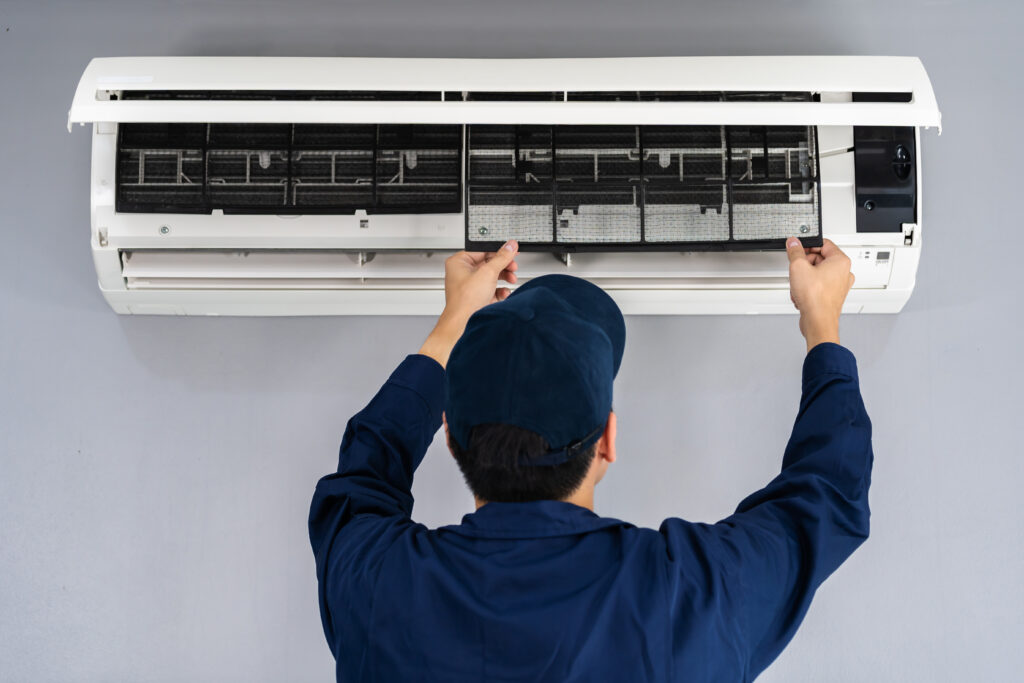
At first glance, a stripped screw might seem insignificant. But when you zoom out, it’s often the gateway to larger issues. Take your HVAC system or built-in appliances. Servicing these often requires removing outer panels or housings screwed in with machine-tight fasteners. If one strip stalls progress, it can delay maintenance, potentially void warranties, and even escalate repair costs. In the home warranty industry, contractors observe this all the time—a routine service call turns into a bigger project because fasteners can’t be removed cleanly. It is not just about saving time, though that’s important. It’s about ensuring that minor upkeep doesn’t turn into system-wide neglect. Maintaining small parts like screws protects the integrity of the system as a whole.
How Stripped Screws Happen
A stripped screw is simply one whose head is too damaged or worn down for a tool (typically a screwdriver or drill) to grip effectively. Most commonly, this happens because of mismatched screwdriver sizes, excessive force, rust accumulation, or poor-quality screws from the outset. When too much torque is applied or angles aren’t aligned precisely, metal starts to shave away. The slots deform quickly, making it increasingly difficult to turn the screw without slipping—and nearly impossible to remove in the traditional way. The materials involved matter too. Softer metals used in cheaper screws are more prone to stripping. Combine that with repeated weather exposure or improper storage in damp environments, and oxidization speeds things up. Suddenly, a 60-second task becomes an hour-long workaround. That delay isn’t something homeowners often factor in, but it adds up across years of living space upkeep.
The Tools That Save the Day
The good news? There’s a specific category of hand tools designed to address stripped screws. These include extraction bits, such as spiral flute extractors and multi-spline extractors. Some work by drilling into the center of the screw shaft and twisting it out in reverse, others grip into the hole and provide the torque you need while increasing your leverage. There’s no single fix-all, but when homeowner tools include the right extractor set—with drill capability, reverse-threaded bits, and fine-point grabbers—many “hopeless” screws can be removed without damage to the system around it. A high-quality screw extractor set saves more than your afternoon. It can rescue components that might otherwise get damaged or need to be forcibly removed, which usually voids manufacturer and home warranty coverage. That’s an expensive price to pay for a bound fastener. Tools matter—just not as much as knowing when to use them.
Practical Uses Around the Home
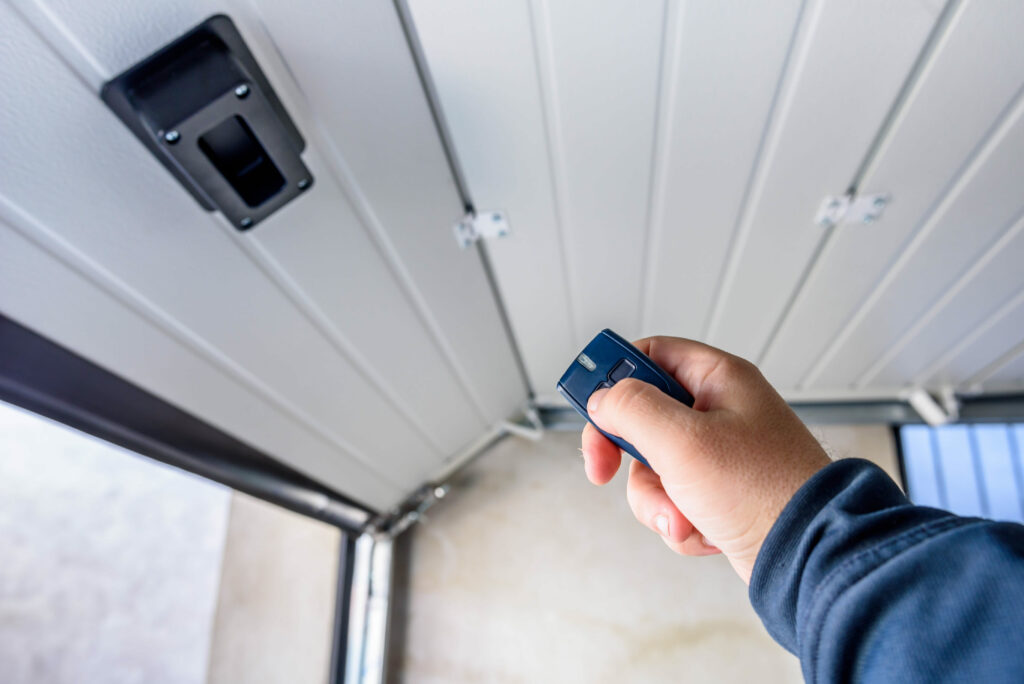
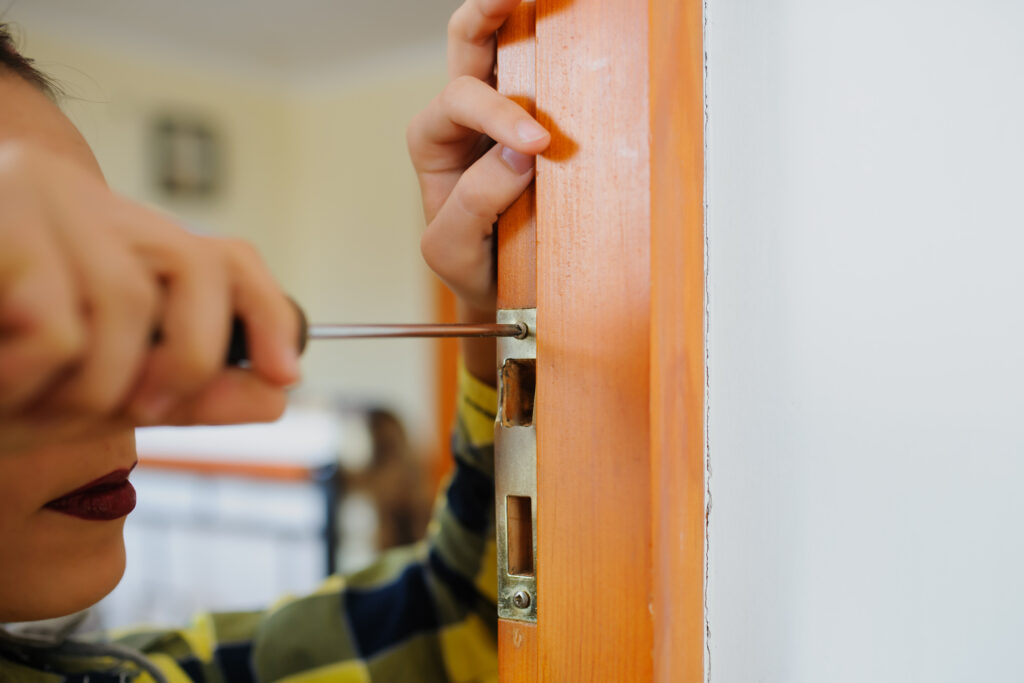
Stripped screws show up everywhere. They’re in door hinges. They’re locking down HVAC panels. They’re fastening the back covers of kitchen appliances like dishwashers or refrigerators. In almost every case, access is essential—whether for regular maintenance, clearing out debris, inspecting parts, or installing a replacement. You might also see them in bathroom fixtures, ceiling fan escutcheons, or garage hardware. When something breaks or underperforms, you often need to open the case to identify the problem. If that’s delayed by a stripped screw, it prolongs downtime and worsens wear. Remember, service professionals called in under your home warranty also need clear access. If screws are immovable and parts aren’t accessible, they may need to disassemble through alternate methods. That can result in additional parts, time, and costs. Worse, in some policies, it may mean the claim becomes non-covered. A simple extraction tool, used at the right time, prevents those outcomes.
Advantages of Knowing How to Remove a Stripped Screw
Removing a stripped screw by yourself gives you several advantages. First and foremost, it’s cost-saving. Avoiding a service call or delay can be worth hundreds. Second, it empowers you to perform basic maintenance confidently—which homeowners often neglect out of fear of “messing something up.” Third, in the context of home warranty protection, it helps maintain eligibility for coverage. Accessibility is critical to processing many claims, especially in areas where complete removal of component casings is required for diagnosis. When you can remove a stripped or seized screw without damaging surrounding hardware or panels, you retain that coverage pathway. And finally, repairing things quickly (or at least not allowing problems to linger) protects the overall performance of the appliance or system. That dishwasher will last a lot longer if you remove that back panel to clean buildup or check hoses, instead of letting moisture sit and electrical contact corrode. A single removed screw can influence the entire appliance’s future. Small effort—big gains.
Drawbacks and Limits of Stripped Screw Removal
Honestly, it’s not a perfect process. Some stripped screws don’t come out easily. They break. They’ve fused with corrosion or heat cycles. The extraction process itself can create heat and wear that damages nearby surfaces, particularly when high-speed drills are involved. And not all tools work in every scenario. Short screws in recessed places like microwave housings are especially challenging. Plus, the tools themselves—while affordable—require some patience and learning. If you’re already flustered because a screw messed up your plans, an unfamiliar tool might feel like one more barrier, especially if the extraction fails or makes things worse. In some cases, it’s smarter to call a professional than risk deeper damage. That’s also where a home warranty becomes an ally. If something’s past the point of DIY, coverage generally allows for quick service scheduling and technician access. Just be sure the area’s removable parts like screws are taken care of beforehand.
Why Armadillo is Your Backup Plan When DIY Isn’t Enough
Home maintenance will throw you curves from time to time. A stuck screw might feel small, but it’s unrecoverable moments like those that cost homeowners the most—time, money, and stress. That’s why Armadillo offers modern, homeowner-first home warranty protection. When the repair challenge is more than you’re ready (or equipped) to handle, our nationwide network of qualified technicians steps in. And whether it’s a small fix or a major system overhaul, we make the process efficient, transparent, and covered—assuming access is in place. Be ready for the big things by handling the small ones right. Learn more at armadillo.one, or get started building your custom home warranty plan now at this link. Homeownership isn’t always simple, but with the right tools—and the right partner—it never has to be overwhelming.