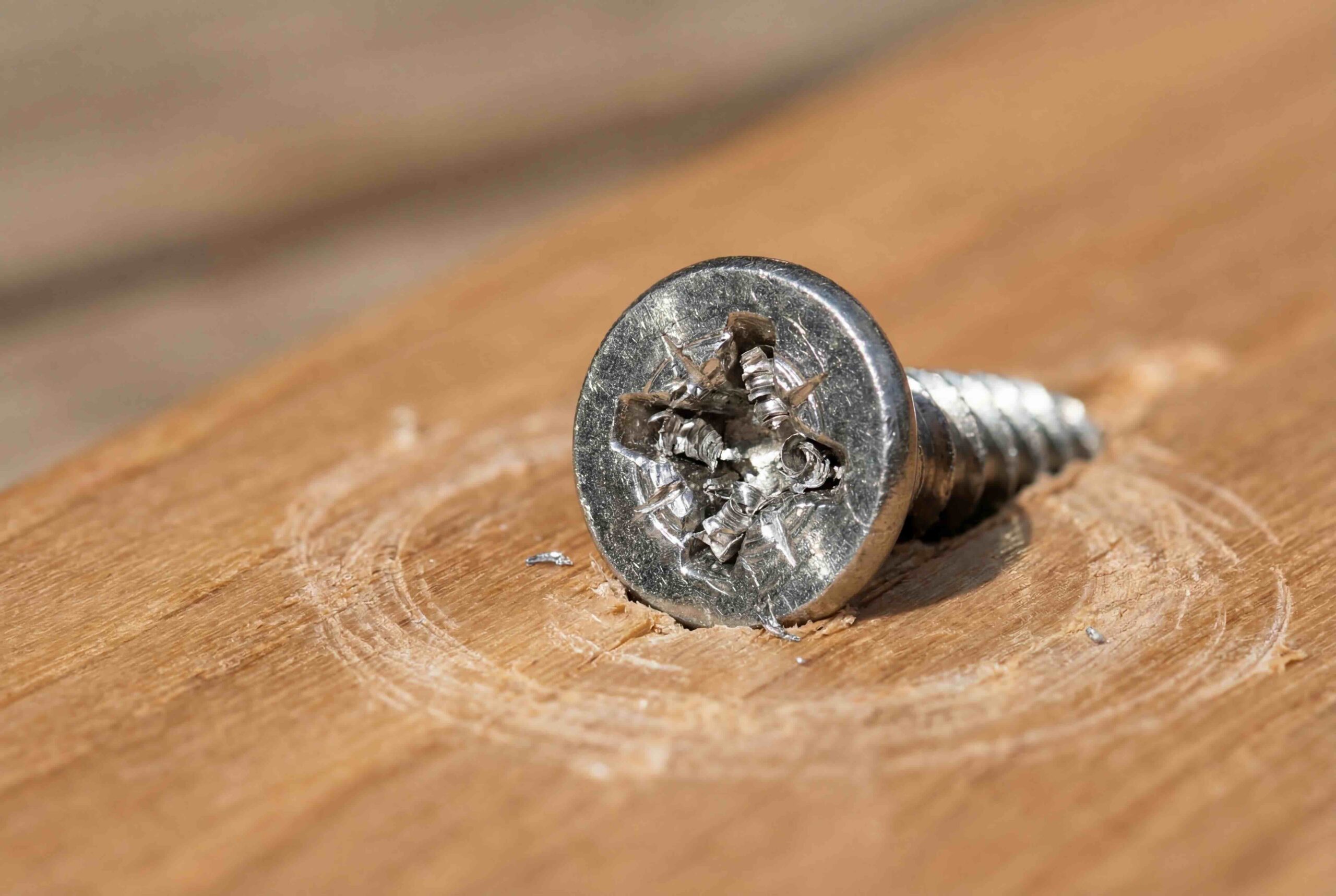
Why Stripped Screws Are More Than Just a Minor Annoyance
You are halfway through fixing a cabinet hinge, replacing a light switch plate, or swapping out a door handle when it happens. The screwdriver slips. The head is gone. The screw is not coming out the normal way, and suddenly a five-minute task has turned into something you did not plan for. Stripped screws are one of those small home repair problems that feel disproportionately frustrating, mostly because they stop everything cold. The good news is that removing a stripped screw is entirely doable with the right approach, and understanding how to handle it can save you time, money, and the kind of stress that makes people give up on home maintenance altogether.
What Exactly Happens When a Screw Gets Stripped
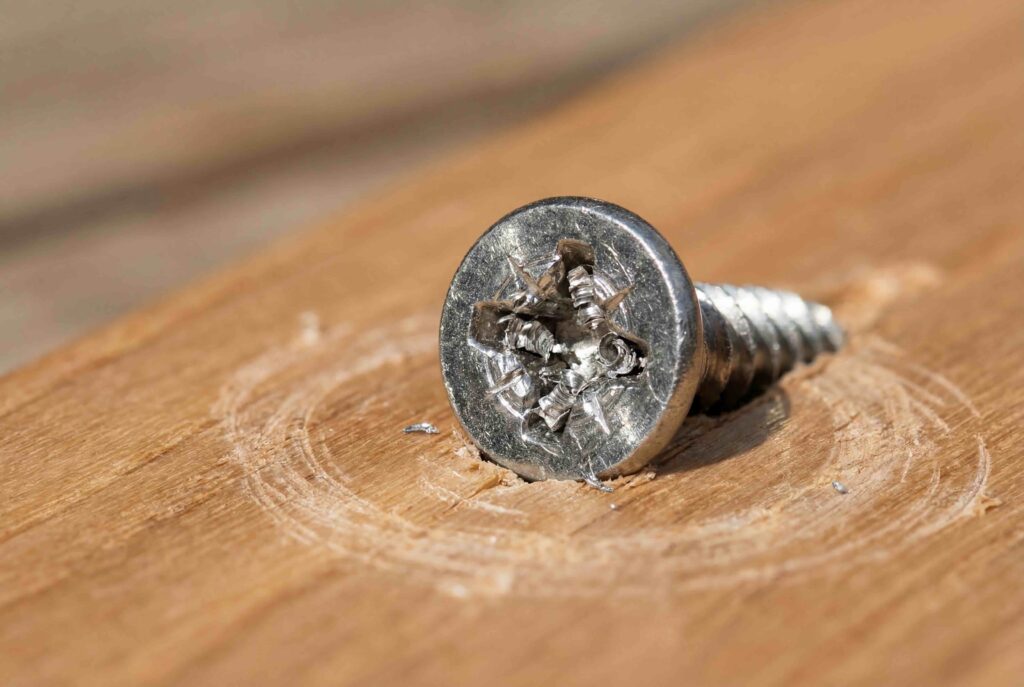
A screw becomes stripped when the drive recess, the slot or cross-shaped groove that your screwdriver fits into, gets worn down to the point where a tool can no longer grip it properly. This usually happens from using the wrong size screwdriver, applying too much torque, or working with a power drill at too high a speed. Older homes see this frequently because screws corrode over time, and metal fatigue makes the head more vulnerable to damage. Once that recess is rounded out or filled with debris, conventional removal becomes impossible. The screwdriver just spins without catching anything useful.
Tools That Actually Work for Removing Stripped Screws
Before reaching for anything, take a breath and assess the damage. The degree of stripping determines which method gives you the best shot at success. There are several reliable tools and techniques that professionals and experienced homeowners use:
- Rubber band method: Place a wide rubber band flat over the screw head, press your screwdriver firmly into it, and turn slowly. The rubber fills in the damaged grooves and adds enough grip to back the screw out.
- Screw extractor bits: These are specialty drill bits designed specifically for this problem. They drill into the stripped head and grip as they turn counterclockwise, pulling the screw free.
- Pliers or locking pliers: If any part of the screw head is still exposed above the surface, grip it with pliers and rotate counterclockwise. This is fast and reliable when there is enough head to grab.
- Dremel or oscillating tool: Cut a new flat-head slot into the top of the screw, then use a flat-head screwdriver to back it out.
- Left-handed drill bits: These rotate opposite to a standard bit, and when used at low speed, they often catch the screw and pull it out before drilling all the way through.
Step-by-Step: How to Remove a Stripped Screw the Right Way
Start by cleaning the screw head. Debris and rust inside the drive recess make every method harder. A quick pass with a wire brush or even a toothpick helps more than people expect. Then try the rubber band method first since it requires no special tools and causes zero damage to surrounding material. If that fails, move to locking pliers if there is any exposed head. For screws that sit flush or below the surface, a screw extractor kit is your best path. Drill a small pilot hole into the center of the stripped head using a left-handed drill bit at low speed. Insert the extractor, apply steady counterclockwise pressure, and the screw should walk right out. Patience matters here. Forcing anything increases the risk of snapping the screw shaft inside the material, which is a much harder problem to fix.

Common Mistakes Homeowners Make When Dealing with Stripped Screws
The biggest mistake is forcing the original screwdriver harder into a damaged head. This rounds out the recess even further, making recovery significantly harder. Another frequent error is using the wrong size screwdriver from the start, which is often what created the problem in the first place. People also tend to skip the extractor kit and go straight to drilling the screw out entirely, which works but leaves you with a hole that needs repairing and a screw that is gone rather than reusable. Skipping the pilot hole when using an extractor bit is another issue. Without it, the extractor can slip and damage the surrounding wood, drywall, or metal surface. Take the slower, more methodical path and the results will be better almost every time.
When Stripped Screws Signal a Bigger Home Maintenance Issue
A single stripped screw is usually just bad luck or a moment of rushing. But if you are consistently finding stripped screws throughout your home, that can be a signal worth paying attention to. Corroded fasteners in HVAC panels, electrical cover plates, and appliance housings suggest deferred maintenance or moisture infiltration. Stripped screws in structural areas like door frames, hinge plates, or subfloor panels can point to settling, warping, or repeated forced entry. These are the moments where a small repair job starts hinting at something larger underneath. Catching and addressing them early is the core of responsible homeownership.
Preventing Stripped Screws Before They Happen
Prevention is genuinely straightforward once you know what causes stripping. Match your screwdriver size exactly to the screw head, and never substitute a close enough fit for the right one. When using a power drill, set the clutch to a lower torque setting to avoid over-driving. Always drill a pilot hole in hardwood or dense material before driving a screw. Keep screwdriver tips clean and replace them when they show wear. For outdoor screws exposed to weather, use corrosion-resistant hardware and apply a small amount of wax or anti-seize compound to make future removal easier. These habits take seconds but save real time down the road.
How This Connects to Home Warranty Coverage
It might seem like a stretch to connect stripped screws to home warranty coverage, but the relationship is more direct than it looks. Many of the systems and appliances in your home, from HVAC units and water heaters to dishwashers and garbage disposals, are accessed and serviced through panels, covers, and housings held together by screws. When a technician arrives to diagnose or repair a covered component, stripped or corroded fasteners can complicate the job and add time to the service call. Understanding basic maintenance tasks like screw removal puts you in a better position to describe problems accurately, facilitate faster repairs, and keep your covered systems functioning properly between professional visits.
The Practical Value of Knowing Your Home Inside and Out
Homeownership rewards people who take the time to understand how things work. Knowing how to remove a stripped screw is a small skill, but it is part of a larger mindset that treats the home as something worth understanding rather than something to react to only when it breaks. That same mindset applies to every system in the house. The more familiar you are with how your appliances, plumbing, electrical, and HVAC systems function, the better equipped you are to catch problems early, communicate clearly with repair professionals, and make smart decisions about when to DIY and when to call for help.
Why Armadillo Is the Right Partner for Homeowners Who Take Maintenance Seriously
Homeowners who stay on top of repairs, learn the basics, and treat maintenance as an ongoing practice are exactly who a home warranty works best for. Armadillo home warranty coverage for appliances and home systems is built around the idea that real homeowners deal with real problems, and they deserve straightforward protection without confusing exclusions or slow service. When your covered systems or appliances break down, Armadillo connects you with qualified technicians quickly, so you spend less time managing logistics and more time living in your home. Whether it is the HVAC system you accessed by removing a stubborn panel screw or the dishwasher that stopped mid-cycle, having a plan in place means you are never starting from zero. If you are ready to protect what matters most in your home, get a free home warranty quote for appliance and system protection and find a plan that fits your home and your budget in minutes.

Frequently Asked Questions About Removing Stripped Screws
Answers to the most common questions homeowners have about dealing with stripped screws, choosing the right tools, and knowing when a small repair points to something bigger.
What is the easiest way to remove a stripped screw at home without special tools?
The rubber band method is the most accessible option. Place a wide rubber band over the stripped head, press your screwdriver firmly into it, and turn slowly counterclockwise. The rubber fills the damaged grooves and provides enough friction to back the screw out in many cases.
Do I need a screw extractor kit, or can I get by without one?
For screws that sit flush with the surface or are deeply embedded, a screw extractor kit is the most reliable option. For screws with any exposed head above the surface, locking pliers may be sufficient. Having an extractor kit on hand is a worthwhile investment for any homeowner.
What causes screws to strip in the first place?
Stripping is most commonly caused by using the wrong size screwdriver, applying too much torque with a power drill, or working with screws that have corroded over time. Rushing the process or using worn-out screwdriver tips also contributes to the problem.
Can I reuse a screw after it has been stripped?
In most cases, no. Once the drive recess is damaged, the screw will strip again the next time it is driven or removed. Replacing it with a new screw of the same size and thread type is the better choice.
Is it possible to drill out a stripped screw completely?
Yes. If extraction methods fail, drilling through the screw shaft is an option. Use a bit slightly smaller than the screw shaft, drill straight through the center, and the fastener will lose its hold. Keep in mind this destroys the screw and may leave a hole that needs patching.
How do I prevent screws from stripping when using a power drill?
Set the drill clutch to a lower torque setting so it disengages before over-driving the screw. Use the correct bit size, keep your drill angle perpendicular to the surface, and apply steady, even pressure rather than forcing the tool.
Are stripped screws covered under a home warranty?
Stripped screws themselves are not a covered item under a home warranty. However, if a technician encounters stripped fasteners while servicing a covered appliance or system, the repair to the covered component itself would still fall under the warranty terms.
What should I do if a screw snaps off inside the wall or material?
If the broken shaft protrudes at all, grip it with locking pliers and rotate counterclockwise. If it is flush or below the surface, use a screw extractor designed for broken bolts. In some cases, drilling around the shaft and using a plug to fill the hole is the most practical solution.
Does the type of screw material affect how easily it strips?
Yes. Softer metals like zinc or low-grade steel strip more easily than hardened steel or stainless steel. Outdoor screws exposed to moisture corrode over time, making their drive recesses more fragile and prone to stripping even under normal torque.
When should I call a professional instead of removing a stripped screw myself?
If the stripped screw is part of a structural component, an electrical panel, or a gas appliance housing, call a licensed professional. Working on systems that carry safety risk requires proper training and tools, and the potential consequences of a mistake outweigh the cost of professional service.