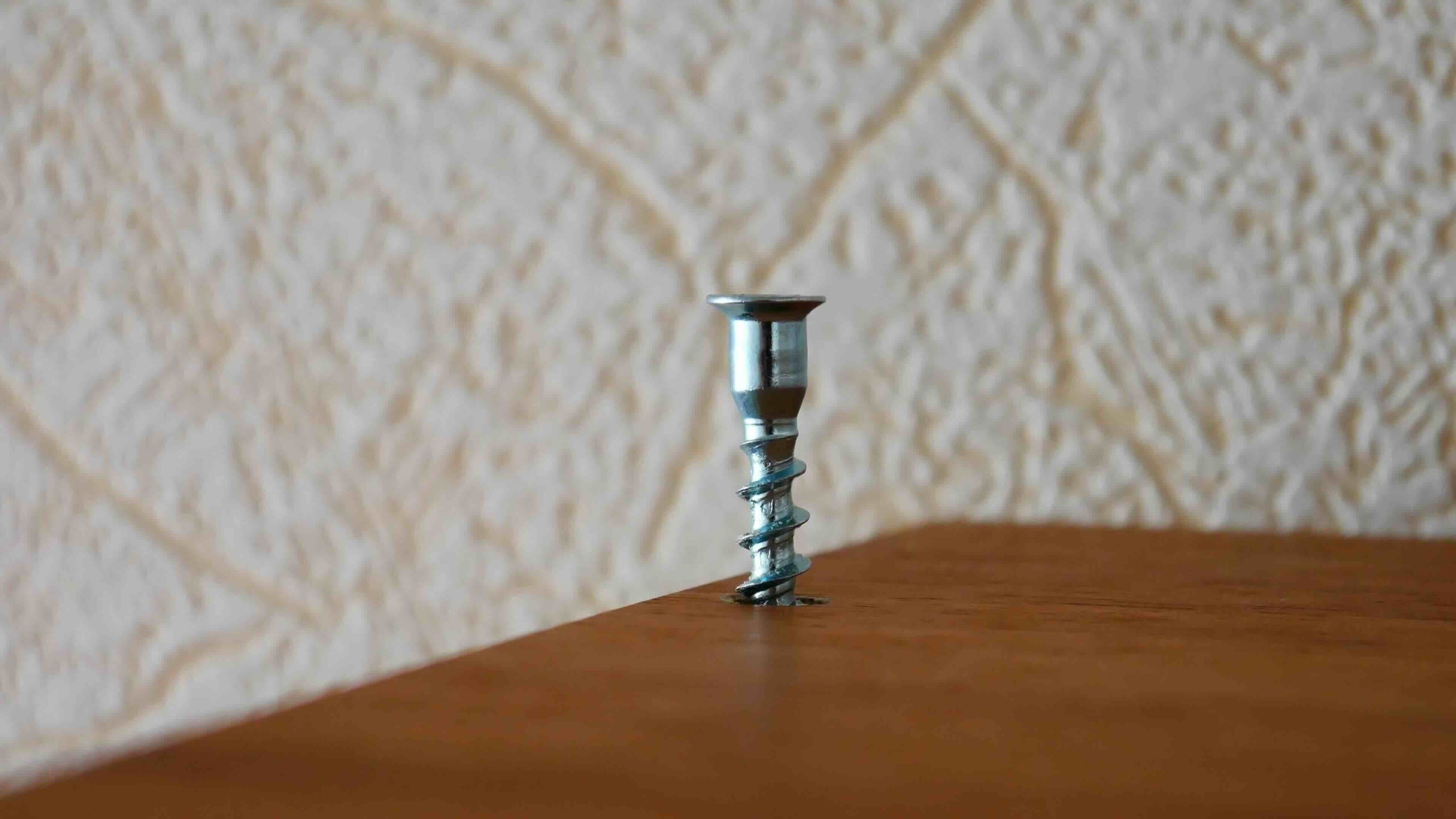
How to Get a Stuck Screw Out — And What It Means for Your Home
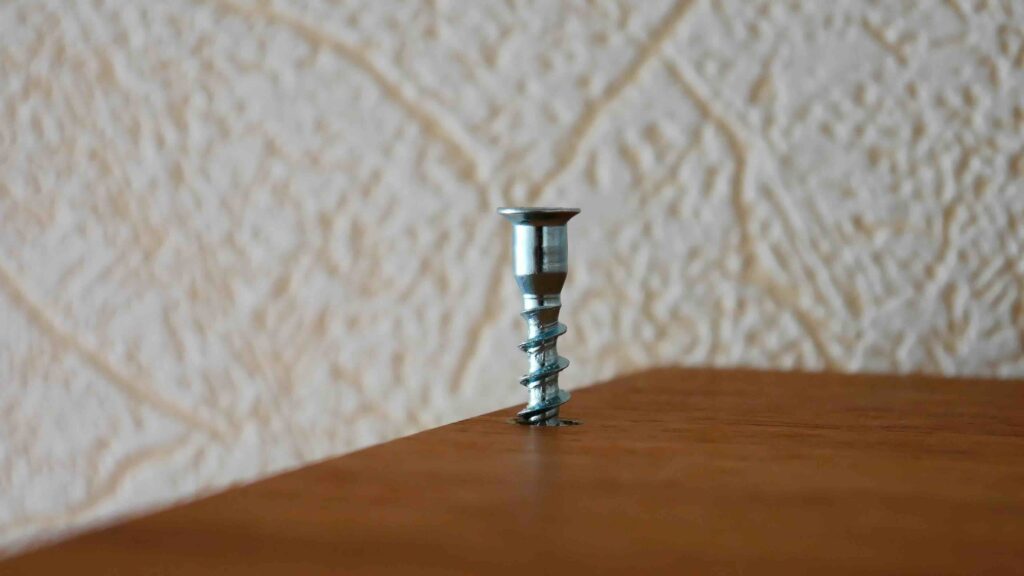
It always starts the same way. You are midway through a simple repair — maybe tightening a hinge, swapping out a light fixture, or pulling apart an appliance panel — and the screw just will not budge. It spins, strips, and eventually becomes the most frustrating object in your house. Knowing how to remove a stuck screw is one of those foundational home maintenance skills that almost every homeowner will need at some point, and yet most people have never actually been taught how to do it properly. This guide breaks it all down, step by step, with the kind of practical detail that actually gets the job done.
Why Screws Get Stuck in the First Place
Before attempting any removal method, it helps to understand what is actually happening. Screws can become stuck for several reasons. Corrosion and rust are the most common culprits, especially in bathrooms, kitchens, or anywhere moisture is present. Over time, the metal oxidizes and essentially fuses to the surrounding material. Paint and adhesive buildup can also lock a screw in place, particularly in older homes where layers of paint have accumulated over decades. Then there is cross-threading, where a screw was installed at an angle and has since embedded itself awkwardly into the material. Understanding the cause helps you choose the right removal approach.
Tools You Will Actually Need
This is not a situation where improvisation usually pays off. Having the right tools on hand before you start makes the process significantly less painful. Here is what you should gather before attempting any removal method:
- A set of flathead and Phillips screwdrivers in multiple sizes
- A rubber band or steel wool for improving grip
- Penetrating oil such as WD-40 or a purpose-made lubricant
- A screw extractor kit
- A drill with reverse capability
- A hammer and center punch
- Needle-nose pliers for exposed screw heads
The screw extractor kit is worth purchasing if you do not already own one. It is an inexpensive investment that can save considerable time and prevent damage to surrounding materials.
Start Simple: The Grip and Turn Method
Before reaching for power tools or chemicals, try the most straightforward approach. Place a wide rubber band flat over the screw head, then press your screwdriver firmly into it. The rubber creates additional friction between the driver tip and the stripped or rounded head, which is often enough to break the seal and get things moving. Similarly, a small piece of steel wool pressed into the screw slot can achieve the same effect. Apply firm downward pressure as you turn — this is important because most people pull the driver away from the screw as they twist, which is exactly the wrong move. Keep the tool pressed in hard and rotate slowly.
When Lubrication Is the Answer
If the screw has been sitting in metal or wood for years and corrosion is the issue, penetrating oil is your next step. Apply a small amount directly to the base of the screw head where it meets the surface. Then wait. This is the part people skip, and it is the reason many attempts fail. The oil needs time — ideally 15 to 30 minutes — to work its way into the threads and break down the oxidation. After that soak time, try the grip method again. In stubborn cases, applying gentle heat from a heat gun before attempting removal can expand the metal slightly and loosen the bond. Be cautious with heat near wood, drywall, or any flammable material.
Breaking Out the Screw Extractor
If grip and lubrication have not done the job, it is time to use a screw extractor. These are reverse-threaded drill bits designed specifically for this purpose. You start by using a center punch to create a small indent in the center of the screw head — this prevents your drill bit from wandering. Then drill a small pilot hole into the screw using a standard bit, keeping the drill perpendicular to the surface. Next, switch to the extractor bit, set your drill to reverse, and apply steady pressure. The reverse threading causes the extractor to grip the screw and back it out as it turns. This method works on the vast majority of stuck screws and is well worth learning.

Last Resort Options for Truly Stubborn Screws
Occasionally, a screw is so badly damaged or corroded that none of the above methods will work. In these cases, you have a few remaining options. If the screw head is protruding even slightly from the surface, needle-nose pliers or locking pliers can grip it and rotate it out with enough torque. If the head is completely stripped beyond use, you may need to drill it out entirely using a drill bit just slightly larger than the screw shaft. This removes the head and allows you to pull the remaining shank out with pliers once the component is freed. In rare cases with hardened or specialty screws, a rotary cutting tool can be used to create a new slot across the head for a flathead driver.
Preventing Stuck Screws Before They Happen
Prevention is almost always easier than the cure. A few simple habits can significantly reduce the chances of encountering a stuck screw during future repairs:
- Apply a small amount of wax, petroleum jelly, or anti-seize compound to screw threads before installation
- Use stainless steel or coated screws in areas exposed to moisture
- Avoid overtightening screws, which can strip threads and cause binding
- Use the correct screwdriver size every time — using the wrong size is one of the most common causes of stripped heads
- Periodically inspect and lightly lubricate screws in appliances or fixtures that see heavy use
How Stuck Screws Connect to Bigger Home Repair Headaches
Here is something worth considering. A stuck screw is rarely just a stuck screw. It is usually a signal that something in your home needs attention — a deteriorating appliance panel, a corroded fixture mount, aging HVAC equipment, or a mechanical component that has been quietly wearing out. These small signs often point to larger maintenance needs. When you start encountering stuck hardware during routine upkeep, it can be an indicator that your home systems and appliances are getting older and may be approaching the end of their service life. That is exactly the kind of situation where having financial protection in place matters.
Why a Home Warranty Belongs in Every Homeowner’s Toolkit
Removing a stuck screw is a skill. Knowing what to do when the appliance or system behind that screw completely fails is a different challenge entirely. That is where Armadillo home warranty coverage for appliances and home systems becomes genuinely valuable. When a stuck screw leads you to discover that your dishwasher motor is burned out, your HVAC blower has failed, or your garbage disposal has given up entirely, repair and replacement costs can climb fast. Armadillo is built to handle exactly those moments — the ones that come with no warning and no convenient timing. With straightforward coverage, transparent terms, and a claims process that does not require a law degree to navigate, Armadillo takes the financial uncertainty out of home ownership. If you are ready to stop crossing your fingers every time something makes a new noise, you can get a free home warranty quote for appliance and system protection in just a few minutes. Peace of mind is worth it.

Frequently Asked Questions About Removing Stuck Screws
Here are answers to the questions homeowners ask most often when dealing with stripped, rusted, or stuck screws during home repairs and maintenance.
What is the easiest way to remove a stripped screw?
Place a rubber band over the screw head, press the screwdriver firmly into it, and apply steady downward pressure while turning slowly. The rubber increases friction and is often enough to grip a lightly stripped screw and back it out.
Does WD-40 really help loosen stuck screws?
Yes, but patience is required. Apply the penetrating oil to the base of the screw head and let it sit for 15 to 30 minutes before attempting removal. The oil needs time to work into the threads and break down corrosion.
What is a screw extractor and how does it work?
A screw extractor is a reverse-threaded drill bit designed to grip and remove damaged screws. You drill a small pilot hole into the screw head, insert the extractor, and use a reverse-direction drill to back the screw out.
Can I remove a screw with a completely stripped head?
Yes. If the head is fully stripped, you can use locking pliers if the head is raised, drill it out with a bit slightly larger than the shaft, or use a rotary tool to cut a new slot across the head for a flathead screwdriver.
Why do screws get stuck in appliances and home fixtures?
Corrosion from moisture exposure, paint or adhesive buildup, overtightening during installation, and age-related metal fatigue are the most common causes. Appliances and fixtures in kitchens and bathrooms are especially prone to stuck screws.
Is it safe to use heat to loosen a stuck screw?
A heat gun can be effective for metal-to-metal applications because thermal expansion loosens the bond. Use caution near wood, drywall, insulation, or any flammable material, and never use an open flame for this purpose.
How can I prevent screws from getting stuck in the future?
Apply a light coat of wax, petroleum jelly, or anti-seize compound to screw threads before installation. Use moisture-resistant screw materials in humid areas, always use the correct driver size, and avoid overtightening.
When should I call a professional instead of DIYing a stuck screw?
If the stuck screw is part of a load-bearing structure, an electrical panel, or a gas appliance, contact a licensed professional. Damage to these systems from improper repair attempts can create serious safety risks.
Can a home warranty cover repairs that involve stuck or corroded hardware?
Home warranties typically cover the failure of covered systems and appliances due to normal wear and tear. If corroded or stuck hardware is a symptom of a covered mechanical failure, that repair may be eligible under your warranty terms. Review your specific plan for details.
What should I do if I accidentally damage a component while trying to remove a stuck screw?
Stop the repair and assess what was affected. If it involves a covered appliance or home system and the damage resulted from normal wear, contact your home warranty provider to file a claim before proceeding with further disassembly or repair.