Why Your Stainless Steel Appliances Always Look Dirty (And What to Actually Do About It)
You spent good money on those stainless steel appliances. The refrigerator, the dishwasher, the range — they looked incredible on day one. Then someone opened the fridge, and suddenly there were fingerprints everywhere. That is just the nature of stainless steel. It is beautiful, durable, and somehow magnetically attracted to every smudge, oil transfer, and handprint that comes near it. The good news is that removing fingerprints from stainless steel is not complicated once you understand what you are working with. The better news is that keeping your appliances looking sharp is something any homeowner can manage with minimal effort and the right approach.
What Makes Stainless Steel Such a Fingerprint Magnet
Stainless steel gets its name from its resistance to rust and corrosion, not its resistance to fingerprints. The surface is actually quite porous on a microscopic level, and the natural oils from your skin transfer easily onto it. Those oils cling to the surface and attract dust and debris on top of that. The result is a smudgy, dull-looking appliance that somehow seems worse than a surface that never tries to look polished at all. The grain of the stainless steel, which runs either horizontally or vertically depending on the appliance, also plays a role in how visible smudges appear. Understanding this from the start helps you clean more effectively and prevents accidental scratching from wiping in the wrong direction.
The Right Tools for the Job
Before you grab whatever is under the sink, it is worth knowing that not all cleaning products are safe for stainless steel. Some can actually damage the surface, strip its protective layer, or leave behind residue that makes future cleaning harder. Here is what actually works well:
- Microfiber cloths, which are gentle enough to avoid scratching and absorbent enough to lift oil
- Dish soap diluted in warm water for general cleaning and light fingerprint removal
- Rubbing alcohol or white vinegar applied sparingly for more stubborn smudges
- Commercial stainless steel cleaners and polishes designed specifically for appliance surfaces
- Mineral oil or baby oil as a finishing step to repel future fingerprints
What you want to avoid is steel wool, abrasive scrub pads, bleach-based cleaners, and anything with chlorine. These can scratch or pit the surface in ways that are not reversible and can actually compromise the corrosion resistance that makes stainless steel worth using in the first place.
Step-by-Step: How to Remove Fingerprints from Stainless Steel
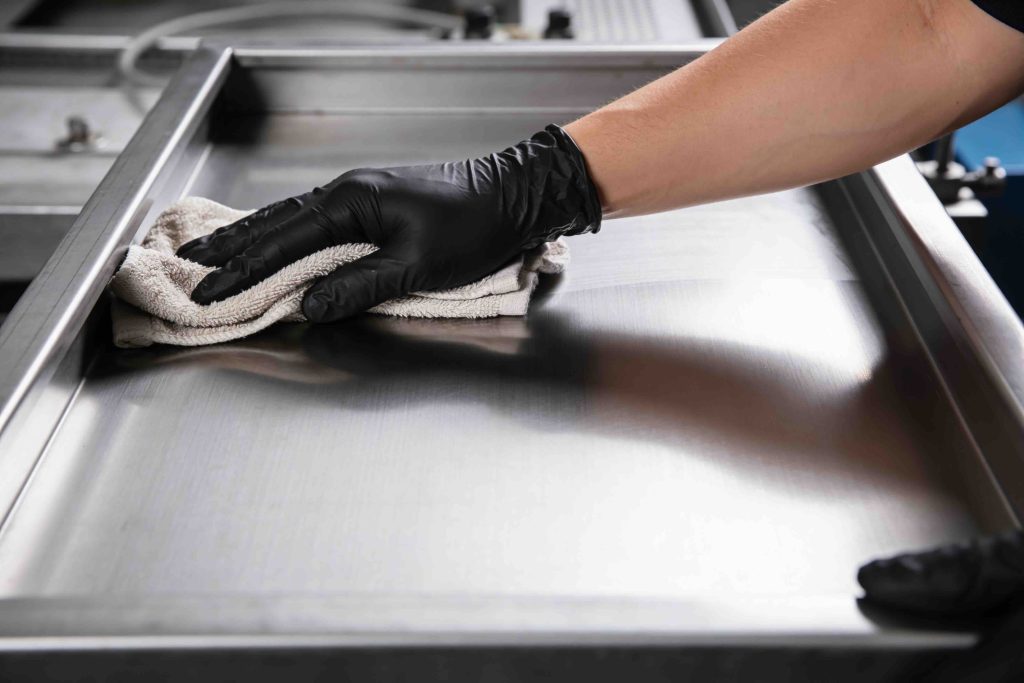
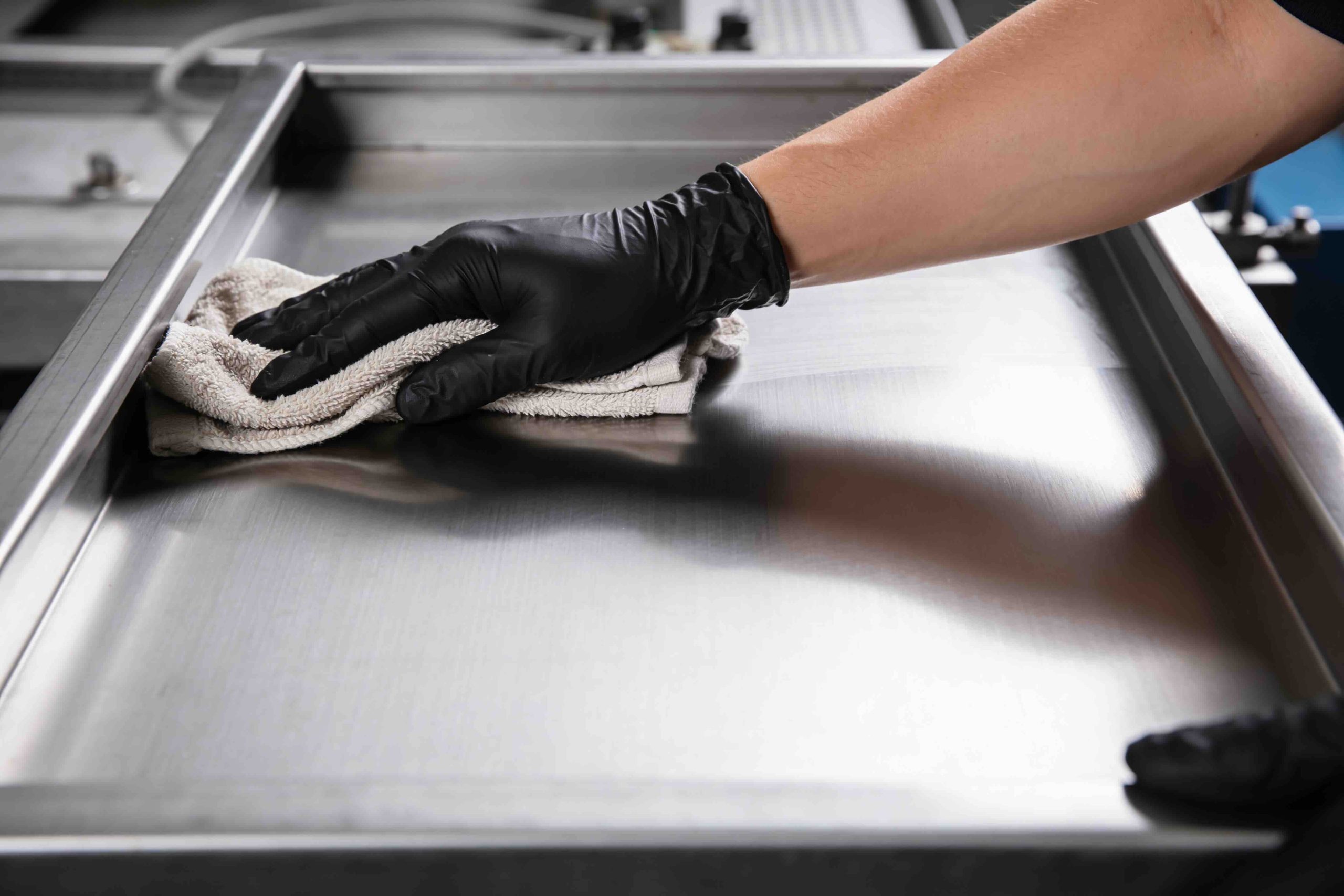
The process is straightforward once you know the steps. Start by identifying the grain direction on your appliance. Run your finger lightly across the surface and notice whether it feels smoother going left to right or up and down. You always want to wipe with the grain, not against it. Wiping against the grain can create micro-scratches that dull the finish over time. Once you have identified the grain, dampen your microfiber cloth with warm water and a small drop of dish soap. Wipe down the surface following the grain, applying light pressure. For stubborn fingerprints or oily buildup, apply a small amount of rubbing alcohol to a clean section of your cloth and go over those spots again. Finish by buffing the surface dry with a separate clean microfiber cloth. The drying step matters more than most people realize, because water left sitting on stainless steel can leave its own marks behind.

How to Keep Fingerprints Away Longer
Cleaning is one thing, but prevention is where most homeowners do not spend enough time. After you have cleaned your stainless steel surface and dried it thoroughly, apply a very thin layer of mineral oil or baby oil using a fresh microfiber cloth. Rub it in following the grain, then buff away any excess. This creates a light barrier that makes it harder for skin oils to bond directly with the metal surface. The result is not a fingerprint-proof appliance, because nothing truly is, but it is a surface that wipes down much more easily and stays cleaner between deep cleans. Some homeowners do this once a month, others every few weeks. Either approach works fine depending on how much traffic your kitchen sees.
Common Mistakes Homeowners Make When Cleaning Stainless Steel
A few habits can undermine even the best cleaning routine. Wiping in circular motions is one of the most common mistakes, and it tends to spread oils around rather than lift them while also ignoring the grain direction entirely. Using paper towels is another issue, since they are slightly abrasive and can leave lint behind. Spraying cleaner directly onto the surface instead of onto the cloth is a problem too, because excess liquid can seep into seams around handles and control panels. Taking a moment to adjust these habits will produce noticeably better results with the same amount of effort.
What About Fingerprint-Resistant Stainless Steel
Many appliance manufacturers now offer what they call fingerprint-resistant stainless steel, which is typically a standard stainless steel surface with a factory-applied coating that reduces oil adhesion. These surfaces do work better than uncoated stainless steel in terms of day-to-day smudging, but they are not completely immune. The key difference is that the coating can be damaged by harsh cleaners, so these surfaces require even gentler care than standard stainless steel. If you have a fingerprint-resistant appliance, stick to warm water and a microfiber cloth for routine cleaning and skip the vinegar or alcohol unless the manufacturer explicitly says those are safe to use.
When Cleaning Is Not Enough: Scratches and Deeper Damage
If your stainless steel has scratches that are visible even after cleaning, that is a different situation entirely. Light surface scratches can sometimes be minimized using a stainless steel scratch repair kit or by carefully rubbing in the direction of the grain with a very fine scotch-brite pad designed for the purpose. Deeper scratches, dents, or rust spots may indicate a need for professional attention or eventual appliance replacement. It is worth noting that some damage that appears to be rust is actually rust from an external source, like a steel wool pad left on the surface, rather than corrosion of the appliance itself. In those cases, a rust remover product designed for stainless steel can sometimes resolve the issue.
How Your Home Warranty Connects to Appliance Care
Keeping your stainless steel appliances clean is a cosmetic concern, but it also signals something larger: the importance of actively caring for the systems and appliances throughout your home. Appliances that are well-maintained tend to last longer, perform better, and give you earlier warning signs when something is starting to go wrong. But even the most carefully maintained appliances eventually break down due to mechanical or electrical failure. That is where a home warranty becomes genuinely valuable. A home warranty is not the same as homeowners insurance. It is a service contract that covers the repair or replacement of home systems and appliances when they fail due to normal wear and tear, which is exactly the kind of failure that no amount of microfiber cloth work can prevent.

Why Armadillo Is the Right Partner for Appliance-Conscious Homeowners
You take care of your home. You clean your appliances the right way, you maintain your systems, and you pay attention to the small things that add up to a well-functioning household. Armadillo was built for homeowners like you. As a home warranty provider designed for modern homeowners who care about appliance protection and long-term value, Armadillo offers coverage that is straightforward, fairly priced, and backed by a service experience that does not feel like a fight every time you need to file a claim. When your refrigerator compressor gives out or your dishwasher stops draining, you should not have to spend hours on hold or decipher confusing exclusion language. Armadillo keeps things clear. If you are ready to stop hoping your appliances outlast their luck, take a few minutes to get a personalized home warranty plan that covers the kitchen appliances you rely on every day. Your stainless steel deserves better than fingerprints. Your home deserves better than unexpected repair bills.
Frequently Asked Questions About Removing Fingerprints from Stainless Steel
Here are answers to the questions homeowners ask most often about keeping stainless steel appliances clean and fingerprint-free.
What is the fastest way to remove fingerprints from stainless steel appliances?
The fastest method is to dampen a microfiber cloth with a small amount of rubbing alcohol and wipe in the direction of the grain. Buff dry with a clean cloth immediately after for a streak-free finish.
Can I use Windex on stainless steel?
Glass cleaners like Windex are generally not recommended for stainless steel because they can leave streaks and may contain ingredients that are not ideal for metal surfaces over time. A diluted dish soap solution or a dedicated stainless steel cleaner is a better option.
Does vinegar damage stainless steel?
White vinegar used sparingly and wiped off promptly is generally safe for standard stainless steel. However, it should be avoided on fingerprint-resistant coated surfaces and should never be left sitting on the surface for extended periods.
How do I find the grain direction on my stainless steel appliance?
Look closely at the surface under good lighting. You will notice very fine parallel lines running either horizontally or vertically. You can also run a dry finger across the surface in both directions, and it will feel slightly smoother when going with the grain.
How often should I clean my stainless steel appliances?
For high-traffic appliances like refrigerators and dishwashers, a light wipe-down two to three times per week keeps fingerprints manageable. A deeper clean with oil treatment once or twice a month is typically sufficient for maintaining a polished appearance.
Will baby oil really help repel fingerprints?
Yes. A thin layer of baby oil or mineral oil applied after cleaning creates a light barrier that makes it harder for skin oils to bond with the surface. It does not eliminate fingerprints entirely but does make them far less visible and easier to wipe away.
Is fingerprint-resistant stainless steel worth the extra cost?
For households with children or high kitchen activity, fingerprint-resistant stainless steel can be worth the investment because it requires less frequent cleaning. However, the coating requires gentler care, and the surface still needs regular maintenance to look its best.
Can scratches on stainless steel be repaired?
Light surface scratches can often be minimized using a stainless steel scratch repair kit or a fine abrasive pad rubbed carefully in the direction of the grain. Deep scratches, dents, or extensive surface damage typically require professional assessment or appliance replacement.
Does a home warranty cover stainless steel appliance repairs?
Home warranties cover mechanical and electrical failures in appliances due to normal wear and tear. Cosmetic issues like scratches or dents are not covered, but functional failures such as a broken compressor, faulty motor, or failed heating element typically are covered depending on your plan.
What stainless steel appliances are typically covered under a home warranty?
Coverage varies by provider and plan, but common appliances covered include refrigerators, dishwashers, built-in microwaves, ranges, and ovens. Reviewing your specific plan details will confirm which appliances are included and under what conditions repairs or replacements are authorized.