How to Get Rid of Fire Smoke in Your Home: What Every Homeowner Should Know
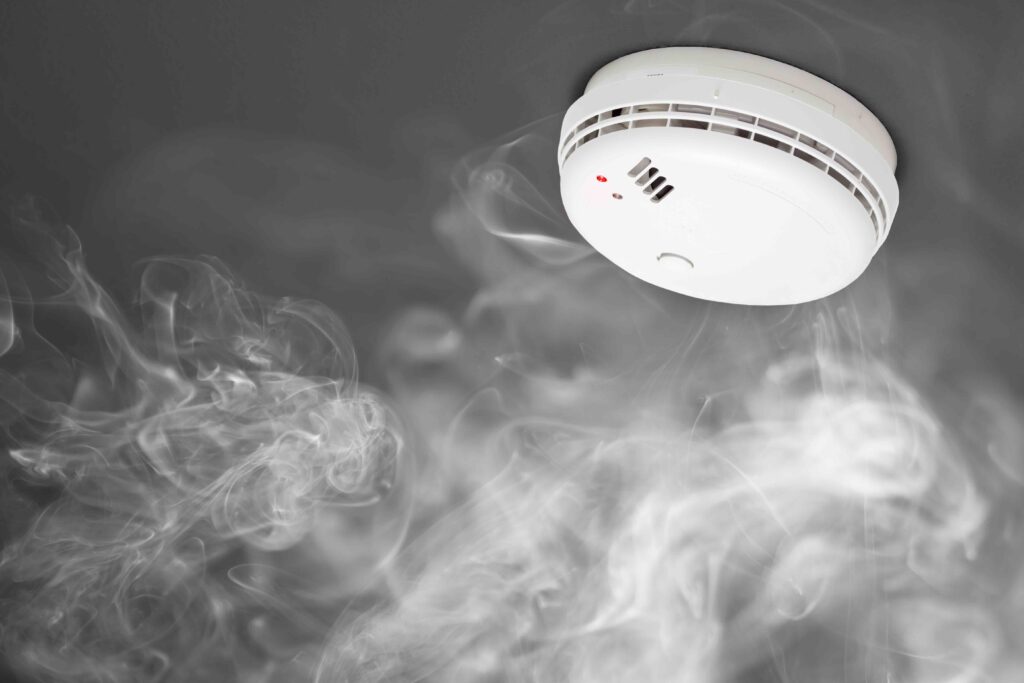
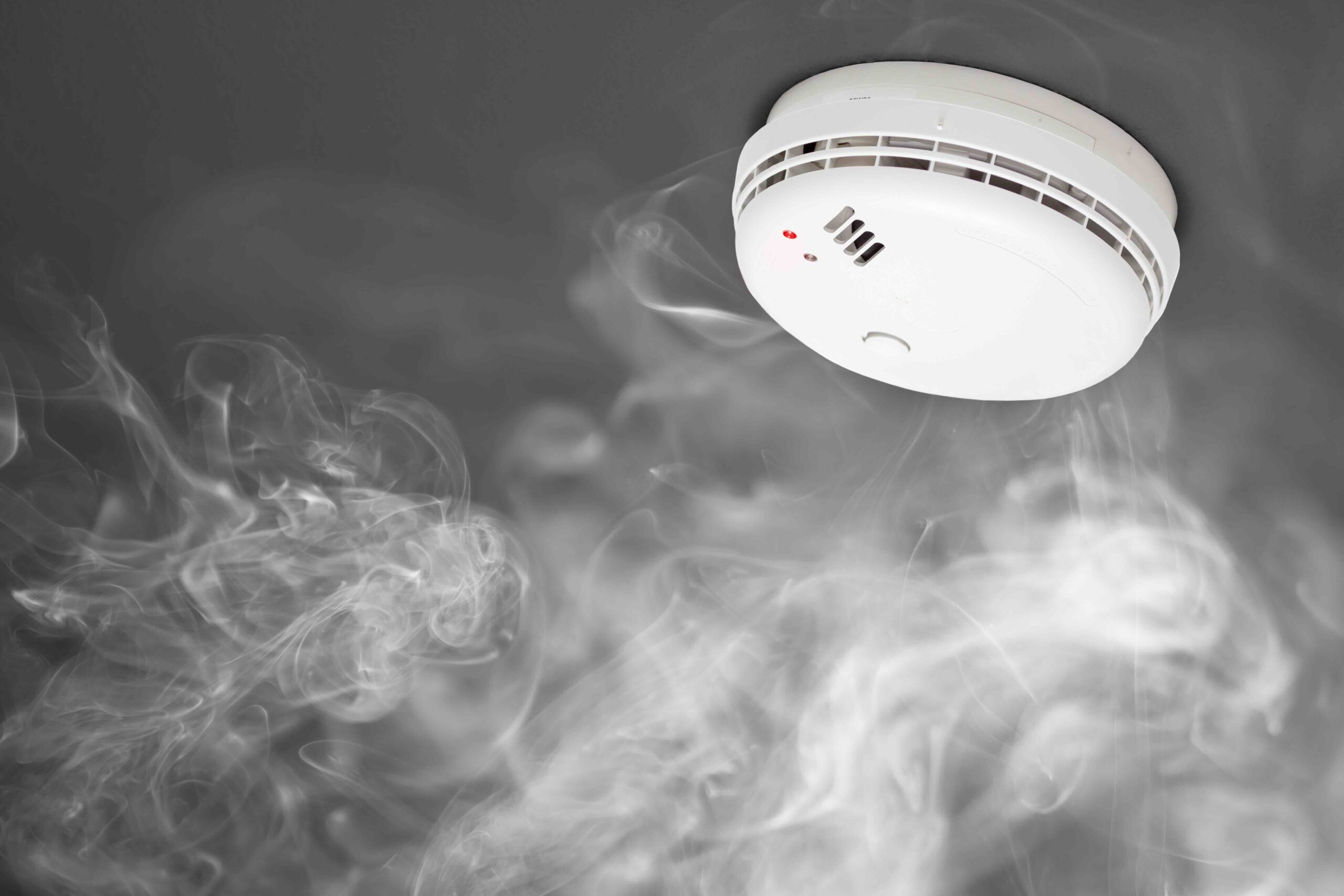
Fire smoke inside the home is one of those household issues that can linger longer than expected—sometimes long after the visible danger is gone. Whether from a kitchen mishap, fireplace backdraft, or a nearby wildfire, residual smoke and soot pose threats not just to your home’s aesthetic but also to its air quality and structural integrity. Understanding how smoke behaves, the systems that control indoor air, and the mechanisms available for eliminating smoke residues is essential for informed, prompt action. Know the systems that can help and the precise steps for managing the aftermath. Your home—and your health—depend on it.
Understanding What Happens When Smoke Enters Your Home
When smoke invades your home, it does more than cloud the air. Smoke carries microscopic particulates, carbon monoxide, heavy metals, and various chemical compounds. These particles settle on surfaces and embed themselves into porous materials like drywall, upholstery, and carpeting. Your HVAC system can also inadvertently circulate these contaminants throughout your home. The smell may linger, but what’s more concerning is invisible residue that sticks to everything it touches, continuing to pollute indoor air even days later. To tackle smoke damage effectively, homeowners must address it as both an airborne and surface-level contaminant.
How Your HVAC System Responds to Smoke Events
After a fire, your HVAC system usually becomes the primary vehicle carrying smoke from one part of your home to another. If running during the event, the system pulls airborne contaminants into the return ducts and redistributes them via supply vents. This process not only allows particulate infiltration into rooms far from the original fire source but also creates a secondary issue: smoke smell embedded in the system itself. Filters will trap some debris, but most residential filters aren’t designed to capture smoke particles. What’s more, your ductwork, blower fans, and coils can hold onto harmful residues if not professionally cleaned or replaced. Addressing the HVAC system promptly is critical in preventing recontamination after cleaning.
Effective Strategies to Remove Smoke from Indoor Environments
The first step in removing smoke is ventilation. Open all doors and windows if conditions safely allow. Place fans strategically to promote airflow and push smoky air outdoors. From there, air purification becomes a top priority. HEPA air purifiers can trap extremely fine smoke particulates, and models with activated carbon filters can also absorb lingering odors. Next, attention should shift to all soft surfaces—carpets, upholstery, curtains—that absorb smoke. These surfaces typically require professional deep cleaning. Hard surfaces like walls, ceilings, and floors need wipedowns using trisodium phosphate or other fire restoration detergents. Consider repainting treated walls using odor-blocking primer if residues remain. Treat smoke removal as layered: purify the air, then clean all surfaces, then disinfect the HVAC system.
When to Replace, Not Just Clean
In many cases, cleaning may not suffice—some materials are too damaged or hold onto smoke too stubbornly. For example, insulation in your walls or attic can act like a sponge for smoke particles. Removing and replacing smoke-saturated insulation may be the only way to restore your indoor air quality. Similarly, air filters in your HVAC system should be replaced immediately following any smoke exposure. If filters or ductwork remain contaminated, you’ll simply be recycling hazard-laden air through your living space. Furniture that’s heavily upholstered can’t always be saved, particularly if exposed to prolonged smoke incidents. Know when to call professionals for inspection, testing, and damage remediation when a basic DIY approach won’t cut it.
Ventilation Tools and Technology Worth Considering
Beyond standard fans and open windows, homeowners have access to more refined ventilation and purification solutions. If your home experiences regular smoke exposure due to regional wildfires, consider installing a whole-home air purification system. These units connect to your HVAC system and incorporate medical-grade filters along with UV-C light to kill bacteria and trap fine smoke particles. Make use of window-mounted exhaust fans in high-risk areas like kitchens. You might also retrofit your bathroom or attic ventilation systems to improve passive airflow. Smart home integrations can provide real-time air quality monitoring, empowering you to act faster when air quality dips due to smoke. Technology enables faster recovery—leverage it where possible.
The Importance of Routine HVAC Maintenance After Smoke Damage
Once smoke is out of sight, it’s easy to assume the danger has passed. However, an overlooked HVAC system may quietly continue circulating smoke residues. Regular HVAC maintenance—especially duct cleaning, coil inspections, and filter replacements—play a pivotal role in maintaining clean indoor air following any smoke event. Schedule a professional HVAC inspection if there’s been a moderate to severe smoke impact. Even if everything appears fine, contaminants may have settled deeper into the system. Consider seasonal maintenance as an opportunity to check and replace parts that are vulnerable to build-up or damage. A cleaned, well-maintained HVAC system performs better, lasts longer, and safeguards your health.
Understanding What’s Covered by a Home Warranty After Smoke Damage
Home insurance typically covers structural and cosmetic issues from fire and smoke, but it does not include the normal wear, tear, or internal failures of systems exposed to ongoing smoke contamination. That’s where a home warranty comes into play. If your HVAC system falters due to extended exposure to smoke particles or requires expensive repairs post-incident, a home warranty can cover that mechanical failure. Coverage typically includes HVAC components, ductwork, and sometimes built-in air purifiers if explicitly listed. It bridges a critical gap between your insurance policy and out-of-pocket repairs. Smoke may be an event that’s already passed—but the damage it leaves behind can lead to slow system breakdowns. Proper warranty coverage ensures peace of mind even after that silent degradation begins.
Why You Should Trust Armadillo to Protect Your Home’s Systems from Smoke-Related Failures
When smoke settles, your next call shouldn’t just be the fire department or insurance company—it needs to include your home warranty provider. At Armadillo, we understand the complex, long-term impact fire smoke can have on your household systems, particularly your HVAC setup. Whether you’re repairing residual damage or proactively protecting your appliances from unforeseen failure, Armadillo’s modern home warranty options are designed to step in where home insurance steps aside. Build your custom plan and get peace of mind knowing you’re protected against sudden, smoke-induced breakdowns. Visit www.armadillo.one to learn how a smarter warranty approach can help. Ready to get started? Begin building your plan now at armadillo.one/plan-builder.