What Is Mold in HVAC Ducts and Why Should You Care?
Mold in HVAC ducts is one of those problems that hides in plain sight — or rather, hides completely out of sight while quietly affecting your home’s air quality and your family’s health. The ductwork running through your walls, floors, and ceilings is essentially a highway for conditioned air. When moisture finds its way in, and it often does, mold spores don’t need much of an invitation to settle in and start growing. The result is a system that circulates contaminated air every time your heating or cooling kicks on. That’s worth paying attention to.
How Mold Gets Into Your HVAC Ductwork in the First Place
Understanding how mold takes hold is the first step toward stopping it. HVAC systems are built to manage temperature, but they’re also constantly moving air that contains moisture. When warm, humid air meets cooler duct surfaces, condensation forms. Add dust, organic debris, and a little time — and you have the perfect environment for mold growth. Leaky ducts, poorly insulated ductwork, and clogged drain pans all contribute to the problem. In climates with high humidity, the risk is even greater. Mold doesn’t announce itself, which is exactly why routine inspection matters.
Signs That Mold May Be Growing in Your Air Ducts
Your HVAC system will usually give you some hints before the problem becomes severe. Knowing what to look for can save you a significant amount of time, money, and frustration down the road. Some of the most telling indicators include:
- A musty or earthy smell that appears when your HVAC system turns on
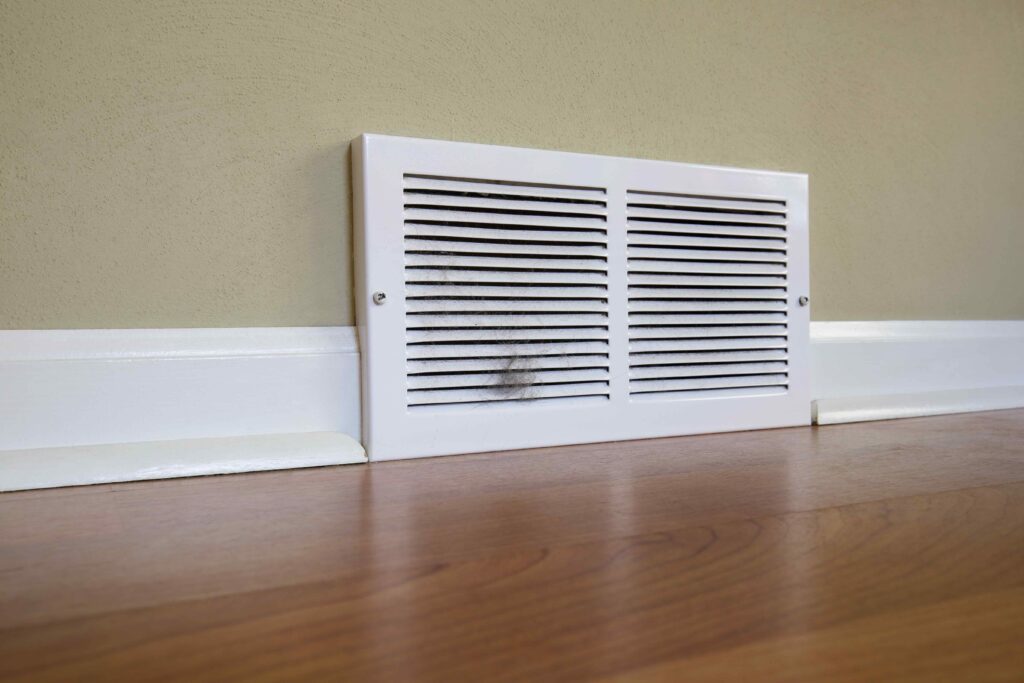
- Visible dark spots or discoloration around vent covers and registers
- Increased allergy symptoms, coughing, or respiratory irritation among household members
- Unexplained headaches or fatigue that improve when you leave the home
- Condensation or visible moisture around duct openings or the air handler
If any of these sound familiar, it is worth having a professional inspection done sooner rather than later. Mold in ductwork rarely resolves on its own.
How to Remove Mold From HVAC Ducts: A Practical Breakdown
Removing mold from HVAC ducts is not a weekend DIY project for most homeowners. It requires a methodical approach, proper protective equipment, and in many cases, professional-grade tools. That said, understanding the process helps you make better decisions and ask the right questions when you hire someone. The general process starts with a thorough inspection — either visual or using camera equipment to assess hard-to-reach sections of ductwork. From there, a technician will contain the affected area to prevent spores from spreading, apply an EPA-registered biocide or mold-killing solution, and then clean the duct surfaces using specialized brushes and vacuums with HEPA filtration. After cleaning, an encapsulant is sometimes applied to inhibit future growth. The process wraps up with a post-cleaning inspection to confirm the mold has been fully addressed.
Can You Remove Mold From Air Ducts Yourself?
For minor surface mold on accessible, hard-surface ducts, some homeowners do attempt cleaning on their own. If you go that route, use an EPA-registered mold-removal product, wear an N-95 respirator or better, goggles, and disposable gloves. Wipe down the affected surfaces thoroughly and allow them to dry completely before restoring airflow. However — and this is important — if the mold growth is extensive, if your ducts are made of fibrous materials like fiberboard or flex duct, or if you have any underlying health conditions, professional remediation is the appropriate path. Fibrous duct materials cannot be effectively cleaned and often need to be replaced entirely. Cutting corners on this one is not worth the risk.

The Cost of Mold Remediation in HVAC Systems
Professional duct mold remediation varies widely in cost depending on the size of your home, the extent of the mold growth, and the type of ductwork involved. On average, homeowners can expect to pay anywhere from $700 to $3,000 or more for a full remediation job. If duct sections need to be replaced, costs climb higher. Many homeowners are caught off guard by this expense, especially when it follows an HVAC breakdown or other unexpected repair. This is precisely where having a home warranty plan that covers your HVAC system components becomes a meaningful financial buffer.
How to Prevent Mold From Returning to Your Ductwork
Removing mold is only half the battle. Preventing it from coming back requires addressing the root cause — moisture. Here are the most effective prevention strategies:
- Schedule annual HVAC maintenance to catch moisture issues before they become mold issues
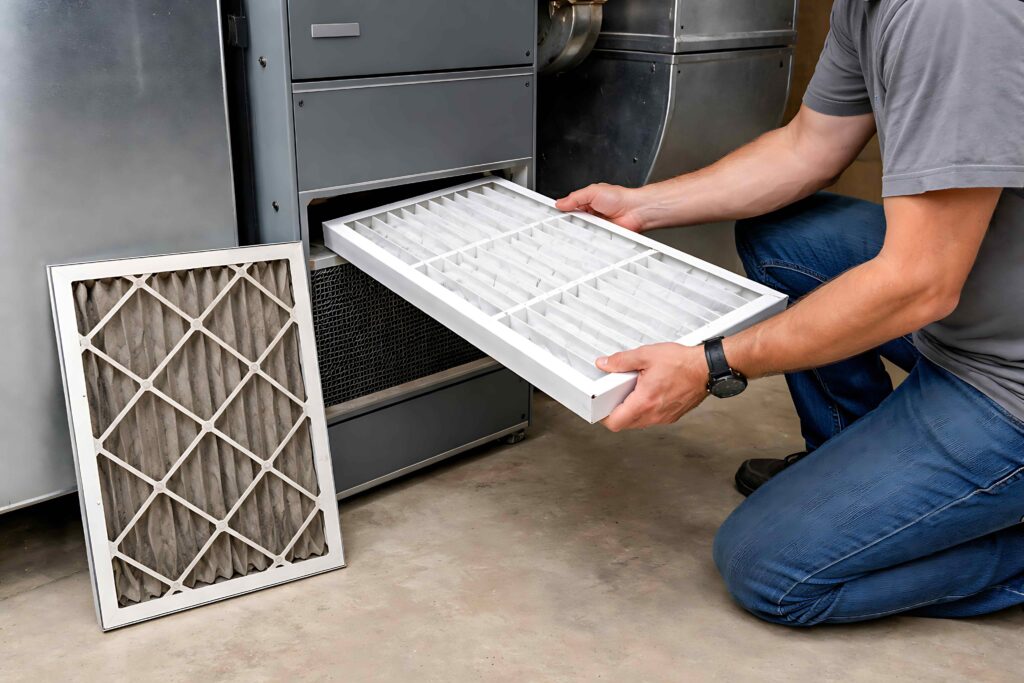
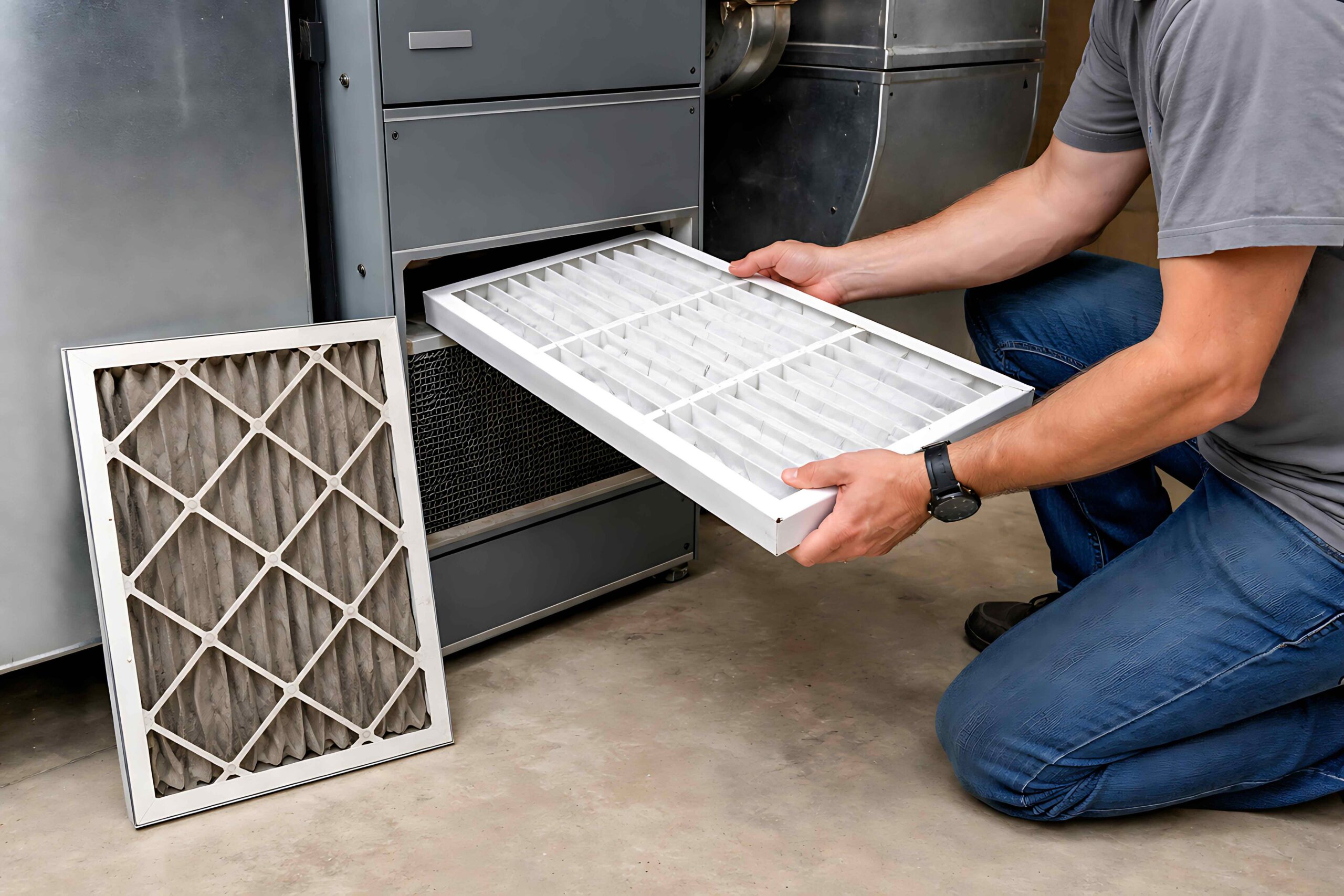
- Replace air filters regularly, typically every one to three months depending on your household
- Keep indoor humidity levels between 30 and 50 percent using a dehumidifier if needed
- Seal duct leaks with mastic sealant or metal tape to reduce condensation points
- Ensure proper insulation around ducts running through unconditioned spaces like attics or crawl spaces
- Clean and inspect drain pans and condensate lines as part of your routine maintenance
Consistency is the key here. A little ongoing attention to your HVAC system prevents the kind of expensive surprises no homeowner wants to deal with.
What Home Warranties Typically Cover — and What They Don’t
Here is where a lot of homeowners get confused. Home warranty plans generally cover mechanical failures of HVAC components — things like a failed compressor, a broken blower motor, or a malfunctioning heat exchanger. Mold remediation itself, however, is typically classified as a maintenance or environmental issue rather than a mechanical failure, which means it falls outside the scope of most standard home warranty coverage. That said, if mold develops as a consequence of a covered component failure — say, a leaking drain pan that was part of a system breakdown — some warranty providers may factor that into the claim. It is worth reading your plan details carefully and asking your provider directly about how they handle mold-related scenarios.
The Bigger Picture: Protecting Your Entire HVAC System
Mold is a symptom of a larger story — a home system working hard under imperfect conditions. Your HVAC system is one of the most expensive and complex systems in your home, and when one part fails, the ripple effects can be significant. Staying proactive about maintenance, monitoring air quality, and understanding your coverage options puts you in a genuinely stronger position as a homeowner. Mold remediation may not be covered by a home warranty, but the HVAC components that contributed to the moisture problem very well might be. That financial protection matters.
Why Armadillo Is the Smart Choice for HVAC-Conscious Homeowners
If mold in your ductwork has taught you anything, it’s that your HVAC system deserves real protection — not just a prayer that nothing else goes wrong. Armadillo offers straightforward, transparent home warranty coverage designed for homeowners who want to actually understand what they’re paying for. When you work with a trusted home warranty provider for HVAC system protection, you get the peace of mind that comes from knowing a covered breakdown won’t become a financial emergency. Whether it’s the system that contributed to your moisture issues or the next unexpected repair waiting around the corner, having coverage in place changes the equation entirely. Take a few minutes to get a free home warranty quote for your heating and cooling system and see exactly what Armadillo covers — no fine-print surprises, no runaround.

Frequently Asked Questions About Mold in HVAC Ducts
Below are answers to some of the most common questions homeowners have about identifying, removing, and preventing mold in HVAC ductwork.
How do I know if there is mold in my HVAC ducts?
The most common signs include a musty smell when the system runs, visible dark spots near vents or registers, and increased respiratory symptoms among household members. A professional duct inspection can confirm the presence and extent of mold growth.
Is mold in air ducts dangerous?
Yes, mold in ductwork can be hazardous. When the HVAC system operates, it distributes mold spores throughout your living space, which can trigger allergies, asthma flare-ups, and other respiratory issues, particularly for children, the elderly, and anyone with a compromised immune system.
Can I clean mold from HVAC ducts myself?
Minor surface mold on hard-surface ducts can sometimes be addressed by a careful homeowner using EPA-registered products and proper protective gear. However, extensive mold growth or mold on fibrous duct materials requires professional remediation.
How much does it cost to remove mold from HVAC ducts?
Professional mold remediation for HVAC ductwork typically costs between $700 and $3,000 depending on the scope of contamination, the size of the system, and whether any duct sections need replacement.
Does a home warranty cover mold in HVAC ducts?
Most home warranty plans do not cover mold remediation directly, as it is considered a maintenance or environmental issue. However, if a covered HVAC component failure contributed to moisture buildup, portions of the damage may be factored into a claim. Always review your specific plan terms.
How long does it take for mold to grow in ductwork?
Under the right conditions — moisture, warmth, and organic material — mold can begin developing within 24 to 48 hours. In ductwork, ongoing condensation or a slow leak can allow mold colonies to establish over days or weeks before symptoms become noticeable.
What type of mold is commonly found in HVAC ducts?
Common types include Cladosporium, Penicillium, Aspergillus, and in more serious cases, Stachybotrys chartarum, commonly known as black mold. Any mold presence in ductwork should be treated as a health concern regardless of the specific type.
How can I prevent mold from growing in my air ducts?
Keep indoor humidity below 50 percent, schedule annual HVAC maintenance, change air filters regularly, seal duct leaks, insulate ducts in unconditioned spaces, and keep condensate drain lines clear. Consistent upkeep is the most effective prevention strategy.
Do air purifiers or UV lights help prevent mold in ductwork?
UV light systems installed within HVAC air handlers can help inhibit mold and bacterial growth on coil surfaces and in the immediate system environment. They are not a complete solution on their own but can be a useful addition to a comprehensive maintenance routine.
How often should HVAC ducts be professionally inspected for mold?
A professional duct inspection every three to five years is a reasonable baseline for most homes. Homes in high-humidity climates, older homes, or those with previous mold history should consider more frequent inspections — ideally annually as part of a full HVAC tune-up.