
How to Get Water Out of AC Ducts: A Homeowner’s Guide to Prevention and Protection
Water in your air conditioning ducts is never a good sign. It compromises indoor air quality, damages your HVAC system, and can quietly fuel mold growth. For homeowners, understanding why this happens and how to fix it is key to maintaining a healthy, efficient home. As with many home systems, your air conditioning operates behind the scenes—out of sight, out of mind—until telltale signs of trouble emerge. Water in the ducts isn’t just inconvenient; it threatens the very infrastructure that keeps your indoor space cool and comfortable.
Understanding the AC Duct System
Your air conditioning ductwork is the set of conduits that circulate cooled air throughout your home. It starts at your AC unit and moves conditioned air through a network of insulated tubes, ensuring every room stays at your set temperature. When the system works properly, the ducts remain dry, tightly sealed, and free of obstructions. But toss in water, and that delicate balance is quickly disrupted. Moisture in AC ducts can occur for several reasons, most stemming from poor insulation, drainage issues, or high humidity. Your duct system isn’t designed to handle water—and when it enters, problems multiply fast.
How Water Enters AC Ducts
There are a handful of common culprits behind moisture creeping into your ducts. The most frequent is condensation caused by poor insulation. Ducts located in unconditioned spaces, like attics or crawl spaces, often fall victim. When warm, moist air comes into contact with the cold surface of the duct, it condenses into water droplets. Over time, these droplets accumulate and begin to sit inside the ductwork. Drain pan overflow is another contributor. If your HVAC unit’s drip pan is clogged or tilted, excess water may spill into your air vents. Additionally, a blocked or poorly connected condensate line can back up and channel water into areas where it’s not supposed to go—like your ducts.
The Risks of Moisture Inside Ductwork
The presence of water in your ducts isn’t benign—it invites a cascade of maintenance concerns and potential health risks. Moisture creates the perfect conditions for mold and bacterial growth, easily spreading spores every time your system cycles. A musty smell might be your first hint, but unseen issues can escalate rapidly. Water-damaged ducts also reduce airflow and efficiency. Your HVAC system has to work harder to maintain consistent temperatures, which drives up energy bills. And if the water exposure continues unchecked, it can lead to rusting, degraded duct insulation, and eventual structural damage to surrounding areas.
How to Get Water Out of AC Ducts
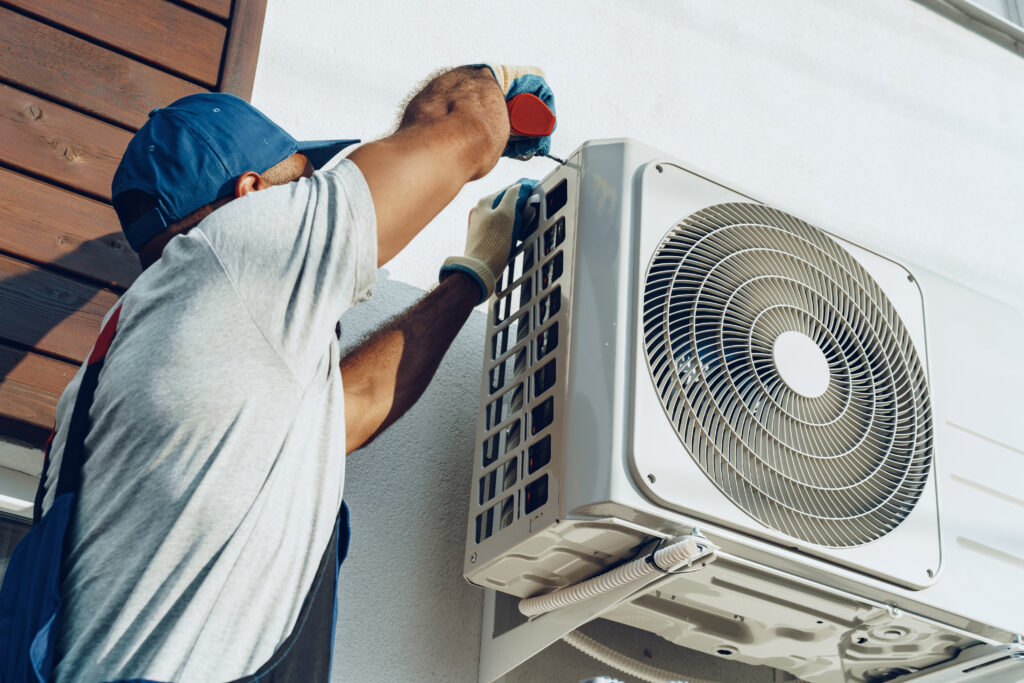
Removing water from your ducts involves more than just drying—they need to be inspected, cleaned, and possibly repaired. Begin by shutting off your HVAC system to halt the spread of moisture. Next, use a wet/dry vacuum to remove any standing water in the visible ductwork. Once dry, inspect insulation around the ducts for signs of soaked material or mildew. If you find mold or suspect contamination, hiring a professional HVAC technician is your best course. They’ll conduct a comprehensive inspection, disinfect the affected areas, and repair any underlying issues. If the source is a clogged drain pan or condensate line, cleaning or replacing the faulty components will prevent recurrence.
Preventive Maintenance to Keep Ducts Dry
Preventing water in your ductwork starts with proactive care. Insulation is critical—make sure all exposed ducts, particularly those in unconditioned spaces, are well-wrapped with fiberglass or foam insulation. Schedule annual HVAC maintenance visits to ensure that drain pans, condensate lines, and other key components are functioning properly. Dehumidifiers can also help in especially humid environments, reducing the chance of airborne moisture circulating and condensing within the ducts. Keep vents unblocked and airflow unrestricted so that cool air is distributed evenly and efficiently throughout the system. These simple steps can dramatically reduce the likelihood of recurring issues.
When to Call in a Professional
There’s a line where homeowner maintenance should stop and expert intervention should begin. If water has been sitting unnoticed for too long, or if you see visible signs of mold, corrosion, or separated duct joints, call a certified HVAC technician immediately. They have the tools not just to dry and clean, but to diagnose root causes like improper system sizing, negative air pressure, or faulty components. Especially in multi-zoned cooling systems or older homes with legacy ductwork, professional insight can mean the difference between a routine service call and a full-blown remediation project. The longer you wait, the more extensive the damage may become.
How Home Warranties Help Protect Against HVAC Issues
An HVAC system is a major investment, and when something like excess water in your ducts pops up, the repair costs can quickly stack up. This is where a home warranty, specifically one that includes HVAC system coverage, brings peace of mind. Home warranties help cover mechanical breakdowns of major home systems due to regular wear and tear. This includes air conditioning components like evaporator coils, drain lines, and ductwork when damaged through normal use. While not all water-related issues fall under standard warranty terms—since external leaks or environmental factors may be excluded—a strong plan cushions your bottom line. Especially if paired with annual maintenance, your home warranty acts as a safety net when essential systems like your HVAC begin to show signs of failure.
Protect Your Home with Armadillo
If you want a simple, powerful way to safeguard your home against costly HVAC issues, Armadillo delivers. Our plans cover essential systems, including air conditioning components and ductwork, for repairs due to wear and tear—so unexpected problems like standing water in your vents don’t derail your household budget. With fast claims processing, reliable service technicians, and hassle-free online tools, we help homeowners stay cool, confident, and protected all year round. Visit www.armadillo.one to learn more about our plans, or get started with a personalized quote at our plan builder. Invest in your home’s future—before that drip becomes a flood.