What Is a Sprinkler Valve and Why Does It Matter?
If your lawn is showing dry patches in some zones and soggy oversaturation in others, there is a good chance your sprinkler valve is the culprit. Sprinkler valves are the mechanical gatekeepers of your irrigation system. Each one controls the flow of water to a specific zone in your yard, opening and closing on command from your irrigation controller. When they work correctly, you barely think about them. When they fail — and they do fail — the consequences show up fast in the form of dead grass, water waste, and sometimes a surprisingly high water bill. Understanding how these valves work and what it takes to repair them is one of the more practical things a homeowner can learn.
How a Sprinkler Valve Actually Works
A sprinkler valve is essentially a solenoid-operated device. There is an electrical solenoid on top that receives a signal from your irrigation timer or controller. When the controller sends current to that solenoid, it opens a small pilot port inside the valve, which allows water pressure to shift and push open a rubber diaphragm. Water then flows through to the zone. When the current stops, a spring mechanism closes the diaphragm and shuts off flow. It sounds simple, and in concept it is — but the system has several small components that can wear out, get clogged with debris, or fail from age or mineral buildup. The diaphragm, the solenoid, the bleed screw, the spring, and the valve body itself are all points of potential failure.
Common Signs Your Sprinkler Valve Needs Repair
Recognizing the symptoms early can save you from a much larger repair bill down the road. Sprinkler valve issues tend to announce themselves in a few distinct ways, and once you know what to look for, diagnosing the problem becomes much more manageable.
- One irrigation zone refuses to turn on despite the controller sending a signal
- A zone stays on continuously even after the controller has cycled off
- You notice water bubbling or pooling around the valve box in your yard
- Sprinkler heads in one zone have noticeably low pressure compared to others
- You hear a humming sound near the valve box but no water flows
- The solenoid feels hot to the touch or shows visible corrosion
Any one of these signs warrants a closer inspection. The good news is that many valve repairs are within reach for a motivated homeowner with basic tools and a little patience.
How to Repair a Sprinkler Valve Step by Step
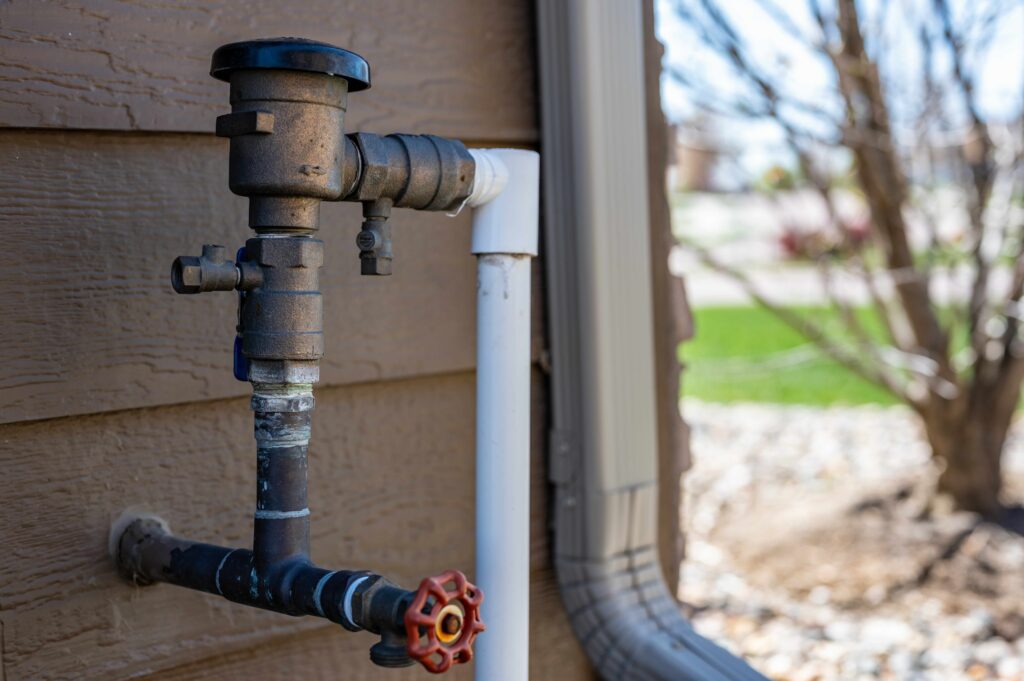
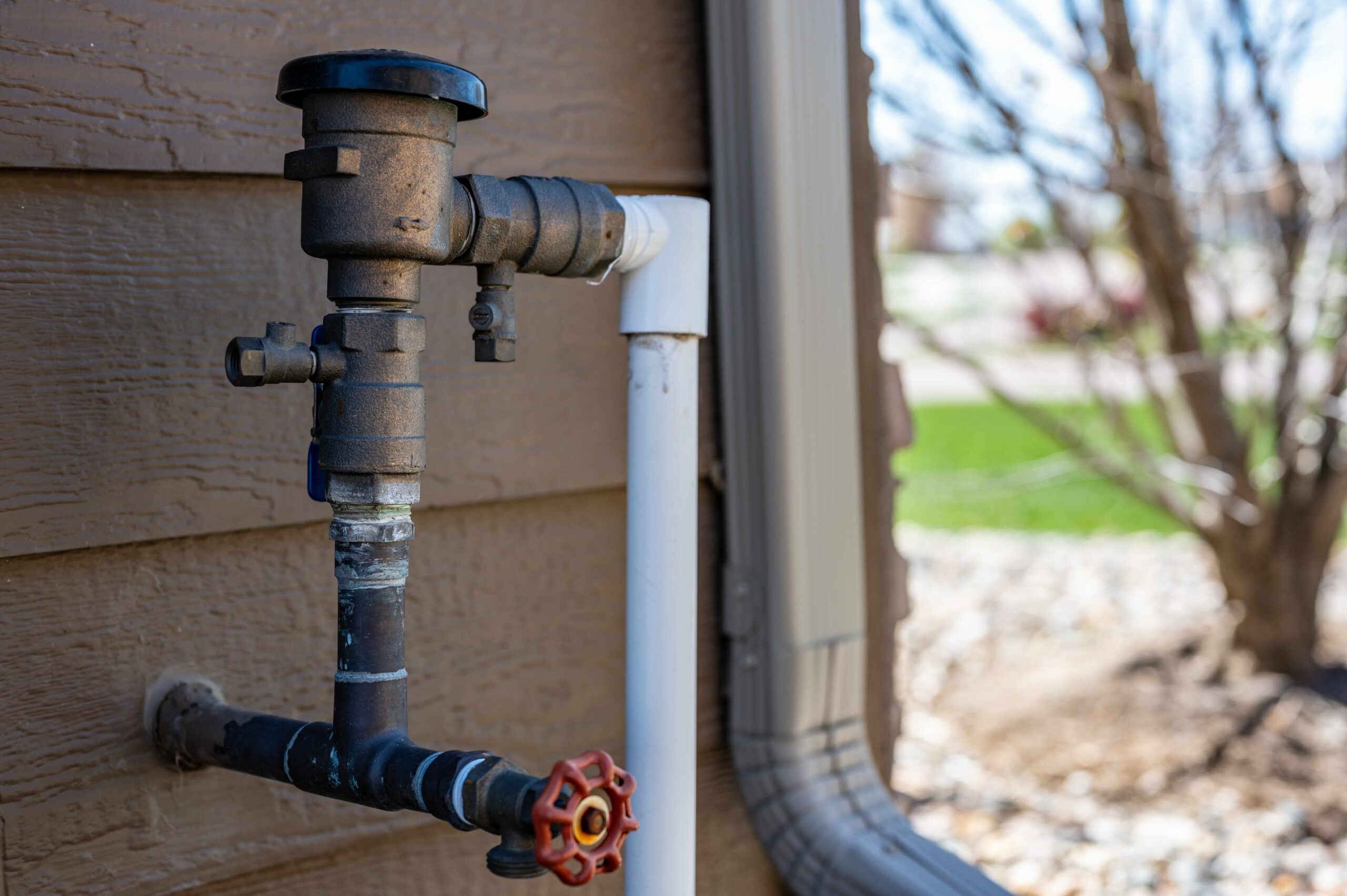
Before starting any repair, shut off the water supply to the irrigation system. This is usually a dedicated shutoff valve near the backflow preventer or main supply line. Once the water is off, locate the valve box in your yard — typically a rectangular green plastic lid flush with the ground. Open it and identify which valve corresponds to the problematic zone. Most repairs involve one of three things: cleaning the diaphragm, replacing the diaphragm, or replacing the solenoid. To clean the diaphragm, unscrew the top of the valve body, remove the diaphragm carefully, rinse it with clean water, clear any debris from the ports inside the valve, and reassemble. If the diaphragm is cracked or warped, replacement is the better call. Solenoid replacement is equally straightforward — simply unscrew the old solenoid, noting the wire connections, and thread in the new one. Always match the solenoid voltage rating to your system, which is typically 24VAC for residential irrigation. Restore water pressure slowly and test the zone from your controller before closing the valve box.
Tools and Parts You Will Need
One of the reasons sprinkler valve repair is so accessible is that it requires minimal equipment. You do not need specialized tools or professional training for most repairs. Having the right materials ready before you open the valve box will make the process significantly smoother and faster.
- Flathead and Phillips screwdrivers
- Adjustable pliers or a valve wrench
- Replacement diaphragm kit matched to your valve brand and model
- Replacement solenoid if electrical failure is suspected
- Clean cloth or paper towels for wiping components
- A multimeter for testing solenoid continuity
- Teflon tape for reassembling threaded connections
When DIY Repair Is Not the Right Move
There is an honest conversation to have here. While cleaning a diaphragm or swapping a solenoid is manageable for most homeowners, there are situations where the repair complexity jumps considerably. If the valve body itself is cracked or the valve seat is damaged, replacement of the entire valve assembly becomes necessary. That involves cutting into the existing irrigation line, fitting a new valve, and properly sealing connections — work that requires more experience and carries a real risk of creating a larger water leak if done incorrectly. Similarly, if your system has multiple failing valves, or if the irrigation controller itself is sending incorrect signals, the troubleshooting process becomes layered enough that a licensed irrigation professional is worth the investment. Knowing the limit of a reasonable DIY repair is itself a skill.

Key Advantages of Repairing Rather Than Replacing
Repairing a sprinkler valve instead of replacing the entire unit is almost always the more cost-effective choice when the damage is isolated to a single component. A replacement diaphragm kit typically costs between five and fifteen dollars depending on the brand. A new solenoid runs roughly ten to twenty-five dollars. Compare that to the cost of a full valve replacement with professional labor — which can run anywhere from seventy-five to over two hundred dollars per valve — and the math strongly favors repair when the components allow for it. Beyond the financial argument, repairing extends the functional life of the existing system without requiring new line connections, which reduces the chance of introducing new leak points into the irrigation network.
Common Drawbacks and Limitations to Keep in Mind
Sprinkler valve repair is not without its frustrations. Valves on older irrigation systems may use proprietary parts that are difficult to source, especially if the original manufacturer has discontinued that product line. Mineral deposits from hard water can degrade diaphragm rubber faster than expected, meaning a repaired valve may fail again within a single season in regions with poor water quality. There is also the matter of access — some valve boxes are buried deep, improperly labeled, or located in inconvenient spots that make hands-on work genuinely difficult. If you perform a repair and the zone still behaves incorrectly, the issue may not be the valve at all. Wiring faults, controller programming errors, and backflow preventer problems can all mimic valve failure symptoms, leading to wasted time and parts if not properly diagnosed from the start.
Maintenance Tips to Prevent Future Valve Problems
Consistent maintenance goes a long way toward extending the life of your sprinkler valves. At the start of each irrigation season, manually test each zone to confirm proper operation before daily scheduling begins. Inspect the valve boxes for standing water, insect nests, or debris accumulation that could interfere with components. In freezing climates, winterizing the system by blowing out lines with compressed air prevents diaphragms from cracking due to ice expansion. Flushing filters in the valve assemblies annually helps prevent the sediment buildup that is one of the leading causes of diaphragm failure. Keeping a log of which zones were repaired and when also helps identify patterns — if one zone is failing repeatedly, there may be a systemic issue worth investigating more thoroughly.
How Armadillo Home Warranty Supports Your Irrigation System and Beyond
Sprinkler valve repairs might seem minor in isolation, but they are a reminder of how many working systems exist beneath the surface of your home — and how quickly repair costs accumulate when multiple things fail in the same season. That is exactly where a home warranty becomes a meaningful financial tool for homeowners who prefer predictability over surprise bills. Armadillo offers home warranty coverage designed with real homeowners in mind, and you can explore everything included when you visit Armadillo’s home warranty plans for irrigation and home systems coverage. Whether you are managing an aging sprinkler system or simply want protection across your major home systems and appliances, having a plan in place means you are not making repair decisions under financial pressure. If this article has you thinking about what else in your home could use coverage, the next step is easy — get a free home warranty quote for sprinkler system and appliance protection and see what a plan looks like for your specific zip code. Armadillo keeps things transparent, straightforward, and genuinely useful for the homes people actually live in.

Frequently Asked Questions About Sprinkler Valve Repair
These are the questions homeowners ask most often when dealing with irrigation valve issues. The answers are direct and practical.
How do I know if my sprinkler valve is broken or if the problem is with my controller?
Use a multimeter to test the solenoid for electrical continuity. If the solenoid reads correctly but the zone still does not respond, the problem is likely mechanical inside the valve. If the solenoid shows no continuity, the issue could be electrical — either the solenoid itself or the wiring from the controller.
Can I repair a sprinkler valve without turning off the main water supply?
No. You should always shut off the water supply to the irrigation system before opening a valve for repair. Attempting to disassemble a valve under pressure will result in water discharge and potential injury or property damage.
How long does a sprinkler valve diaphragm typically last?
Most diaphragms last between five and ten years under normal conditions. In areas with hard water or high sediment levels, degradation can happen faster. Annual inspections help catch wear before it causes a zone failure.
Is it better to repair or replace a sprinkler valve?
Repair is almost always preferable when the damage is limited to the diaphragm or solenoid. Full valve replacement becomes the better option when the valve body is cracked, corroded beyond function, or when replacement parts are no longer available for the existing model.
What does it cost to have a professional repair a sprinkler valve?
Professional sprinkler valve repair typically costs between seventy-five and two hundred dollars per valve depending on labor rates in your region and the parts required. If multiple valves need attention, some irrigation contractors offer bundled service pricing.
Why does my sprinkler zone stay on after the controller shuts it off?
A zone that will not shut off usually has a stuck or debris-blocked diaphragm. The diaphragm is failing to seat properly and close the water flow. Cleaning or replacing the diaphragm typically resolves this issue.
Can I replace just the solenoid on my sprinkler valve without replacing the entire valve?
Yes. Solenoids are designed to be replaced independently of the valve body. Make sure to match the voltage rating — typically 24VAC for residential systems — and the thread size to your existing valve model before purchasing a replacement.
Does a home warranty cover sprinkler valve repair?
Coverage varies by provider and plan. Some home warranty plans include irrigation systems as an optional add-on or as part of a comprehensive plan. It is important to review the specific terms of any home warranty policy to understand what irrigation components are included and what conditions apply.
How do I find the sprinkler valve box in my yard?
Valve boxes are typically located near the water source, along the perimeter of the yard, or near garden beds. They appear as rectangular green or black plastic lids flush with the ground. If you cannot locate them visually, the irrigation system map from the original installation — if available — should indicate their positions.
What is the most common cause of sprinkler valve failure?
Debris and sediment accumulation on the diaphragm is the most frequent cause of valve failure in residential irrigation systems. Mineral buildup from hard water is a close second. Both issues can often be prevented with annual flushing and routine valve inspection.