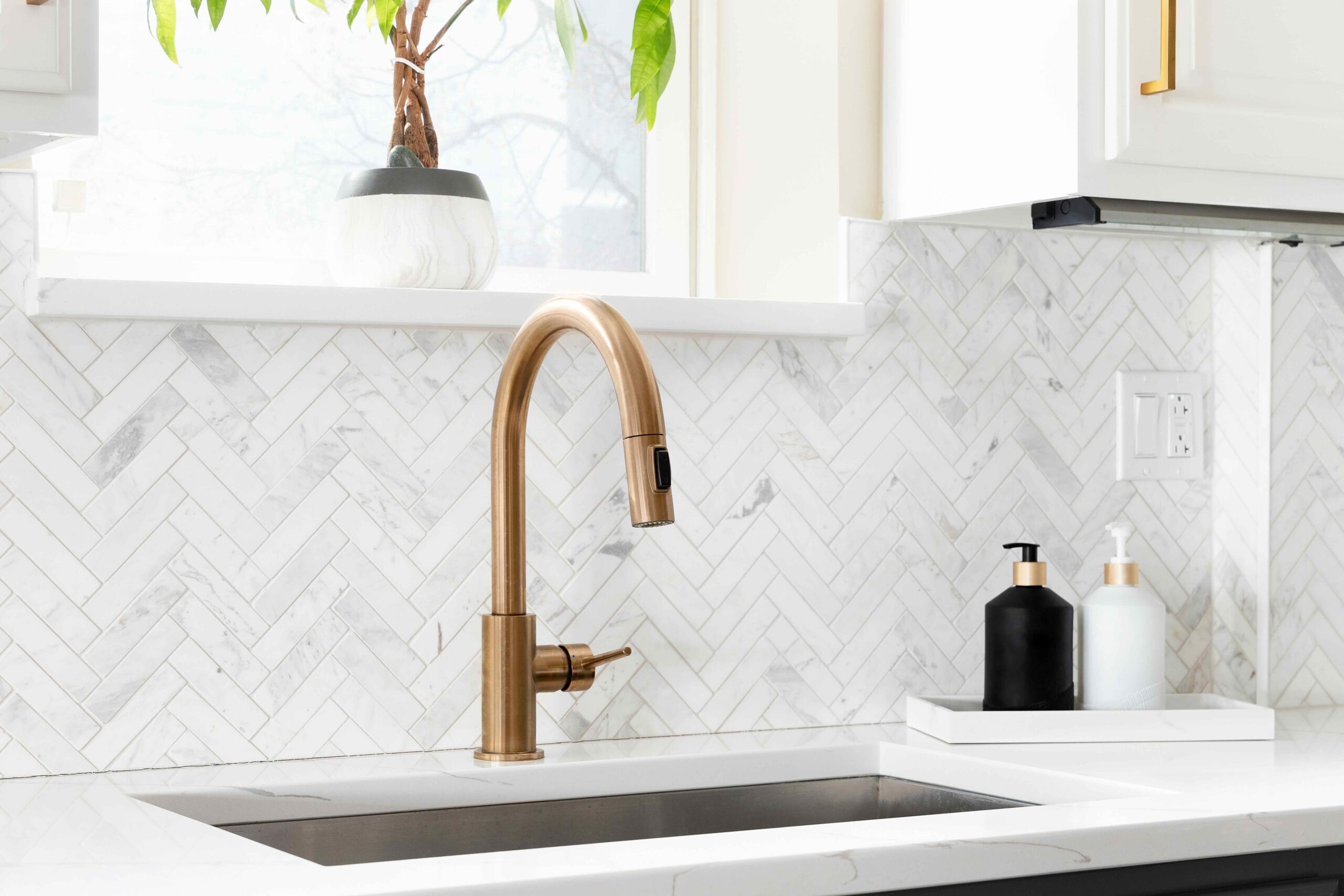
Changing a Kitchen Sink Faucet: A Practical Guide for Homeowners
The kitchen sink faucet is one of the most frequently used fixtures in any home. From washing vegetables to scrubbing dishes and filling pots, it plays an integral role in your daily kitchen routine. Replacing an outdated or malfunctioning faucet may seem like a small upgrade, but it has significant implications for water efficiency, aesthetics, and overall functionality. Whether you’re tackling the job yourself or working with a professional, understanding what’s involved in changing a kitchen sink faucet helps you make informed choices and avoid unnecessary complications. In the context of home maintenance—and especially within the home warranty industry—this small improvement carries long-term value. Let’s walk through how kitchen faucets work, the benefits of replacement, common challenges, and how a home warranty can help manage the unexpected.
What Is a Kitchen Sink Faucet and How Does It Work?
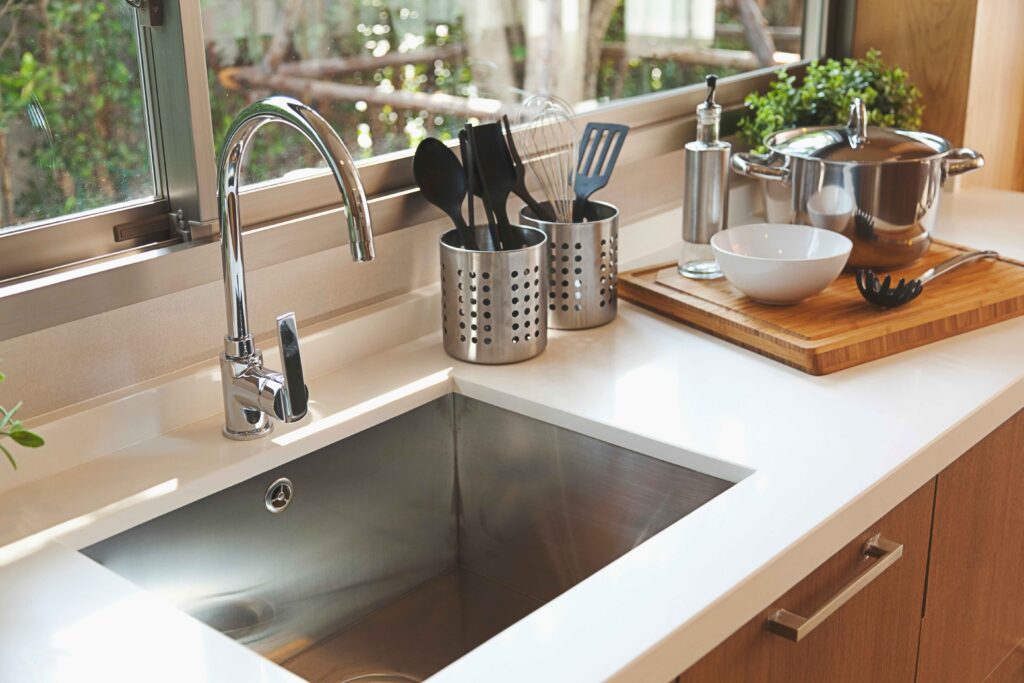
A kitchen sink faucet is essentially a valve system that controls the release of hot and cold water into your sink basin. It connects directly to your home’s plumbing via flexible water supply lines. Inside the faucet, mechanisms such as cartridges, compression valves, or ceramic disks regulate water flow and temperature. When you adjust the handle or lever, you’re engaging those internal parts to mix water from your hot and cold supply lines. The faucet spout then directs that mixed water where it’s needed. Faucet designs vary—from single-handle pull-down models to dual-handled sprayer combos—but the essential function remains the same: seamless water delivery with user-controlled adjustments.
Why Homeowners Replace Kitchen Faucets
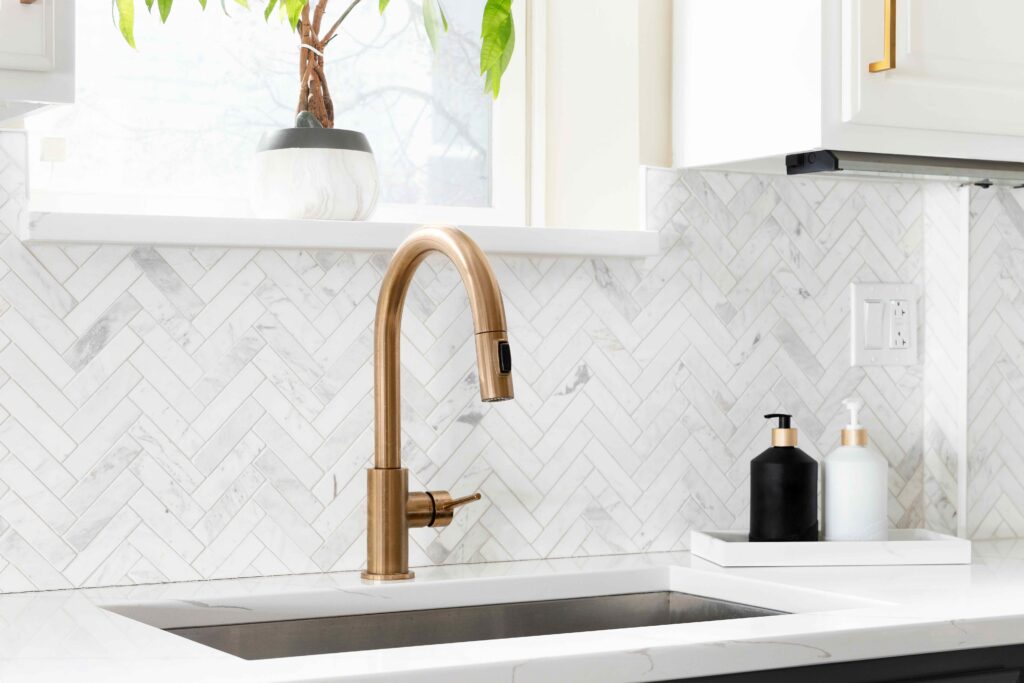
There are typically three reasons to replace a kitchen faucet: age, performance, and appearance. Over time, faucet components wear down. O-rings crack, cartridges stick, or corrosion builds up internally, which can lead to leaks or reduced water pressure. Another common driver is inefficiency. Older models often fail to meet current water-efficiency standards, leading to wasted resources and higher utility bills. And of course, design plays a role. A faucet that looked great a decade ago might now feel out of step with modern kitchen aesthetics. Upgrading the faucet is one of the simplest ways to refresh your kitchen without a major renovation. It’s a relatively low-cost improvement with immediate visual and functional impact.
Advantages of Replacing a Kitchen Faucet
The most obvious advantage is improved performance. New faucets are designed with advanced features like touchless activation, high-arc spouts, and multi-function spray heads, making them easier and more hygienic to use. Replacing an old faucet can also eliminate persistent leaks, which not only saves water but can prevent hidden damage to the plumbing or cabinetry below. A fresh installation often results in heightened ergonomics—you can reach more, pivot more smoothly, and clean more thoroughly. Additionally, modern faucets are usually designed with water conservation in mind. That means better utility efficiency and a reduced environmental footprint. Between aesthetic upgrades, better functionality, and increased water savings, the case for change is compelling.
Common Challenges During Installation
Replacing a kitchen faucet isn’t particularly complex, but there are a few stumbling blocks that can trip up even hands-on homeowners. First, plumbing connections may be inaccessible or overly tight, especially under deep sink basins. If corrosion has set in or fittings are misaligned, removing the old faucet can quickly become time-consuming. Next, matching hole configurations on your sink with the new faucet is critical. Some faucets require single-hole installation while others need three—mismatch those, and you may need to buy an entirely new sink or use a deck plate to compensate. Finally, cross-threaded connections, under-sink leaks, and improperly sealed gaskets are common errors. While certainly DIY-manageable with the right tools and patience, it helps to know your limitations—and when to call in a professional.
The Link Between Plumbing Fixtures and Home Warranties
Kitchen faucets, although small, are covered components in select home warranty plans when they involve mechanical failure rather than aesthetic wear. It’s easy to assume that a dripping faucet is no big deal, but unattended leaks can damage cabinetry, flooring, and even the unit below the sink, like a garbage disposal. In these cases, the faucet may be the symptom rather than the root problem. Home warranties can help offset the cost of diagnosing and repairing a hidden plumbing issue. With appliances and home systems working in tandem, it’s not uncommon for one failure to impact another. A well-structured warranty provides an important buffer against these overlapping responsibilities. Knowing your faucet—and connected plumbing fixtures—may be covered brings confidence and financial protection into your daily maintenance routine.
Preventive Tips for Long-Term Faucet Health
Routine maintenance goes a long way in extending the life of your faucet. Start by cleaning the aerator every few months to prevent mineral buildup that restricts flow. Avoid using abrasive cleaners or scouring pads, which can damage finish coatings or scratch seals. Periodically inspect the base for pooled water or signs of leaks under the sink, which could indicate a slipping gasket or loose fitting. If your water source has a high mineral content, consider installing a filtration system to reduce deposits that corrode internal parts over time. And perhaps most importantly, when a handle becomes stiff or water pressure drops, address it early. Small component repairs—like replacing a washer or cartridge—are much easier than dealing with a full system failure later.
When to Contact a Professional
While many faucets can be installed by capable homeowners, certain situations call for licensed help. If you experience low water pressure after installation, it might be due to sediment in the lines or an incorrectly seated cartridge. Likewise, if your home has aging pipes, disturbing plumbing connections could expose chronic weaknesses. A professional plumber brings diagnostic tools and experience to ensure the replacement doesn’t create downstream issues—figuratively and literally. In some cities, permitting rules or building codes require licensed installation for plumbing fixtures, especially in multi-unit dwellings or new construction. If you’re covered by a home warranty and suspect a problem is tied to underlying plumbing, hiring a professional not only makes practical sense—it may be required to meet coverage terms.
Protecting Everyday Fixtures with Armadillo Home Warranty
Replacing a kitchen sink faucet is a smart way to improve your home’s utility, visual appeal, and reliability. But plumbing solutions live within a broader ecosystem of home systems and fixtures. That’s where a home warranty from Armadillo offers strategic peace of mind. From faucet malfunctions to larger plumbing system issues, mechanical failures can strike at inconvenient times—and result in significant out-of-pocket expenses. Armadillo offers straightforward, real-world protection with flexible plans and expert support. Learn more about how Armadillo makes home maintenance manageable at www.armadillo.one, or build your custom plan and protect what matters most at this link to get started. Stay ahead of small problems before they turn into major costs—and keep your home operating smoothly, one smart upgrade at a time.