What Are Attic Ladder Hinge Arms and Why Do They Matter?
If you have a pull-down attic ladder in your home, there is a decent chance you have never given much thought to the hinge arms holding it together. They are easy to overlook — right up until the moment one of them snaps or bends and suddenly your ladder is hanging at a weird angle, creaking with every step, or refusing to fold back up into the ceiling. Hinge arms are the scissor-like metal brackets that connect the ladder sections and allow the entire unit to fold and unfold smoothly. They bear the full mechanical load every single time you open or close that ladder, which means over years of use, they wear out. Understanding how they work and what replacing them involves can save you a lot of frustration and, more importantly, keep you safe up there.
How Attic Ladder Hinge Arms Work
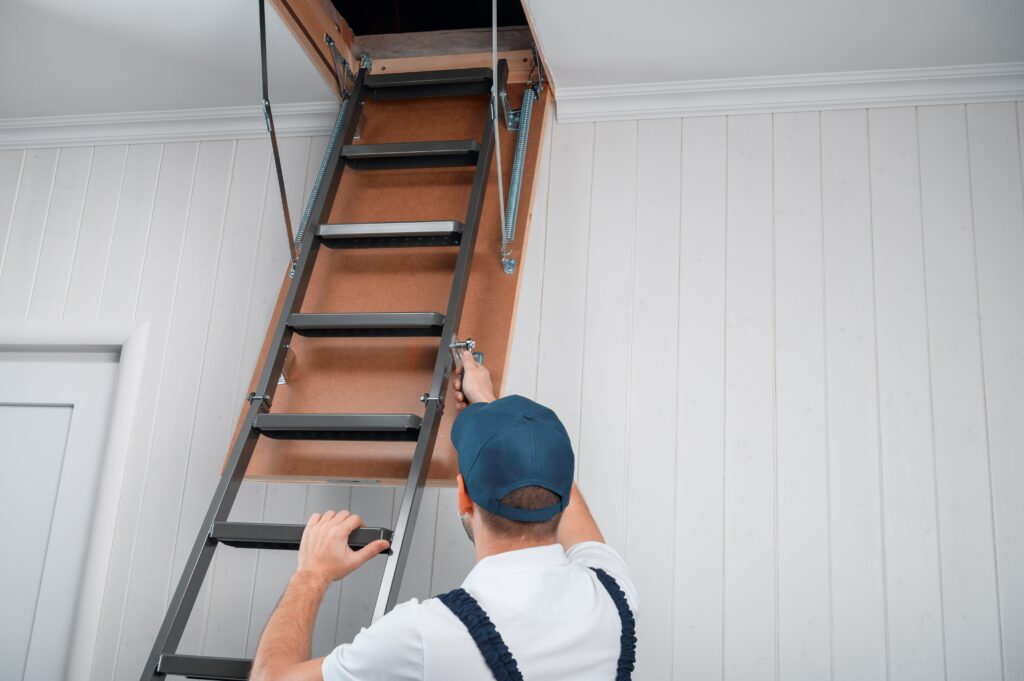
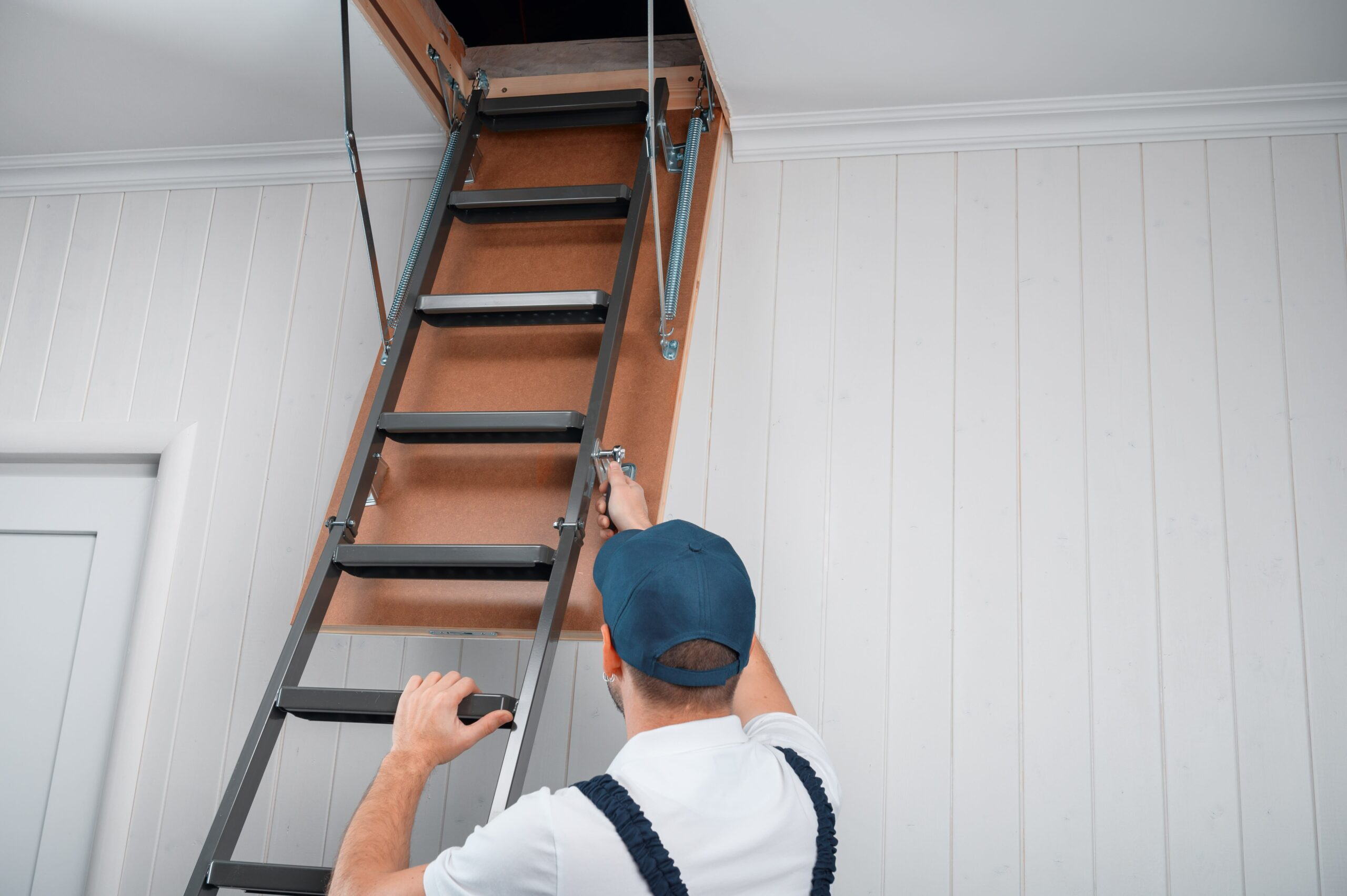
The mechanics here are simpler than they look. A pull-down attic ladder typically has two or three folding sections connected by hinges. The hinge arms — sometimes called scissor arms or support struts — are spring-loaded metal brackets that attach to the sides of the ladder frame. When you pull the ladder down, these arms extend to support the weight of the unfolding sections and guide them into a stable, usable position. When you push the ladder back up, the springs in the arms help retract the sections smoothly. The spring tension is really the key piece here. Too loose and the ladder drops fast and hard. Too worn and the whole thing becomes unpredictable. The hinge arms are doing a lot of quiet work every single time, and most homeowners do not appreciate that until something goes wrong.
Signs That Your Attic Ladder Hinge Arms Need Replacing
There are a handful of clear signals that your hinge arms have reached the end of their useful life. Catching these early means the difference between a straightforward repair and a more involved replacement of the whole ladder unit. Watch for any of these indicators:
- The ladder drops suddenly or unevenly when you pull it down
- Visible cracks, bends, or corrosion on the metal arms themselves
- The ladder sections do not align properly when extended
- Unusual squeaking, popping, or grinding sounds during operation
- The ladder feels wobbly or unstable underfoot even when fully extended
- Springs appear stretched, broken, or detached from the arm
Any one of these signs is worth taking seriously. An attic ladder that fails mid-climb is a genuine safety hazard, not just a nuisance. If you see multiple symptoms at once, replacing the hinge arms should move up the priority list quickly.
How to Replace Attic Ladder Hinge Arms: A Practical Overview
Replacing attic ladder hinge arms is a manageable DIY project for someone comfortable with basic tools, but it does require some patience and attention to detail. Before starting anything, you need to identify the make and model of your attic ladder, since hinge arms are not universal — dimensions, spring tension ratings, and attachment points vary significantly between manufacturers. Once you have the correct replacement parts, the general process involves securing the ladder in the open position, detaching the old arms from their mounting points on the ladder frame, carefully releasing any remaining spring tension (this part matters — released spring tension can cause injury), and then attaching the new arms and testing the movement. Some homeowners prefer to have a second person present when doing this work, especially for handling the tension components. If at any point the process feels uncertain, a handyman or contractor familiar with attic ladder systems is a perfectly reasonable call to make.

The Cost of Replacing Attic Ladder Hinge Arms
Replacement hinge arm kits for attic ladders typically run between twenty and seventy dollars for the parts alone, depending on your ladder brand and the quality of the replacement components. If you are hiring a professional to handle the installation, expect to add anywhere from seventy-five to one hundred fifty dollars in labor, depending on your area and the complexity of the job. That said, this repair is considerably less expensive than replacing the full ladder assembly, which can run several hundred dollars before installation costs. Replacing hinge arms when they show early signs of wear is almost always the smarter financial move compared to waiting for a complete failure that forces a full unit replacement.
Key Advantages of Replacing Hinge Arms Promptly
There is a real upside to staying ahead of this kind of repair. Fresh hinge arms restore the smooth, controlled operation your ladder had when it was new. The ladder will open and close with consistent tension, reducing the physical effort required and eliminating those jarring drops that put stress on the frame and the surrounding ceiling framing. Beyond comfort and convenience, there is a meaningful safety dimension here — a ladder with functioning hinge arms is a ladder you can trust your weight to. There is also a longer-term benefit to consider: addressing one worn component before it fails completely tends to reduce stress on adjacent components, meaning your overall ladder system lasts longer between major interventions.
Common Drawbacks and Challenges to Be Aware Of
The hinge arm replacement process is not without its complications. Finding the correct replacement parts can be genuinely frustrating if your attic ladder is an older model or a brand that has been discontinued. Spring tension handling is the most physically hazardous part of the job and deserves careful attention. Some hinge arm kits require minor modifications to fit correctly, particularly on older ladder frames. And if the ladder itself has sustained structural damage over time — warped sections, cracked rails, deteriorating treads — new hinge arms alone will not fix those underlying issues. It is worth doing a full visual inspection of the entire ladder before committing to a hinge arm replacement, just to confirm you are addressing the right problem.
Maintenance Tips to Extend Hinge Arm Life
A little routine attention goes a long way with attic ladder hardware. Once or twice a year, take a few minutes to inspect the hinge arms visually for signs of rust, cracking, or deformation. Applying a dry lubricant or silicone spray to the pivot points reduces friction and slows wear on the metal. Avoid forcing the ladder if it feels stiff or uneven — that resistance is usually the hinge arms signaling that something is off. Also worth noting: attic ladders are typically rated for a specific weight capacity, and regularly exceeding that limit accelerates wear on every moving component, hinge arms included. Staying within the rated load keeps all of those components working as designed for as long as possible.
How Home Warranties Relate to Attic Ladder Repairs
This is where homeowners sometimes get caught off guard. Attic ladder coverage under a home warranty plan varies depending on the provider and the specific plan terms. Many standard home warranty plans cover built-in systems and appliances but may categorize attic ladders differently than, say, a garage door or HVAC component. That said, some plans do include coverage for structural components or built-in access systems that encompasses attic ladders and their mechanical parts. If your hinge arms fail and you have a home warranty, it is absolutely worth contacting your provider before paying out of pocket — you may have more coverage than you realize. Understanding your plan’s scope before issues arise is the smarter approach.
Why Armadillo Is the Right Home Warranty Partner for Repairs Like This
When a repair like a failing attic ladder hinge arm catches you off guard, the last thing you want is uncertainty about whether your coverage will hold up. That is exactly why choosing a home warranty provider that is transparent, responsive, and genuinely built for homeowners makes such a meaningful difference. Armadillo home warranty coverage for attic ladder systems and built-in home components is designed with real homeowners in mind — straightforward terms, no surprise exclusions hidden in the fine print, and a claims process that does not require you to fight for what you are owed. If you are weighing your options and want protection that actually covers the kinds of repairs that come up in everyday homeownership, you can get a free home warranty quote for attic ladder and home system protection in just a few minutes. Armadillo exists to take the uncertainty out of owning a home, and that includes the moments when a component you have never thought about decides to stop working.

Frequently Asked Questions About Replacing Attic Ladder Hinge Arms
Here are answers to some of the most common questions homeowners have about attic ladder hinge arm replacement, maintenance, and coverage.
How do I know if my attic ladder hinge arms are the problem and not something else?
If the ladder drops unevenly, makes grinding or popping sounds, or visibly sags to one side when extended, the hinge arms are the most likely culprit. A visual inspection of the arms for cracks, corrosion, or broken springs will usually confirm it.
Are attic ladder hinge arms universal or brand-specific?
They are largely brand-specific. Hinge arm dimensions, spring tension ratings, and mounting configurations differ between manufacturers. Always identify your ladder’s make and model before purchasing replacement parts.
Can I replace attic ladder hinge arms myself or do I need a professional?
A confident DIYer with basic tools can handle this repair. However, managing spring tension safely is the most hazardous part, and if you are not comfortable with that step, hiring a professional is a reasonable and safe choice.
How long do attic ladder hinge arms typically last?
With normal use and basic maintenance, hinge arms can last ten to twenty years. Heavier use, exposure to humidity in the attic, or exceeding the ladder’s weight rating will shorten that lifespan significantly.
Does a home warranty cover attic ladder hinge arm replacement?
Coverage depends on the specific home warranty plan. Some plans include built-in access systems like attic ladders under their structural or built-in component coverage. Always review your plan terms or contact your provider before assuming the repair is out of pocket.
What tools do I need to replace attic ladder hinge arms?
Most replacements require a basic socket set, screwdrivers, pliers, and potentially a drill. The specific tools depend on the ladder model and how the existing arms are mounted to the frame.
How much does it cost to have attic ladder hinge arms professionally replaced?
Parts typically cost between twenty and seventy dollars. Professional labor adds approximately seventy-five to one hundred fifty dollars depending on your location and the complexity of the job.
Can worn hinge arms damage the rest of the attic ladder?
Yes. When hinge arms fail, the uneven stress they create can warp the ladder frame, damage the mounting hardware in the ceiling, and accelerate wear on the treads and rails. Addressing hinge arm issues early protects the entire ladder system.
What type of lubricant should I use on attic ladder hinge arms?
A dry lubricant or silicone-based spray is recommended. Avoid oil-based lubricants, which attract dust and debris and can gum up the pivot points over time.
Is it ever better to replace the entire attic ladder instead of just the hinge arms?
If the ladder itself is structurally compromised — warped sections, cracked rails, or badly damaged treads — replacing only the hinge arms will not restore safe function. A full ladder replacement makes more sense when the damage extends beyond the hinge arm components.