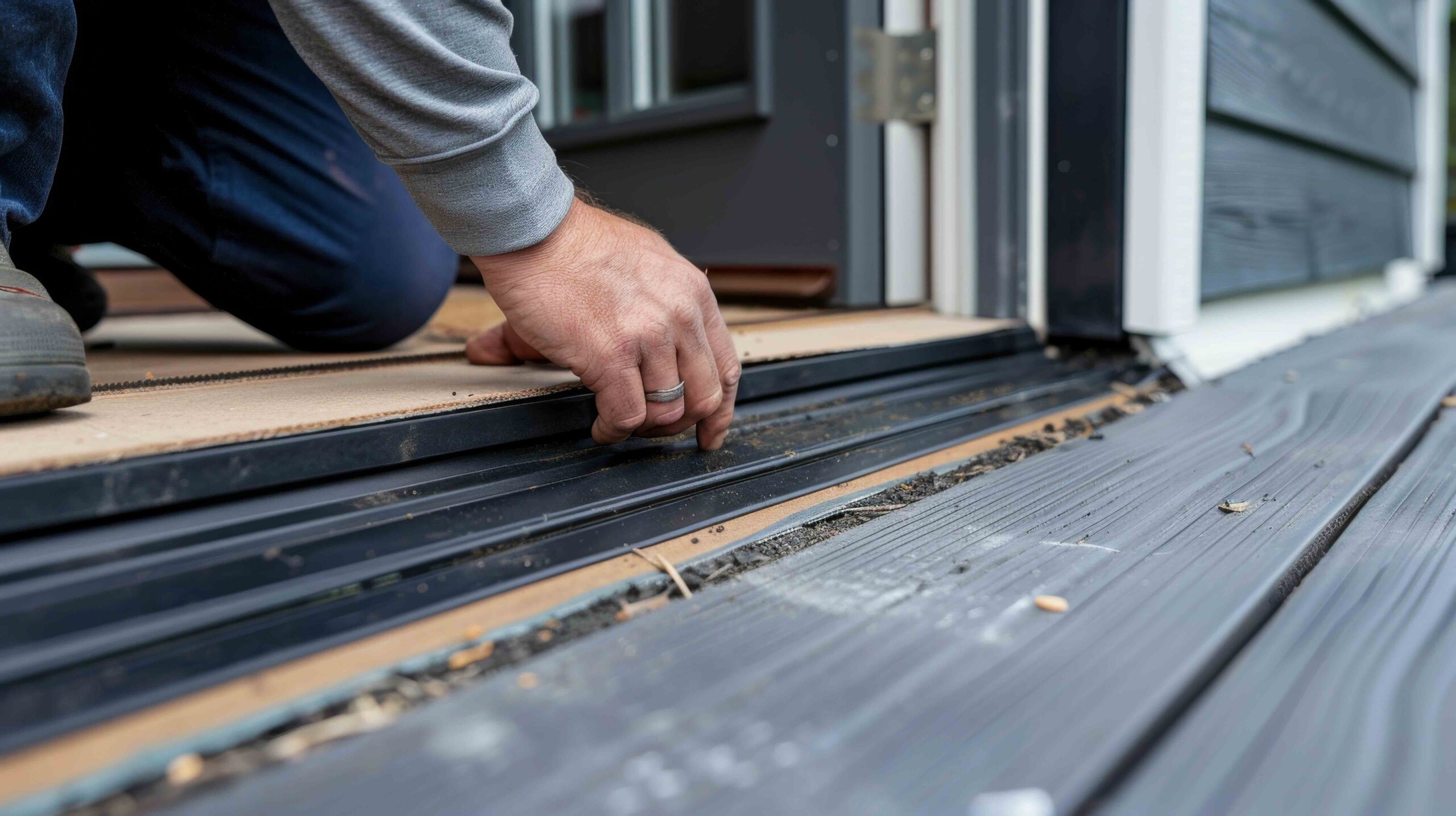
Why Door Weather Stripping Matters More Than You Think
Most homeowners walk past their doors dozens of times a day without giving the edges a second thought. But that thin strip of material lining your door frame? It is quietly doing a lot of heavy lifting. Weather stripping seals the gap between your door and the frame, keeping conditioned air inside and outdoor elements where they belong. When it starts to fail, you feel it, sometimes literally, as a draft that sneaks in on a cold evening. Replacing weather stripping is one of those home maintenance tasks that sits in the “easy to ignore, hard to regret ignoring” category. This article walks through everything you need to know.
What Is Door Weather Stripping and How Does It Work
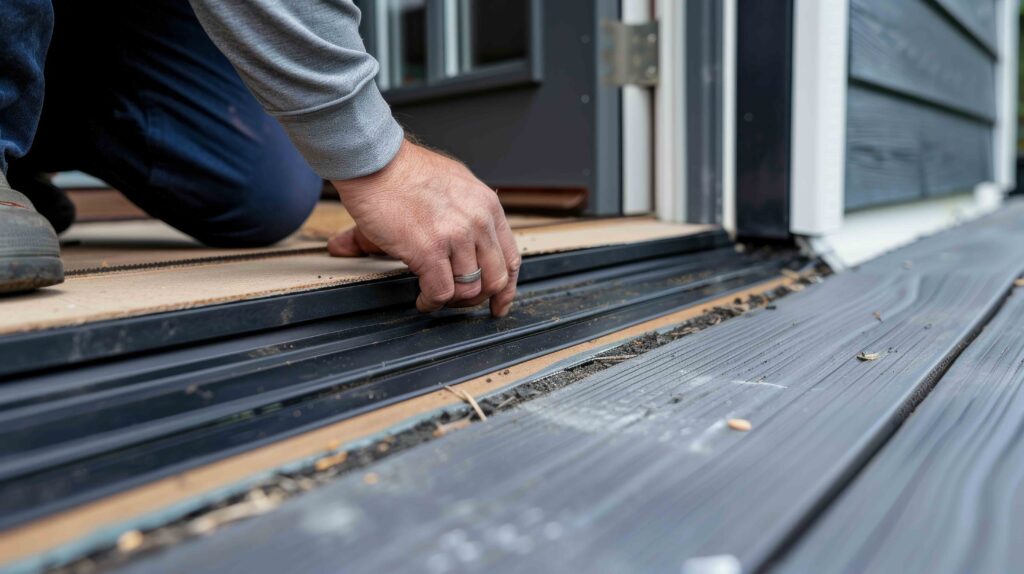
Weather stripping is a flexible sealing material applied around the perimeter of a door to close off gaps between the door slab and the frame. It compresses slightly when the door closes, forming a tight barrier against air, moisture, dust, insects, and noise. Most residential doors use weather stripping along the top and sides of the frame, known as the door stop area, and a separate door sweep along the bottom. The two systems work together to create a complete seal. Without it, even a well-installed door will allow measurable energy loss and potential water intrusion over time.
Types of Weather Stripping Materials Available
Not all weather stripping is made the same way, and the material you choose affects both performance and longevity. Here is a quick breakdown of the most common types:
- Foam tape: Affordable and easy to install, but tends to compress permanently over time and requires frequent replacement.
- V-strip or tension seal: A durable folded plastic or metal strip that fits along the sides of doors and springs open to fill gaps.
- Door sweeps: Attached to the bottom of the door to seal the gap above the threshold, available in aluminum, rubber, and brush variations.
- Tubular rubber or vinyl: Highly effective and durable, offering excellent compression resistance and a clean appearance.
- Felt strips: Old-school and inexpensive, but not weather resistant and prone to rapid wear.
Choosing the right type depends on the size of the gap, the door’s location, and how much traffic it gets. Exterior front and back doors typically benefit most from tubular rubber or V-strip options due to their durability.
Signs It Is Time to Replace Your Door Weather Stripping
Weather stripping does not last forever. Most materials have a functional lifespan of anywhere from two to ten years depending on quality, climate, and usage. You do not need to wait for a full failure to take action. Some clear indicators that replacement is overdue include visible cracking or crumbling along the seal, a noticeable draft near the door even when it is fully closed, water pooling near the base of an exterior door after rain, higher than usual energy bills without another obvious cause, and difficulty getting the door to close with a firm, quiet seal. Any one of these is worth investigating. Two or more means you should probably carve out a Saturday afternoon.

How to Replace Weather Stripping on a Door Step by Step
This is genuinely a beginner-friendly project. You do not need specialized tools or contractor-level experience. Start by removing the old weather stripping carefully, using a putty knife or flathead screwdriver to pry it away from the frame without gouging the wood. Clean the surface thoroughly with a mild solvent to remove adhesive residue, dirt, and moisture. Measure the door frame on all three sides and cut your new weather stripping slightly longer than needed, trimming to fit precisely at the corners. For adhesive-backed types, peel and press firmly, working from one end to the other to avoid bubbles. For nail-in or screw-in varieties, use the provided hardware and space fasteners evenly. Finish by installing or replacing the door sweep along the bottom, adjusting so it makes contact with the threshold without creating drag when the door opens.
Tools and Materials You Will Need
Before you start, gather everything in one place. Stopping mid-project to find supplies is how small jobs turn into long afternoons. You will need a measuring tape, scissors or a utility knife, a putty knife, rubbing alcohol or adhesive remover, the replacement weather stripping of your choice, and a door sweep if the existing one is worn. Some jobs may also call for a drill or hammer depending on the attachment method. Total material costs typically run between fifteen and sixty dollars for a standard exterior door, making this one of the more cost-effective home improvements available.
Common Mistakes to Avoid During Installation
A few missteps during installation can reduce the effectiveness of even high-quality weather stripping. The biggest one is skipping the surface cleaning step. Adhesive will not bond properly to a dusty or oily frame, and the seal will start peeling within weeks. Another frequent error is cutting strips too short, which leaves small gaps at corners where air and moisture enter freely. Always cut slightly long and trim rather than assuming your measurement is exact. Pressing adhesive-backed strips down only partially is another issue, so use firm, even pressure across the entire length. Finally, do not neglect the door sweep. The bottom of the door is responsible for a significant portion of energy loss, and the rest of your work is less effective without it.
The Real Benefits of Replacing Weather Stripping
The payoff here is genuinely worthwhile, and it shows up in multiple ways. Properly sealed doors contribute to lower heating and cooling costs by reducing the workload on your HVAC system. Homes in particularly humid climates benefit from reduced moisture intrusion, which limits the risk of mold and wood rot around door frames. Noise reduction is a real but underappreciated benefit, especially for doors facing busy streets. Pest entry points are also significantly reduced when door seals are tight. For a task that takes less than two hours and costs under sixty dollars in most cases, the return on investment is exceptional. It is also a solid checklist item before listing a home for sale or completing a seasonal maintenance review.
Does a Home Warranty Cover Weather Stripping
This is a fair and common question. Standard home warranties are generally structured to cover the mechanical failure of major systems and appliances, such as HVAC, plumbing, electrical, and built-in appliances. Weather stripping replacement is considered routine maintenance and falls outside most home warranty coverage parameters. That said, if weather stripping deterioration contributes to moisture damage that affects a covered structural element or system, the circumstances become more nuanced. Reviewing the terms of your specific plan is always the right first step. Home warranties add the most value when unexpected mechanical failures happen, not for predictable maintenance items. Understanding what your plan covers keeps you better prepared.
Protect More of Your Home With the Right Coverage in Place
Replacing weather stripping is one of those satisfying home maintenance wins that costs very little and delivers real results. But not every home repair stays that simple or affordable. When your furnace stops working in January or your water heater gives out without warning, the costs jump fast. That is exactly the kind of situation where having reliable home warranty coverage for heating, cooling, and major appliances makes a measurable difference. Armadillo was built around transparent, straightforward protection for homeowners who want to stop dreading the unexpected repair call. If you are thinking about adding a layer of financial protection to go alongside your regular maintenance routine, now is a great time to get a personalized home warranty quote for your property and see what kind of coverage fits your home and budget.

Frequently Asked Questions About Replacing Door Weather Stripping
Here are answers to the most common questions homeowners have about door weather stripping replacement.
How often should door weather stripping be replaced?
Most weather stripping materials last between two and five years under regular use, though higher-quality rubber or vinyl options can last up to ten years. Inspect your door seals annually and replace them when you notice cracking, gaps, or drafts.
Can I replace door weather stripping myself or do I need a professional?
This is a manageable DIY project for most homeowners. It requires basic tools, no special skills, and typically takes under two hours per door. A professional may be needed if the door frame itself is damaged or warped.
What type of weather stripping is best for exterior doors?
Tubular rubber or vinyl weather stripping is generally considered the best option for exterior doors due to its durability, compression resistance, and ability to create a tight seal under varying temperature conditions.
How do I know if my door weather stripping is causing energy loss?
Hold a lit candle or incense stick near the door edges on a windy day. If the flame flickers or smoke moves, air is getting through. You may also notice a visible gap when looking at the door from inside with exterior light behind it.
Does replacing weather stripping really lower energy bills?
Yes. The U.S. Department of Energy estimates that sealing air leaks around doors and windows can reduce energy costs noticeably over time. The exact savings depend on your home’s size, local climate, and how compromised the existing seals were.
What is the difference between weather stripping and a door sweep?
Weather stripping refers to the sealing material along the top and sides of a door frame. A door sweep is a separate component attached to the bottom of the door that seals the gap between the door and the threshold. Both are needed for a complete seal.
Is door weather stripping covered under a home warranty?
Typically, no. Weather stripping is considered routine home maintenance and is not covered by standard home warranty plans. Home warranties are designed to cover unexpected mechanical failures of major systems and appliances, not general upkeep items.
How much does it cost to replace door weather stripping?
For a standard exterior door, materials cost between fifteen and sixty dollars depending on the type chosen. If you hire a handyman, labor typically adds fifty to one hundred dollars per door. DIY installation brings that cost down significantly.
Can worn weather stripping cause water damage?
Yes. A compromised door seal allows moisture to enter around the frame, which can lead to wood rot, mold growth, and water damage to flooring and interior trim over time. Replacing worn weather stripping is one of the most effective ways to prevent moisture-related damage.
How do I choose the right weather stripping for my door gap size?
Measure the width of the gap between your door and the frame when the door is closed. Most weather stripping products list the gap size they are designed to fill. For gaps larger than a quarter inch, a tubular or bulb-style seal is typically the better choice over thin foam tape.