Everything Homeowners Need to Know About Replacing a Refrigerator Light Bulb
A refrigerator light bulb might seem like an insignificant detail in your home, but when it goes out, you’ll notice immediately. Routine tasks like grabbing a midnight snack or locating your favorite condiment become surprisingly inconvenient in a dark fridge. While changing a fridge light bulb is a relatively simple maintenance task, there are a few key considerations every homeowner should understand — particularly within the context of home appliance care and home warranty coverage. Knowing how to safely and effectively replace the bulb, and understanding when it may connect to larger appliance performance issues, can help you make smarter choices around your home systems.
Understanding the Role of a Refrigerator Light Bulb
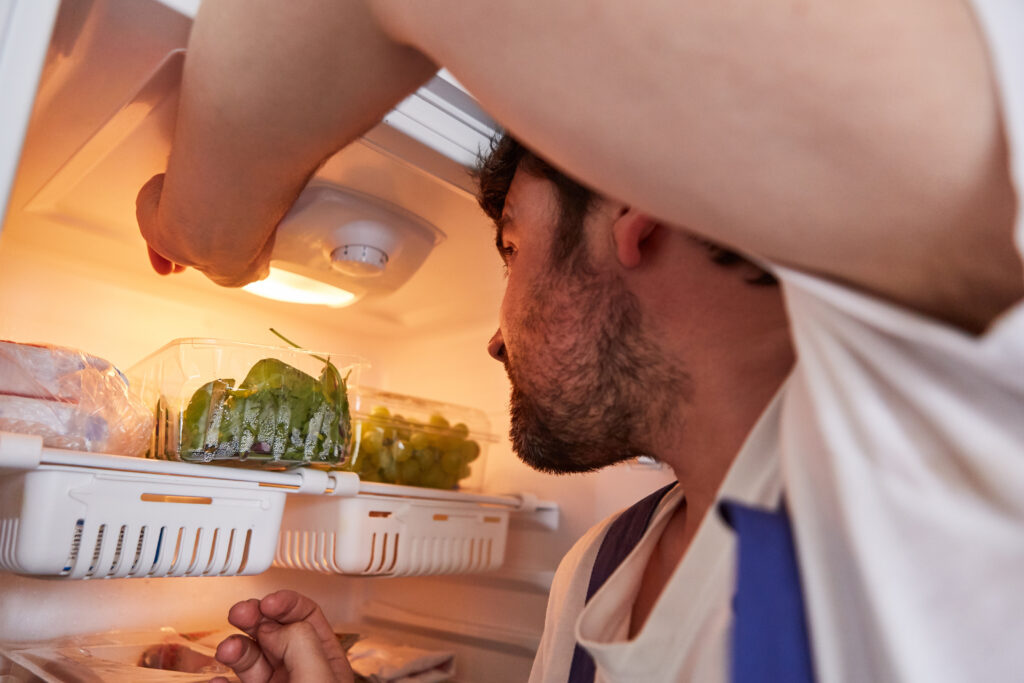
The refrigerator light bulb is more than a glow behind cold air. It’s a functional component that helps with visibility, maximizes your efficiency in the kitchen, and serves as a subtle indicator that your fridge is functioning as it should. Most refrigerators feature one or two bulbs positioned near the top or sides of the interior. These bulbs activate automatically when the door opens, often controlled by a small spring-loaded switch that compresses as the door closes, cutting the power.
Standard refrigerator bulbs are typically appliance-grade incandescent or LED varieties designed specifically to handle cold temperatures, heavy usage, and moisture. These bulbs are built to last, but like any part, they eventually fail. More importantly, if the light stops working, it could signal issues that go beyond the bulb, from faulty door switches to wiring problems. Routine bulb replacement acts as a small but essential piece of broader appliance maintenance that helps preserve energy efficiency and usability around your kitchen.
How to Replace a Refrigerator Light Bulb Safely
Before you even open the fridge door to begin troubleshooting a dark interior, safety comes first. Start by unplugging the refrigerator or switching off its breaker. Even though it’s just a light, you’re working with an electrical appliance. Once powered down, locate the bulb. It’s typically protected by a plastic or glass cover, which can snap or unscrew off depending on the model. The bulb should unscrew like any standard light, counter-clockwise. Inspect the housing for signs of damage or corrosion before installing the new bulb.
Make sure the replacement bulb precisely matches the wattage and base type recommended by your manufacturer. Using a bulb with higher wattage than specified can overheat and damage the surrounding components. Once replaced, reattach the cover, restore power, and test the new bulb by opening the fridge door. If nothing happens — still no light — the issue may lie elsewhere, such as the door switch, fuse, or internal wiring. That’s when it becomes about more than just a bulb.
When a Light Bulb Points to Bigger Problems
If replacing the light bulb doesn’t restore functionality, this minor maintenance step becomes a diagnostic sign. The door switch, which controls the light and sometimes other fridge functions, may be malfunctioning. That can have deeper implications, as the same switch may affect cooling cycles and defrosting features. A damaged switch could mean food safety risks or wasted energy, leading to more expensive outcomes down the line.
Electrical issues are another possibility. Refrigerators require a continuous, grounded path to operate safely. Any disruption in this path — whether due to wiring faults or component failure — can start showing up through secondary signs like a non-functioning light. If that’s the case, homeowners need to understand where their coverage begins. A robust home warranty can be the difference between a quick fix and an unexpected expense. This escalation highlights why even seemingly mundane fixes deserve our attention.
Common Mistakes to Avoid During Refrigerator Light Bulb Replacement
A bulb replacement shouldn’t turn into an appliance catastrophe, but simple missteps make that possible. One common mistake is forcing a bulb into a socket it doesn’t align with — that can crack the bulb or damage the socket terminal. Another frequent issue is choosing a generic or incorrect bulb not rated for cold temperatures. These off-type bulbs may appear to work at first but typically fail faster, and in some models, they may cause flickering or power issues.
Attempting to replace a bulb while the fridge is still powered can also damage internal electronics or result in electrical shock. Similarly, skipping inspection of the bulb housing might mean missing leaks or electrical shorts that will cause repeat failures. Being thorough doesn’t take much extra time, and it can help avoid recurring issues or broader appliance disruptions. Consider this maintenance task as a window into your fridge’s overall health, not just a one-off reset of interior lighting.
Energy Efficiency and LED Upgrade Opportunities
If the original bulb is incandescent, this moment can be an opportunity. Many modern refrigerator models support LED replacements, which offer longer life spans and lower energy draw. These bulbs stay cooler and last significantly longer than traditional options, and some are even designed with smart sensors or varying brightness settings. While not every model can accommodate LEDs, check your manufacturer’s specs — the upgrade can mean fewer replacements and marginal energy savings over time.
LEDs also introduce a little modern convenience. The light appears cleaner, brighter, and more directional, which often improves visibility inside the fridge. It may seem trivial, but improved interior lighting can help households minimize open-door duration, reducing compressor cycles and marginally improving your appliance’s lifespan. Once again, a small change contributes to larger system performance.
How Home Warranty Plans Support Appliance Repairs
Most home warranty plans don’t cover bulbs as stand-alone items, but the surrounding mechanism — like the door switch or electrical circuit — usually falls within coverage. That distinction matters. If you replace a bulb and the problem persists, your warranty might step in to address the underlying issue. This can include diagnosing switch malfunctions, internal wiring faults, or even door mechanism failures that impact lighting, insulation, or cooling.
Homeowners should understand their coverage terms before assuming any cost liability. Knowing when to call your provider instead of paying out-of-pocket can protect your finances and the longevity of your appliance. When enrolled with a reliable home warranty provider, even these minor wear-and-tear issues become manageable, not stressful. That understanding empowers smart budgeting and timely repairs over reactive crisis management.
Light the Way with Armadillo’s Home Warranty Protection
Homeownership isn’t just about big decisions and complicated systems. Sometimes, it’s about knowing how to change a lightbulb — and when that simple fix reveals a need for professional support. Replacing a refrigerator light bulb is a small but telling part of maintaining your appliance efficiency, safety, and comfort at home. And that’s where partnering with the right home warranty provider matters.
With Armadillo, you’re never left in the dark. Our plans cover vital appliances and systems, giving you peace of mind whether it’s the light in your fridge or something far more complex. If you’re looking for bulletproof repair support, responsive service, and flexible protection options, visit our homepage to learn more or start building your plan. Because even the smallest fixes deserve the right backup.