What Does It Mean to Reseal a Window — And Why Should You Care?
Windows do a lot more than let light in. They hold back drafts, block moisture, and keep your energy bills from quietly spiraling out of control. But over time, the sealant around your windows breaks down. It cracks, shrinks, pulls away from surfaces, and eventually stops doing its job entirely. When that happens, you end up with cold spots near the glass in winter, condensation forming between panes, or that faint whistling sound every time the wind picks up. Resealing a window is the process of removing that old, compromised sealant and replacing it with a fresh material that restores the barrier between your home’s interior and the outside world. It sounds straightforward enough — and in some cases, it is. But there is more going on beneath the surface than most homeowners realize.
How Window Seals Work in the First Place
A window seal is not a single thing. It is actually a combination of materials working together. On the exterior, caulk is applied along the frame where the window meets the siding or trim, preventing water and air from sneaking in around the edges. On the interior, weatherstripping along the sash helps operable windows close tightly. And inside double- or triple-pane insulated glass units, there is a factory-applied seal that keeps an inert gas — typically argon — trapped between the panes. That gas layer is what gives modern windows their insulating performance. When any of these seal types fail, the consequences vary. Failed exterior caulk lets moisture work its way into the wall cavity. Failed weatherstripping lets conditioned air escape. Failed insulated glass unit seals allow that argon to slowly leak out and get replaced by regular air, which carries humidity and dramatically reduces thermal performance. Understanding which type of seal has failed is the first step toward fixing it correctly.
Signs Your Window Seals Have Failed
Not every window problem is immediately obvious, but there are reliable warning signs worth knowing. Some failures announce themselves loudly — others hide until they have done real damage. Here are the most common indicators that your window seals need attention:
- Visible cracks, gaps, or missing sections in exterior caulk along the window frame
- Condensation or fogging that appears between the glass panes rather than on the surface
- Drafts near closed windows, especially in colder months
- Water stains, soft drywall, or peeling paint near window trim
- Higher-than-normal heating or cooling bills without another obvious cause
- A milky or hazy appearance on insulated glass that will not wipe clean
If you are noticing foggy glass between panes, that is a failed insulated glass unit — and unfortunately, no amount of exterior caulking will fix it. That particular issue requires either replacing the glass unit itself or, in more severe cases, the entire window.
How to Reseal a Window: The Process Explained
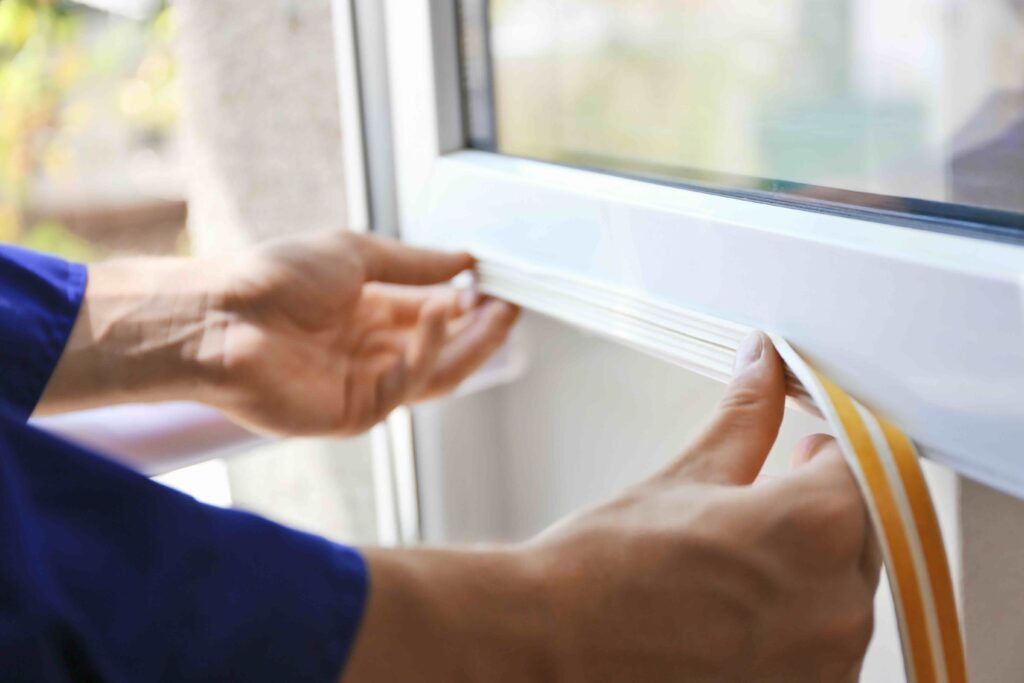
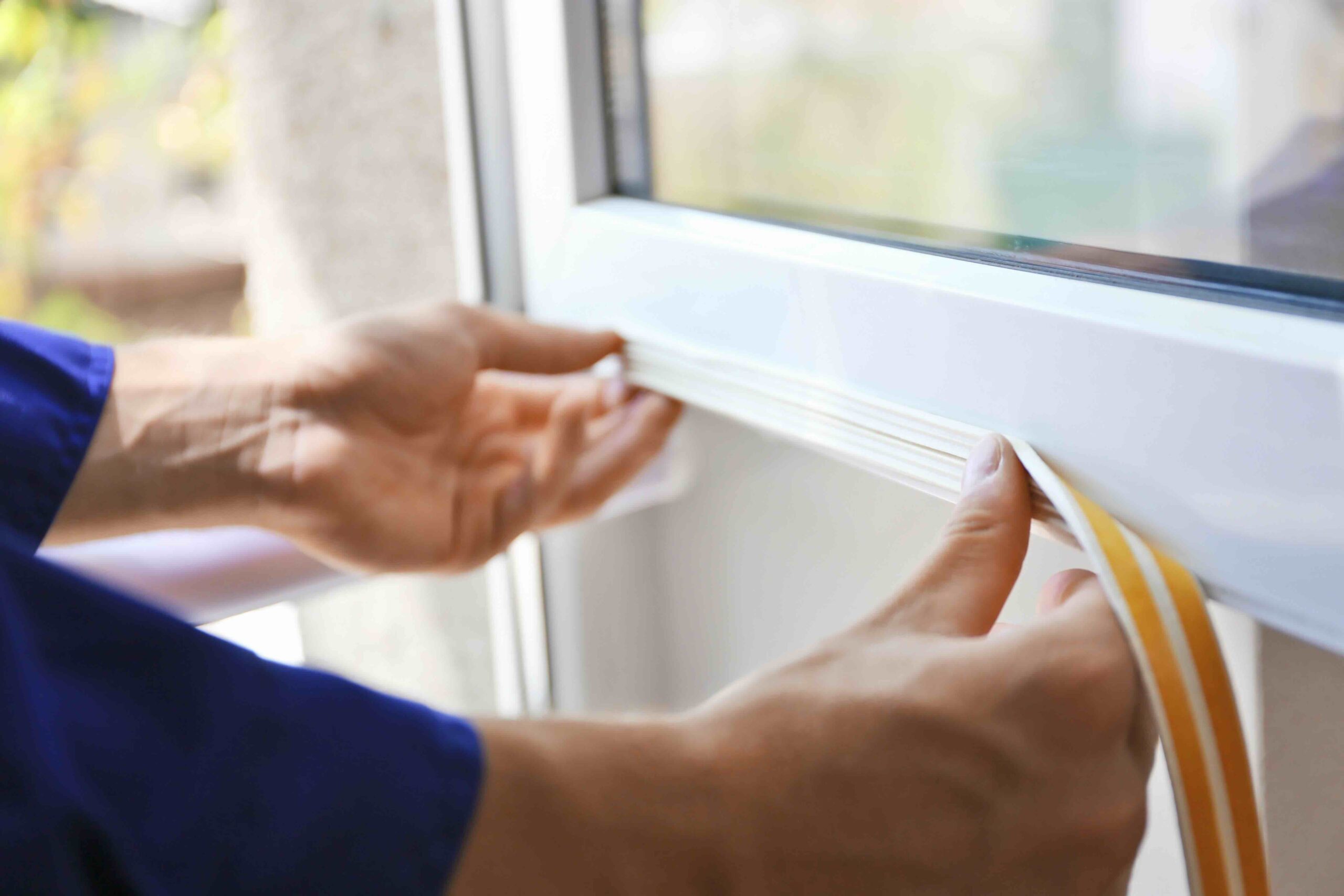
For exterior caulk replacement, the process is approachable for most homeowners willing to spend a Saturday afternoon on it. You start by removing the old caulk entirely using a utility knife or oscillating tool, then clean the surface thoroughly with a mild solvent to remove residue and any mold or mildew that has built up. Once the surface is dry, you apply a fresh bead of exterior-grade caulk — silicone or a siliconized latex blend is generally recommended for windows — then smooth it with a damp finger or caulking tool and let it cure according to the product’s instructions. For weatherstripping, you peel away the old material, clean the contact surface, and press or staple new weatherstripping into place. Getting a tight seal around the sash is the goal. For failed insulated glass units, this is where the DIY approach has real limits. Replacing the sealed glass unit requires precise measurements, sourcing the correct replacement, and in many cases, specialized installation skills to ensure the new unit is properly seated and sealed within the frame.
What Materials Work Best for Resealing Windows
Material selection matters more than most people expect. Not all caulks are created equal, and using the wrong one can mean the seal fails again within a year or two. Silicone caulk is highly durable, flexible, and water-resistant, making it a strong choice for exterior applications. However, it cannot be painted, which matters if your window trim is stained or painted a specific color. Siliconized latex caulk offers a workable compromise — paintable, reasonably durable, and easier to apply cleanly. Polyurethane caulk is another option that performs well in high-movement areas where the frame expands and contracts significantly with temperature changes. For weatherstripping, foam tape works for light-duty applications but degrades faster than V-strip or door sweep alternatives. Felt weatherstripping is inexpensive but absorbs moisture over time. The right choice depends on your specific window type, climate, and how much movement the framing is subject to seasonally.

Common Mistakes Homeowners Make When Resealing Windows
Even a simple repair can go sideways if a few key steps are skipped. One of the most frequent mistakes is applying new caulk directly over old caulk without removing the original material. This creates an uneven surface and almost guarantees early failure because the new caulk cannot bond properly to a degraded base. Another common error is working in poor conditions — caulk applied in very cold temperatures, on a wet surface, or in direct intense sunlight often does not cure correctly. Skipping the cleaning step is also a problem; dust, oils, and mold residue all compromise adhesion. Finally, using an interior-grade caulk on an exterior application is a mistake that shows up repeatedly. Interior caulks are not formulated to handle moisture exposure or UV degradation, so they break down quickly when used outside.
The Cost of Resealing Windows Versus Replacing Them
One question homeowners wrestle with fairly often is whether resealing makes financial sense compared to full window replacement. For exterior caulk failure and weatherstripping issues, resealing is almost always worth doing — the materials are inexpensive, labor costs are modest if you hire someone, and the improvement in energy efficiency can be noticeable immediately. For failed insulated glass units, the math gets more complicated. Replacing just the glass unit typically costs less than full window replacement, but if the frame itself is warped, rotted, or structurally compromised, you may be better served putting that money toward a new window rather than a partial fix. A qualified window professional can assess the frame condition and help you make the call. In general, a single window reseal job runs anywhere from a modest DIY expense for materials to several hundred dollars if you bring in a contractor, depending on window size and access difficulty.
How Window Resealing Connects to Your Home Warranty
This is a question that comes up regularly, and it is worth addressing directly. Standard home warranty plans typically cover systems and appliances that fail due to mechanical breakdown or normal wear and tear — things like your HVAC, plumbing, electrical, or kitchen appliances. Window seal failure, in most cases, is considered a maintenance issue rather than a mechanical failure, which means it often falls outside the scope of a traditional home warranty plan. That said, damage caused by a covered system failure — such as water intrusion that results from a plumbing-related issue — may be handled differently depending on your specific plan terms. It is always worth reading your coverage documents carefully and reaching out to your provider with specific questions before assuming something is or is not covered.
Why Staying Ahead of Window Maintenance Protects Your Whole Home
A failed window seal feels like a small problem until it is not. Moisture that gets past a compromised exterior seal does not stay near the window. It migrates into wall cavities, where it feeds mold growth, degrades insulation, and softens structural framing — none of which are cheap or easy to fix. Staying on top of window maintenance, including inspecting and recaulking as needed every few years, is one of the most cost-effective things you can do to protect your home’s envelope. Set a reminder to walk the perimeter of your home each fall and spring, checking every window and door frame for gaps, cracks, and deteriorating caulk. It takes maybe an hour, and catching a problem early can save thousands in remediation costs down the line.
How Armadillo Helps Homeowners Stay Protected Year-Round
Window maintenance is part of the larger picture of responsible homeownership, and nobody understands that picture better than the team at Armadillo home warranty and home protection plans. While resealing windows falls under routine upkeep, the systems and appliances inside your home — the ones quietly working around the clock — are where unexpected repair costs can really catch you off guard. A furnace that stops working in January, a water heater that gives out mid-week, a refrigerator that suddenly cannot hold temperature: these are the moments a home warranty exists for. If protecting your home means covering both the maintenance you handle yourself and the major system failures you cannot predict, it makes sense to have a plan in place before something goes wrong. You can get a free home warranty quote for your windows, systems, and appliances in just a few minutes, with no pressure and no confusing fine print to wade through. Armadillo is built for homeowners who want straightforward protection and a team that actually shows up when things go sideways.

Frequently Asked Questions About Resealing Windows
Here are answers to the questions homeowners ask most often when it comes to window resealing, maintenance, and protection.
How often should window seals be replaced?
Exterior window caulk typically lasts five to ten years before it begins to crack or pull away from surfaces. Weatherstripping may need replacing every three to five years depending on use and climate. It is a good practice to inspect both annually and reseal as needed rather than waiting for failure to become visible damage.
Can I reseal a window myself or do I need a professional?
Exterior caulk replacement and weatherstripping are well within the skill range of most homeowners with basic tools. Replacing a failed insulated glass unit is more technical and generally benefits from professional installation to ensure the new unit seals correctly within the frame.
What is the best caulk to use for resealing windows?
For exterior applications, silicone or siliconized latex caulk is widely recommended for its durability, flexibility, and water resistance. Polyurethane caulk is also a solid option in climates with significant temperature swings, as it handles expansion and contraction well.
Will resealing a window fix foggy glass between panes?
No. Fogging between panes is caused by a failure of the sealed gas unit inside the insulated glass, and exterior caulk or weatherstripping repairs will not address it. That condition requires either replacing the insulated glass unit or the full window.
Does a home warranty cover window seal failure?
Most standard home warranty plans do not cover window seal failure because it is classified as a maintenance issue rather than a mechanical system breakdown. However, coverage details vary by provider and plan, so reviewing your specific contract terms is always the best approach.
How do I know if my window frames are damaged beyond just the seal?
Signs of frame damage beyond seal failure include visible rot or soft spots in wood frames, warping that prevents the window from closing flush, and water staining that extends into the surrounding wall. A window professional can evaluate whether resealing is sufficient or if a full replacement is warranted.
How long does it take for new window caulk to cure?
Most exterior caulks are touch-dry within a few hours but require 24 to 48 hours to fully cure. Silicone caulk generally cures more slowly than latex-based options. Avoid exposing fresh caulk to rain or extreme temperatures during the curing period for the best results.
Can failed window seals affect my energy bills?
Yes, significantly. Air leaks around window frames and failed insulated glass units both reduce your home’s thermal efficiency. Studies suggest that drafty windows and doors can account for a notable percentage of heating and cooling loss in older homes, which translates directly into higher utility costs.
Should I reseal windows before winter or in the spring?
Fall is generally the best time to inspect and reseal windows because it allows the caulk to cure before cold weather sets in and ensures your home is properly sealed heading into the heating season. Spring inspections are also useful for catching any damage that occurred over winter.
Is window resealing the same as window glazing?
Not exactly. Window glazing refers specifically to the compound used to bed and seal single-pane glass within a wooden frame — common in older homes. Resealing is a broader term that covers caulking around the frame perimeter, replacing weatherstripping, and addressing failed insulated glass unit seals in modern double- or triple-pane windows.