How to Reset a Circuit Breaker and What It Means for Your Home Warranty
When your microwave goes dark mid-pop or your hair dryer suddenly powers down with an audible click from the utility room, something has triggered your circuit breaker. For homeowners, understanding how to reset a circuit breaker isn’t just about flipping a switch—it’s foundational knowledge tied directly to your electrical system, appliances, and even your home warranty. This article walks you through what circuit breakers do, how to reset them safely, and why looking at grounding and breaker behavior is a strong indicator of your home’s electrical integrity. Whether you’re troubleshooting issues or researching reliable warranty protection, knowing how your electrical system behaves is key to making informed decisions.
What Is a Circuit Breaker and How Does It Work?
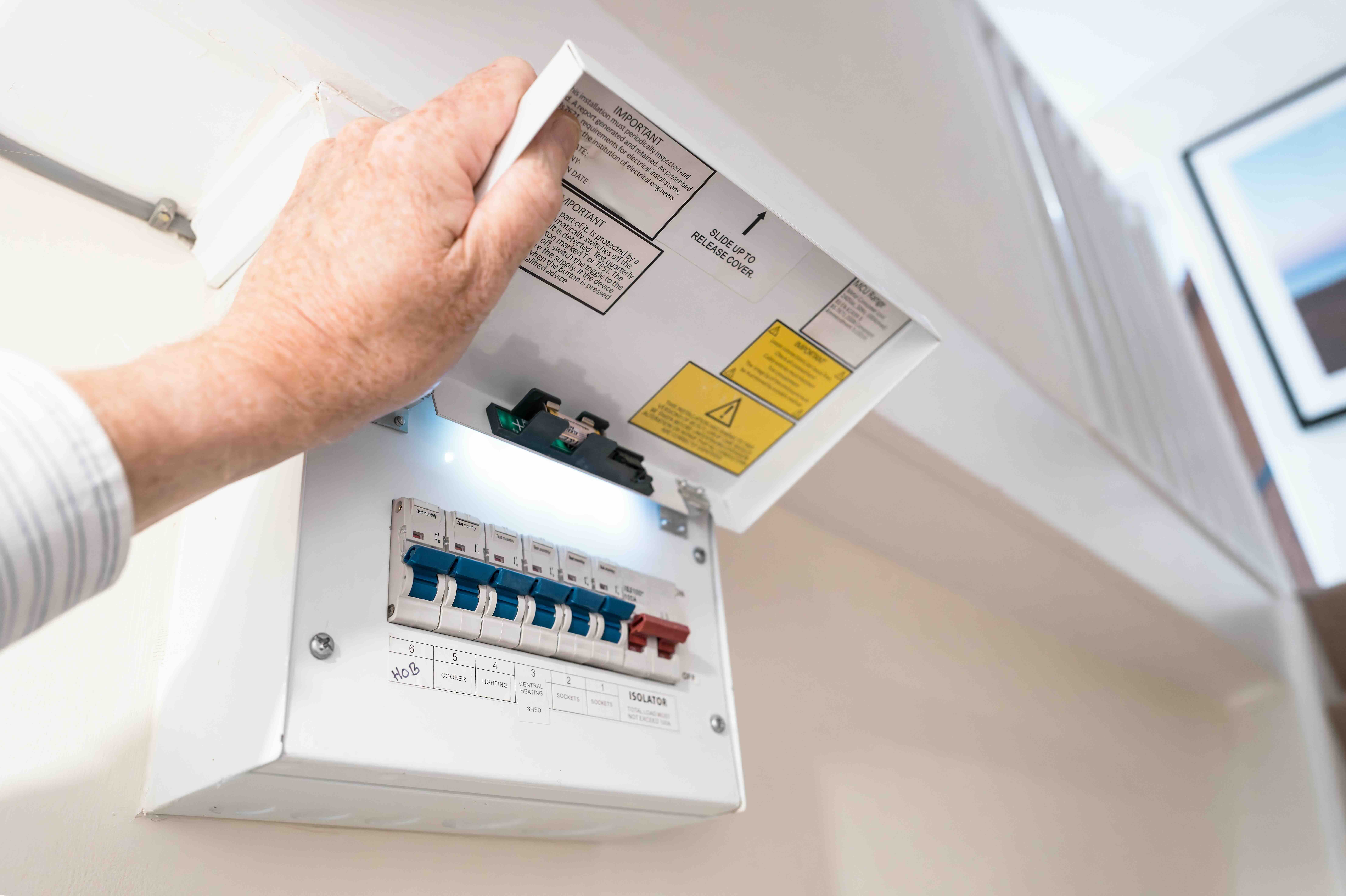
Your circuit breaker is the first line of defense between your home’s electrical system and the hazards of too much power. Think of it as a traffic cop for electricity. It monitors electrical flow and automatically interrupts it if the demand gets too high or if there’s a fault—like a short circuit or ground fault. When demand exceeds the breaker’s limit, it trips. That is, it flips internally to the OFF position, instantly stopping electrical current to that portion of your home. The result is a dark room, a silent outlet, or a suddenly quiet appliance.
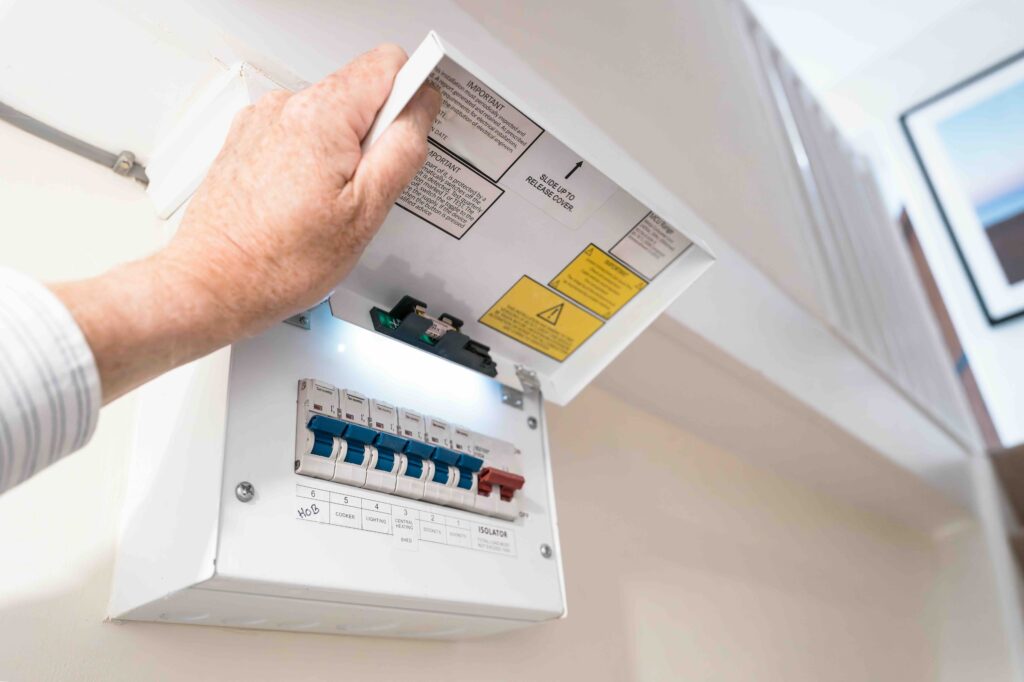
This automatic shutdown protects your wiring from overheating and helps prevent electrical fires. Breakers are organized in your panel box, typically located in a utility room, garage, or basement. Each one corresponds to a specific zone of your home: bedroom outlets, kitchen appliances, HVAC systems, and so on. This means if only the bathroom lights blink out, there’s a good chance a dedicated breaker tripped due to excessive use on that line.
How to Safely Reset a Circuit Breaker
Before resetting anything, visually inspect the area connected to the tripped breaker. If you were using an appliance that suddenly stopped working, unplug it. A tripped breaker is often a sign that the appliance pulled more electricity than the circuit could deliver. Look at the electrical panel and find the breaker that is neither fully ON nor fully OFF—it may be somewhere in between. Firmly push it to the OFF position first, then flip it back to ON. This full movement is necessary; skipping the OFF position may result in the breaker failing to reset properly. Once power returns, plug appliances back in cautiously, monitoring for continued issues. If the breaker trips again soon after, it could signal a serious electrical problem requiring a licensed electrician’s attention.
Understanding Electrical Grounding in Homes
Every properly installed home electrical system is grounded, meaning it has a direct path to transfer excess electrical energy safely into the earth. This grounded pathway protects you and your home from built-up current that could damage electronics or even pose a shock risk. Grounding is part of the wiring configuration and is mandated by building codes. It’s also essential for modern home insurance and warranty considerations. Without a proper ground, circuit breakers may fail to trip as intended during a fault, creating unsafe conditions. Ground faults, which occur when electricity strays outside its intended path often into a grounded surface, are why many home systems now include GFCIs—ground fault circuit interrupters that shut off power immediately when detected. If you experience repeated breaker trips or strange buzzing sounds near outlets, this may indicate poor grounding or worn wiring—both of which can impact warranty eligibility or require fixes prior to coverage approval.
Common Breaker Issues and How They Relate to Home Warranty Coverage
Not every flickering light or stalled blender is cause for concern, but repeated issues likely point to structural problems within your electrical system. From a home warranty perspective, breaker-related malfunctions involving covered appliances or systems often qualify for service—so long as the root cause is due to normal wear, not incorrect installation or neglected electrical problems. For example, if your air conditioner keeps tripping its associated breaker and a licensed technician confirms the issue lies within the HVAC system itself, a warranty may apply. However, if the issue ties directly back to faulty electrical wiring or a bad breaker—which falls under electrical infrastructure—it may or may not be covered depending on the warranty terms. Understanding this distinction matters: your home warranty can save you hundreds on appliance and system repair, but the condition of the supporting electrical system plays a large role in acceptance or denial of service claims.
Breaker Panel Maintenance: Don’t Ignore the Box
For many homeowners, the breaker panel is a mystery box avoided unless something stops working. This approach often leads to preventable issues. Breaker boxes should be clear of any obstructions, easily accessible, and free from water exposure or visible signs of wear. Signs of concern include burn marks on breakers, warm surfaces when you touch them, or a buzzing noise—a clear indicator of poor electrical contacts. If these occur, don’t attempt to open or replace breakers yourself unless you are qualified. Improper tampering can void insurance, cause injury, or result in denied warranty claims. Keep a record of any licensed electrician visits and work performed on your electrical system. This documentation is often requested by home warranty providers during service claims, particularly if related to systemic electrical issues.
When to Call a Professional (and Not Just Reset Again)
Resetting a breaker once is expected and normal in many households. But if the same breaker trips more than once in a short time period, it’s not a coincidence—something is wrong. Continual tripping could suggest a chronic overload, outdated wiring, or compromised appliances. These aren’t issues you fix by simply unplugging one device or flipping switches. Knowing when to call a certified electrician saves time, reduces risk, and streamlines conversations with your warranty provider. Homeowners sometimes avoid this step, thinking the fix is easy or that it doesn’t warrant professional help. But persistent electrical issues can escalate quickly and impact the eligibility of home warranty claims if left unchecked.
Protect Your Home (and Budget) with a Reliable Warranty Provider
Knowing how circuit breakers work and how to reset them is essential homeowner knowledge. But beyond awareness, ensuring your home’s critical systems and appliances are covered—especially when electrical issues arise—is even more important. Armadillo offers flexible home warranty plans that support today’s homeowners with simplified protection, preventative education, and efficient service response. We understand that behind every switch, outlet, and tripped breaker lies something bigger: your family’s safety, comfort, and budget. With coverage options that factor in real-world usage and electrical infrastructure, Armadillo helps you skip the stress and focus on smart ownership. Explore our home warranty plans and get started in minutes at our homepage (https://www.armadillo.one). Ready to choose your plan now? Get a customized quote here (https://app.armadillo.one/plan-builder?current=zip).