What Is a Circuit Breaker and Why Does It Matter in Your Home?
Your home’s electrical panel is one of those things most homeowners never think about until something goes wrong. A circuit breaker is essentially a safety switch that automatically cuts off electrical flow when a circuit becomes overloaded or a fault is detected. It sits inside your electrical panel, that gray or black metal box usually mounted in a utility room, basement, or garage, and it quietly protects your home from electrical fires and appliance damage every single day. Understanding how it works, and more importantly, how to reset one when it trips, is basic homeowner knowledge that can save you time, money, and a panicked call to an electrician.
How Circuit Breakers Actually Work
Each breaker in your panel is assigned to a specific circuit in your home. That circuit powers a group of outlets, lights, or a single appliance. When too much electrical current runs through a circuit, the breaker trips. Think of it like a fuse that does not burn out. Instead, it flips to a middle or off position and stops the current. This is a protective response, not a malfunction. The breaker is doing exactly what it was designed to do. Some trips happen because of temporary overloads, like running too many appliances at once. Others can indicate a short circuit or a ground fault, which are more serious issues that need attention beyond a simple reset.
How to Tell When a Breaker Has Tripped
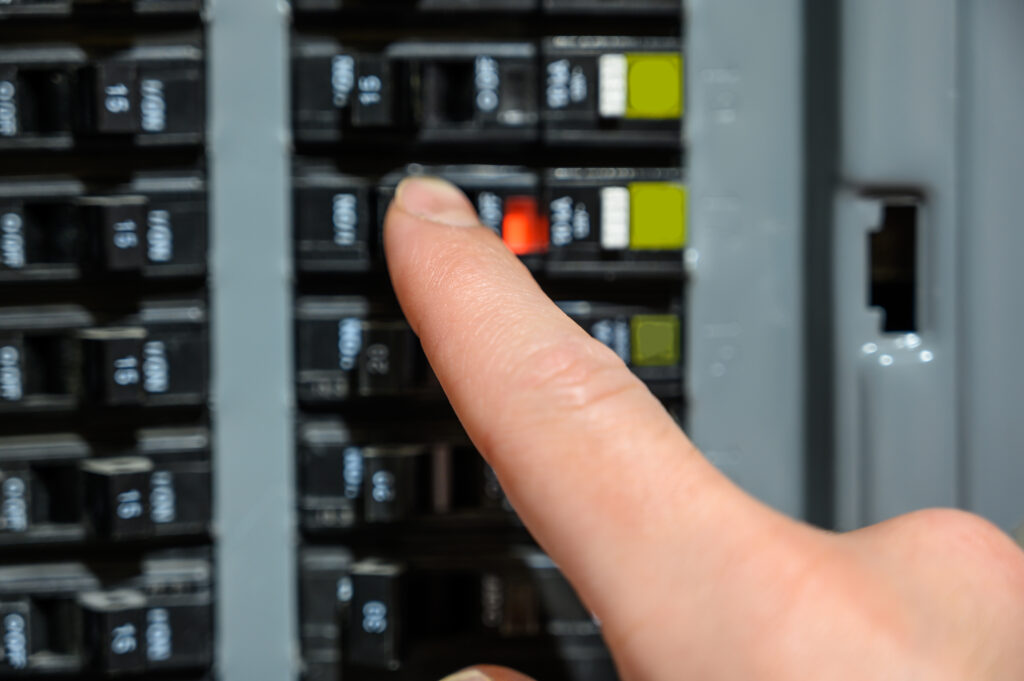
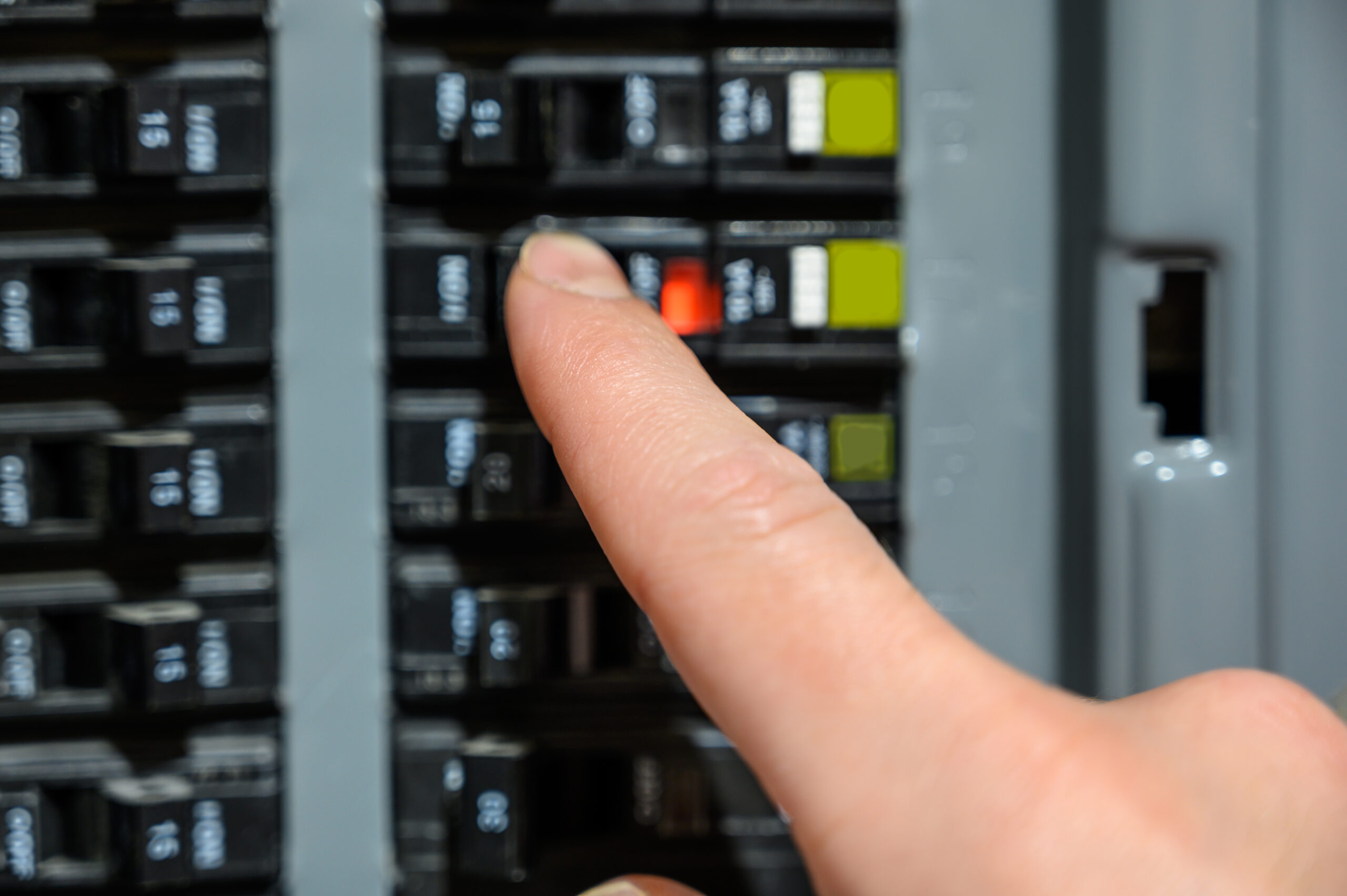
Before you reset anything, you need to confirm a tripped breaker is actually the problem. Signs are usually straightforward. A section of your home loses power while the rest stays on. Lights go out in one room. An outlet stops working. You head to the panel and look for the breaker that is not fully in the ON position. Some breakers move visibly to the middle, others shift to OFF. Panels vary, but most modern breakers have a small indicator window that turns red when tripped. If every breaker looks fine but you still have no power, the issue may be with your utility provider rather than your panel.

Step-by-Step Guide to Resetting a Tripped Breaker
Resetting a breaker is simpler than most people expect, but doing it correctly matters. Follow these steps to handle it safely and effectively.
- Turn off or unplug the appliances connected to the affected circuit before resetting. This reduces the load and prevents an immediate re-trip.
- Locate your electrical panel and open the door. Most panels are labeled, though the labels are not always accurate in older homes.
- Find the tripped breaker. It will be in the middle position or pointing toward OFF rather than fully ON.
- Push the breaker firmly to the full OFF position first. You should feel a slight click.
- Then push it back firmly to the ON position. Another click confirms it is set.
- Restore power to your appliances one at a time and monitor for another trip.
When a Breaker Keeps Tripping: What That Tells You
A breaker that trips repeatedly after being reset is not being dramatic. It is communicating something. The most common reason is a persistently overloaded circuit, meaning you are regularly drawing more power than the circuit is rated to handle. This is especially common in kitchens, home offices, and older homes where the electrical system was not designed for modern power demands. Another possibility is a short circuit, which happens when a hot wire contacts a neutral wire, often inside an outlet, switch, or appliance. A ground fault is similar but involves the hot wire contacting a grounded surface. Both short circuits and ground faults require inspection beyond a simple reset and should not be ignored.
Common Mistakes Homeowners Make With Circuit Breakers
There are a few missteps that come up again and again when homeowners deal with tripped breakers. One of the biggest is skipping the OFF position before resetting. If you push directly from the tripped middle position to ON without going through OFF first, the reset may not fully engage. Another common mistake is overloading the circuit again immediately after resetting without investigating the root cause. That just leads to another trip, sometimes within minutes. Some homeowners also try to reset a breaker that is hot to the touch or shows signs of burning or melting. That is a hard stop situation. Do not reset it. Call a licensed electrician immediately, because that panel needs professional attention.
The Difference Between a Tripped Breaker and a Blown Fuse
Older homes, particularly those built before the 1960s, may still have fuse boxes rather than breaker panels. The core function is the same, but the mechanism is different. A fuse contains a metal wire that physically melts when the circuit is overloaded, breaking the current. Once a fuse blows, it cannot be reset. It must be replaced entirely. A circuit breaker, by contrast, is reusable. It trips and can be reset manually. If you have a fuse box and are dealing with recurring electrical issues, upgrading to a modern breaker panel is something worth seriously considering both for safety and for home insurance purposes.
Advantages of Understanding Your Electrical Panel
Knowing how to reset a breaker is genuinely useful homeowner knowledge. It removes the stress of a minor electrical interruption, keeps you from calling an electrician for something you can handle yourself, and gives you a clearer picture of your home’s overall electrical health. Homeowners who are familiar with their panel also notice warning signs earlier, like a breaker that trips more frequently than it used to, a burning smell near the panel, or a panel that feels warm. Catching those signs early can prevent a much more costly repair or, in serious cases, a fire hazard.
Why Home Warranty Coverage Matters for Electrical Systems
Even with the best DIY knowledge, some electrical issues go beyond a simple reset. Wiring problems, panel failures, and component damage from repeated surges are the kinds of repairs that add up fast. That is where having a home warranty becomes genuinely valuable. Armadillo home warranty plans designed to cover electrical system repairs give homeowners a reliable financial buffer when something inside the panel or wiring stops working as it should. Instead of absorbing a surprise repair bill, you have coverage that kicks in when the system fails. If you want to protect your household from exactly the kind of unexpected electrical failure that a tripped or broken breaker can signal, it is worth taking a few minutes to get a free home warranty quote that covers your electrical panel and systems. Coverage is straightforward, pricing is transparent, and the peace of mind is real.

Frequently Asked Questions About Resetting Circuit Breakers
These are the questions homeowners ask most often when dealing with tripped breakers and electrical panel issues.
How do I know if my circuit breaker has tripped?
A tripped breaker will be in the middle position between ON and OFF, or it may have shifted fully to the OFF position. Many modern breakers also have a small red indicator window that appears when the breaker has tripped.
Is it safe to reset a circuit breaker yourself?
Yes, resetting a standard tripped breaker is safe for most homeowners. The key steps are turning off appliances on the affected circuit first, pushing the breaker to the full OFF position before switching it back to ON, and not touching a breaker that is hot, discolored, or smells like burning.
Why does my breaker keep tripping after I reset it?
Repeated tripping usually means the circuit is being overloaded, there is a short circuit, or there is a ground fault. If the issue persists after reducing the load on the circuit, a licensed electrician should inspect the wiring and panel.
Can I reset a breaker more than once?
You can reset a breaker multiple times, but doing so without addressing the underlying cause is not advisable. Each trip is a signal. If it keeps happening, investigate the root issue rather than continuing to reset it.
What is the difference between a circuit breaker and a GFCI outlet?
A circuit breaker protects an entire circuit from overloads and short circuits and is located in your electrical panel. A GFCI outlet protects against ground faults at a specific location, like near water sources, and has its own reset button built directly into the outlet face.
How long does it take to reset a circuit breaker?
The actual reset process takes less than a minute once you have located the tripped breaker in your panel. Including the time to unplug appliances and confirm power is restored, the whole process typically takes five to ten minutes.
Should my electrical panel feel warm?
A slight warmth near the panel can be normal under heavy electrical load, but a panel that feels hot to the touch, or has a burning smell, is a warning sign. Do not attempt a reset in that scenario. Contact a licensed electrician promptly.
Does a home warranty cover circuit breaker repairs?
Many home warranty plans include coverage for electrical panels and internal components, including breakers that fail due to normal wear. Coverage details vary by provider and plan, so reviewing your specific contract terms is always recommended.
How do I know if my electrical panel needs to be replaced?
Signs that a panel replacement may be needed include breakers that trip constantly, a panel that is more than 25 to 30 years old, visibly burnt or corroded components, and panels that are known problem brands from older manufacturing eras. An electrician can assess whether repair or full replacement is the right call.
Can a tripped breaker damage my appliances?
A tripped breaker is actually protecting your appliances by cutting power before damage occurs. However, if the cause was a power surge rather than an overload, appliances may have already been affected before the breaker responded. Surge protectors add an additional layer of protection at the device level.