What Does It Mean to Reset a Fuse — and Why Should You Know How?
There is a moment most homeowners recognize — the lights cut out, an appliance goes dead, or an entire section of the house simply stops working. No storm. No warning. Just silence. Nine times out of ten, a tripped circuit breaker or a blown fuse is responsible. And while that sounds alarming, the fix is usually straightforward. Understanding how to reset a fuse, or identify when a fuse needs replacing versus when your electrical panel is trying to tell you something more serious, is one of those foundational home skills that pays off repeatedly over the years. This article walks through the process clearly, explains the difference between fuses and breakers, and helps you know when to handle it yourself versus when to call someone in.
Fuses vs. Circuit Breakers: Understanding What You Actually Have
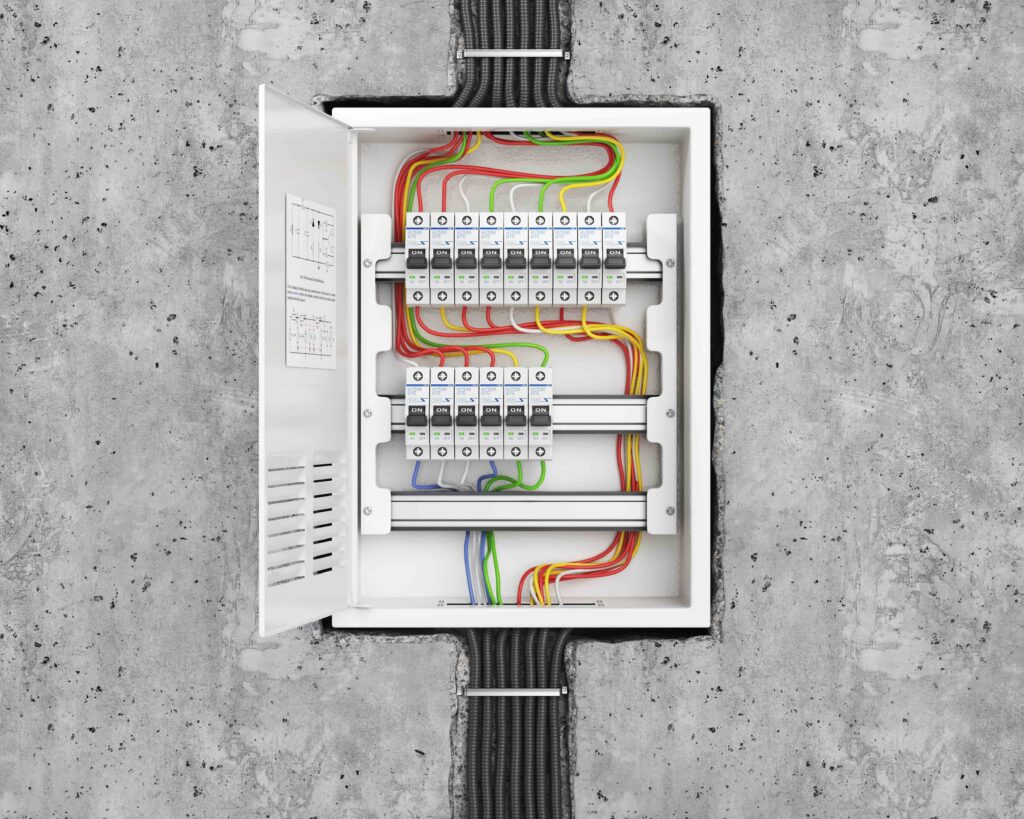
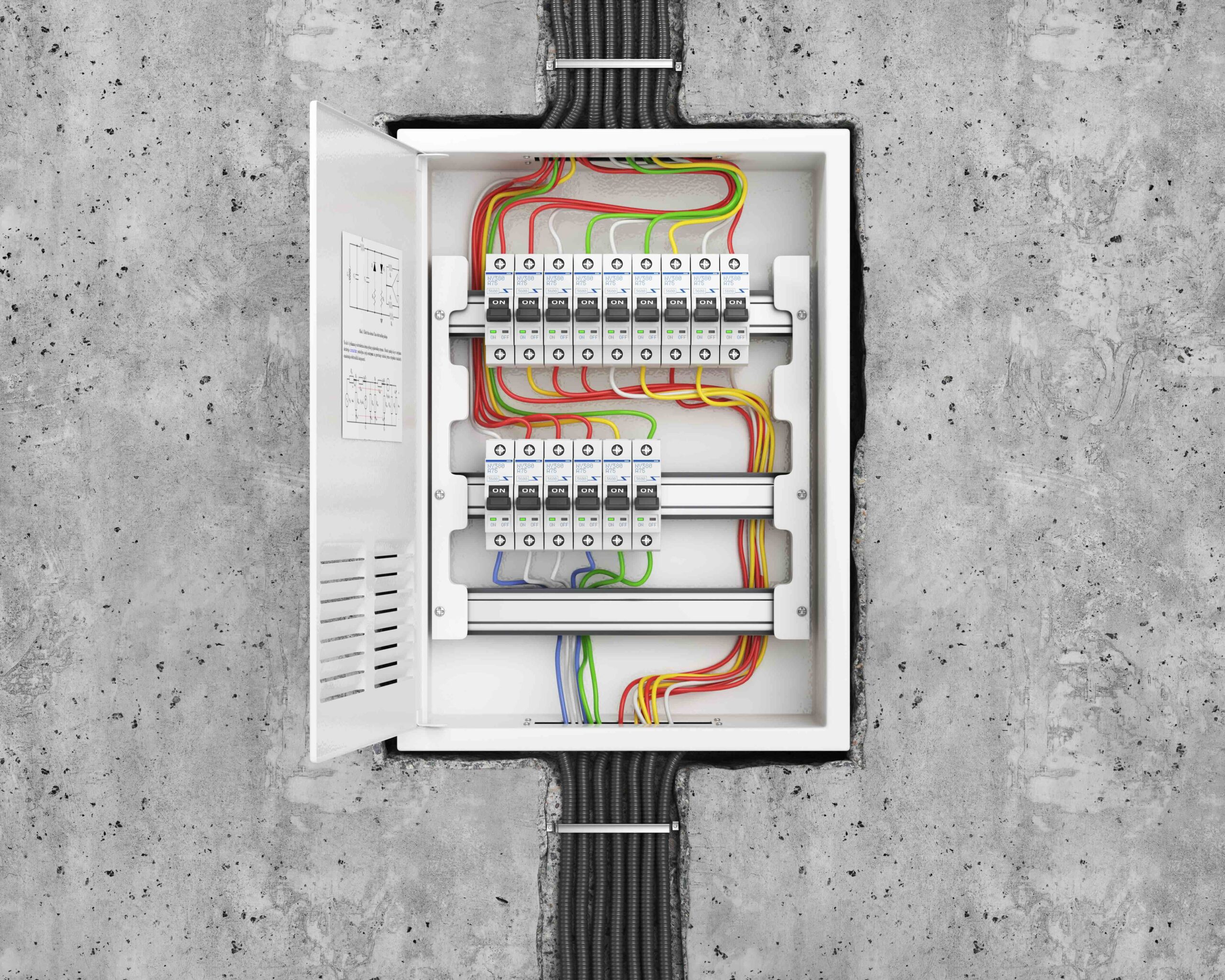
Before anything else, it helps to know which system is protecting your home’s electrical circuits. Older homes — generally those built before the 1960s — often still use fuse boxes. Newer construction almost universally uses circuit breaker panels. Both serve the same fundamental purpose: they interrupt electrical flow when a circuit is overloaded or experiences a fault, preventing wires from overheating and potentially causing fires. The key difference is how they respond. A circuit breaker trips and can be reset by flipping the switch back. A fuse, by contrast, contains a thin metal strip that physically melts when too much current passes through it. Once that strip is gone, the fuse is done — it needs to be replaced, not reset. Knowing which one you have changes everything about how you respond when power cuts out.
How a Fuse Works Inside Your Electrical System
A fuse is essentially a sacrificial component. It is designed to fail before your wiring does. Inside the fuse, a small conductive filament sits in the path of electrical current. When the current flowing through that filament exceeds its rated capacity — say, because too many appliances are running on one circuit — the filament heats up and breaks. That break interrupts the circuit and stops the flow of electricity. The fuse absorbs the damage so your walls do not have to. It is a simple, time-tested design that has been protecting homes for over a century. The downside is obvious: every time it works as intended, you need a new one. That is not a flaw in the design — it is exactly how it is supposed to function.

Step-by-Step: How to Reset or Replace a Fuse Safely
If your home uses a fuse box and power has gone out in part of your home, here is how to address it properly. Safety is the first priority throughout this process.
- Turn off or unplug the appliances on the affected circuit before doing anything else. An overloaded circuit caused the problem, and sending power back into the same load could immediately blow the new fuse.
- Locate your fuse box, which is typically found in a basement, utility room, garage, or hallway closet. Open the panel door carefully.
- Identify the blown fuse. A blown fuse will often show visible signs — the window on the fuse may appear cloudy or blackened, or you may be able to see that the internal filament is broken.
- Note the amperage rating printed on the fuse. This is critical. Always replace a fuse with one of the identical amperage — never go higher, as that defeats the protective purpose entirely.
- With the main power switch turned off if your panel has one, unscrew the blown fuse counterclockwise and remove it.
- Screw in the new fuse of the correct amperage, restore main power if applicable, and test the circuit.
Common Reasons a Fuse Blows Repeatedly
A fuse that keeps blowing on the same circuit is not just an inconvenience — it is a signal. The most common cause is circuit overload, meaning too many devices drawing power from a single circuit simultaneously. Running a space heater, hair dryer, and microwave on the same circuit, for example, is a reliable way to exceed its capacity. Beyond overload, a short circuit — where a hot wire contacts a neutral wire or a ground — can cause immediate and repeated fuse failures. Faulty appliances are also frequent culprits. If a fuse blows the moment you plug in a specific device, that device likely has an internal wiring problem. Persistent fuse failures should prompt a call to a licensed electrician, because the underlying issue rarely resolves itself.
Key Advantages of a Fuse-Based Electrical System
Fuse systems often get dismissed as outdated, but they come with genuine advantages worth acknowledging. Fuses respond faster to electrical faults than most circuit breakers, offering a level of protection that is difficult to match in pure reaction time. They are also relatively inexpensive and simple — there are no mechanical parts to wear out or stick over time. In certain industrial and commercial applications, fuses remain the preferred protection method precisely because of their reliability and precision. For residential homeowners, the simplicity is also a practical benefit: diagnosing a problem in a fuse box is often more visually intuitive than interpreting a panel full of breakers. That said, the ongoing cost of replacement fuses and the inconvenience of dealing with them at 11pm when hardware stores are closed is a real consideration.
Drawbacks of Fuse Systems Compared to Modern Breaker Panels
Fuse boxes do carry limitations that matter for today’s homeowners. The most significant is capacity. Older fuse panels were designed for homes with far fewer electrical demands — no multiple televisions, smart home devices, EV chargers, or home offices running simultaneously. Older panels may also lack the capacity to support modern electrical loads safely. There is also the issue of improper repairs: a previous owner may have installed a higher-amperage fuse than the circuit was designed to handle, which is a genuine fire hazard hiding in plain sight. Home insurance companies increasingly flag fuse-based panels, particularly certain legacy brands, as risk factors that can affect coverage eligibility or premiums. If your home still runs on a fuse box, it is worth a professional evaluation to understand your current situation clearly.
When to Call an Electrician Instead of Handling It Yourself
Replacing a standard fuse in a residential panel is generally a manageable task for a careful homeowner. However, there are situations that clearly require professional involvement. If the fuse box itself shows signs of scorching, melting, or unusual heat around any connection, stop and call an electrician immediately. If you are unsure which fuse controls which circuit and the labeling inside the panel is unclear or missing, professional assessment is the safer path. Any situation involving the main electrical service entrance — the wires feeding power into the panel from the utility — is strictly off-limits for DIY work. Similarly, if your home is using a panel type that has been flagged for safety recalls or insurance concerns, the right move is a licensed evaluation, not a replacement fuse from a hardware store.
How Home Warranty Coverage Relates to Your Electrical System
When electrical components fail unexpectedly, repair costs can range from manageable to genuinely significant. A home warranty plan that includes electrical system coverage can provide meaningful financial protection when a covered failure occurs. It is worth noting that home warranty plans typically cover the repair or replacement of components that fail due to normal wear and use — not damage from external events or pre-existing conditions. Understanding exactly what your plan covers before an issue arises is the smart approach. If your home still uses a fuse panel, confirm with your provider whether that system is covered under your specific plan terms, as coverage details vary. Proactive planning here means you are not figuring out coverage details in the middle of a power outage.
Why Armadillo Is Worth Considering for Electrical System Protection
Home systems fail without warning — and electrical issues, in particular, have a way of happening at the worst possible moment. That is exactly the kind of unpredictability that Armadillo’s home warranty coverage for electrical systems and appliances is built to address. Armadillo offers straightforward, transparent plans designed for homeowners who want real protection without the fine-print frustration. If your home’s electrical components — wiring, panels, and beyond — are on your mind, it takes only moments to get a personalized home warranty quote that covers your electrical system and see exactly what protection looks like for your specific situation. Armadillo was built around the belief that home protection should be simple, honest, and actually useful when something goes wrong. That commitment shows up in the way plans are structured, the way claims are handled, and the way customers are treated from day one.

Frequently Asked Questions About Resetting and Replacing Fuses
These questions address the most common concerns homeowners have when dealing with fuse boxes and blown fuses at home.
Can you reset a fuse the same way you reset a circuit breaker?
No. Unlike a circuit breaker, a fuse cannot be reset. Once the internal filament melts due to an overload or fault, the fuse must be physically removed and replaced with a new one of the same amperage rating.
How do I know if a fuse is blown without testing equipment?
Many fuses have a small inspection window. A blown fuse typically shows discoloration — cloudiness, blackening, or a visible break in the metal filament inside. If the window looks clear and intact, the fuse is likely still good.
What happens if I replace a fuse with a higher amperage rating?
Installing a higher-amperage fuse than the circuit is rated for is a serious safety hazard. It allows more current to flow than the wiring can safely handle, which can cause wires to overheat and create a fire risk inside your walls.
Is it safe for a homeowner to replace a fuse themselves?
For standard plug-type or screw-in fuses in a residential fuse box, replacement is generally safe for a careful homeowner who follows proper precautions — including turning off or unplugging loads on the affected circuit first. If there is any uncertainty, call a licensed electrician.
Why does the same fuse keep blowing over and over?
A repeatedly blown fuse indicates an underlying issue that the fuse replacement is not solving. Common causes include a persistently overloaded circuit, a faulty appliance drawing excessive current, or a short circuit somewhere in the wiring. An electrician should evaluate recurring failures.
How do fuses differ from ground fault circuit interrupters (GFCIs)?
Fuses protect against overcurrent conditions that could overheat wiring. GFCIs protect against ground faults — situations where current flows through an unintended path, such as through a person. They address different hazards and serve complementary protective roles in a home’s electrical system.
Are homes with fuse boxes harder to insure?
Some insurance providers view older fuse-based panels as higher risk, particularly certain brands with known safety histories. This can affect premiums or coverage availability. It is worth checking with your insurance provider and having your panel professionally evaluated.
Does a home warranty typically cover fuse box issues?
Coverage varies by provider and plan. Many home warranty plans cover electrical system components including wiring and panels, but specific terms differ. Reviewing your plan documents or speaking with your provider before an issue occurs is the recommended approach.
What amperage fuse does my home need?
The correct amperage for any given fuse is determined by the circuit it protects, not by what fits in the holder. This information is typically labeled inside the fuse panel. Always match the replacement fuse to the original rating exactly.
When is it time to upgrade from a fuse box to a circuit breaker panel?
Upgrading makes sense when your home’s electrical demands have grown beyond what the panel was designed to support, when fuses blow frequently, when you are adding major appliances or EV charging, or when an inspection reveals safety concerns with the existing panel. A licensed electrician can assess whether an upgrade is appropriate for your specific situation.