How to Reset a Microwave and Why It Matters for Your Home Warranty
Your microwave may not be the most glamorous appliance in your kitchen, but its reliability underpins daily convenience. From reheating leftovers to fast-tracking weekday dinners, modern microwaves are a critical part of the appliance ecosystem in your home. But when your microwave stops responding, starts blinking errors, or mysteriously powers down, performing a reset might be the difference between troubleshooting success and a costly replacement. Understanding how to properly reset a microwave—and knowing when a deeper issue might require support from your home warranty—empowers you to act with confidence before stress takes over.
Understanding the Microwave as a Home System
Microwaves are more than simple heat boxes. They’re compact appliances that depend on a fine-tuned arrangement of components, including a high-voltage transformer, capacitor, diode, magnetron, and circuitry interface. A minor electrical glitch can throw the entire system into a state of malfunction. That’s where resetting comes into play. A reset can recalibrate these systems and clear out software hiccups that might be causing errors. In some cases, resets can resolve unresponsive dashboards, power interruptions, or confusing error codes.
When and Why You Should Reset Your Microwave
Microwave issues are typically rooted in either mechanical failure or software disruption. A reset is particularly useful in the latter scenario. If the microwave stops mid-cycle, won’t turn on after a power outage, or displays an unresponsive control panel, a reset might realign its programming. If your home experienced a surge or brief blackout, microwaves can enter a safety lockout to protect components. Resetting restores the appliance to its operational defaults—similar to rebooting a computer.
How to Properly Reset Different Types of Microwaves
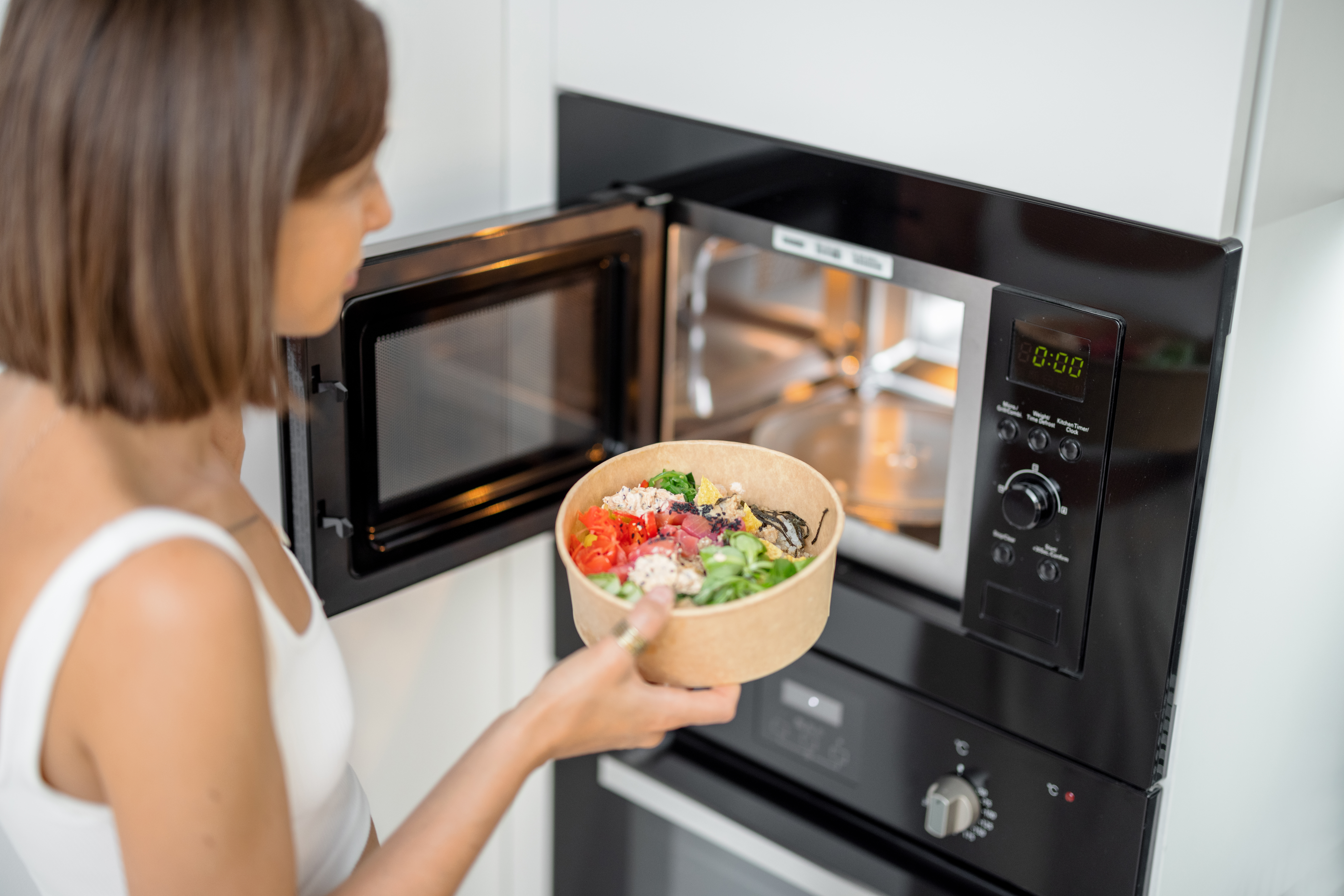
The process to reset your microwave depends on its model and brand, but the general mechanics are surprisingly simple. Start by unplugging your microwave from the wall outlet. Leave it disconnected for at least 60 seconds. This pause allows any residual electrical charge in the capacitors to dissipate. Afterward, plug it back in. If your microwave has a dedicated reset or clear/off button, hold it down for several seconds to reboot the internal software.
Over-the-range models sometimes integrate directly with your home’s electrical wiring, in which case a circuit breaker reset may be needed. Locate the breaker box, trip the relevant switch off and then back on after a minute. Allow the microwave to restart fully before interacting with it. If problems persist, it is likely the sign of a deeper mechanical issue that might warrant warranty service, especially if linked to component wear or surge damage.
The Role of Grounding in Proper Microwave Function
Here’s where grounding enters the conversation. Modern microwaves are high-voltage appliances, relying on grounding to safely discharge electrical currents that could otherwise pose a danger or damage sensitive circuits. A microwave that isn’t properly grounded can send distorted signals through its relay board or interface, leading to frequent trips or an inability to reset successfully. Common indicators of grounding issues include frequent blown fuses, flickering interior lights, or static buzzing sounds when in use. If the microwave resets temporarily but malfunctions again, your home’s outlet or grounding infrastructure might be the hidden culprit.
Grounding and Your Home Warranty—Why It Matters
In the home warranty world, grounding is often a gray zone. While warranties typically cover microwave systems for mechanical and electrical failure, improper installation—such as the use of ungrounded outlets—can complicate claims. A home warranty provider like Armadillo stands by approved installations and known equipment failures, but may not cover damage if the primary issue stems from faulty grounding not addressed at install. That’s why it’s critical to ensure microwaves are professionally connected using proper GFCI outlets with grounded connections. Your warranty works best when systems are fundamentally sound from day one.
Resetting Doesn’t Always Solve the Problem—When to Escalate
It’s tempting to assume a device just needs a quick reset to get back in action. However, persistent resets point to deeper problems. If your microwave continues to show error codes post-reset, or if it powers down intermittently during regular use, it’s no longer a surface-level problem. The internal magnetron, door sensors, capacitor, or circuit board could be failing. In this case, attempting repeated resets won’t mitigate recurring danger or prevent worsening failure. This is where your home warranty activates its value. If you’re covered by Armadillo, simply initiate a service request. A licensed technician will evaluate the microwave and determine if a covered repair—or full replacement—is warranted.
Why Armadillo Is the Right Choice for Microwave Coverage and More
Modern home appliances, including the indispensable microwave, deserve more than just good intentions and DIY resets. When a system fails, you need support that begins with educated urgency and ends with reliable service. That’s what makes Armadillo different. Our intelligent, responsive home warranty plans are designed not only around what breaks, but how homeowners actually live. We help you protect against the unexpected, from microwave breakdowns to comprehensive system coverage. Should you discover issues stemming from electrical surges, component failure, or necessary resets that no longer solve the problem, Armadillo is in your corner—with fast resolution and professional repair. Learn more at our homepage, or take action now by selecting personalized options through our Plan Builder.