
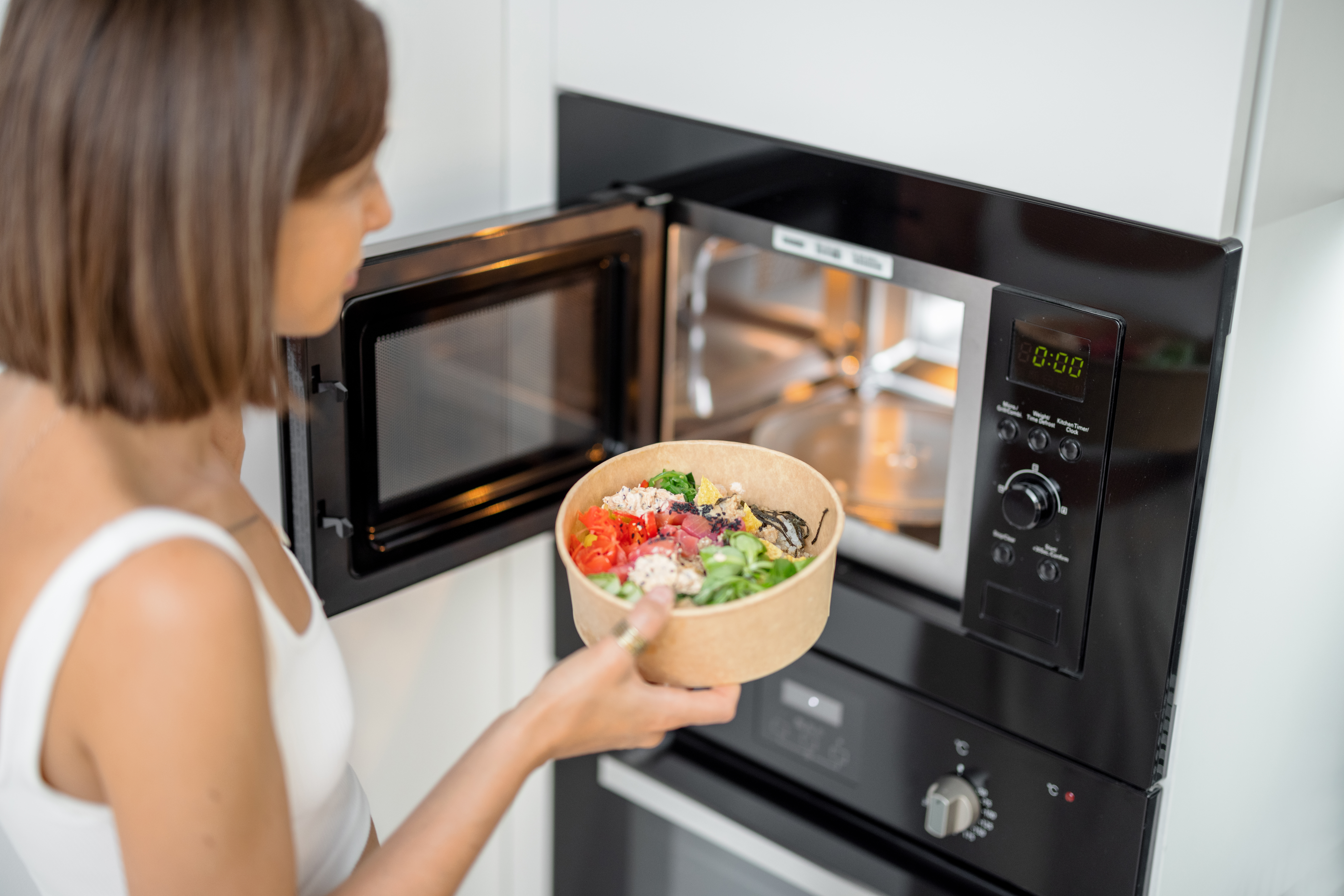
Why Your Microwave Stopped Working and What to Do About It
So your microwave is acting up. Maybe it went dark mid-reheat, or it is making that strange humming noise while refusing to actually heat anything. Before you start shopping for a replacement or calling a technician, it is worth knowing that a surprising number of microwave issues can be resolved with a simple reset. This is one of those fixes that homeowners overlook entirely because nobody really talks about it. Understanding how to reset a microwave, why it matters, and when a home warranty can save you from a much bigger headache is genuinely useful information for any homeowner.
What Does It Mean to Reset a Microwave
Resetting a microwave is essentially the same concept as restarting a computer. The appliance runs on a small internal control board that processes commands and manages all of its functions. When that board encounters an error, a power surge, or a software glitch, it can lock up or behave unpredictably. A reset clears those errors and returns the microwave to its default operating state. It does not fix mechanical failures or hardware damage, but it absolutely can resolve a wide range of electronic issues that make the appliance seem broken when it technically is not.
The Most Common Reasons a Microwave Needs a Reset
There are a few situations that consistently send homeowners searching for answers. Knowing what they are helps you respond faster instead of guessing.
- A power surge or brief outage scrambled the control board settings
- The microwave display is frozen or showing an error code
- Buttons are unresponsive or behaving inconsistently
- The appliance runs but does not heat food properly
- The clock keeps resetting or displaying the wrong time
- The door sensor is triggering unexpectedly and stopping operation
None of these symptoms automatically mean your microwave is finished. They are classic signs of an electronic hiccup, and a proper reset often resolves them within minutes.
How to Reset a Microwave Step by Step
The good news is that this process is straightforward. The approach varies slightly depending on your microwave model, but the core method applies broadly across most brands including Whirlpool, GE, Samsung, LG, and Frigidaire. Start by unplugging the microwave from the wall outlet completely. Do not simply turn it off using the panel. You need to cut power at the source. Leave it unplugged for at least sixty seconds, though waiting two to three minutes gives the capacitors time to fully discharge, which produces a more complete reset. Plug it back in and check whether normal function has returned. If your microwave is hardwired or installed over a range with a dedicated circuit, go to your home’s electrical panel and flip the corresponding breaker off for sixty seconds before switching it back on. Some models, particularly those from Samsung and LG, also have a soft reset option accessible by holding the cancel or stop button for five to ten seconds while the unit remains powered. This can clear minor display errors without requiring a full power cycle.
Resetting the Clock and Custom Settings After a Power Cycle
After a hard reset, your microwave will lose any programmed settings, which typically includes the clock, any saved cook times, and custom power level preferences. Reprogramming these is usually simple. Most models have a clock button or a settings menu you can access directly from the control panel. Consult your owner’s manual if the process is not intuitive, or look up your model number on the manufacturer’s website. This step is minor but worth mentioning because a lot of homeowners assume something is still wrong when really the unit just needs to be reconfigured after losing its memory during the reset.

When a Reset Is Not Enough
A reset solves electronic and software-related problems, but it is not a cure-all. If your microwave has a burned-out magnetron, a failed door latch assembly, a damaged capacitor, or a cracked turntable mechanism, no amount of power cycling will fix those issues. The magnetron is the component that actually generates the microwave energy used to heat food. It is also one of the more expensive parts to replace. When a reset does not restore normal operation, or when the appliance begins tripping your circuit breaker repeatedly, those are strong indicators that something more serious has failed and a qualified technician needs to inspect the unit.
Key Advantages of Knowing How to Reset Your Microwave
The practical value here is real. A lot of homeowners schedule a service call or purchase a new appliance when a reset would have fixed the issue completely, at zero cost and in under five minutes. Beyond the financial savings, knowing how to troubleshoot your appliances builds confidence and gives you a better foundation for communicating with repair technicians when professional service is actually required. You can walk into that conversation knowing what you have already tried, what did and did not change, and what the most likely remaining causes are.
Common Drawbacks and Limitations to Keep in Mind
It is important to set realistic expectations. Resets are not repair solutions for physical damage or end-of-life appliances. If your microwave is more than ten years old and already showing signs of declining performance, a reset might offer a temporary improvement but probably will not extend the appliance’s usable life significantly. There is also a small element of risk when working around appliances that have electrical components, particularly older units. If you are ever unsure, stepping back and calling a professional is the right call. Safety always outweighs convenience.
How a Home Warranty Protects You When a Reset Does Not Work
This is where things get genuinely important for homeowners. When your microwave fails beyond what a reset can address, repair costs can climb quickly. Replacing a magnetron alone can run anywhere from one hundred fifty to three hundred dollars in parts, not including labor. A full replacement unit might cost four hundred dollars or more depending on the style and features. A home warranty plan that covers built-in appliances provides a financial buffer against exactly these situations. When a covered appliance fails due to normal wear and tear, the warranty provider coordinates the repair or replacement so you are not absorbing the full cost out of pocket. For homeowners managing a household budget, that kind of predictable protection is worth serious consideration.
Why Armadillo Is the Right Partner When Your Appliances Let You Down
When your microwave fails and a reset does not cut it, having the right home warranty coverage in place makes all the difference. Armadillo is built specifically for homeowners who want straightforward, reliable protection without the confusion that typically comes with warranty fine print. Whether it is your microwave, your dishwasher, or your HVAC system, Armadillo covers the breakdowns that happen in real homes to real appliances. If you are looking for a home warranty plan that covers kitchen appliances and major home systems, Armadillo offers transparent pricing and a claims process that is actually designed to work for you. Getting started is simple, and you can get a free home warranty quote for microwave and appliance coverage in just a few minutes. No pressure, no complexity, just solid protection for your home.

Frequently Asked Questions About Resetting a Microwave
Here are answers to the most common questions homeowners ask about microwave resets and related coverage concerns.
How long should I leave my microwave unplugged when resetting it?
Unplugging for at least sixty seconds is the general recommendation, but waiting two to three minutes allows the internal capacitors to fully discharge, which tends to produce a more thorough reset result.
Will resetting my microwave erase all of my settings?
A hard reset, meaning a full power disconnect, will clear the clock and any saved preferences. A soft reset using the control panel typically preserves most settings while clearing error states.
My microwave shows an error code. Will a reset fix it?
It depends on the code. Many error codes are triggered by temporary electronic glitches and will clear after a reset. If the same code returns immediately after power is restored, a hardware issue is likely the underlying cause.
Can I reset an over-the-range microwave the same way as a countertop model?
Yes, the principle is the same. For over-the-range models that are hardwired or connected through a dedicated outlet behind the cabinet, use your home’s circuit breaker to cut power rather than unplugging the unit directly.
How do I know if my microwave needs a reset versus a repair?
If the issue is a frozen display, unresponsive buttons, or intermittent behavior following a power event, a reset is a reasonable first step. If the microwave runs but does not heat, sparks, makes grinding noises, or repeatedly trips your breaker, those symptoms indicate a hardware problem requiring professional service.
Does resetting a microwave fix heating problems?
It can resolve heating issues caused by control board errors, but it will not repair a failed magnetron or damaged internal components. If your microwave consistently fails to heat after a reset, the magnetron or high-voltage diode may need to be replaced.
Is it safe to reset a microwave myself?
Performing a basic power reset by unplugging the unit or flipping the breaker is safe for most homeowners. Opening the microwave casing to access internal components is not recommended without professional training, as capacitors can retain a dangerous electrical charge even after the unit is unplugged.
Does a home warranty cover microwave repairs after a failed reset?
Most home warranty plans that include appliance coverage will cover microwave repairs or replacement when the failure results from normal mechanical or electrical breakdown. Coverage specifics vary by plan, so reviewing your contract terms is always a good idea.
How often should I expect to reset my microwave?
There is no set schedule, but if you find yourself resetting your microwave frequently, that pattern may signal an underlying issue with the control board, the electrical circuit, or the appliance reaching the end of its useful lifespan.
What is the average lifespan of a residential microwave?
Most residential microwaves are designed to last between nine and ten years with regular use. Built-in and over-the-range models may last slightly longer given their installation and usage patterns, but all microwaves will eventually require either significant repair or full replacement.