
Why Your RV Circuit Breaker Keeps Tripping and What to Do About It
There is something uniquely frustrating about being mid-trip in your RV, plugged into a campsite hookup, and watching the lights go out. Circuit breakers trip. It happens. But if you have never dealt with one before, that little panel of switches can feel like a mystery. The good news is that resetting an RV circuit breaker is one of the more approachable electrical tasks a homeowner or RV owner can handle without calling a technician. Still, there is a lot worth understanding before you start flipping switches. This guide walks through what RV circuit breakers are, how they function, how to reset them properly, and what it all has to do with protecting your home systems more broadly.
What Is an RV Circuit Breaker and How Does It Work
An RV circuit breaker is a safety device built into your RV’s electrical panel. Its job is straightforward: monitor the flow of electricity through a circuit and interrupt that flow when something goes wrong. When too much current passes through a wire, it generates heat. Left unchecked, that heat becomes a fire hazard. The breaker detects the overload and trips, cutting power before damage occurs. Think of it as a very attentive gatekeeper that shuts the door the moment things get out of hand. RV electrical panels typically house multiple breakers, each assigned to a specific circuit, such as the air conditioner, the refrigerator, or the outlets in the living area. When one breaker trips, only that circuit loses power, not the entire vehicle.
Common Reasons an RV Circuit Breaker Trips
Before jumping into a reset, it pays to understand why the breaker tripped in the first place. Resetting without addressing the root cause means you are likely to end up right back in the dark. The most common culprits include:
- Running too many high-draw appliances simultaneously, such as the air conditioner and microwave at the same time
- A faulty or aging appliance drawing more current than it should
- A short circuit caused by damaged wiring inside the RV
- An overloaded campsite power pedestal that cannot deliver consistent voltage
- A ground fault, where electricity is escaping through an unintended path
Identifying the cause is step one. If you notice the breaker trips immediately every time you reset it, do not keep trying. That pattern usually signals a short circuit or a failing appliance, and it warrants a closer inspection before anything else.
How to Reset an RV Circuit Breaker Step by Step
Once you have ruled out a serious underlying issue, resetting the breaker is a simple process. Start by locating the electrical panel inside your RV, which is often found near the entrance, in a cabinet, or beneath a storage area. Open the panel door and look for the breaker in the tripped position. A tripped breaker usually sits in a middle position between on and off, though some models move fully to the off position when tripped. Before touching anything, unplug or turn off the appliance you suspect caused the overload. Then, push the tripped breaker firmly to the full off position first, and then switch it back to on. That two-step motion is important because many breakers will not reset properly if you skip the intermediate off position. If the breaker holds, you are back in business. Gradually restore your appliances one at a time to confirm what triggered the trip.

Key Advantages of Understanding Your RV Electrical System
Knowing how to handle a tripped breaker gives you something genuinely valuable: confidence. RV travel already comes with enough variables. When you understand your electrical panel, you spend less time stressed and more time solving problems efficiently. Beyond the immediate convenience, being familiar with your system helps you catch warning signs early, before a nuisance becomes a costly repair. Homeowners who take the time to learn these basics also tend to make smarter decisions about appliance loads, campsite power quality, and when to call a professional. That kind of informed approach pays off repeatedly over the lifetime of an RV.
The Drawbacks and Limitations Worth Knowing
Resetting a circuit breaker is not always the end of the story. If the breaker trips repeatedly under normal usage conditions, that is a signal that the breaker itself may be worn out. Breakers do not last forever, and older ones can become overly sensitive or simply fail to hold a reset. Additionally, some RV owners assume that resetting the breaker solves the problem when in reality the wiring behind the panel may be compromised. Electrical work inside an RV can be surprisingly complex, and there are situations where DIY troubleshooting has clear limits. Knowing when to stop and bring in a licensed electrician is just as important as knowing how to reset a switch.
RV Electrical Safety Tips Every Owner Should Follow
Safety is the foundation of everything when electricity is involved. A few practical habits can prevent the majority of circuit breaker problems before they start:
- Always use a surge protector or power conditioner when connecting to campsite pedestals
- Check the amperage rating of your RV before plugging into 30-amp or 50-amp service
- Inspect your power cord regularly for fraying, cracking, or signs of heat damage
- Avoid running multiple high-wattage appliances at the same time unless your system is rated for it
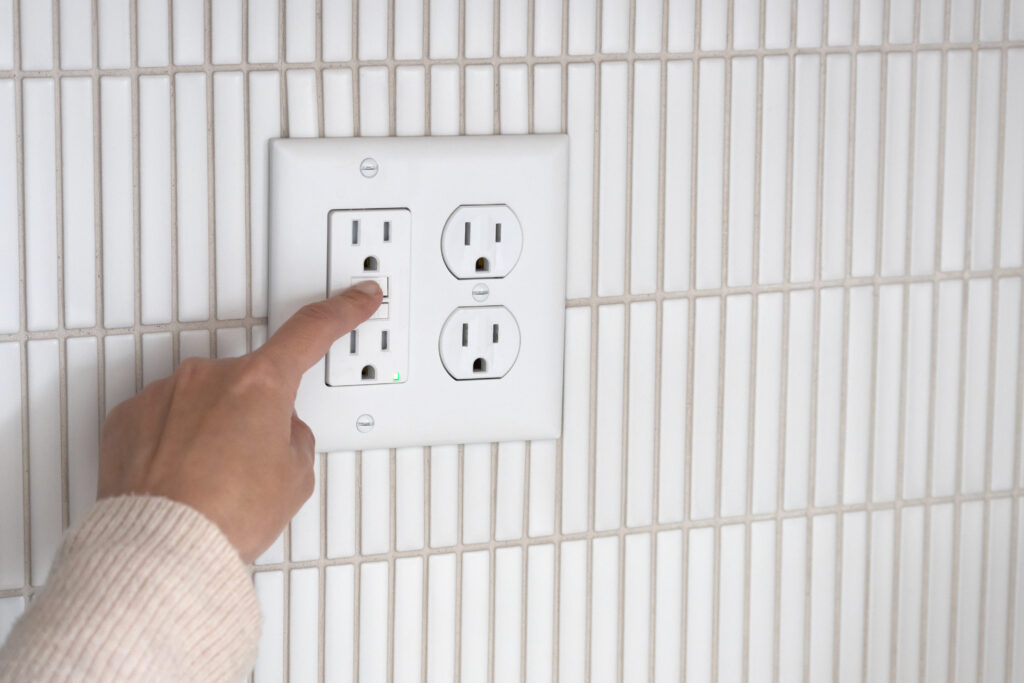
- Test your GFCI outlets monthly by pressing the test and reset buttons on each outlet
How RV Electrical Knowledge Applies to Your Primary Home
Here is where things connect in a way many people overlook. The principles behind RV circuit breakers are essentially identical to those governing the electrical panel in a traditional home. Overloads, short circuits, and ground faults behave the same way regardless of whether the structure has wheels. Homeowners who understand RV electrical basics often find that they are better equipped to handle tripped breakers at home, understand the limits of their panel capacity, and recognize when an upgrade might be necessary. Electrical systems in both settings require regular attention and a basic level of literacy from the people relying on them every day.
When a Home Warranty Enters the Picture
Electrical issues are among the more common and costly surprises homeowners encounter. A circuit breaker replacement might seem minor on its own, but when combined with wiring inspections, outlet repairs, and panel upgrades, the expenses stack up faster than most people expect. This is precisely where a home warranty can provide meaningful value. A solid home warranty plan that covers electrical systems gives homeowners a financial buffer against those unplanned repair costs. It does not replace good maintenance habits, but it does provide a layer of protection that makes unexpected failures significantly less stressful to navigate.
Why Armadillo Is a Smart Choice for Electrical and Home System Protection
When your home’s electrical system acts up, the last thing you want is to discover that your protection plan has more exclusions than coverage. Armadillo approaches home warranties differently, with transparent terms and real coverage for the systems that matter most. Whether you are dealing with a tripped breaker that keeps coming back or a larger electrical issue that requires professional attention, having reliable coverage in your corner changes the entire experience. If you are looking for a home warranty plan that covers electrical systems and major home appliances, Armadillo offers straightforward options built for how homeowners actually live. There is no better time to evaluate your coverage than before something breaks, so take a moment to get a free home warranty quote for electrical and appliance protection and see what a smarter plan looks like for your home.

Frequently Asked Questions About RV Circuit Breakers and Home Electrical Systems
These are the questions homeowners and RV owners ask most often when dealing with circuit breaker issues and electrical system maintenance.
How do I know if my RV circuit breaker is tripped or just turned off?
A tripped breaker typically sits in a middle position between on and off, or it may move fully to the off position depending on the brand. If the switch moved on its own without you touching it, it almost certainly tripped rather than being manually switched off.
Is it safe to reset an RV circuit breaker multiple times?
Resetting once or twice to confirm the issue is generally acceptable, but if the breaker trips immediately after resetting, stop. Repeated tripping under load indicates a persistent problem that requires diagnosis, not more resets.
Can a tripped breaker damage my RV appliances?
The breaker is designed to protect appliances by cutting power before damage occurs. However, if the breaker fails to trip during an overload or short circuit, that is when appliances and wiring are at risk.
What is the difference between a circuit breaker and a fuse in an RV?
A fuse is a one-time protection device that must be replaced after it blows. A circuit breaker can be reset after it trips, making it a reusable safety mechanism. Most modern RVs use circuit breakers rather than fuses for their main electrical panel.
How do I find the electrical panel in my RV?
RV electrical panels are typically located near the main entry door, inside a cabinet, or in a utility compartment. Check your RV owner’s manual if the location is not immediately obvious, as layouts vary significantly by manufacturer and model.
Does a home warranty cover RV electrical systems?
Standard home warranty plans cover the electrical systems of a primary residence, not recreational vehicles. RVs typically require a separate RV-specific protection or insurance policy for coverage on their electrical components.
What causes a circuit breaker to go bad over time?
Breakers degrade through repeated tripping, heat exposure, age, and corrosion. An older breaker may trip too easily under normal loads or fail to trip when it should, both of which are signs that replacement is warranted.
Should I upgrade my RV electrical panel if I keep tripping breakers?
If your RV’s electrical system is older or you regularly run high-demand appliances, upgrading to a higher amperage system or adding circuits may be worth evaluating. A licensed RV electrician can assess whether your current panel is adequate for your usage patterns.
How does a home warranty help with unexpected electrical repair costs?
A home warranty covers the cost of diagnosing and repairing covered electrical failures within a primary home, which can include wiring, panels, and outlets. It helps homeowners avoid paying full out-of-pocket costs when electrical systems fail unexpectedly.
What is a GFCI outlet and how does it relate to circuit breakers?
A GFCI, or ground fault circuit interrupter, is a type of outlet that detects ground faults and cuts power at the outlet level before the issue ever reaches the main breaker. It provides an additional layer of electrical protection, especially in bathrooms, kitchens, and outdoor areas.