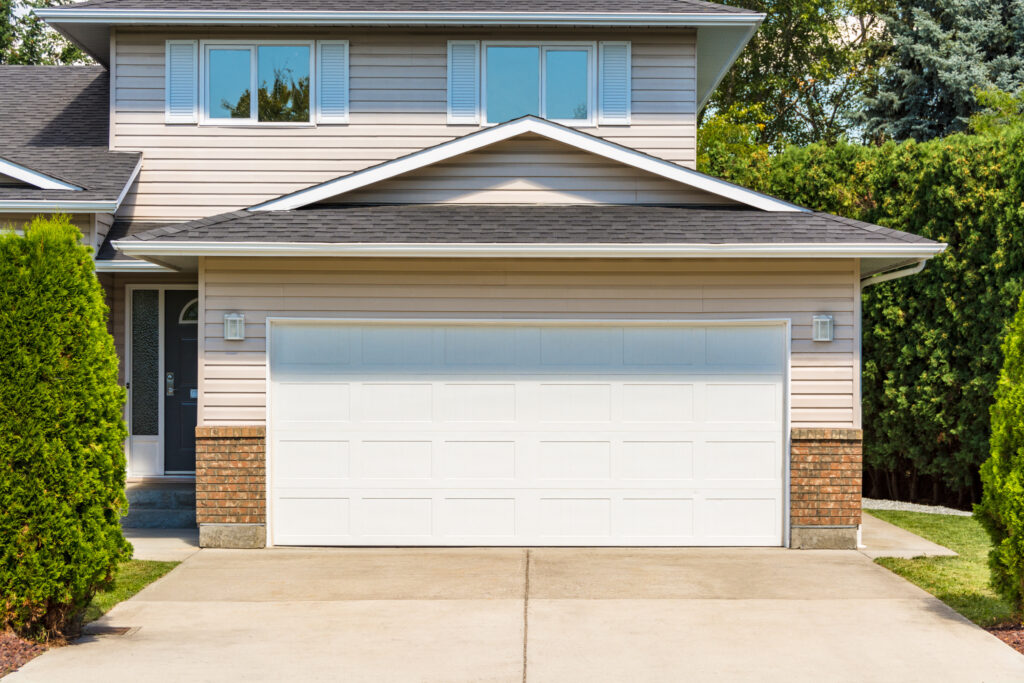

Why Your Garage Door Keypad Code Matters More Than You Think
Most homeowners spend exactly zero minutes thinking about their garage door keypad — until they need to change the code and suddenly have no idea where to start. Whether you just moved into a new home, had a houseguest you no longer trust with access, or simply want to refresh your home’s security, knowing how to reset your garage door code is one of those small but genuinely important tasks. And yes, it connects directly to your home’s overall systems in ways that a good home warranty plan should have on its radar.
What a Garage Door Keypad System Actually Is
A garage door keypad is a wireless, battery-powered input device mounted outside your garage — usually near the door or on a nearby wall. It communicates with your garage door opener through radio frequency signals. When you punch in the correct PIN, the keypad sends a signal to the opener’s receiver, which then triggers the motor to lift or lower the door. Modern keypads use rolling code technology, meaning the signal changes every time you use it, making it significantly harder for outside parties to intercept and replicate. The keypad itself is a simple device, but it is deeply integrated into your home’s access control system, which is why keeping its credentials current is worth your attention.
Common Reasons Homeowners Need to Reset a Garage Code
There are a handful of situations that typically prompt someone to look up how to reset a garage door code. Each one is completely reasonable, and none of them require calling a technician.
- You recently purchased a home and the previous owners’ code is still active
- A contractor, dog walker, or family member had temporary access and that arrangement has ended
- Your current PIN feels too predictable or easy to guess
- Someone in your household accidentally locked out the keypad by entering the wrong code too many times
- The keypad stopped responding after a power outage or battery replacement
How to Reset Your Garage Door Code — Step by Step
The exact process varies slightly depending on your opener’s brand — Chamberlain, LiftMaster, Genie, Craftsman, and others each have their own method — but the general framework is consistent. Locate the “Learn” button on your garage door opener unit, which is mounted to the ceiling of your garage. Press and hold it for about six seconds until the indicator light turns off. This clears all previously programmed codes from the opener’s memory. From there, go to your keypad, enter your new desired PIN, and then press the “Learn” button again briefly. The opener’s light should flash to confirm the new code is registered. Test it a couple of times before closing up and walking away. If your model has a PIN-protected master reset option directly on the keypad itself, you will typically hold a specific combination of buttons simultaneously — consult your manual or the manufacturer’s website for the exact sequence.
Key Advantages of Keeping Your Garage Code Updated
Resetting your code on a somewhat regular basis — or at least when circumstances change — carries real security benefits that extend beyond the garage itself. In many homes, the garage is a direct entry point into the living space. An outdated or widely shared code effectively becomes an unlocked side door. Refreshing your PIN limits unauthorized access, gives you greater control over who can enter your property, and creates a simple layer of accountability. For families with children who use the keypad to get inside after school, a known and current code also means less chaos when someone forgets it. That kind of reliability matters when your daily routine depends on it.
Potential Drawbacks and Limitations to Know
Resetting the code is not always friction-free. Clearing the opener’s memory removes all paired devices, not just the keypad — so if you have multiple remotes or a HomeLink-equipped vehicle, those will all need to be reprogrammed as well. That takes additional time and is a step a lot of people forget until they are sitting in the driveway pressing a button that no longer works. Additionally, older garage door openers may not support rolling code technology, making them more vulnerable regardless of how often you change the PIN. If your opener is more than 15 years old, a reset is a fine short-term fix, but the longer-term solution might be a full opener replacement.
Troubleshooting Tips When the Reset Does Not Work
Sometimes the process does not go smoothly on the first attempt, and that is frustrating. A few things worth checking include the keypad’s battery level, which is often the culprit when a device suddenly stops responding. Dead or weak batteries can cause incomplete signal transmission, making it appear as though the reset failed when the hardware is actually just underpowered. Also confirm you are pressing the Learn button for the correct duration — too short and it will not clear; too long and some models will enter a different function mode. If the opener’s light never flashes to confirm pairing, try moving the keypad closer to the unit during setup, as distance can interfere with the initial signal.
When to Call a Professional Instead
Most garage door code resets are genuinely DIY territory, but there are situations where professional help makes more sense. If the keypad itself is physically damaged, water-infiltrated, or simply unresponsive despite fresh batteries and a confirmed reset, the device may need replacement. If the garage door opener unit is malfunctioning — making grinding noises, reversing unexpectedly, or failing to respond to any input — the issue extends beyond the keypad. At that point, you are dealing with a mechanical or electrical problem with the opener itself, which is a different category of repair entirely and one that a home warranty plan may cover depending on your terms.
How Garage Door Systems Fit Into Home Warranty Coverage
Home warranty plans typically cover the mechanical components of a garage door opener — the motor, the drive mechanism, and the electrical components that make it function. The keypad is often included as well, since it is considered part of the opener system. What most plans do not cover is cosmetic damage, remote controls lost or misplaced outside the home, or issues resulting from improper installation. Understanding what is and is not covered helps you make smart decisions about when to file a claim versus when to handle something yourself. A keypad code reset is firmly in the handle-it-yourself column. A burned-out opener motor is the kind of thing you want a home warranty backing you up on.
Why Armadillo Is Worth Considering for Your Garage and Beyond
When your garage door opener goes down — not a code issue, but an actual mechanical failure — the last thing you want is to be scrambling for repair quotes. That is exactly the kind of moment a reliable home warranty plan is built for. Armadillo home warranty coverage for garage door openers and essential home systems is designed to take that financial stress off your plate with straightforward terms and no runaround. Whether you are managing an older opener that is overdue for replacement or simply want the peace of mind that comes with comprehensive protection, Armadillo makes it simple to get started. Get a free home warranty quote that covers your garage door opener and major home systems and find out exactly what your home qualifies for in just a few minutes.

Frequently Asked Questions About Resetting Garage Door Codes
Here are answers to the questions homeowners ask most often when figuring out how to reset, reprogram, or troubleshoot a garage door keypad code.
How do I reset my garage door keypad without the manufacturer code?
You can reset most garage door keypads by using the Learn button on the opener unit itself. Press and hold the Learn button for approximately six seconds until the indicator light goes out, which clears the memory. Then program a new PIN directly from the keypad by entering your code and pressing Learn again briefly.
Will resetting my garage code delete my remotes too?
Yes. Pressing and holding the Learn button to clear the opener’s memory removes all paired devices, including handheld remotes and any vehicle HomeLink integrations. You will need to reprogram each device individually after completing the reset.
How often should I change my garage door code?
There is no universal rule, but changing your garage code at least once a year is a reasonable security practice. You should also change it any time someone who previously had access no longer needs it, such as after a tenant moves out or a service visit ends.
Why is my garage door keypad not responding after a battery change?
A new battery sometimes causes the keypad to lose its stored code, requiring you to reprogram it. Additionally, some keypads have a lock mode that activates after repeated incorrect entries. Check the manufacturer’s instructions to see if there is a lockout reset sequence specific to your model.
Can I set multiple codes on one garage door keypad?
Some keypads support multiple PINs, particularly higher-end models from brands like LiftMaster and Chamberlain. This allows you to assign different codes to different household members. Refer to your specific model’s manual to confirm whether multiple code support is available.
Is a garage door opener covered under a home warranty?
Many home warranty plans include the garage door opener motor and its mechanical components. Coverage specifics vary by provider and plan tier, so reviewing your contract terms is important. Generally, keypads and remotes may be included as part of the opener system, while cosmetic damage is excluded.
What should I do if my garage keypad is physically damaged?
If the keypad housing is cracked, the buttons are unresponsive due to physical damage, or moisture has gotten inside the unit, replacement is typically the right move. Keypads are relatively inexpensive and straightforward to install. Check whether your home warranty covers the replacement under your garage door opener coverage.
How do I know which Learn button to press on my opener?
The Learn button is located on the back or side panel of the garage door opener motor unit, which hangs from the ceiling of your garage. It is usually a small, colored button — yellow, red, green, or purple depending on the brand and model — and is often near a blinking indicator light.
Does rolling code technology mean I never need to change my garage PIN?
Rolling code technology prevents signal interception and replication, but it does not eliminate the need to update your PIN. If your code is known to people who should no longer have access, rolling code provides no protection against someone simply typing in the PIN at the keypad.
What is the difference between resetting and reprogramming a garage door code?
Resetting clears all existing codes and returns the opener to a blank state. Reprogramming refers to entering a new code into the system, which can be done without a full reset if you are simply adding a new user or replacing a forgotten PIN. A full reset is recommended when you want to remove all previous access and start fresh.