
How to Remove a Stuck Screw Without Damaging Your Home System or Appliance
A stuck screw seems like a small inconvenience—until it stands in the way of repairing your HVAC system, dishwasher, or electrical panel. Whether you’re tightening a loose outlet or replacing a critical part on a refrigerator compressor, removing a stripped or rust-bound screw can mean the difference between a simple fix and a costly call to a technician. For homeowners who’ve opted in to protect their investment with a home warranty, understanding basic maintenance tasks like this not only saves time, it could prevent warranty denial caused by avoidable damage or improper attempts. In this article, you’ll learn what causes screws to get stuck, how to remove them safely, and why doing it correctly matters for your home warranty coverage.
Understanding Why Screws Get Stuck in Home Systems
Before approaching the removal process, it’s helpful to understand what makes a screw bind in place. Over time, corrosion, heat expansion, dirt buildup, or overtightening can cause metal screws to seize within appliances or structural components of your home. Humidity, especially in bathrooms, kitchens, or basements, accelerates rust—common in HVAC mounting brackets, refrigerator enclosures, or water heater access panels. Also, manufacturers may use thread-lock adhesives during assembly, complicating matters further. If you’re working on a delicate system like an electric cooktop or a tankless water heater, knowing your approach ahead of time will make a huge difference in how cleanly and safely repairs go.
How a Stuck Screw Can Affect Your Home Warranty
Attempting to pry out a misaligned or corroded screw with brute force can lead to bigger issues—stripped threads, cracked housings, or even short-circuits if near wiring. These outcomes aren’t just inconvenient. Under most home warranty agreements, damage caused by improper maintenance or homeowner-inflicted error isn’t covered. If a service technician finds evidence that a forced repair attempt broke a panel, cover, or valve, your claim could be denied. Safely removing a stuck screw is part of responsible homeownership. It’s also part of how to keep your coverage intact and reliable when you really need it.
Tools and Techniques for Removing a Stuck Screw
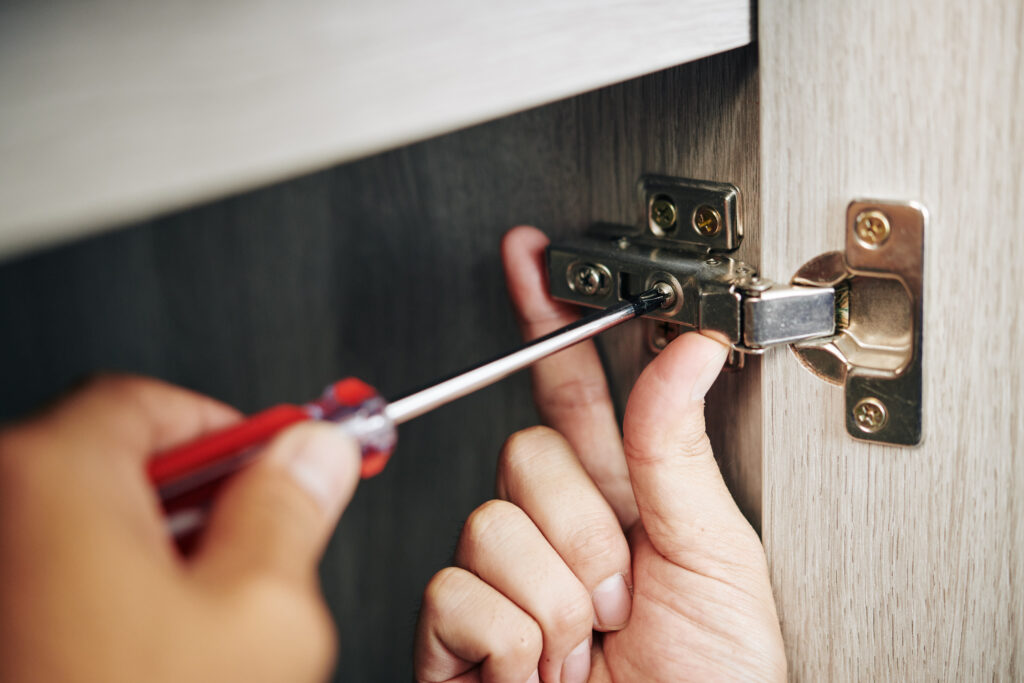
To minimize risk and preserve your appliance or system, you need both the right tools and a careful approach. Start by selecting the appropriate screwdriver. Phillips-head screws damaged by incorrect or worn drivers are among the most common culprits. If the slot is already stripped, consider moving up to more advanced options like a screw extractor set or a manual impact driver. For minor rust issues, a penetrating oil applied around the screw’s perimeter can loosen the threads—allow it to sit for 10 to 15 minutes. Gentle tapping on the handle of the screwdriver (emphasis on gentle) can also help dislodge mechanical lock. For HVAC panels or wall-mounted fixtures, always disconnect power and confirm any warranties before proceeding. This is not busywork—it’s the kind of due diligence that protects your warranty and your home investment as a whole.
Safe Removal Tips for Screws in Specific Home Systems
Different home systems present unique considerations. On a furnace or boiler, screws often secure access panels that house igniters or flame sensors. Applying too much torque can bend the sheet metal or close gaps needed for ventilation and combustion. On a refrigerator, especially models with rear condenser covers, you’ll often find screws exposed to years of vibration and condensation—removing them requires extra patience to avoid shearing the heads. In electrical fixtures, using non-conductive tools and ensuring power is shut off is essential. Avoid stripping screw heads in these systems. A stripped screw in a dishwasher’s control unit or washing machine’s lid switch is not only hard to access—it may mean you need to replace the entire panel. In terms of long-term cost, there’s a large difference between $3 for a specialty extractor and $300 for a cracked appliance part not covered by warranty.
When to Involve a Professional Service Technician
There’s no single point when DIY becomes too risky, but if the stuck screw is in a critical or internal part of a major system—like a blower motor, sump pump housing, or thermostat assembly—it’s advisable to stop and call for professional service. Particularly with warranties, requesting licensed assistance not only increases the success rate; it ensures documentation and expert handling. In many home warranty plans, tasks must be performed by certified technicians for claims to remain valid. Stripping a case screw on your central air conditioner during July isn’t just inconvenient—it potentially voids coverage during prime use season. Know your limit and consult your warranty policy before escalating the issue.
Preventing Stuck Screws in the Future
Prevention is often overlooked until it’s too late. During installations or routine maintenance, don’t overtighten screws. For outdoor systems or areas prone to moisture, use corrosion-resistant fasteners—look for stainless steel or zinc-plated screws. A dab of anti-seize compound or plumber’s grease can help prevent future binding. If you’re removing a screw from a humid area like under the sink or behind your laundry machine, wiping the threads and reseating them carefully can save the next homeowner—or future you—a significant headache. Maintenance isn’t just about cleaning filters and replacing batteries. It’s also about how you handle the smallest components, such as screws, that hold major systems together.
Conclusion: Small Repairs, Big Payoffs
At face value, removing a stuck screw might seem like a minor inconvenience. But those details matter—both for protecting your system’s function and for keeping your home warranty coverage simple and reliable. Whether you’re servicing a built-in oven, unclogging a drain pump, or replacing a thermostat battery cover, how you handle hardware impacts performance, safety, and warranty eligibility. Familiarizing yourself with the safe removal approach now will prepare you for unexpected breakdowns later. You never know which repair will come next, but you can control how ready you are to meet it.
Protect Your Systems, Inside and Out, with Armadillo
Every homeowner deserves peace of mind, and when things go sideways, Armadillo makes it simple to get back on track. Our home warranty plans protect you from the high cost of system and appliance repair due to normal wear and tear—while also helping ensure professional-grade service whenever needed. Avoid claim denials due to accidental damage from DIY fixes. Choose coverage built to match how you live. Explore our plans at www.armadillo.one and start customizing your home warranty today at our plan builder. Protection is in the details—let Armadillo handle them for you.