
Why Washing Your Home Appliances the Right Way Actually Matters
Most homeowners spend a lot of time thinking about the big stuff — the HVAC system, the roof, the water heater. And fair enough, those are the things that tend to send your wallet into a panic when they fail. But there is a quiet category of home care that often gets overlooked entirely, and it lives right at the intersection of cleanliness and appliance longevity. Washing machines, specifically, take a beating every single week. They process everything from muddy sports gear to delicate fabrics — and yes, sometimes a pair of sneakers that has seen better days. Knowing how to properly clean items in your washing machine, and when to keep certain things far away from it, is one of those practical homeowner skills that pays off quietly over time.
Can You Actually Wash Shoes in a Washing Machine
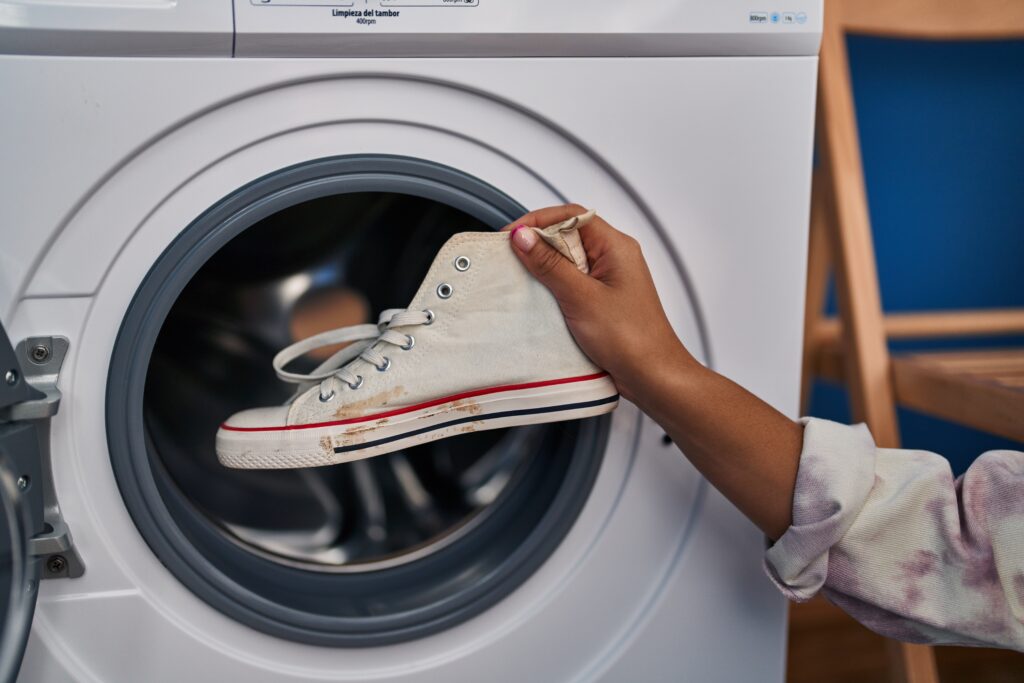
This is the question that gets typed into search bars constantly, and the honest answer is: it depends. Not every shoe is built to survive a spin cycle, and not every washing machine should be subjected to the stress of tumbling a pair of chunky sneakers around for thirty minutes. Canvas shoes, cotton-based athletic shoes, and most fabric sneakers tend to handle machine washing reasonably well. Leather, suede, dress shoes, sandals with embellishments, and anything with a delicate glued sole — those should never go near a washing machine. The heat, the water saturation, and the mechanical agitation can warp the structure, dissolve adhesive bonds, and leave you with a ruined pair of shoes and potentially a damaged drum.
How the Process Works — Step by Step
Assuming you have confirmed your shoes are machine-washable, the process is more methodical than most people realize. Skipping steps here is where things go sideways — either for the shoes or for the machine itself.
- Remove the laces and insoles before anything else. Laces can tangle around the drum agitator, and insoles need to air dry separately to prevent mold and mildew buildup inside the shoe.
- Knock off any loose dirt, mud, or debris outside first. Sending a shoe caked in dried mud directly into the machine can clog the drain filter over time.
- Place shoes inside a mesh laundry bag or pillowcase. This protects the drum from repeated impact and prevents the shoes from bouncing around too aggressively.
- Add a few old towels to the load. This balances the drum and reduces the thumping that can stress the machine’s bearings and suspension system.
- Use a small amount of gentle, liquid detergent. Powder detergent can get trapped inside shoe padding and leave residue.
- Select the coldest water temperature available and the gentlest cycle option. Warm or hot water accelerates adhesive breakdown and can shrink certain materials.
- Skip the dryer entirely. Air dry shoes at room temperature, away from direct sunlight or heat sources that can warp rubber soles.
What This Has to Do with Your Washing Machine’s Health
Here is where things connect back to what actually matters for the long-term condition of your home. Your washing machine is an appliance, and like every appliance in your home, it has a mechanical breaking point. Washing heavy or hard items — shoes included — puts additional strain on the drum bearings, the motor, the suspension rods, and the drain pump. A single wash cycle with a pair of sneakers is unlikely to cause immediate damage. But repeated heavy loads, unbalanced cycles, or sending shoes in without any buffering protection can quietly accelerate wear on internal components. Most washing machines are rated for a specific load capacity and load type, and consistently operating outside those parameters is one of the leading causes of premature appliance failure that homeowners rarely connect back to their own habits.

The Key Advantages of Washing Shoes at Home
Done correctly, washing shoes in your own washing machine is genuinely convenient and cost-effective. Professional shoe cleaning services exist, but they are not cheap, and for everyday athletic shoes that get grimy on a weekly basis, they are not always practical. Machine washing, when paired with the right settings and precautions, can restore a pair of canvas sneakers to a reasonably clean state in under an hour. It also eliminates the need for harsh scrubbing that can damage fabric uppers. For households with kids, athletes, or anyone who spends meaningful time outdoors, having a reliable method for refreshing footwear without destroying it is genuinely useful.
Common Drawbacks and Risks Worth Knowing
Even with the best precautions, machine washing shoes carries real risks that homeowners should weigh honestly. Color fading is common, particularly with bright or dark-colored shoes that have not been treated with color-fast processes. Structural damage to the midsole or toe box can occur if the shoe is not adequately cushioned during the wash. And perhaps most importantly, the noise and vibration generated by shoes tumbling in the drum — even inside a laundry bag — can register as an error on high-efficiency machines, triggering automatic shutoffs or causing the machine to attempt repeated rebalancing cycles that stress the motor. Front-load washers with direct-drive motors are generally more vulnerable to this than top-load machines with traditional agitators.
Practical Tips to Protect Both the Shoes and the Machine
A few additional habits make a meaningful difference when washing shoes at home. Always inspect the drain pump filter after washing shoes, particularly if any debris made it into the drum. Most front-load washing machines have an accessible filter panel near the base of the unit, and clearing it regularly prevents blockages that can lead to error codes and drainage failures. Avoid washing more than one pair of shoes at a time unless your machine has a large drum capacity. And after any shoe-washing cycle, run a short rinse-and-spin cycle with nothing in the drum to clear out any remaining debris or detergent residue from the drum gasket and drain path.
When to Call a Professional Instead
If your washing machine begins making unusual sounds after washing shoes — grinding, squealing, or persistent thumping that does not resolve on its own — those are signs that something mechanical may need attention. Drum bearing wear, suspension rod damage, and drain pump blockages are among the most common issues triggered by washing heavy or hard items repeatedly. These are not simple DIY fixes for most homeowners. Drum bearing replacement, in particular, often requires partial disassembly of the machine and is labor-intensive enough that repair costs can rival the value of an older appliance. Knowing when to stop troubleshooting and call a qualified appliance repair technician is one of the more underrated skills of responsible homeownership.
How Home Warranty Coverage Fits Into This Picture
This is where many homeowners connect the dots a bit late. A washing machine repair — even a straightforward one — can cost several hundred dollars. A drum bearing replacement on a mid-range front-load washer often runs between four hundred and seven hundred dollars in parts and labor combined. For homeowners who are washing shoes, athletic gear, and other atypical loads regularly, the cumulative mechanical wear on the machine is real. A home warranty plan that covers major appliances, including your washing machine, means that when mechanical failures do occur — regardless of the specific cause — you are not absorbing the full out-of-pocket cost of repair or replacement.
Why Armadillo Is the Right Partner for Appliance Protection at Home
When a washing machine fails — whether from years of regular use or from the occasional shoe-washing session that pushed the bearings a little harder than ideal — the last thing any homeowner wants is to navigate a complicated claims process or discover that their coverage has more exclusions than protections. Armadillo home warranty plans built for everyday appliance protection are designed with real homeowners in mind, covering the mechanical and electrical failures that affect the appliances you depend on most. There are no confusing tiers built to obscure coverage. Just straightforward protection that works when you need it to. If you have been thinking about adding a layer of financial protection to your home, now is a genuinely good time to act. You can get a free home warranty quote for washing machine and appliance coverage in just a few minutes, with no pressure and no commitment required to see exactly what your home qualifies for.

Frequently Asked Questions About Washing Shoes at Home
These are the questions homeowners ask most often when trying to figure out the safest and most effective way to clean footwear without damaging their shoes or their washing machine.
Can all types of shoes be washed in a washing machine?
No. Canvas, cotton, and most fabric athletic shoes are generally safe for machine washing. Leather, suede, dress shoes, and any footwear with delicate embellishments or heat-sensitive adhesives should be cleaned by hand or by a professional.
What washing machine cycle is best for cleaning shoes?
Use the coldest water temperature available and the gentlest or delicate cycle your machine offers. This minimizes mechanical stress on the shoes and reduces the risk of structural damage to the shoe or the machine.
Will washing shoes damage my washing machine?
A single, properly prepared shoe-washing cycle is unlikely to cause immediate damage. However, repeated cycles without proper cushioning — such as towels or a mesh laundry bag — can accelerate wear on drum bearings, suspension components, and the drain pump over time.
Should I use hot or cold water to wash shoes in a washing machine?
Always use cold water. Hot or warm water can break down the adhesives that hold the sole to the upper, cause materials to shrink, and speed up color fading in fabric shoes.
Can I put shoes in the dryer after washing them?
No. The heat from a dryer can warp rubber soles, shrink fabric uppers, and damage structural components. Always air dry shoes at room temperature, away from direct sunlight or artificial heat sources.
How do I prevent my washing machine from getting damaged when washing shoes?
Place shoes inside a mesh laundry bag or pillowcase, add a few old towels to balance the load, remove laces and insoles beforehand, and clean the drain pump filter after the cycle to remove any debris that may have entered the machine.
Is it safe to wash sneakers in a front-load washing machine?
Yes, with precautions. Front-load machines are more sensitive to load imbalance than top-load machines. Using a laundry bag and balancing the load with towels is especially important to prevent the machine from triggering error codes or rebalancing cycles that stress the motor.
How often can I wash shoes in the washing machine before it causes problems?
There is no universal number, but washing shoes frequently — more than once or twice a month — in the same machine increases cumulative mechanical wear. Monitoring the machine for unusual sounds after shoe-washing cycles is a practical way to catch early signs of wear.
Does a home warranty cover washing machine damage caused by washing shoes?
Most home warranty plans cover mechanical and electrical failures that affect covered appliances, regardless of how the wear originated. Coverage specifics vary by provider, so reviewing your plan details or speaking with your warranty provider directly is always the best course of action.
What are the signs that my washing machine needs repair after washing shoes?
Unusual grinding or squealing during the spin cycle, persistent drum imbalance errors, water not draining properly, or excessive vibration during operation are all signs that a component may need professional inspection and repair.