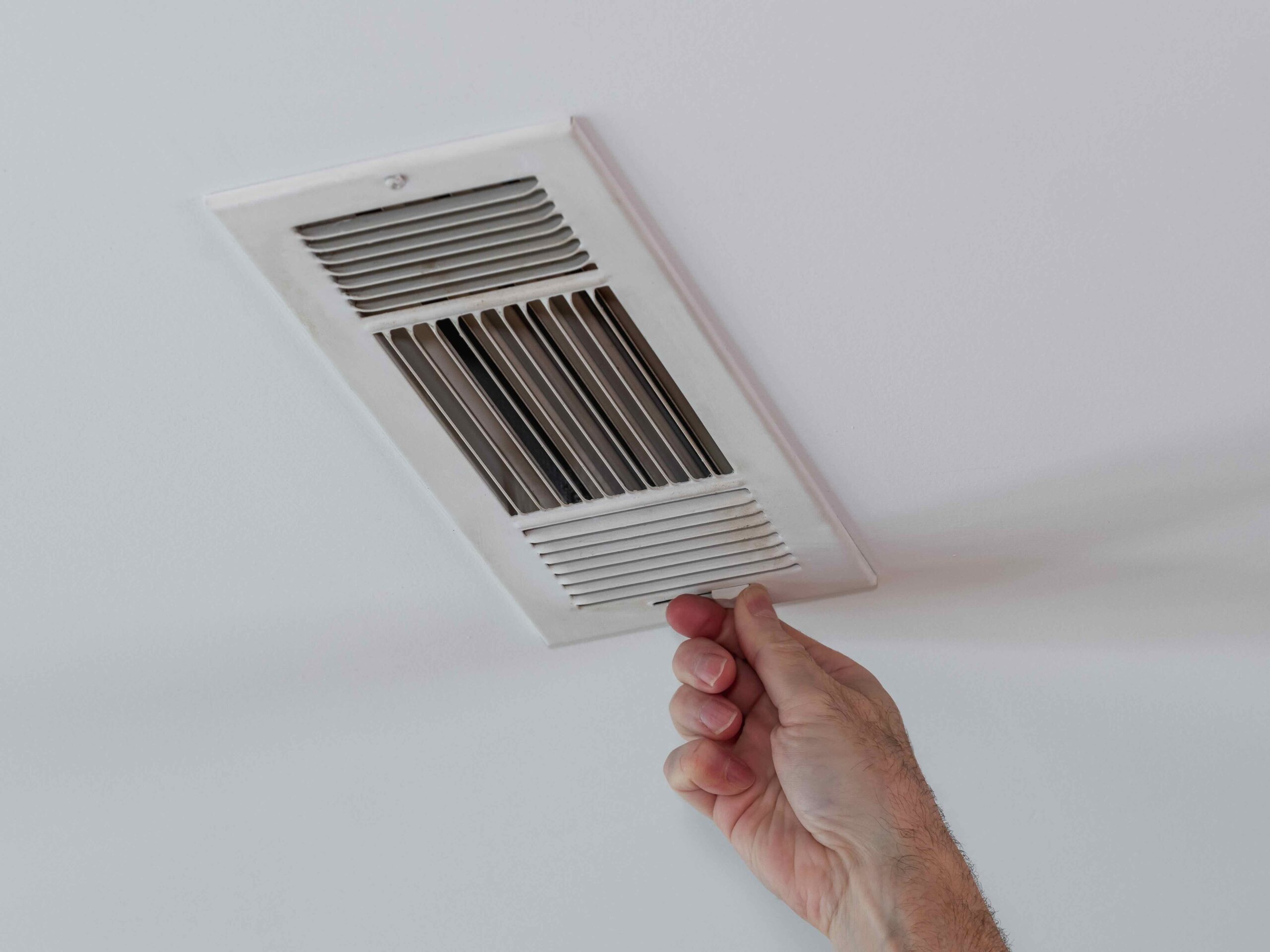
What Does It Mean to Sanitize Air Ducts — And Why Should You Care?
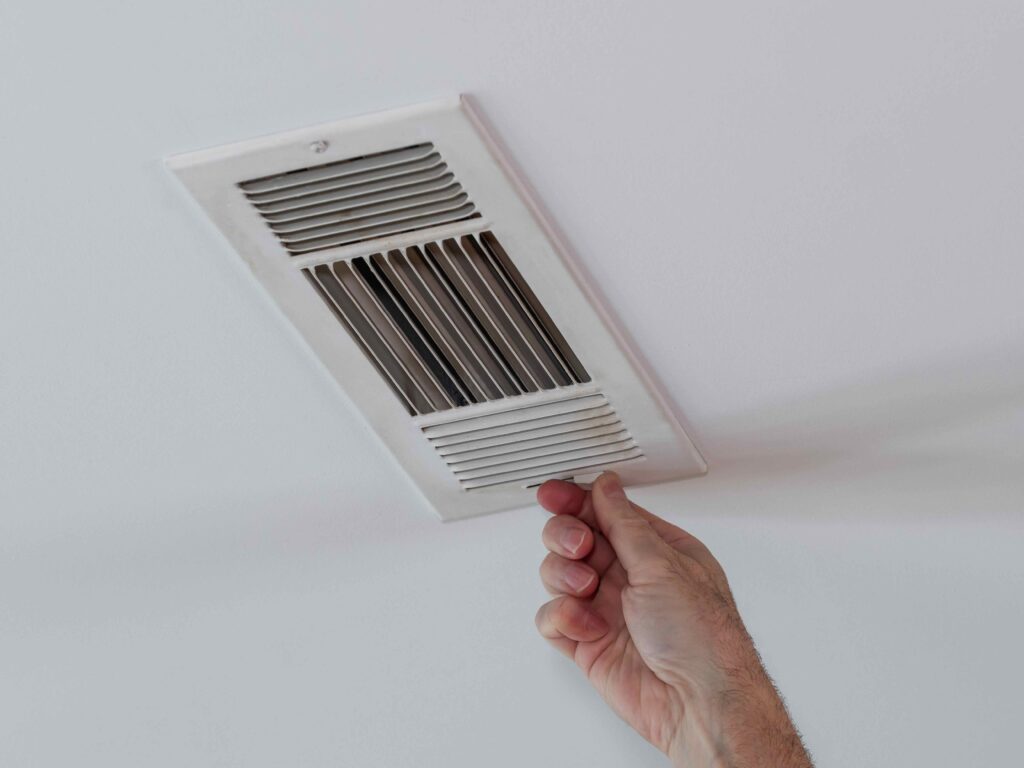
Your HVAC system is quietly working around the clock, moving air through every room in your home. But the ductwork carrying that air? It collects more than you might expect. Dust, mold spores, pet dander, pollen, and even bacteria can build up inside those passages over time. Sanitizing your air ducts goes a step beyond standard cleaning — it targets biological contaminants that basic vacuuming simply cannot remove. For homeowners concerned about indoor air quality, respiratory health, or persistent odors that just will not go away, this is a topic worth understanding properly.
How Air Duct Sanitization Actually Works
The process typically begins with a thorough mechanical cleaning. A professional technician uses high-powered vacuums and rotary brushes to dislodge and extract debris from inside the duct system. Once that initial cleaning is complete, a sanitizing agent — usually an EPA-registered antimicrobial solution — is applied to the interior duct surfaces. This step is where the real biological work happens. The solution is either fogged, sprayed, or wiped throughout the ductwork to eliminate mold, bacteria, and other microorganisms. Some contractors use UV light systems as an added layer of treatment. The entire process typically takes two to four hours depending on the size of the home and the condition of the ducts.
Signs Your Air Ducts May Need Sanitizing
Not every home needs duct sanitization on a rigid schedule, but there are some situations that practically call for it. Recognizing these signals early can save you from bigger problems down the road.
- Visible mold growth near vents or on duct surfaces
- Musty or stale odors coming from your vents when the HVAC system runs
- Recent water damage, flooding, or high indoor humidity levels
- Allergy or asthma symptoms that seem worse indoors than outside
- Evidence of rodent or insect activity inside the duct system
- You have recently moved into a home with unknown HVAC history
The Key Advantages of Sanitizing Your Air Ducts
Done correctly, air duct sanitization delivers real, measurable benefits. The most immediate one is improved indoor air quality. When contaminants are removed and surfaces are treated, the air circulating through your home carries fewer irritants. That matters a lot for households with young children, elderly occupants, or anyone managing respiratory conditions. Sanitization also helps control odors — particularly that familiar musty smell that follows water intrusion or long periods of system inactivity. Beyond health benefits, there is a case to be made for system efficiency too. Cleaner ducts create less resistance to airflow, which can take some strain off your HVAC equipment over time. It is not a dramatic difference, but it is a meaningful one when you consider the cumulative wear on your system.
Common Drawbacks and Limitations to Know
Air duct sanitization is not a cure-all, and it is worth approaching it with realistic expectations. For starters, the treatment is only as effective as the cleaning that precedes it. If a contractor skips the mechanical cleaning phase and goes straight to applying a sanitizing agent, that product is essentially coating a layer of debris rather than treating clean surfaces. The results will be disappointing. There is also the question of lasting effectiveness — antimicrobial treatments do not provide permanent protection. If the underlying conditions that caused mold or bacterial growth are still present, such as excess humidity or poor ventilation, the problem will return. Additionally, the industry is not uniformly regulated, so quality varies significantly between service providers.
DIY Versus Professional Sanitization: What Homeowners Should Know
There are over-the-counter duct sanitizing sprays available at home improvement stores, and it is tempting to consider the DIY route. The honest answer is that DIY options are limited in their reach and effectiveness. Consumer-grade products simply cannot penetrate the full length of a duct system, and without the proper vacuuming equipment, you may end up redistributing contaminants rather than eliminating them. Professional service is recommended when mold is present, when the home has experienced water damage, or when the ductwork has not been cleaned in more than five years. If your goal is a light refresh after a renovation or mild seasonal dust accumulation, a DIY vent cleaning with a vacuum attachment may be sufficient as a maintenance measure between professional visits.
How Often Should Air Duct Sanitization Be Scheduled?
Most industry guidance suggests having your air ducts inspected every three to five years, with cleaning and sanitization performed when inspection reveals meaningful buildup or biological growth. Certain circumstances accelerate that timeline — homes with pets, homes in high-humidity climates, and older properties with aging ductwork may benefit from more frequent attention. The key is not to set an arbitrary calendar reminder but to let the actual condition of the system guide the decision. A qualified technician can inspect the ductwork and give you an honest assessment rather than a sales pitch for services you may not yet need.

What to Look for When Hiring an Air Duct Sanitization Company
The quality of the contractor makes or breaks this service. NADCA — the National Air Duct Cleaners Association — is the most recognized professional body in the industry, and hiring a NADCA-certified technician is a reasonable baseline for quality assurance. Beyond certification, ask the company to walk you through their process before any work begins. They should be able to clearly explain how they handle mechanical cleaning, what sanitizing product they use, and whether that product is EPA-registered. Request before-and-after documentation, ideally photographic. Be cautious of companies offering extremely low flat-rate prices — thorough duct sanitization on a full home is labor-intensive work, and pricing that seems too good usually reflects a cut-corner process.
How Air Duct Sanitization Connects to Your HVAC System’s Health
Your air ducts are an extension of your HVAC system. When the ductwork is contaminated, that contamination circulates back through your furnace or air handler, accumulating on components like the blower motor, evaporator coil, and heat exchanger. Over time, this degrades efficiency and accelerates wear. A well-maintained duct system — one that gets periodic cleaning and sanitization when warranted — protects those downstream components from premature failure. This is precisely where the duct system intersects with broader home warranty considerations. HVAC systems are among the most expensive things in a home to repair or replace, and anything that extends their operational life has tangible financial value.
Why Armadillo Is the Right Partner for HVAC-Conscious Homeowners
Keeping your air ducts sanitized is a smart preventive step, but even the most diligent homeowner cannot prevent every HVAC failure. Mechanical systems age, components wear out, and repair costs can arrive without warning. That is where having the right home warranty coverage changes the equation entirely. Armadillo home warranty plans for HVAC systems and home comfort are built around transparency and real coverage — not fine print designed to create exceptions. When your heating or cooling system fails after a breakdown, Armadillo steps in so you are not absorbing that cost alone. If you are investing in your home’s air quality through proper duct maintenance, it only makes sense to protect the system driving all of that air through your home. Get a free home warranty quote to protect your HVAC system today and take one more thing off your worry list as a homeowner.

Frequently Asked Questions About Air Duct Sanitization
Is air duct sanitization the same as air duct cleaning?
No. Air duct cleaning refers to the mechanical removal of dust and debris using vacuums and brushes. Sanitization is an additional step where an antimicrobial solution is applied to the cleaned duct surfaces to eliminate bacteria, mold spores, and other biological contaminants. They are often performed together, but they are distinct processes.
How long does air duct sanitization take?
For an average-sized home, the full cleaning and sanitization process typically takes between two and four hours. Larger homes, more complex duct systems, or heavily contaminated ductwork can extend that timeframe.
Is air duct sanitization safe for pets and children?
EPA-registered antimicrobial products used by certified professionals are considered safe once dry. However, it is generally recommended that pets, children, and occupants with respiratory sensitivities vacate the home during treatment and allow adequate ventilation before returning.
How do I know if there is mold in my air ducts?
A musty smell coming from your vents is the most common indicator. Visible dark spots or discoloration near vent covers can also suggest mold presence. A professional inspection with camera equipment is the most reliable way to confirm whether mold exists inside the duct system itself.
Will sanitizing my air ducts reduce allergy symptoms?
It can, particularly if allergens like mold spores, pet dander, or dust mite debris have accumulated in the ductwork. Removing those contaminants from the air circulation path often leads to noticeable improvement for allergy and asthma sufferers, though results vary depending on the source and severity of the allergens.
How much does professional air duct sanitization cost?
Costs vary based on home size, duct configuration, and regional labor rates, but homeowners typically spend between $300 and $700 for a full cleaning and sanitization service. Be cautious of quotes significantly below that range, as they may indicate an incomplete or low-quality process.
Does a home warranty cover air duct cleaning or sanitization?
Most standard home warranty plans do not cover routine maintenance services like duct cleaning or sanitization. However, they do typically cover mechanical failures within the HVAC system itself, which is where the financial protection becomes most valuable for homeowners.
Can I sanitize my air ducts myself?
Consumer-grade products are available, but they have significant limitations in reach and effectiveness compared to professional-grade equipment and EPA-registered antimicrobials. DIY efforts can serve as a light maintenance measure between professional services but should not replace professional treatment when mold or heavy contamination is present.
How do I maintain clean air ducts between professional services?
Replacing HVAC filters on schedule is the single most effective maintenance step. Using high-quality filters with an appropriate MERV rating reduces the amount of particulate matter entering the duct system in the first place. Controlling indoor humidity levels and addressing any water intrusion promptly also prevents biological growth from taking hold.
What questions should I ask an air duct sanitization company before hiring them?
Ask whether their technicians hold NADCA certification, what sanitizing product they use and whether it is EPA-registered, whether mechanical cleaning is included before sanitization, and whether they provide before-and-after documentation. A reputable company should answer these questions without hesitation.