Why Sanitizing Your Washing Machine Actually Matters
Here is something most homeowners do not think about until they notice it: the appliance that cleans your clothes can get surprisingly dirty on its own. A washing machine handles everything from sweaty gym gear to muddy jeans, and over time, soap residue, hard water minerals, mildew, and bacteria build up inside the drum, door gasket, and detergent dispenser. The result is that musty smell that clings to laundry even after a full wash cycle. Sanitizing your washing machine regularly is not just about freshness, it is about protecting the appliance itself and extending its operational life.
What Happens Inside a Washing Machine Over Time
Most people assume that because water and detergent constantly flow through a washing machine, it must stay clean on its own. That is a reasonable assumption, but it is not how the machine actually works. Detergent does not fully dissolve every cycle. Fabric softener leaves a waxy film. Lint and debris accumulate in the drum and filter. Warm, moist environments are ideal breeding grounds for mold and mildew, and front-load washers in particular are notorious for developing odors around the rubber door gasket. Over time, these buildups reduce cleaning efficiency, create unpleasant smells, and can even cause mechanical issues if filters or pumps become clogged.
How Often Should You Sanitize Your Washing Machine
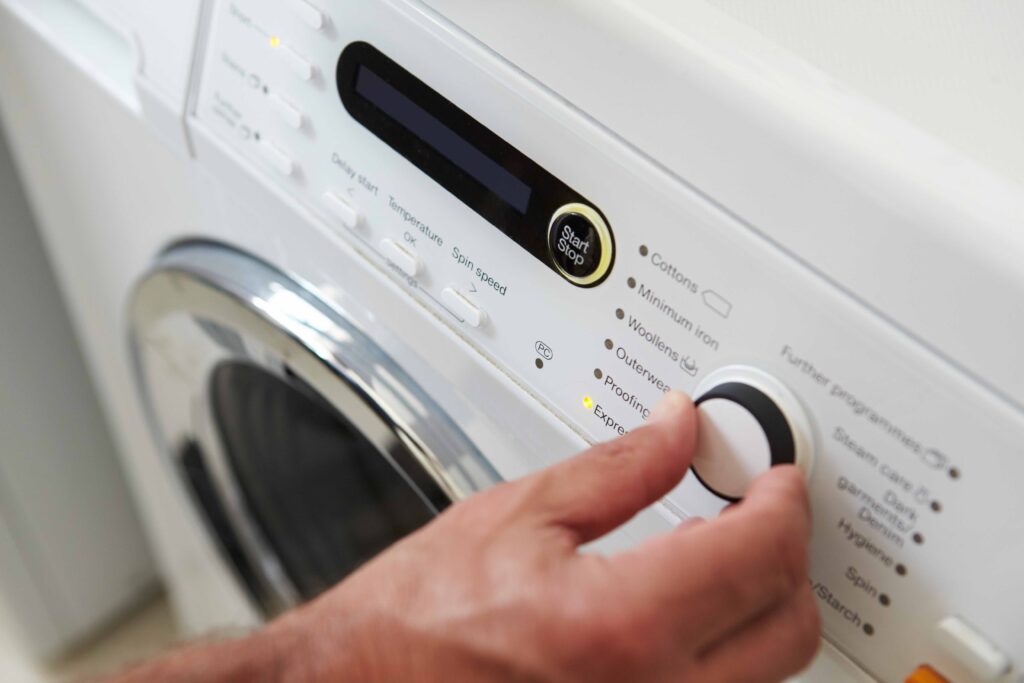
The general recommendation from appliance manufacturers and home maintenance professionals is to run a cleaning cycle at least once a month. If you do laundry frequently, live in a high-humidity climate, or have a household that regularly washes heavily soiled items, bumping that up to every two to three weeks is worth considering. The good news is that most modern washers, both top-load and front-load models, now include a dedicated cleaning or sanitize cycle. If yours does, use it. If it does not, a manual cleaning process works just as well.

Step-by-Step Guide to Sanitizing a Top-Load Washing Machine
Top-load washers are a bit more straightforward to clean, and the process does not take much time once you know what you are doing. Here is a practical walkthrough to get the job done properly.
- Start with an empty drum and set the machine to the hottest water setting available.
- Add two cups of white distilled vinegar directly into the drum, then run a full wash cycle.
- After that cycle finishes, add half a cup of baking soda to the drum and run another full hot cycle.
- While the second cycle runs, use a microfiber cloth dampened with vinegar to wipe down the lid, exterior panels, and the inside of the drum opening.
- Clean the detergent and fabric softener dispensers by removing them if possible and soaking in warm water, then scrub with a small brush.
- Leave the lid open for at least an hour after cleaning to allow the interior to fully air out.
Step-by-Step Guide to Sanitizing a Front-Load Washing Machine
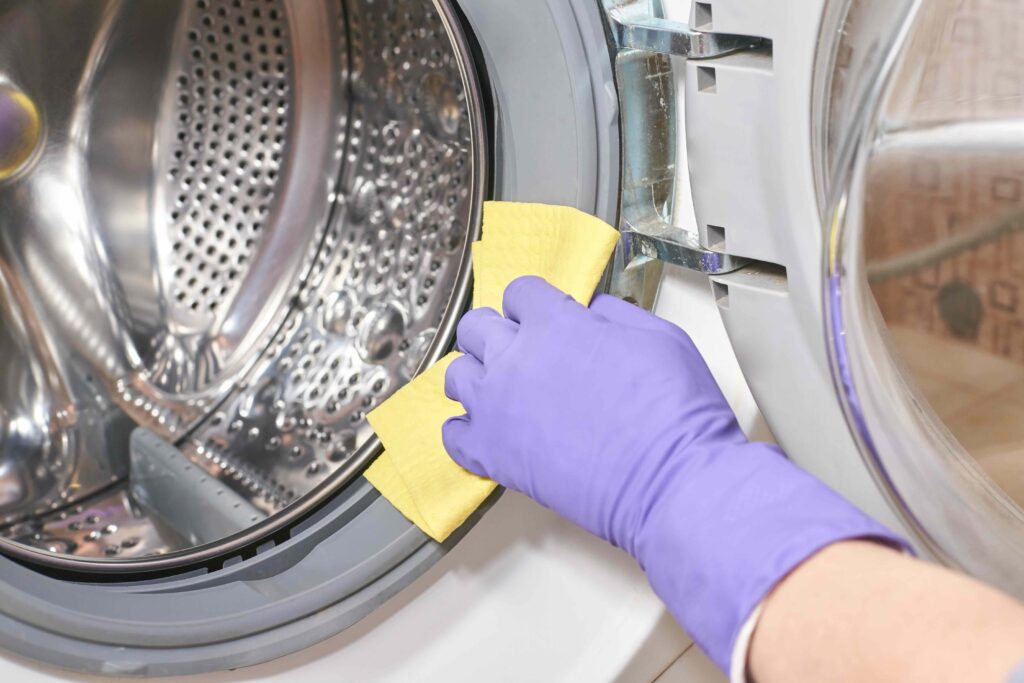
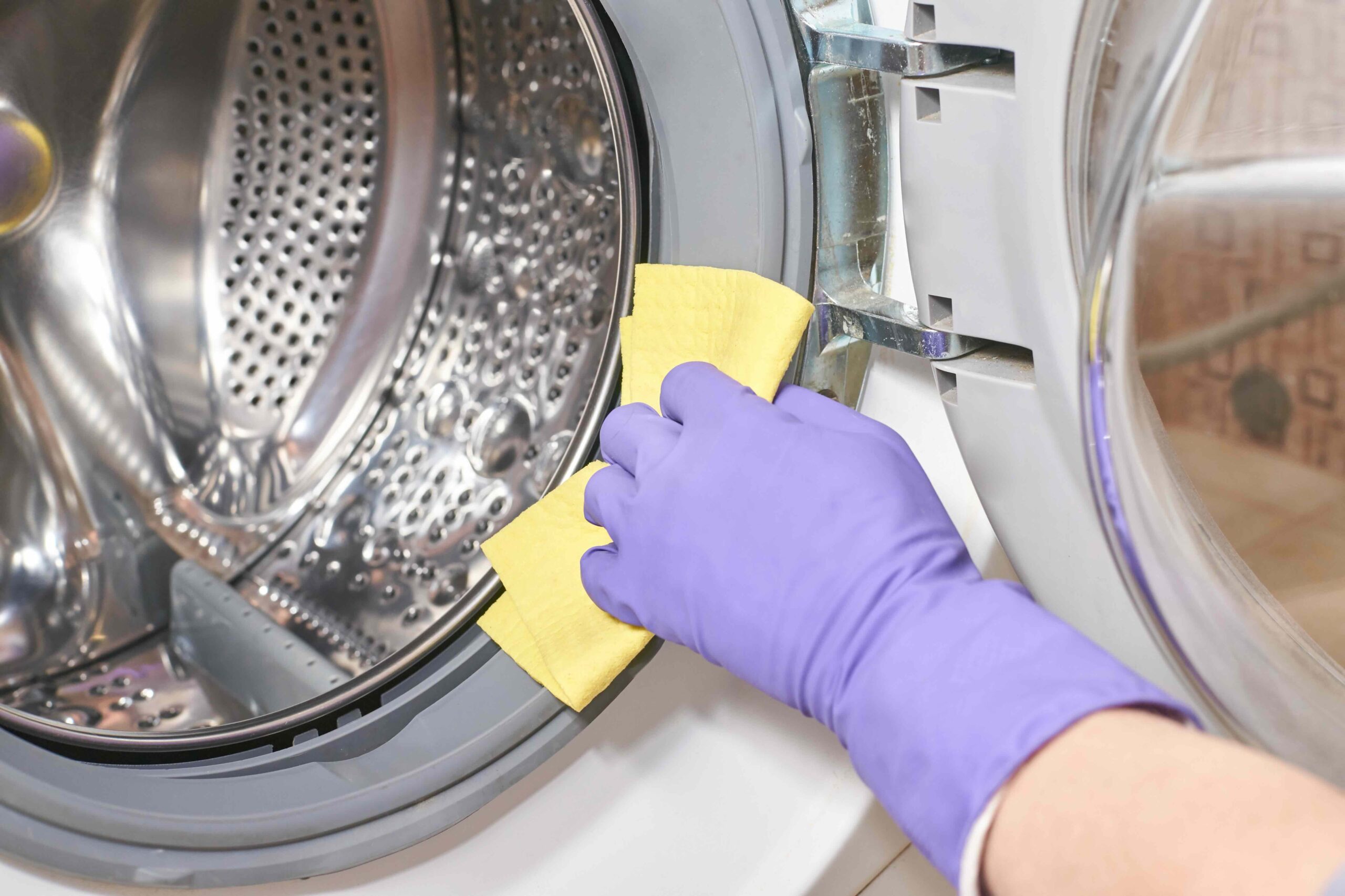
Front-load washers require a slightly different approach, mostly because of that rubber door gasket. It is the most common source of mold and odor in these machines, and it tends to get overlooked. Pull back the gasket folds and inspect them carefully. You will likely find a mix of moisture, lint, and possibly dark mold spots. Wipe the entire gasket with a cloth soaked in a solution of one part bleach to four parts water, making sure to get into the folds. Then run the machine’s self-clean cycle or a hot cycle with a commercial washing machine cleaner tablet or two cups of white vinegar added to the drum. Clean the detergent drawer thoroughly and leave the door cracked open between uses to prevent moisture from sitting inside.
Common Mistakes Homeowners Make When Cleaning Their Washer
There are a few habits that seem harmless but actually work against you when it comes to washer maintenance. Knowing what to avoid is just as useful as knowing what to do.
- Using too much detergent is one of the most common culprits behind residue buildup inside the drum and pump.
- Leaving wet laundry sitting in the drum for extended periods creates the exact moist environment that mold thrives in.
- Mixing bleach and vinegar during the same cleaning session releases harmful fumes and reduces the effectiveness of both products.
- Skipping the detergent dispenser during cleaning allows old product to harden and restrict proper dispensing in future cycles.
- Forgetting the washing machine filter, particularly in front-load models, leads to drainage problems and potential pump damage over time.
The Advantages of Regular Washing Machine Maintenance
Keeping your washing machine clean has a measurable impact on how well it performs and how long it lasts. Machines free from buildup use water and energy more efficiently because the drum and pump are working without obstruction. Clean machines also wash clothes more effectively, since there is no old residue being redeposited onto fabrics during the cycle. From a longevity standpoint, regular cleaning reduces wear on internal components like seals, bearings, and the pump, all of which can degrade when exposed to constant buildup and biological growth. A well-maintained washer can easily serve a household for twelve to fifteen years with fewer repairs along the way.
Drawbacks and Limitations to Keep in Mind
Regular cleaning helps, but it does not prevent every issue a washing machine will face over its lifespan. Mechanical components still wear out regardless of how clean the machine is kept. The drum bearing, control board, motor, and lid or door latch are all subject to normal wear and eventual failure. Additionally, using commercial cleaning tablets or running frequent hot cycles does add a modest amount to your water and energy usage each month. It is also worth noting that some odors or performance issues go deeper than surface-level cleaning can address, and those situations call for a professional diagnosis rather than another cleaning cycle.
How a Home Warranty Protects Your Washing Machine Investment
Even a perfectly maintained washing machine will eventually need a repair that goes beyond what any cleaning routine can prevent. When the motor fails or the control board stops responding, those are mechanical breakdowns that require a technician and real money to fix. That is exactly where a home warranty earns its value. home appliance warranty coverage for washers and dryers means that when something mechanically fails, you are not facing a repair bill that rivals the cost of a new machine. Armadillo offers straightforward, transparent home warranty plans designed for real homeowners who want real protection without the runaround. Whether your washer develops a drainage problem, a faulty lid switch, or a motor issue, having coverage in place means a simple service call instead of a stressful financial decision. If you want to see what protecting your home appliances actually looks like, get a personalized washing machine warranty quote from Armadillo and find out how affordable peace of mind can be.

Frequently Asked Questions About Sanitizing Your Washing Machine
These are the questions homeowners ask most often when it comes to keeping their washing machines clean, maintained, and working properly.
How do I know if my washing machine needs to be sanitized?
The most obvious sign is a musty or sour smell coming from the drum or laundry after washing. Visible residue, mold spots around the door gasket, or clothes that still smell after a full cycle are also reliable indicators that the machine is overdue for a thorough cleaning.
Can I use bleach to sanitize my washing machine?
Yes, chlorine bleach is effective for killing mold and bacteria inside a washing machine. Add half a cup to the bleach dispenser or directly into the drum and run a hot cycle. Do not combine bleach with vinegar or any other cleaning agent in the same cycle, as this creates harmful chemical reactions.
Is white vinegar or baking soda better for cleaning a washing machine?
Both are effective and serve slightly different purposes. White vinegar breaks down mineral deposits and soap scum, while baking soda neutralizes odors and provides a gentle abrasive quality. Using them in separate sequential cycles gives you the benefit of both without the fizzing reaction that occurs when they are combined.
How long does it take to sanitize a washing machine?
A full cleaning process, including running two hot cycles and wiping down all accessible surfaces, typically takes between one and two hours depending on cycle length. Using a dedicated self-clean cycle on machines equipped with that feature can condense the process significantly.
Why does my front-load washer smell even after I clean it?
Front-load washers are prone to persistent odors because the airtight door seal traps moisture inside after each use. If the smell continues after a thorough cleaning, focus on the rubber gasket folds, the detergent drawer, and the drain filter. Leaving the door ajar between uses is one of the most effective long-term prevention strategies.
Does a washing machine self-clean cycle actually work?
The self-clean cycle is genuinely effective when used regularly and in combination with a cleaning product or tablet. It runs at higher temperatures and without laundry to loosen and flush out buildup. However, it does not clean external surfaces, the detergent dispenser, or the door gasket, so manual wiping is still necessary.
What is the washing machine drum filter and should I clean it?
The drum filter, sometimes called the coin trap or pump filter, captures debris before it reaches the drain pump. In front-load washers, it is typically located behind a small panel near the bottom front of the machine. It should be cleaned every one to three months to prevent drainage issues, odors, and pump strain.
Can a dirty washing machine cause damage to my clothes?
Yes, residue and mold inside the drum can transfer onto fabrics during a wash cycle, causing discoloration, persistent odors, or irritation for people with sensitive skin. Clothes may also come out with a film or feel stiff if heavy detergent buildup is being redeposited during washing.
Will sanitizing my washing machine extend its lifespan?
Regular cleaning reduces the strain on mechanical components like the pump, drum bearings, and seals by preventing the accumulation of debris and corrosive buildup. While cleaning alone cannot prevent all mechanical failures, it does contribute meaningfully to the overall longevity and efficiency of the appliance.
Does a home warranty cover washing machine repairs caused by buildup or neglect?
Home warranties generally cover mechanical and electrical failures that result from normal wear and tear, not damage caused by neglect or improper maintenance. This is one of the key reasons why keeping up with regular cleaning and maintenance is important, it ensures that when a covered mechanical failure does occur, the claim process is straightforward and the repair is fully eligible under your plan.