
Everything You Need to Know About Faulty Circuit Breakers in Your Home
Circuit breakers are often overlooked, quietly working behind the scenes to protect your home. But when they stop working, they can create a cascade of electrical dangers. In the home warranty space, faulty circuit breakers consistently show up as a top issue. Why? Because they’re critical. When they fail, even something as simple as turning on your toaster can pose a risk. For homeowners, understanding circuit breakers—what they are, how they work, when they fail, and what to do next—is essential. Educating yourself on this one household system could save you from shock hazards, electrical fires, and unnecessary repair costs.
What Is a Circuit Breaker and Why Does It Matter?
A circuit breaker is an automatic electrical switch designed to interrupt current flow in an electric circuit in the event of a fault. In straightforward terms, when there’s too much electrical current (an overload or a short circuit), the breaker shuts off the power to prevent damage. It’s like your home’s electrical bodyguard—ready to jump in and cut off the threat before it becomes catastrophic. Circuit breakers exist in your main panel, which may be in a basement, garage, or utility closet. Modern homes rely on these monopolizing units to manage all the power demands that come with today’s tech-heavy households. If your home is older and still relying on fuses, upgrading should be high on your priority list.
How Circuit Breakers Actually Work
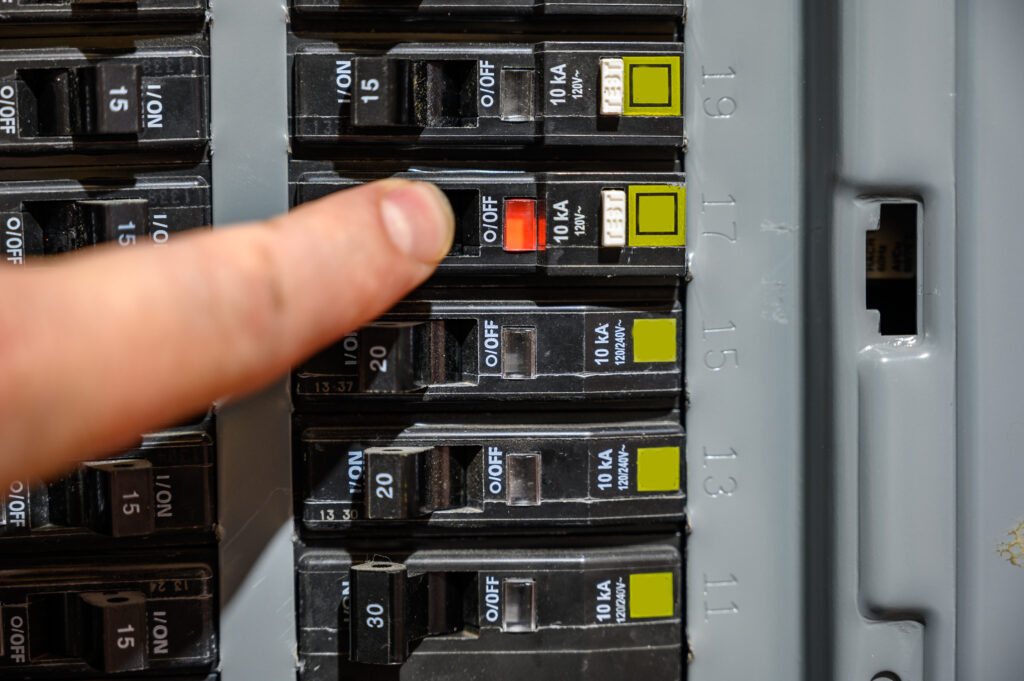
Electricity flows continuously through circuits; it powers everything from your HVAC to your kitchen mixer. A circuit breaker monitors this flow. The second it senses something isn’t right—say an appliance draws more power than the circuit was designed to handle—it snaps into action by “tripping,” which means it breaks the flow of electricity. This is typically done through either an electromagnet or a bimetallic strip that bends when overheated, triggering the switch. When electricity is stable, the breaker remains closed. Once it trips, it cuts physical connection. You’ll usually hear a click or pop and may notice some lights go out. Resetting the breaker restores power, but only after the problem is addressed. Otherwise, the breaker will trip repeatedly, a sign of something deeper at play.
What Causes a Circuit Breaker to Fail?
Like every mechanical system in your home, breakers aren’t infallible. Age is a major trigger—long-term wear can reduce sensitivity, creating a false sense of security. If a breaker doesn’t trip when it should, you risk electrical overheating, arcs, or worse, fire. Manufacturing defects or improper installations also show up regularly in warranty inspections. Moisture and corrosion are particularly common in panels located in garages or basements. Rodents, surprisingly, also make this list, chewing through insulation and wires, indirectly impacting breaker performance. Sometimes, the cause is a faulty appliance forcing the breaker to overwork itself until it burns out internally. When a breaker becomes “sticky” or refuses to reset, it’s often a sign of internal degradation or contact failure.
Signs Your Circuit Breaker May Be Faulty
Multiple trippings in a short amount of time isn’t just annoying—it’s a red flag. If flipping the breaker back on doesn’t restore power, that’s another warning sign. A humming or buzzing noise coming from the breaker panel is a serious concern indicating internal arcing. Burn marks, a smoky smell, or visible wear near the panel shouldn’t be ignored. Sometimes, the problem is more subtle; perhaps certain areas in your home randomly lose power or appliances don’t work consistently. These intermittent failures point to a circuit breaker that’s no longer reliable. Because breakers are physically small components, their failure may seem minimal—but the consequences of letting it go unaddressed are anything but.
When Should You Replace a Circuit Breaker?
If your home is more than 30 years old and you’ve never had your electrical panel inspected, now is the time. Surprisingly, many homeowners still live with panels that are technically obsolete. Federal Pacific Electric (FPE) and Zinsco panels, popular in the 60s and 70s, are notoriously prone to failure and pose a higher fire risk. Any time you upgrade major appliances or add a new HVAC system, a panel inspection is advisable to ensure your breakers can handle increased loads. Breakers that trip for no clear reason, fail to stay reset, or show physical damage should always be replaced—not just the breaker, but possibly the affected circuits as well. Licensed electricians should handle this, not only for safety but also because improper replacement can void home warranties or insurance claims down the line.
Advantages of Keeping Your Circuit Breakers in Top Shape
The benefits of a well-maintained breaker system extend beyond just safety. Efficient breakers enhance energy management, reducing load imbalances that could spike your electricity bill. By preventing unnecessary tripping, you maximize uptime on essential appliances like refrigerators and HVAC units. A responsive circuit breaker ensures your smart home doesn’t reboot every other day due to unnoticed overloads. Maintaining your breaker system can also extend the life of other components on the line. Motors in dishwashers and dryers suffer less strain when voltage is steady. In the scope of home resale, updated panels and breakers add value and remove inspection roadblocks. Put simply, they offer peace of mind.
Protect Your Electrical System with Armadillo
Electrical failures don’t announce themselves. One moment it’s a flipped breaker, the next it’s a thousand-dollar service call. With a home warranty plan through Armadillo, you don’t have to gamble. We understand firsthand how essential your home’s electrical integrity is. That’s why our plans are designed to cover the systems you rely on—including electrical panels and circuit breakers. If you suspect your breaker system is due for repair or replacement, protect that investment with service that simply makes sense. Start now at armadillo.one, or build your plan in just a few clicks by visiting our customized plan builder. Electrical safety isn’t optional—and neither is peace of mind.