How to Stop AC Vent Condensation: What Homeowners Need to Know
AC vent condensation may seem like an insignificant issue at a glance—one of those household quirks you ignore until the ceiling stains or musty smells appear. But this subtle moisture buildup can result in frustrating structural problems, including mold growth, drywall damage, and system inefficiency. For homeowners who rely on their HVAC to deliver cool comfort all year long, understanding what causes AC vent condensation and how to eliminate it is essential. Equally important is having some form of backup, like a home warranty, in place when your HVAC system throws you a curveball.
What Is AC Vent Condensation and Why Does It Occur?
Air conditioning vent condensation happens when warm, moist air comes into contact with cold surfaces—namely, your ductwork and vents. The same principles that fog up your bathroom mirror apply here. As your AC cools down indoor spaces, the temperature differential between the inside of the duct and the surrounding environment leads to water forming on metal or plastic surfaces. Over time, this persistent moisture damages paint, ceiling tiles, and even parts of the HVAC system itself.
How Does an HVAC System Actually Work?
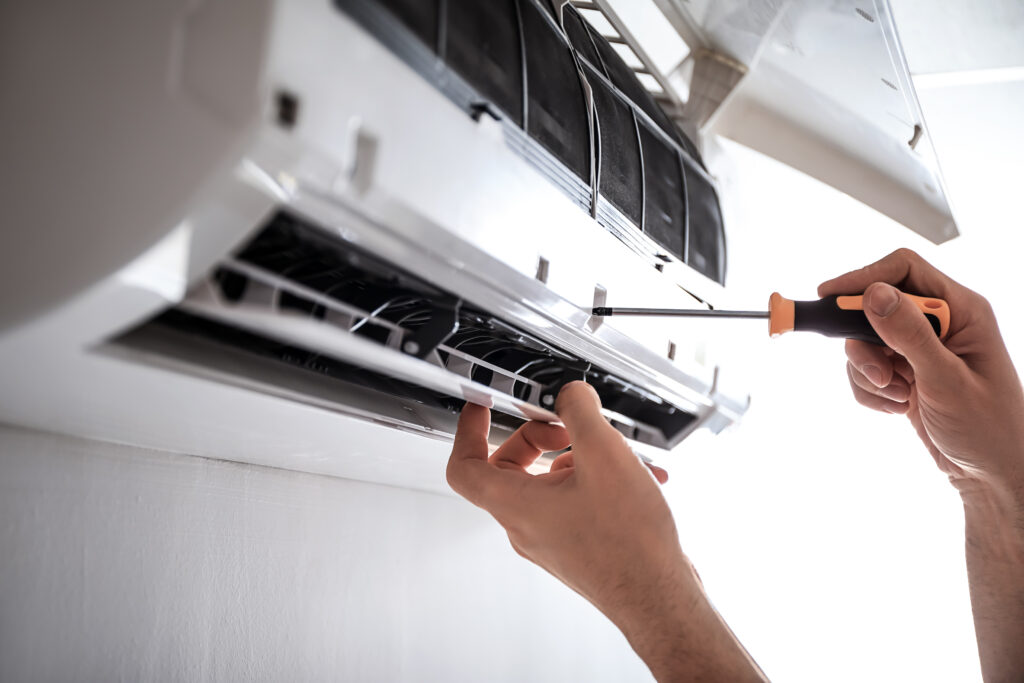
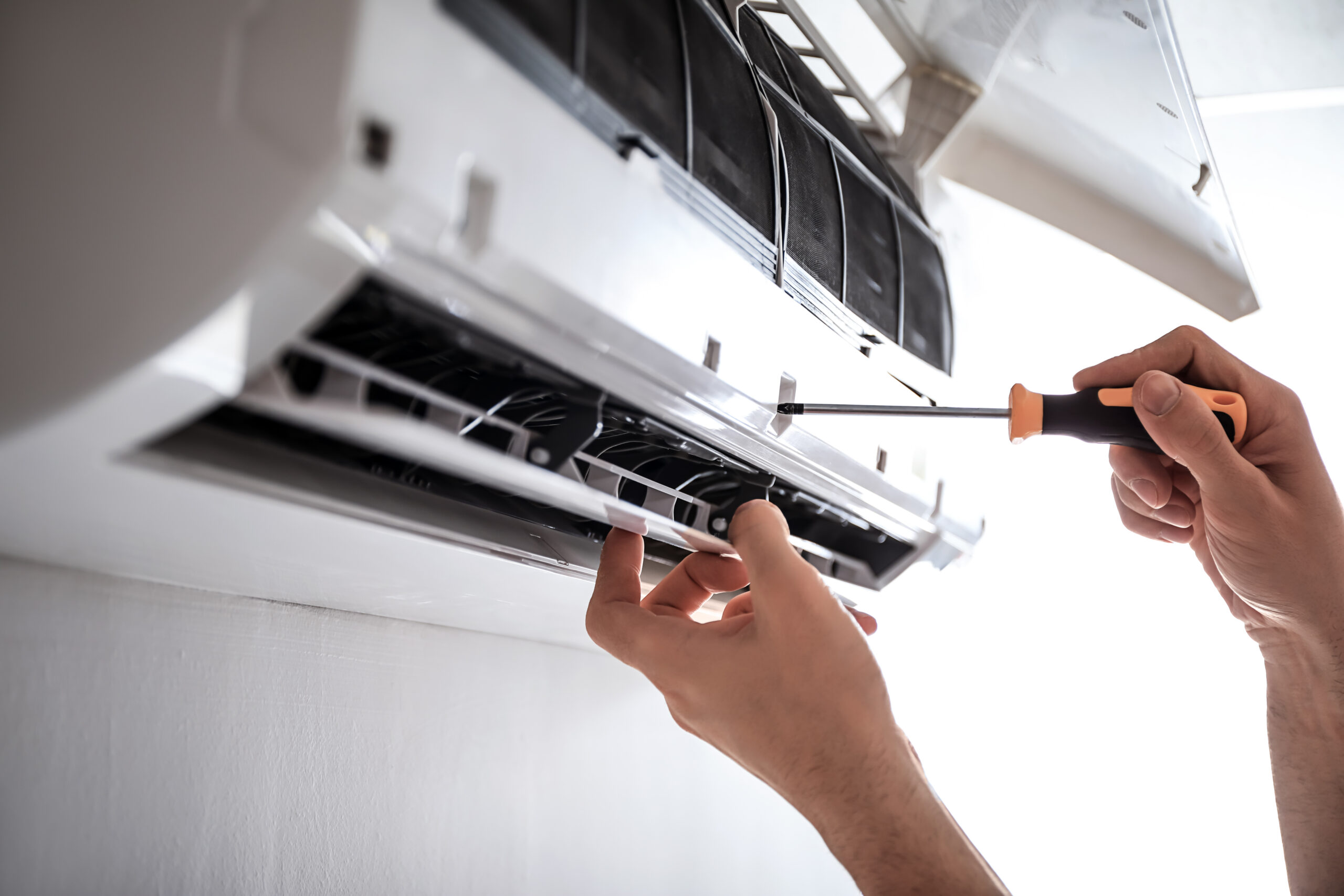
Understanding how condensation fits into your HVAC system starts with understanding the system itself. Your AC works by pulling warm air from indoors through return vents, passing it over coils filled with a refrigerant that absorbs heat, and then pushing the cooled air back out through supply vents. During this process, the system also reduces indoor humidity—when working properly. However, when one component begins to struggle, whether it’s inadequate airflow or duct insulation, condensation becomes a byproduct of inefficiency. It’s not just about a cold vent meeting warm air; it’s often about underlying problems involving airflow, insulation, and humidity control.
Top Causes of AC Vent Condensation in Homes
The usual suspects behind AC vent condensation include uninsulated or poorly insulated ductwork, high indoor humidity levels, clogged air filters, and inadequate airflow due to blocked vents or oversized HVAC systems cycling on and off too quickly. These factors create an environment where the system isn’t able to achieve equilibrium, so moisture instead condenses on the easiest nearby surface—your vents. Another less obvious contributor is the location of your ductwork. Vents situated in cooler areas such as basements or crawlspaces are naturally more susceptible to condensation when warmer air passes through them.
Simple Solutions to Prevent or Reduce Vent Condensation
Preventing excessive AC vent condensation starts with tackling the root causes. First, ensure that your insulation—especially along cold air ducts—is complete and effective. Insulated ducts help maintain stable internal temperatures, thwarting the formation of condensation on the surface. Second, regulate your home’s humidity. A dehumidifier can significantly reduce airborne moisture, especially useful in humid climates where indoor RH levels often stay above 60%. Third, change your air filter on schedule. A clogged filter restricts airflow, leading to cooler-than-usual vents that are more likely to ‘sweat’ in humid conditions. Finally, evaluate duct design. In some cases, professional HVAC inspection is warranted to determine whether the layout or size of your ductwork is contributing to the moisture issue.
Common Drawbacks of Ignoring AC Vent Condensation
Ignoring condensation doesn’t just lead to cosmetic issues. Persistent moisture buildup near vents can penetrate drywall, soak insulation, and become a nutrient-rich breeding ground for mold and mildew. That not only affects indoor air quality, but also jeopardizes the health of anyone sensitive to allergens. Additionally, over time, metal vents and connectors suffering continuous exposure to moisture may corrode, loosening seals and reducing system efficiency. This wear-and-tear not only shortens the life of your HVAC components but can drive up long-term energy costs.
When to Call a Professional for AC Condensation Problems
Not all condensation problems can be handled with basic maintenance or a newly installed dehumidifier. If you notice water stains forming around air vents, the condensation is recurring daily, or your energy bills are rising without other explanation, it is time to involve an HVAC professional. A certified technician can perform system pressure evaluations, measure airflow, check insulation quality, and fine-tune humidity control calibration settings. In more complex cases, particularly in older homes, ductwork modifications or system redesign might be required to eliminate the condensation issue from its source. The long-term benefit of early professional intervention is extending the life and efficiency of your HVAC system while protecting your property from moisture damage.
How a Home Warranty from Armadillo Supports Your HVAC Maintenance
Condensation at your AC vents may start as a drip, but it often cascades into more serious problems that involve repairs or component replacements. That’s where Armadillo can help. A home warranty plan ensures coverage for unexpected HVAC system failures due to normal wear and tear, minimizing your out-of-pocket burden when diagnosis and fixes are needed. Choosing a plan at Armadillo’s site means adding a layer of predictability to your home expenses and peace of mind to your system’s performance. You can customize a plan to include HVAC coverage specific to your home’s needs using the plan builder here. Ultimately, a home warranty with Armadillo gives you coverage confidence—so you’re not stuck sweating problems that your AC system couldn’t control.