What Does It Mean to Trip a Breaker — and Why Does It Keep Happening?
Your circuit breaker is one of the most quietly important systems in your home. It sits in that gray metal panel, minding its own business, until something goes wrong — and then it does exactly what it is designed to do: it trips. That is the breaker cutting power to prevent overheating, electrical fires, or damage to your appliances. Most homeowners have stood in front of that panel at least once, completely unsure what to do next. This guide is here to change that. Understanding how to trip a breaker safely — and what to do when one trips on you — is genuinely useful knowledge that every homeowner should have.
How a Circuit Breaker Actually Works
A circuit breaker is essentially an automatic switch that monitors the flow of electricity through a given circuit in your home. When the current running through that circuit exceeds the breaker’s rated capacity — say, 15 or 20 amps — the breaker trips, breaking the connection and stopping the flow of electricity. This is a protective response, not a malfunction. The breaker is doing its job. Inside the breaker, a bimetallic strip or an electromagnetic mechanism detects the excess current and physically flips the switch to the off position. Some newer smart breakers can even send alerts to your phone. The basic principle, though, has not changed much in decades — and that is because it works.
When You Might Need to Trip a Breaker on Purpose
There are several legitimate, practical reasons a homeowner would intentionally trip or switch off a circuit breaker. Working on an electrical outlet or light fixture, replacing a ceiling fan, or doing any kind of wiring work in a specific room all require cutting power to that circuit before you start. Tripping or switching off the breaker is the correct way to do that safely. You might also want to shut down power to an appliance that is malfunctioning, or isolate a circuit during a storm if you are concerned about a surge. Knowing which breaker controls which area of your home before you need that information is genuinely worth the ten minutes it takes to figure it out.
How to Trip a Breaker Safely: A Step-by-Step Approach
Tripping a breaker intentionally — or resetting one that has already tripped — does not require an electrician, but it does require a clear head and a few simple precautions. Here is the right way to approach it:
- Locate your electrical panel, which is typically in a utility room, basement, garage, or hallway. Open the panel door carefully.
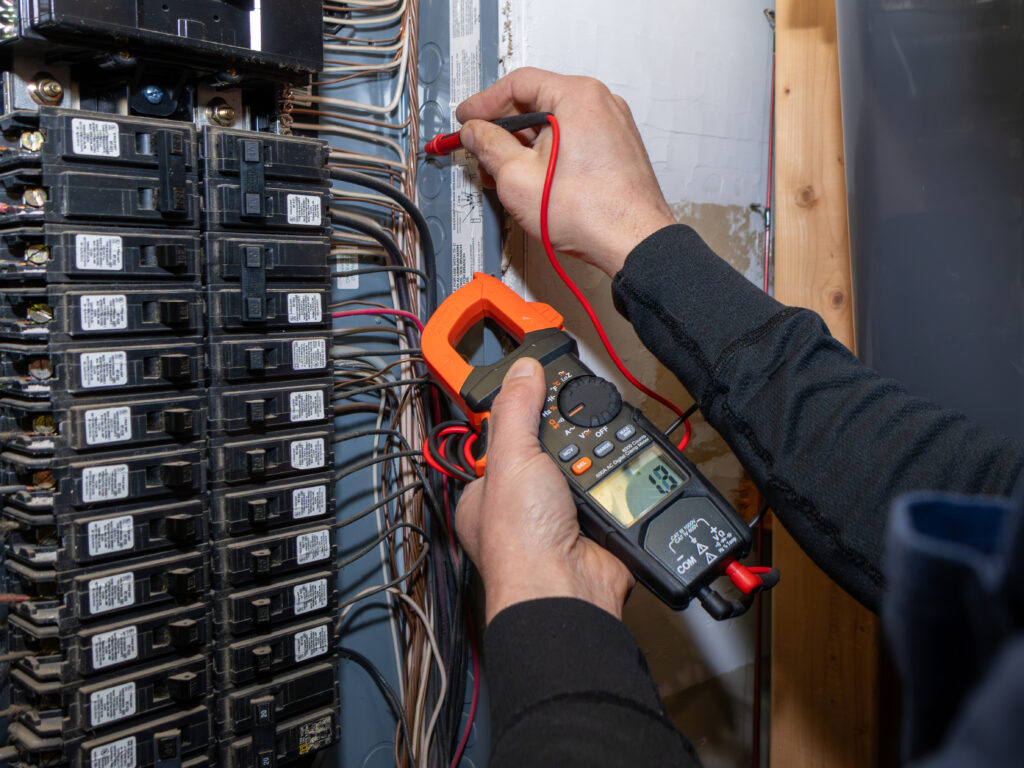
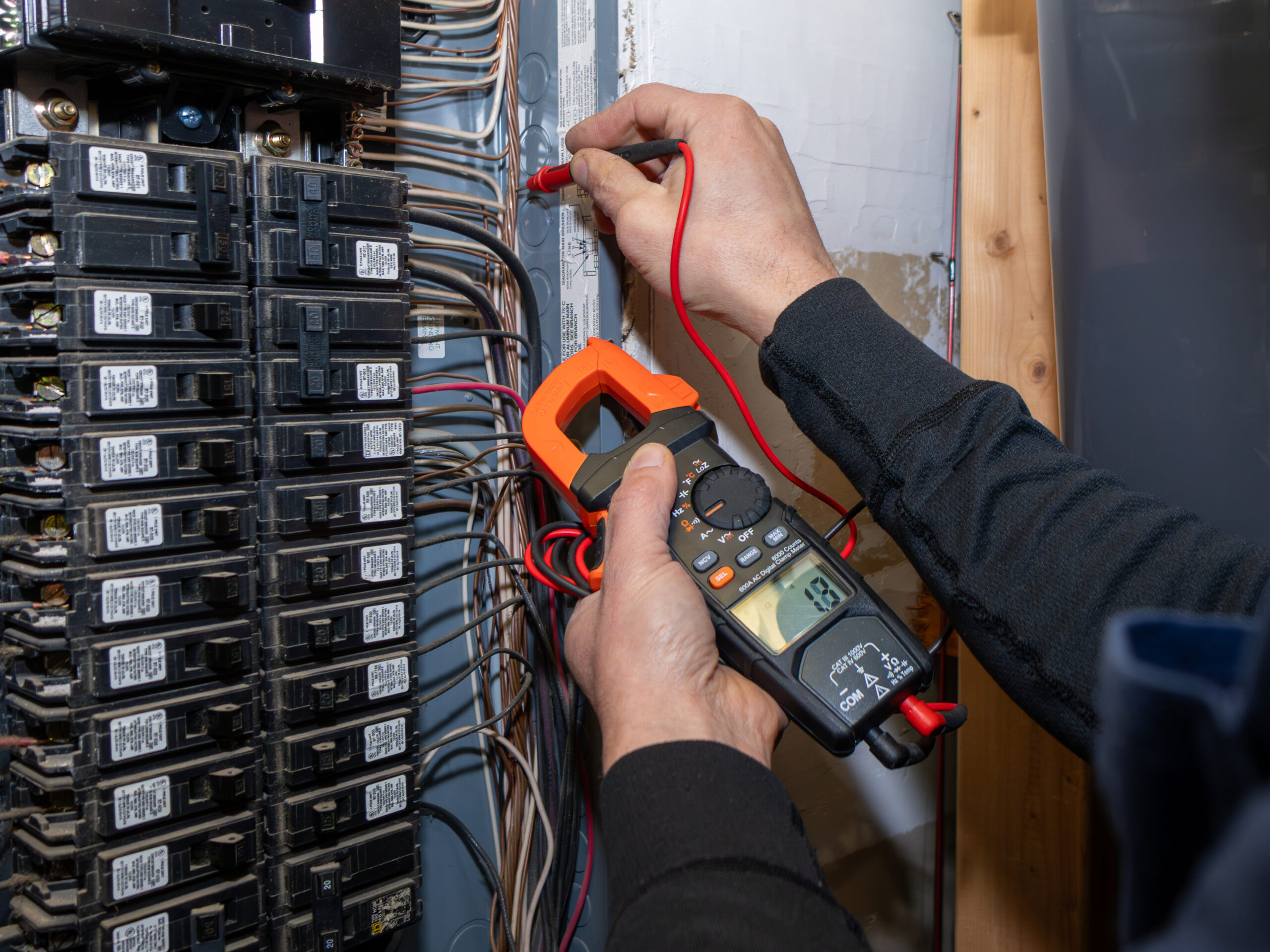
- Look for the breaker that corresponds to the area or circuit you need to shut off. A labeled panel makes this simple. An unlabeled one means you will need to test circuits to identify them — worth doing before you ever need to in an emergency.
- Stand to the side of the panel, not directly in front, when flipping breakers. This is a standard electrical safety practice.
- Flip the breaker firmly to the off position. If it is already tripped, it will be sitting in the middle position — flip it fully to off first, then to on to reset it.
- Never touch breaker components with wet hands, and never work in a flooded space near the panel.
- If a breaker refuses to stay on after being reset, that is a signal to call a licensed electrician — do not keep resetting it.
Common Reasons a Breaker Trips on Its Own
A breaker that trips repeatedly is telling you something. The three most common causes are overloaded circuits, short circuits, and ground faults. An overloaded circuit happens when too many devices are drawing power at once — think space heaters, hair dryers, and a microwave all running on the same circuit. A short circuit is more serious: it occurs when a hot wire touches a neutral wire, often inside a damaged appliance or frayed cord. A ground fault is similar but involves a hot wire contacting a grounded surface. All three can be dangerous if ignored. If your breaker trips without an obvious cause, or trips repeatedly, that is not a DIY situation — it warrants a professional evaluation.
What the Home Warranty Industry Wants You to Know About Electrical Systems
From a home warranty perspective, electrical systems are among the most commonly claimed components in a home. That makes sense — wiring, panels, and breakers are expensive to repair or replace, and they are not the kind of thing most homeowners think about until something goes wrong. A standard home warranty plan typically covers the repair or replacement of components within the electrical system, including panels and wiring, when they fail due to normal wear and use. What is generally not covered is damage resulting from a homeowner bypassing safety mechanisms — like repeatedly resetting a breaker that keeps tripping without investigating the underlying cause. That distinction matters, and it is worth understanding before you need to make a claim.
Key Advantages of Understanding Your Electrical Panel
There is real value in being the kind of homeowner who knows their way around the breaker panel. When the power goes out in one room and your guests are sitting in the dark, you want to be the person who calmly walks to the panel and resolves it in thirty seconds. Beyond the practical confidence boost, understanding your electrical system helps you communicate more clearly with contractors and electricians, potentially saving you time and money. It also positions you to catch early warning signs — like a breaker that feels warm to the touch, a burning smell near the panel, or a breaker that trips without any apparent load — before they escalate into genuine emergencies.
Drawbacks and Limitations Homeowners Should Keep in Mind
Even well-maintained electrical panels have limitations. Most residential panels are rated for a specific total amperage — commonly 100, 150, or 200 amps — and adding high-demand appliances like EV chargers or whole-home generators can push a panel beyond what it was designed to handle. Older homes with fuse boxes instead of breaker panels face different challenges entirely. Fuses must be replaced rather than reset, and the system may not be equipped to safely support modern electrical loads. Additionally, some older breakers — particularly certain aluminum-wired panels from the 1960s and 70s — have known reliability and safety issues. If your home falls into that category, a full panel evaluation by a licensed electrician is not optional, it is necessary.
How Armadillo Can Protect You When Electrical Issues Strike
Electrical problems do not follow a schedule. A tripped breaker at 11 PM on a Sunday is exactly the kind of thing that turns into a stressful, expensive situation without the right support in place. That is where a home warranty makes a real difference. Armadillo home warranty coverage for electrical systems and major home components is built around the idea that homeowners deserve straightforward, transparent protection — not fine print designed to deny claims. When a covered electrical component fails due to normal wear and tear, Armadillo connects you with qualified service professionals so you are not scrambling to find help on your own. If you want to understand exactly what your home could be protected against, get a free home warranty quote for electrical and system coverage today and see what a plan looks like for your specific home. The peace of mind that comes with knowing your electrical system is covered is worth more than most homeowners realize — until they actually need it.

Frequently Asked Questions About Tripping a Breaker Safely
These are the questions homeowners ask most often when it comes to circuit breakers, electrical panels, and what to do when something goes wrong.
Is it safe to trip a circuit breaker on purpose?
Yes, intentionally switching off a circuit breaker is safe when done correctly. Stand to the side of the panel, keep your hands dry, and flip the breaker firmly to the off position. This is a standard and necessary practice before performing any electrical work in your home.
What is the difference between a tripped breaker and a blown fuse?
A tripped breaker can be reset by flipping it off and then back on. A blown fuse must be physically replaced. Breaker panels are more common in homes built after the 1960s, while older homes may still have fuse boxes.
How do I know which breaker controls which room?
Most panels have a label on the inside of the door identifying each breaker’s circuit. If yours is unlabeled, plug a lamp or radio into an outlet in each room and flip breakers one at a time until you identify which one controls it. Then label your panel immediately.
Why does my breaker keep tripping?
Repeated tripping usually indicates an overloaded circuit, a short circuit, or a ground fault. An overloaded circuit is the most common cause and often results from too many high-draw appliances running simultaneously. If the problem persists after reducing the load, contact a licensed electrician.
Can I reset a breaker myself or do I need an electrician?
You can reset a tripped breaker yourself by flipping it fully to off and then back to on. However, if it trips again immediately or repeatedly, that is not a self-service situation — an electrician needs to diagnose the underlying cause.
What should I do if my breaker feels warm or smells like burning?
Turn off that breaker immediately and do not reset it. A warm breaker or a burning smell near the panel indicates a potentially serious electrical fault. Contact a licensed electrician before using that circuit again.
Does a home warranty cover circuit breakers?
Many home warranty plans cover electrical systems, including panels and breakers, when they fail due to normal wear and use. Coverage details vary by plan and provider, so reviewing your specific policy terms is important before assuming coverage applies.
How many appliances can safely run on one circuit?
This depends on the amperage rating of the circuit and the draw of each appliance. A standard 15-amp circuit should not be loaded beyond 12 amps continuously. High-demand appliances like refrigerators, dryers, and HVAC units typically require dedicated circuits.
What is a GFCI breaker and do I need one?
A GFCI, or ground fault circuit interrupter, breaker cuts power almost instantly when it detects a ground fault, significantly reducing the risk of electric shock. They are required by code in kitchens, bathrooms, garages, and outdoor areas in most modern homes.
How often should a home electrical panel be inspected?
Most electricians recommend a professional panel inspection every ten years for homes under 25 years old, and more frequently for older homes. If you notice frequent tripping, flickering lights, or buzzing sounds from the panel, schedule an inspection sooner rather than later.