When Your Breaker Trips, Do Not Panic — Here Is What To Do First
A tripped circuit breaker is one of those home moments that catches you off guard every single time. One minute everything is fine, then suddenly half the kitchen goes dark and the microwave stops mid-beep. It happens to every homeowner eventually, and the good news is that most of the time, it is not a crisis. Understanding how to troubleshoot a circuit breaker is one of those practical skills that can save you time, money, and a whole lot of frustration. This guide walks you through what a circuit breaker actually is, how it works, what causes it to trip, and how to handle it safely and confidently — no electrician on speed dial required, at least not for the basics.
What Is a Circuit Breaker and Why Does Your Home Have One
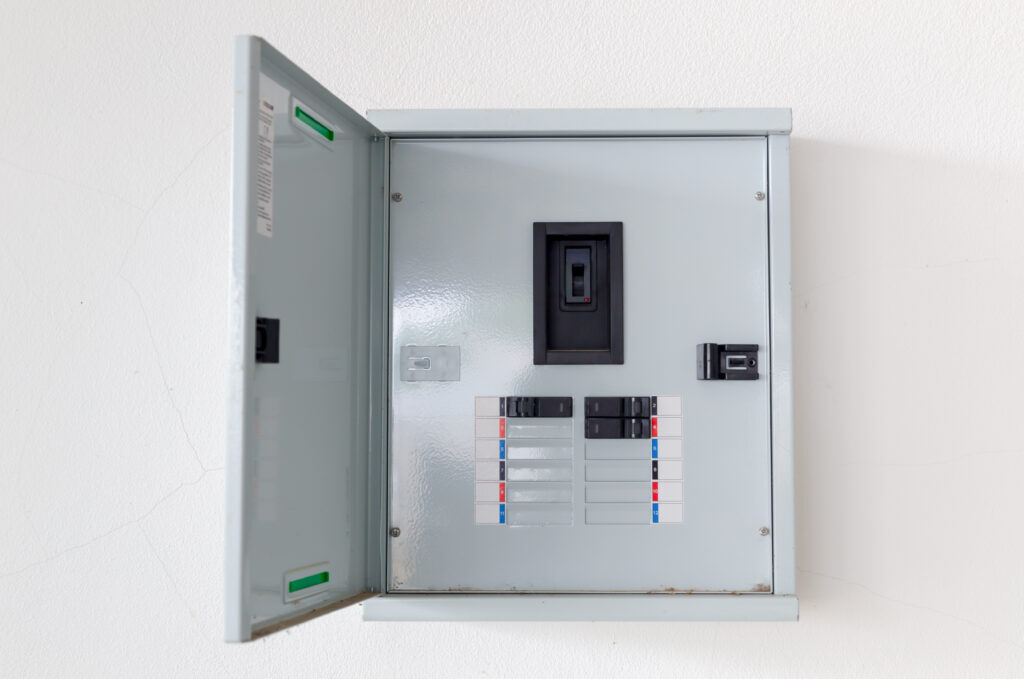
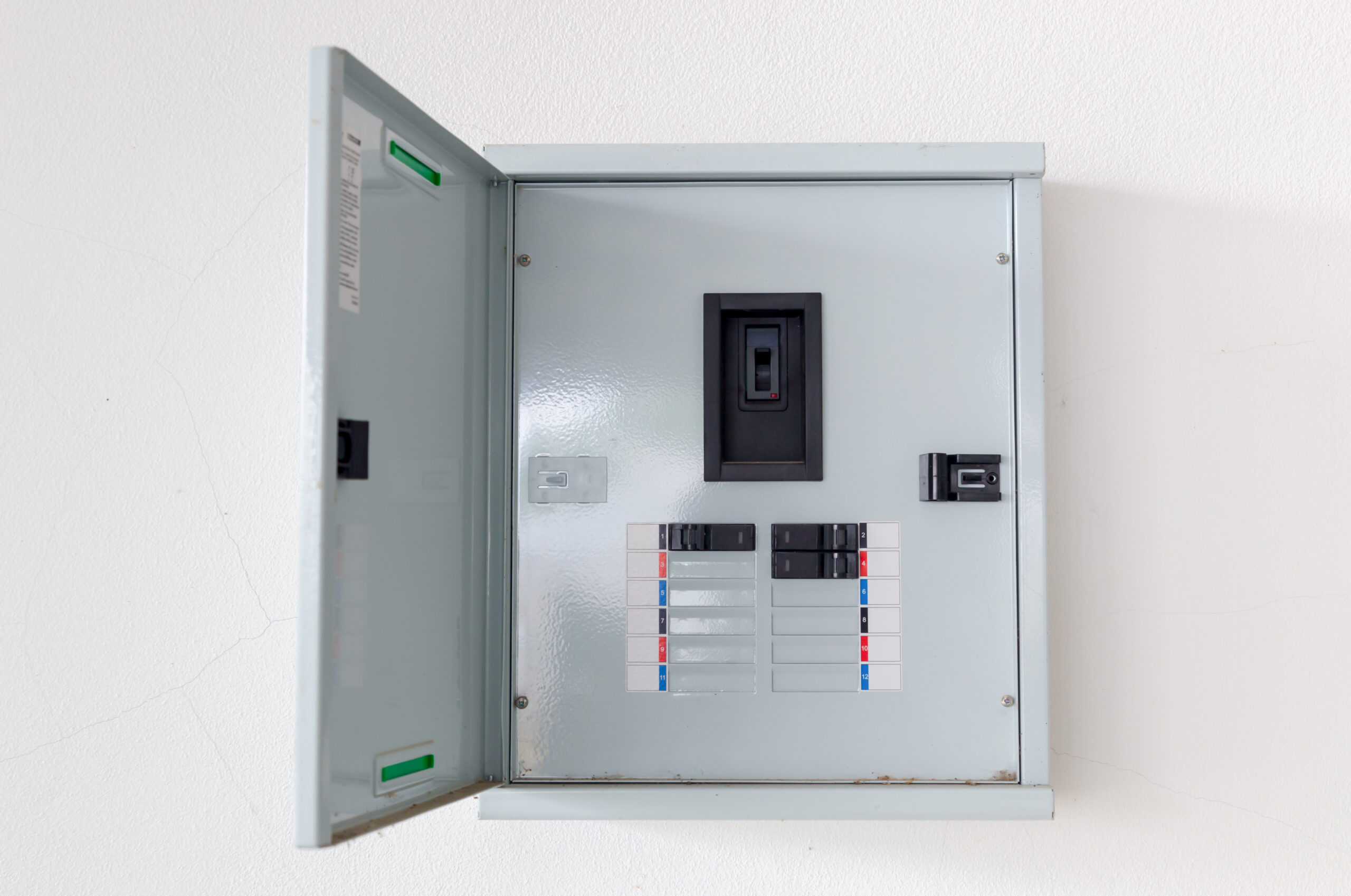
A circuit breaker is a safety device built into your home’s electrical panel — that gray metal box usually tucked in a garage, utility room, or hallway closet. Its entire job is to monitor the flow of electricity through your home’s circuits and shut things down automatically when something goes wrong. Think of it as a very attentive guardian for your wiring. When too much current flows through a circuit, the breaker trips and cuts power to prevent overheating, damage to your appliances, or worse — an electrical fire. Every major area of your home has its own dedicated circuit or shares one with nearby rooms, and each of those circuits connects back to a breaker in the panel. It is a smart, self-protecting system that does its job quietly until it needs to get loud.
How a Circuit Breaker Actually Works
Inside a circuit breaker is a bimetallic strip and an electromagnet, both of which respond to excessive current. When current rises beyond a safe threshold, the strip bends or the electromagnet activates, tripping a switch mechanism that physically breaks the circuit. That break stops the flow of electricity instantly. There are different types of breakers — standard single-pole breakers handle most household circuits at 120 volts, double-pole breakers handle larger appliances like dryers and HVAC equipment at 240 volts, and AFCI or GFCI breakers provide extra protection against arc faults or ground faults. The size of the breaker, measured in amps, is matched specifically to the wiring it protects. A 15-amp breaker on 15-amp wire is not a coincidence — it is calculated safety.
Common Reasons a Circuit Breaker Trips
Not every tripped breaker means something is seriously wrong. In fact, most of them fall into one of three categories that are entirely manageable once you know what to look for.
- Overloaded circuit — This is the most common cause. Too many devices drawing power from a single circuit at the same time will trip the breaker. Running a space heater, coffee maker, and toaster on the same kitchen circuit is asking for a shutdown.
- Short circuit — This happens when a hot wire touches a neutral wire, creating a sudden and dangerous surge of current. This one is more serious and often signals a wiring issue, a faulty appliance, or a damaged outlet.
- Ground fault — Similar to a short circuit but involves a hot wire contacting a grounded surface. Ground faults are especially risky in wet areas like bathrooms and kitchens.
- Aging or worn-out breaker — Breakers do not last forever. A breaker that trips frequently without an obvious cause may simply be failing and need replacement.
How To Safely Troubleshoot a Tripped Circuit Breaker
Before touching anything in the electrical panel, make sure your hands are dry and you are standing on a dry surface. Locate your breaker panel and open it carefully. A tripped breaker will typically sit in a middle position between on and off, or it may have a visible orange or red indicator. Start by unplugging or turning off all devices on the affected circuit — this is critical before you attempt to reset. Once the circuit is clear, push the breaker firmly to the off position first, then flip it back to on. You should hear a solid click. If it holds and power returns, an overload was likely the culprit. If the breaker trips again immediately or shortly after, do not keep resetting it. That is your signal to call a licensed electrician because something more serious may be going on inside the wiring or a connected appliance.

Signs Your Circuit Breaker Needs More Than a Reset
There is a difference between a breaker that trips occasionally due to an overloaded circuit and one that is actively failing. If your breaker feels warm or hot to the touch, that is concerning. If you notice a burning smell near the panel, that is urgent. Breakers that trip repeatedly on the same circuit even after you have reduced the load, or ones that will not stay in the on position at all, are telling you something important. Visible scorch marks, buzzing or crackling sounds from the panel, or a breaker that feels loose and wiggly in its slot are all red flags that go beyond the scope of a DIY reset. In those cases, stop troubleshooting on your own and contact a professional. Electrical panels are not the place to experiment.
When You Might Have a Larger Electrical System Problem
Sometimes what looks like a circuit breaker issue is actually a symptom of a broader electrical problem in the home. Flickering lights across multiple rooms, outlets that stop working without a tripped breaker, or circuits that seem to share erratic behavior could point to a loose main connection, deteriorating wiring, or an undersized electrical panel that can no longer handle the home’s power demands. Older homes — particularly those built before the 1980s — may have panels that are simply outdated, or wiring materials like aluminum or knob-and-tube that carry their own risks. If your home has a Federal Pacific or Zinsco panel, those are brands with documented safety concerns and many electricians recommend replacing them outright. These are not scare tactics — they are well-documented issues in the home services industry.
Preventing Circuit Overloads Before They Happen
The best troubleshooting is the kind you never have to do. Distributing high-draw appliances across different circuits, using power strips with built-in surge protection, and being mindful of what is plugged in where can prevent the majority of nuisance trips. If you find yourself constantly resetting the same breaker in the home office or workshop, that is a sign the circuit is undersized for your usage and adding a dedicated circuit through a licensed electrician is probably the right call. It is also worth knowing where your panel is located and labeling each breaker clearly — a labeled panel saves real time when something trips in the middle of the night.
What Homeowners Often Get Wrong About Circuit Breakers
One of the most common misconceptions is that a breaker tripping means it is broken. Usually it means it is working exactly as intended. Another mistake is replacing a breaker with a higher-amp version to stop it from tripping — this is genuinely dangerous and can cause wiring to overheat and start a fire. The breaker’s amp rating must match the wire gauge it protects, full stop. Some homeowners also assume that because a breaker reset once and held, the problem is resolved. Sometimes it is. But if you do not address what caused the overload or short circuit in the first place, it is likely to happen again — possibly with worse timing or worse consequences.
How Armadillo Helps When Electrical Issues Go Beyond the Breaker Box
Troubleshooting a circuit breaker is something most homeowners can handle with a little knowledge and a steady hand. But when the problem turns out to be a failing electrical component, a covered appliance, or a system that needs professional repair, that is where having the right protection in your corner makes a meaningful difference. Armadillo home warranty plans designed to protect homeowners from unexpected electrical system failures give you real coverage when things go beyond a simple reset. Whether it is a wiring issue inside the walls or an appliance that stopped working after a power surge, having a plan in place means you are not scrambling to find a contractor or fighting sticker shock on a repair bill. If you want to know exactly what your home could be covered for, you can get a personalized home warranty quote for electrical system coverage in seconds and see what protection makes sense for where you live and how you live.

Frequently Asked Questions About Troubleshooting Circuit Breakers
These are the questions homeowners ask most often when dealing with circuit breaker issues — answered directly so you can move forward with confidence.
Why does my circuit breaker keep tripping even after I reset it?
If a breaker trips repeatedly after being reset, it is usually a sign of an ongoing overload, a short circuit, a ground fault, or a failing breaker. Reduce the load on the circuit first and try again. If it continues to trip, contact a licensed electrician for diagnosis.
Is it safe to reset a tripped circuit breaker yourself?
Yes, resetting a tripped breaker is generally safe for homeowners as long as your hands are dry, you are standing on a dry surface, and you unplug devices on the affected circuit before resetting. If the breaker trips again immediately, do not continue resetting it.
How do I know which breaker controls which area of my home?
Your electrical panel should have a labeled directory on the inside of the panel door. If it is blank or inaccurate, you can map circuits by turning off one breaker at a time and noting which outlets and lights lose power in each room.
Can a circuit breaker wear out over time?
Yes. Circuit breakers are mechanical devices and they do degrade with age and repeated use. A breaker that trips frequently without obvious cause, feels hot, or will not stay in the on position may need to be replaced by a qualified electrician.
What is the difference between a tripped breaker and a blown fuse?
A tripped breaker can be reset by flipping it back to the on position. A blown fuse contains a metal filament that physically burns through and must be replaced entirely. Older homes may still have fuse boxes rather than breaker panels.
Why does my breaker trip when I use my microwave or hair dryer?
High-draw appliances like microwaves, hair dryers, and space heaters require significant current. If they share a circuit with other devices, the combined load can exceed the breaker’s rated capacity, causing it to trip. A dedicated circuit for high-draw appliances resolves this reliably.
What does it mean if my breaker panel feels warm or smells like burning?
Warmth or a burning smell near your electrical panel is a serious warning sign. It could indicate a failing breaker, loose connections, or overloaded wiring. Turn off the main breaker if you can do so safely and contact a licensed electrician immediately.
Does a home warranty cover circuit breaker repairs or replacement?
Many home warranty plans do cover electrical systems, which can include circuit breaker panels and related components. Coverage varies by provider and plan, so reviewing your contract details or getting a quote specific to your home is the best way to understand what is included.
How many appliances can safely run on one circuit?
A standard 15-amp circuit can handle approximately 1,800 watts of continuous load, and a 20-amp circuit can handle about 2,400 watts. The number of appliances depends on each device’s wattage. High-draw appliances ideally should be on dedicated circuits to avoid overloading shared ones.
When should I replace my entire electrical panel instead of just a breaker?
Panel replacement is worth considering when your home’s electrical demands have grown beyond the panel’s capacity, when the panel brand has known safety issues such as Federal Pacific or Zinsco, or when frequent tripping and outdated wiring suggest the system can no longer safely serve the home. A licensed electrician can assess your specific situation.