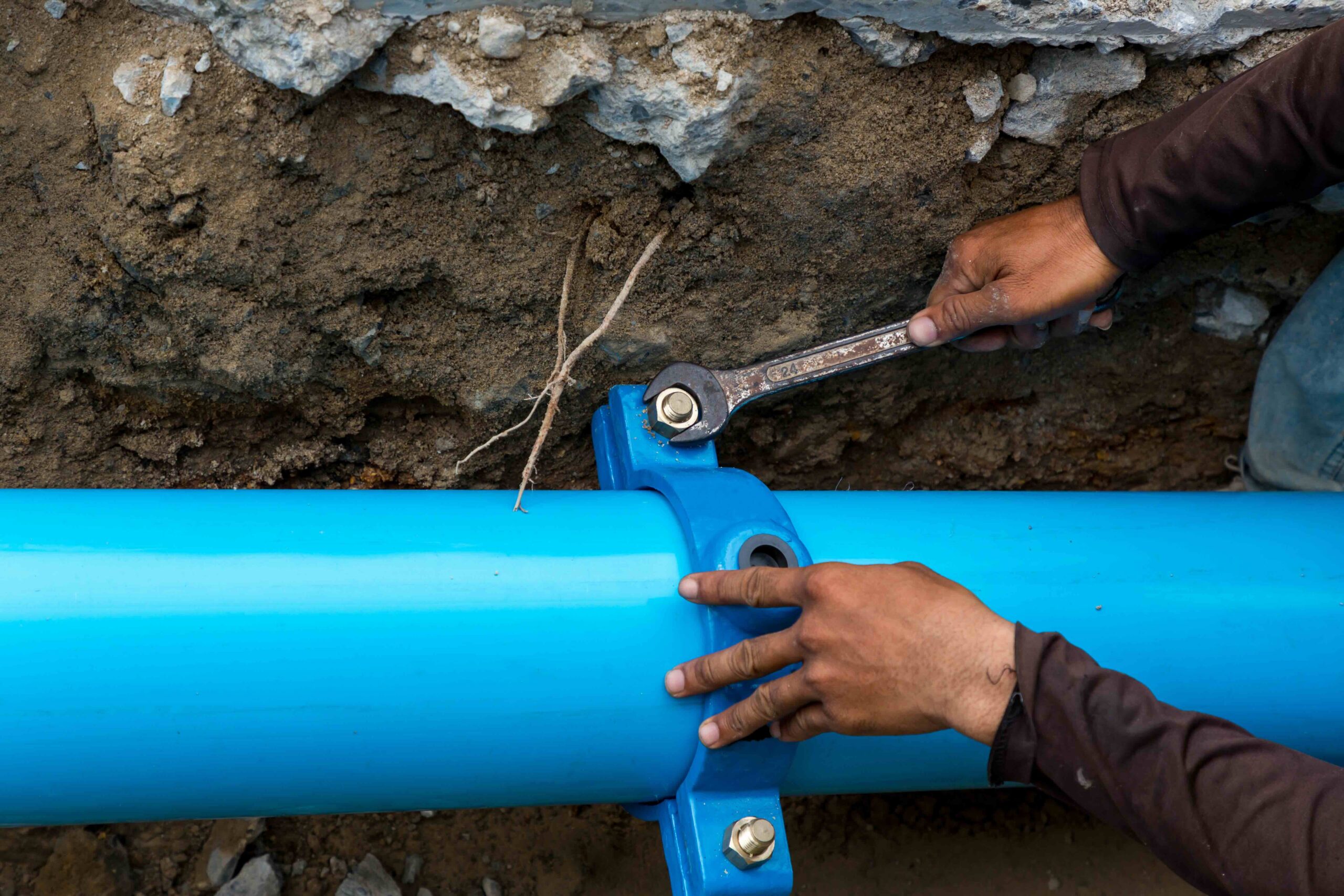
How to Unclog a Sewer Line: A Homeowner’s Guide to Restoring Flow
A clogged sewer line is one of the more disruptive issues a homeowner can face. It isn’t just about a slow-draining sink or an unpleasant backup in the basement—your main sewer line is the backbone of your home’s plumbing. When it becomes obstructed, it affects the entire system. From understanding how your sewer system works to identifying signs of a problem and choosing the right solution, it’s important to approach the situation with clarity and purpose. Knowing what to do and when to act can help you prevent serious damage, save money, and avoid unnecessary stress. If you’re facing a stubborn sewer line clog or want to prepare for the what-ifs of homeownership, here’s a comprehensive, step-by-step breakdown of what’s involved.
What Is a Sewer Line and Why Is It Important?
Your home’s sewer line is the main pipe responsible for carrying wastewater away from your house to your municipal sewer system or septic tank. It connects every drain in your home—from bathroom sinks and showers to your kitchen and washing machine. Unlike smaller, branch-connected pipes, the sewer line handles the collective output of your entire household. When this line becomes clogged, the symptoms often appear throughout the home instead of in just one area. This is why it’s such a critical system. When it’s working, you probably don’t think about it. When it’s not, it quickly becomes a top priority. Maintaining a clear sewer line ensures your plumbing flows freely and your home stays sanitary.
Common Causes of Sewer Line Clogs
Sewer line blockages can develop gradually or suddenly, depending on the cause. One of the most common culprits is tree root intrusion. Root systems naturally seek out water and nutrients, and sewer lines—especially older clay or iron pipes—can be easy targets. Other frequent causes include grease buildup, non-flushable debris (like wipes, feminine hygiene products, and paper towels), and structural issues like misaligned or collapsed pipe segments. In homes with outdated plumbing, the risk increases significantly. Over time, sediment and buildup can also narrow the pipe’s diameter, making clogs more likely. Recognizing these common culprits puts you in a better position to understand the why, not just the what, behind a clog.
Recognizing the Warning Signs of a Clogged Sewer Line
There are definite clues that your main sewer line may be in trouble. If multiple drains in your home are slow to empty or suddenly backing up at once, the problem likely extends beyond a local drain issue. You may also notice gurgling sounds from your plumbing fixtures, especially after flushing toilets or draining sinks. Unpleasant odors emanating from floor drains or near your foundation are another sign. More severe symptoms include sewage backups in basement tubs or drains, particularly when the washing machine is emptying. If you see any of these red flags, don’t wait. The longer a clog is left untreated, the more extensive—and costly—the damage may become.
How to Unclog a Sewer Line: Step-by-Step
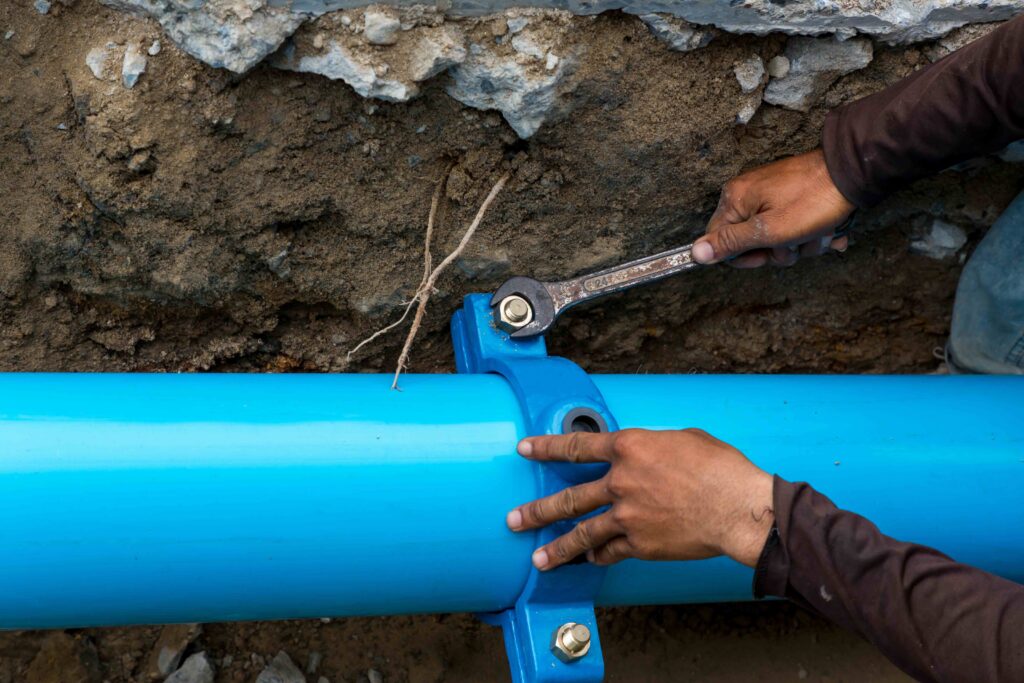
Unclogging a sewer line can range from relatively straightforward to highly complex. In most cases, this is not a job for amateur troubleshooting. Still, homeowners should understand the basic methods used so they can ask the right questions—or at least assess the urgency. The first step is typically diagnosing the issue with a camera inspection. A waterproof camera is inserted into the sewer line to identify the exact location and nature of the blockage. Once the problem spot is found, a plumber may use one of several tools. Motorized augers (or plumbing snakes) are ideal for minor obstructions. For more stubborn clogs, hydro jetting—pressurized water blasting through the pipe—clears grease, roots, and sediment. Pipe replacement may be required for collapsed or severely damaged lines. Your solution should be appropriate to the root cause, not just the symptom.
Preventing Future Sewer Line Clogs
While not every sewer line issue is preventable, many are. Simple habits can extend the life of your plumbing and protect your investment. Avoid flushing anything other than toilet paper. Dispose of cooking grease in sealed containers, not down your kitchen drain. If your property has older clay pipes or large trees in the yard, schedule periodic inspections to check for root intrusion. Some companies offer routine hydro jetting to keep lines clear as a form of preventive maintenance. Installing a backwater valve can also prevent costly backups, particularly in homes located in flood-prone areas. Staying ahead of potential clogs is less expensive than dealing with an emergency—and that alone makes regular maintenance worth considering.
Home Warranty Considerations for Sewer Line Repairs
Many homeowners assume their homeowners insurance will cover sewer line issues, only to be surprised when it doesn’t. Typically, standard policies exclude repairs to utility lines that run outside the home but within your property boundaries—including the vital section of the sewer line between your house and the city connection. That’s where a home warranty can make a substantial difference. A well-structured home warranty offers coverage for common plumbing failures, including sewer line clogs caused by normal wear and tear. That means if your line backs up due to non-intrusive, organic buildup, you won’t be paying out of pocket for diagnostics, cleaning, or pipe access. Always read the fine print and understand what your home warranty includes, especially in older homes where plumbing wear is inevitable.
Limitations of DIY Solutions
The internet is full of do-it-yourself remedies for clearing sewer lines—chemical drain cleaners, vinegar and baking soda, even rented plumbing snakes. While these methods might offer quick relief in localized clogs, they’re usually ineffective against main line blockages. Worse, chemical cleaners can corrode old piping and lead to long-term problems. Attempting to clear a sewer line without the proper training can actually compound the issue, pushing the blockage further down or damaging the pipe itself. If you suspect the main sewer line is clogged, hiring a licensed plumber is almost always the safest, most reliable path forward. When in doubt, it’s better to make the call than risk a far messier situation later.
Why Choose Armadillo for Your Home Warranty
At Armadillo, we understand that plumbing issues—especially sewer line clogs—can bring your home life to a standstill. That’s why our plans are designed to cover the home systems that matter most, including plumbing. With Armadillo, you get more than peace of mind. You get fast, expert help when you need it, without the surprise of steep emergency repair bills. If you’re ready to protect your home from costly sewer line repairs, explore our customizable coverage options at armadillo.one and see how easy it is to get started with a plan that works for your needs. Start building your plan today at this link and stay ahead of the next unexpected plumbing emergency before it disrupts your home.