When Your Drains Stop Cooperating: What Every Homeowner Should Know About Sewer Line Clogs
There is nothing subtle about a clogged sewer line. One day everything drains perfectly fine, and the next you are standing in the bathroom watching water back up into places it absolutely should not be. It is one of those home problems that demands your attention quickly, and honestly, the more you understand about how it works, the better equipped you are to handle it without panicking. Sewer line clogs are more common than most homeowners realize, and knowing how to unclog a sewer line — or at least knowing when to call someone who can — is a genuinely useful piece of home ownership knowledge.
What Is a Sewer Line and Why Does It Matter
Your home’s sewer line is the main underground pipe that carries all wastewater away from your house and connects to either a municipal sewer system or a private septic tank. Every toilet flush, every shower, every load of laundry — it all eventually passes through this one critical line. Because it handles so much volume from so many sources, it is also one of the more vulnerable parts of your home’s plumbing infrastructure. A partial blockage can cause slow drains throughout the house. A full blockage can cause sewage to back up into your sinks, tubs, and toilets, which is exactly as unpleasant as it sounds.
Common Causes of Sewer Line Clogs
Understanding what causes a clog helps you prevent one. Sewer lines do not typically fail without reason. The most frequent culprits homeowners encounter include:
- Grease and fat buildup from kitchen drains that solidifies inside the pipe over time
- Flushing non-flushable items like wipes, paper towels, or hygiene products
- Tree root intrusion, which is especially common in older homes with clay or cast iron pipes
- Soap scum and hair accumulation from bathroom drains
- Aging or collapsed pipe sections that create natural obstruction points
- Foreign objects accidentally flushed or dropped into drains
Tree roots are worth paying special attention to here. Roots naturally seek moisture, and a sewer line is essentially a constant source of it. Over years, roots can infiltrate pipe joints and grow aggressively enough to cause serious structural damage, not just a clog.
How to Identify a Sewer Line Clog Before It Gets Worse
The warning signs of a developing sewer line blockage are actually pretty readable once you know what to look for. Multiple slow drains happening at the same time is a strong indicator, since individual clogs typically affect only one drain. Gurgling sounds coming from your toilet when you run the sink, or water backing up into the tub when you flush the toilet, are both classic signs that the main line is compromised. You might also notice an unpleasant sewage odor coming from drains inside the home. Any one of these symptoms warrants immediate investigation. All of them together means you need to act today, not next week.
Methods for Unclogging a Sewer Line
There are a few established approaches used to clear sewer line blockages, ranging from DIY-accessible to strictly professional territory. The right method depends on the severity and cause of the clog.
- Drain snake or auger: A motorized drain snake can reach deep into the main line and physically break apart or retrieve a clog. This works well for organic buildup and soft obstructions.
- Hydro jetting: A professional technique that uses high-pressure water streams to blast through buildup, grease, and even minor root intrusion. It is thorough, effective, and cleans the pipe walls rather than just poking a hole through the blockage.
- Chemical drain cleaners: Generally not recommended for sewer line clogs because they rarely reach the main line in effective concentrations and can damage older pipes with repeated use.
- Rooter service: Specifically designed to cut through tree root intrusion using rotating blades fed through the pipe.
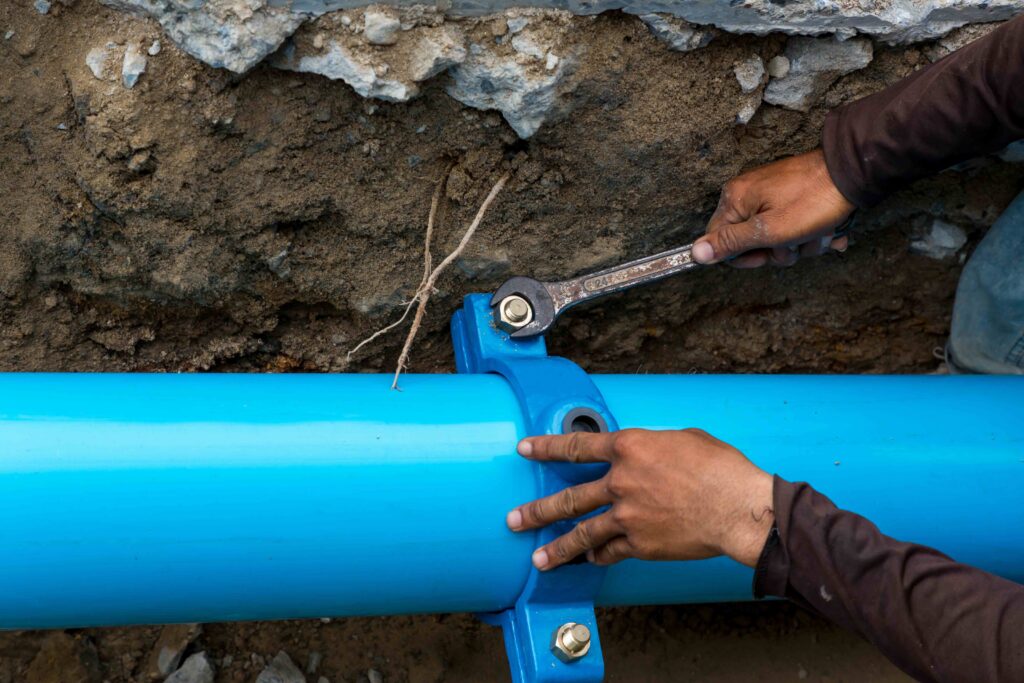
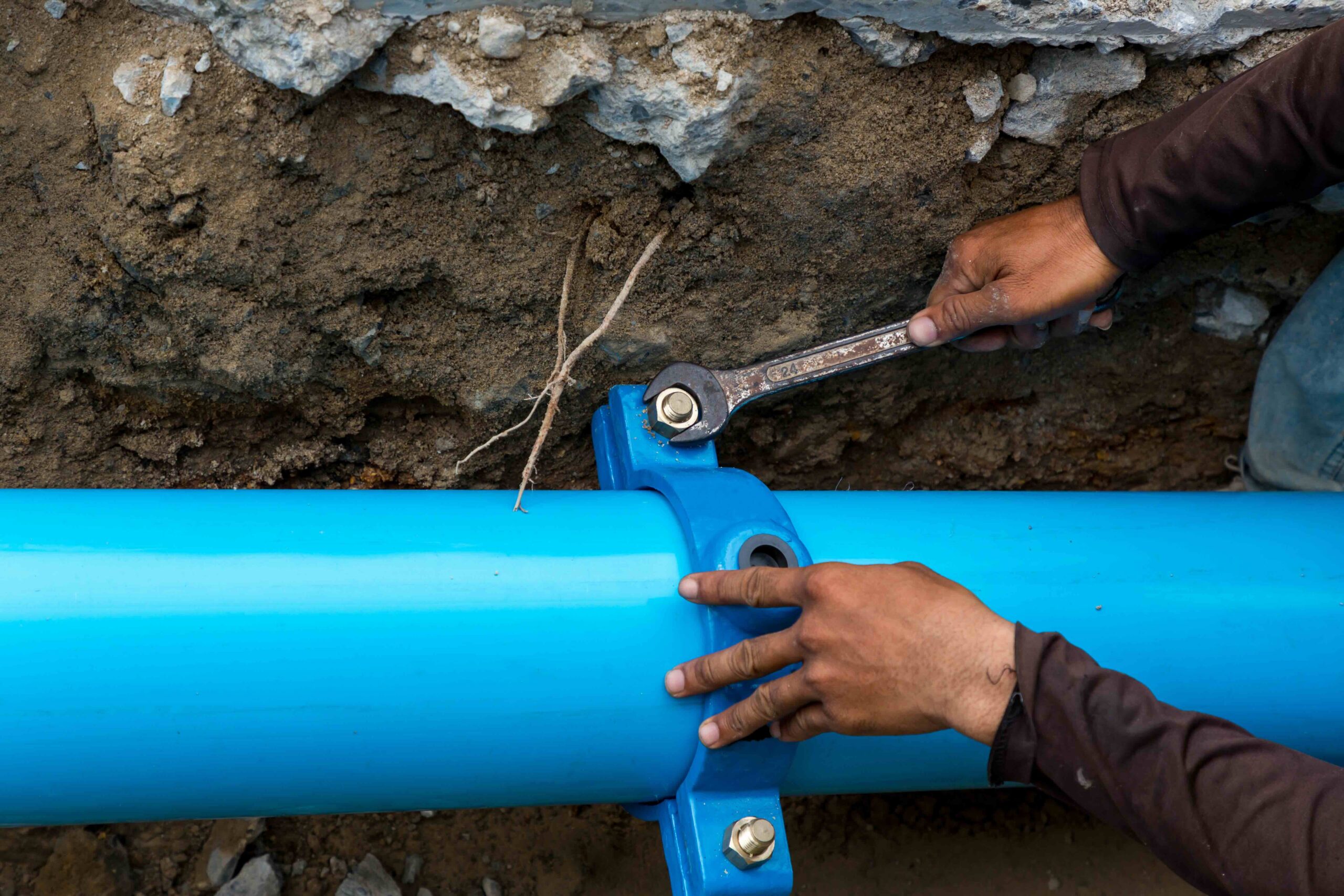
- Pipe repair or replacement: In cases where the pipe is collapsed, severely corroded, or structurally compromised, the only real solution is excavation and replacement.
DIY vs. Professional Sewer Line Service
Some minor drain clogs are genuinely manageable with a plunger or a basic hand snake. But sewer line clogs are a different conversation. By the time a clog has reached the main sewer line, it has typically built up to a point that DIY tools cannot adequately address. Attempting to force through a serious blockage without the right equipment can sometimes push debris further into the line or even damage pipe connections. A licensed plumber has camera inspection equipment that can visually locate the clog and determine its nature before any work begins. That diagnostic step alone saves time, money, and a lot of unnecessary guesswork.

What a Sewer Line Repair Actually Costs
Costs vary significantly based on the method required and the extent of the damage. A standard drain snaking service might run between $150 and $300. Hydro jetting typically falls in the $300 to $600 range. If camera inspection reveals root intrusion or pipe damage requiring spot repair, costs can climb to $1,000 or more. Full sewer line replacement, which involves excavating your yard, can range anywhere from $3,000 to $25,000 depending on pipe length, depth, and local labor rates. These are not small numbers, which is exactly why many homeowners look for ways to protect themselves financially before problems surface.
Preventing Sewer Line Clogs in the First Place
Prevention is genuinely the more cost-effective strategy here. Running hot water through your drains regularly, avoiding pouring grease down the kitchen sink, being selective about what goes down toilets, and having your sewer line professionally inspected every few years are all practical habits that significantly reduce your risk. For homes with older plumbing or mature trees growing near the sewer line, annual camera inspections are worth the investment. Catching a developing root intrusion early is far less expensive than dealing with a collapsed section of pipe.
How Home Warranties Factor Into Sewer Line Issues
This is where things get interesting for homeowners who are trying to manage maintenance costs intelligently. A home warranty is a service contract that covers the repair or replacement of major home systems and appliances when they fail due to normal wear and tear. Depending on the plan, sewer line stoppages and clogs can fall under covered plumbing system components. That means instead of absorbing a $400 hydro jetting bill or a $2,000 rooter service out of pocket, you pay a service call fee and the warranty handles the rest. It is a meaningful financial buffer for a problem category that tends to arrive without warning and rarely comes cheap.
Why Armadillo Is Worth Considering for Sewer Line Protection
When a sewer clog hits, the last thing you want is to spend time vetting service providers under pressure while water backs up into your home. That is exactly the situation a solid home warranty is designed to prevent. Armadillo home warranty plans built for whole-home plumbing protection are structured to cover the systems that homeowners rely on daily, including plumbing lines that most people never think about until something goes wrong. The coverage is straightforward, the service process is designed to move quickly, and there are no surprises buried in the fine print. If protecting your budget against the unpredictable cost of sewer line repairs sounds like a reasonable idea, you can get a free quote for sewer line and plumbing coverage in minutes and see exactly what your plan would look like before committing to anything.

Frequently Asked Questions About Sewer Line Clogs and Home Warranty Coverage
Answers to the questions homeowners ask most often when dealing with sewer line issues and evaluating their coverage options.
How do I know if my sewer line is clogged versus just one drain being blocked?
A single drain clog affects only that specific fixture. A sewer line clog typically causes multiple drains in the home to back up or drain slowly at the same time. If flushing the toilet causes water to rise in the tub, or if running the sink makes the toilet gurgle, the main line is most likely the source.
Can I unclog a sewer line myself?
For minor blockages near a cleanout access point, a motorized drain snake may provide temporary relief. However, most main sewer line clogs require professional equipment such as a hydro jet or a rooter service to clear completely and safely. Attempting to force through a serious clog without proper tools can worsen the situation.
How long does it take to unclog a sewer line?
A straightforward sewer line cleaning using a snake or hydro jet typically takes one to three hours. If camera inspection reveals root intrusion or pipe damage requiring additional repair, the timeline extends accordingly and may involve multiple service visits.
Does homeowner’s insurance cover sewer line clogs?
Standard homeowner’s insurance generally does not cover sewer line clogs caused by normal wear and tear, tree root intrusion, or gradual buildup. Coverage may apply in cases of sudden and accidental damage, but routine maintenance-related failures are typically excluded. A home warranty is often the more relevant protection for this type of issue.
Does a home warranty cover sewer line repairs?
Many home warranty plans include coverage for plumbing systems, which can encompass sewer line stoppages and clogs. Coverage details vary by provider and plan tier, so reviewing what is specifically included before purchasing is important. Armadillo’s plans are designed with clear, readable terms so homeowners know exactly what they are getting.
What is hydro jetting and is it worth the cost?
Hydro jetting uses highly pressurized water streams to scour the interior walls of a sewer pipe, removing grease, buildup, and minor root intrusion. It is more thorough than snaking because it cleans the full pipe diameter rather than just clearing a path through the blockage. For recurring clog issues, hydro jetting is often the more cost-effective long-term solution.
How often should a sewer line be inspected?
For most homes, a sewer line inspection every three to five years is a reasonable maintenance interval. Homes with older cast iron or clay pipes, or properties with large trees growing near the sewer line, benefit from annual inspections to catch developing issues before they become costly repairs.
What causes tree roots to grow into sewer lines?
Tree roots follow moisture and nutrient sources. Sewer lines, particularly older ones with small joint gaps or minor cracks, emit moisture vapor that attracts nearby root systems. Once a root finds an entry point, it grows rapidly inside the pipe and can cause significant blockage or structural damage over time.
Is sewer line replacement always necessary when there is a clog?
No. Most sewer line clogs can be resolved through cleaning methods like snaking or hydro jetting without any excavation or pipe replacement. Replacement becomes necessary only when a pipe has collapsed, corroded beyond repair, or sustained structural damage that cleaning alone cannot address.
What should I do immediately if my sewer line is completely blocked?
Stop using all water fixtures in the home immediately to prevent sewage from backing up further into living spaces. Avoid flushing toilets or running any drains. Contact a licensed plumber for emergency service as soon as possible. If you have a home warranty, contact your provider first to initiate a service request through your plan.