How to Unclog a Sink with a Plunger: A Homeowner’s Guide to Solving Minor Plumbing Issues
When your sink unexpectedly backs up, it’s easy to feel overwhelmed. A clogged drain can disrupt your entire day, especially if it’s your only kitchen or bathroom sink. However, not every plumbing issue requires a professional on speed dial. Sometimes the solution is simpler—and closer to home—than you might think. One of the most effective basic tools in any homeowner’s arsenal is the humble plunger. Though frequently overlooked, it can save time, money, and stress when your drain isn’t behaving. This article will guide you step-by-step through how to unclog a sink with a plunger, explain the mechanics that make it work, lay out the pros and cons, and address when it’s better to call for backup. It also explores how this ties into a broader home maintenance conversation, including why a home warranty from a provider like Armadillo can be an essential line of defense against costly plumbing repairs.
Understanding the Drain System: How Your Sink Works
To tackle a clog effectively, it helps to understand what’s happening behind the scenes. Your sink is part of your home’s larger drain-waste-vent system. When water flows down the sink, it enters a curved pipe called a P-trap. This U-shaped component holds standing water, which blocks sewer gases from entering your home. Over time, this same trap—along with the pipes beyond it—can accumulate a mix of soap scum, food waste, grease, hair, and other debris. Eventually, the flow slows or stops entirely.
Plunging works by creating pressure and suction that temporarily alters the normal flow of water, dislodging the clog so it can move through the system. The tool uses a rubber cup on the end of a handle to push water back and forth through the pipe, leveraging basic principles of hydraulics. When done correctly, a plunger can resolve minor to moderate clogs without the need for disassembly or chemicals.
Steps for Unclogging a Sink with a Plunger
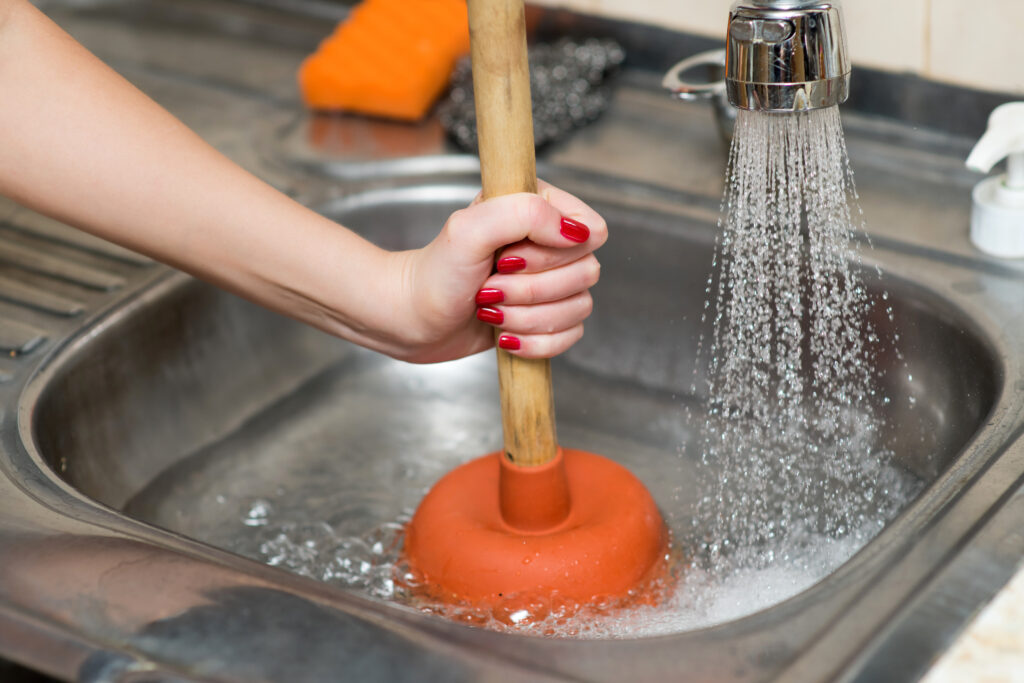
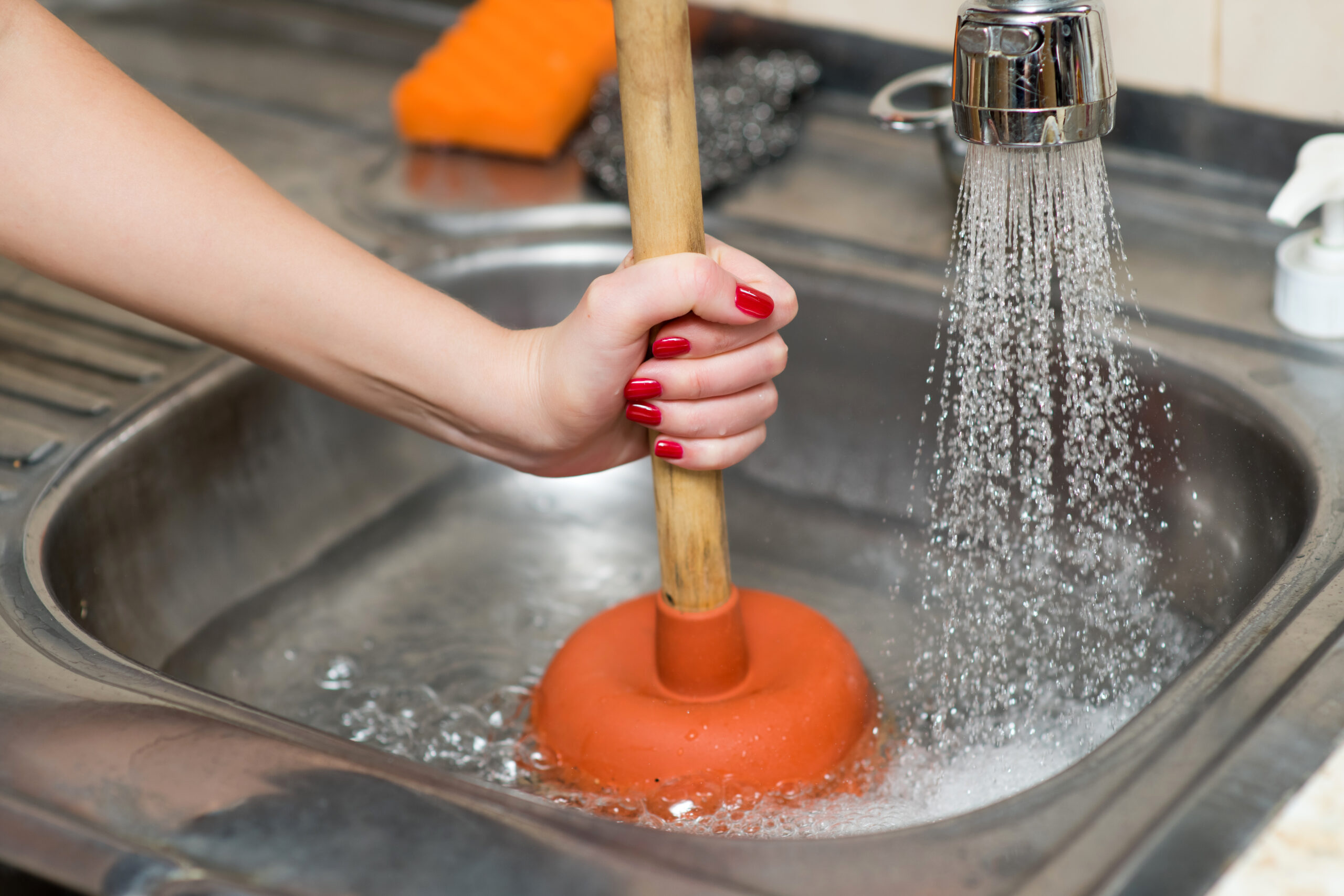
The process only takes a few minutes, but doing it right matters. First, clear the area around the sink for better mobility. If it’s a double sink, seal the unclogged side with a wet cloth to ensure pressure doesn’t escape through the second drain. Add enough water to the clogged sink to cover the rubber portion of the plunger. Position the plunger so it fully covers the drain opening and begins with a firm downward push. Then pull up without breaking the suction. Repeat with consistent, rhythmic motion—about 10 to 15 plunges should do. If the clog breaks, the water will drain quickly. Finish by running hot water to flush out any remaining residue.
It’s important to note that this approach works best for clogs caused by organic buildup, like grease or soap residue. Solid items or deeper blockages may not respond and could even worsen without proper intervention.
Advantages of Using a Plunger for Sink Clogs
Plunging is often the first—and best—response to a slow-draining or blocked sink for several reasons. It’s inexpensive, requiring only a standard cup-style plunger that you can find at any hardware store. It’s also fast, with many clogs yielding after just a few repetitions. Perhaps most importantly, it doesn’t involve any harsh chemicals, which can corrode pipes over time or pose health risks with repeat exposure. And because plunging applies pressure without needing to disassemble pipes, it avoids the risk of introducing leaks or damaging fittings when a DIY repair goes too far.
It’s a non-invasive, low-risk, and frequently effective method. For mild plumbing issues, using a plunger can extend the life of your sink’s pipes by eliminating the need for more aggressive or corrosive alternatives.
Limitations and Risks of Plunging a Clogged Sink
Despite its many advantages, plunging does have limitations. If the clog is too deep in the pipe system—beyond the reach of applied pressure—it may not resolve the issue. Similarly, if the blockage is caused by a non-organic object such as a plastic cap, small toy, or metal fragment, plunging might worsen the clog or damage the internal structure of the pipe. There’s also a minor risk of splashing contaminated water during plunging, especially if technique or sealing is off, necessitating proper cleaning afterward.
For kitchen sinks connected to garbage disposals, plunging with too much force can potentially impact the seals around your disposal unit. Always unplug the disposal or turn off the power at the breaker before plunging. Safety should be prioritized as even basic plumbing fixes involve risks if handled improperly.
When a Clog Indicates a Bigger Plumbing Issue
Sometimes a clog is more than just a localized problem. If multiple drains in your home back up simultaneously, or if foul odors linger even after clearing the drain, the clog may be symptomatic of broader issues with your home’s drainage or sewer system. Persistent plumbing problems can be a major sign that the system is aging or has underlying faults such as tree root invasion, collapsed pipes, or improper grading.
In these cases, using a plunger provides momentary relief but not a true fix. A licensed plumber may need to inspect the system using diagnostic tools like pipe cameras or pressure tests. If recurring clogs become the norm, it’s worth evaluating the age of your home’s plumbing and considering a more comprehensive repair or replacement strategy.
The Role of a Home Warranty in Plumbing Preparedness
For homeowners, sudden plumbing failures can be as financially stressful as they are inconvenient. A home warranty can provide a safety net by covering unexpected breakdowns of covered systems and components, including plumbing stoppages caused by normal wear and tear. That means if your pipes develop a deeper blockage or your mainline requires servicing, you’re not left scrambling for emergency funds or hesitant to call a professional due to cost. The ability to submit a service request and get connected to a vetted local technician within your warranty network adds value far beyond DIY fixes.
When you’re evaluating home warranty providers, consider the responsiveness, coverage specificity, and transparency of pricing. The best providers streamline the process, making it easy to understand what’s included and what isn’t—before you face a pending issue. Plumbing is one of the most used systems in a home and frequently subject to strain. Protecting it with a home warranty reflects a proactive, not reactive, mindset.
Why Choose Armadillo for Plumbing Peace of Mind
At Armadillo, we understand that even small plumbing hiccups can disrupt your home and routine. We designed our home warranty plans to flex with your needs, covering critical components like drain line stoppages, pipe leaks, and sump pumps. When a clog escalates beyond the reach of a plunger—or signals a more serious drain line issue—we’re here with fast, reliable service that doesn’t keep you guessing about next steps or out-of-pocket costs. Our platform simplifies claims, puts you in control, and connects you with a trusted network of professionals who treat your home like their own.
Start by visiting our homepage at armadillo.one to explore how we keep homes moving smoothly. Ready to customize your own plan? Head directly to our quick plan builder at Plan Your Coverage and see how we can match your home’s quirks and needs—sink clogs and all. When your pipes push back, we’re here to push forward.