How to Unclog a Washer Drain Pipe: A Homeowner’s Complete Guide
A clogged washing machine drain pipe can disrupt your entire laundry routine, causing standing water, unpleasant odors, and even damage to your appliance. Yet, many homeowners aren’t entirely sure how this system works, why it backs up, or how to fix it safely and effectively. This guide covers everything you need to know about unclogging a washer drain pipe—whether you’re tackling it yourself or determining when it’s time to call a professional. Understanding this fundamental part of your home’s plumbing not only protects your laundry room from water damage but helps you avoid unnecessary repair costs down the line.
Understanding the Washing Machine Drain System
Your washing machine doesn’t just clean clothes, it’s part of a cycle that relies heavily on consistent water supply and efficient drainage. Every time you run a load, water enters your washer through hoses, mixes with detergent, cycles through the drum, and needs somewhere to go once the rinse and spin cycles finish. That’s where the washer drain pipe comes in. Connected to the washer through a flexible hose, this drain directs used water into your home’s waste system. If that pipe clogs, the consequence is often immediate: water backing up into the machine or leaking onto the floor. The problem typically traces back to soap buildup, lint, debris, or even mold growth obstructing the pipe. But before digging into the fix, it’s helpful to understand how clogs actually develop.
Common Causes of Washer Drain Clogs
It’s easy to assume that washing machines are self-cleaning, especially since they use water by design. But just like any plumbing component, washer drains are subject to materials accumulating over time. The most common culprits include excessive detergent use, which creates a grimy residue in pipes, plus lint that slips through filters, and small fabric particles that never fully dissolve. In some households, pet hair makes its way into the system and collects in the drain hose or pipe. Occasionally, the blockage isn’t inside the washer hose at all, but farther down your home’s drainage system, especially if it shares a line with other utilities like the kitchen sink or bathroom. In new construction or remodeling areas, sometimes construction debris or unintended obstructions can get into the piping system as well.
Step-by-Step: How to Unclog Your Washer Drain Pipe
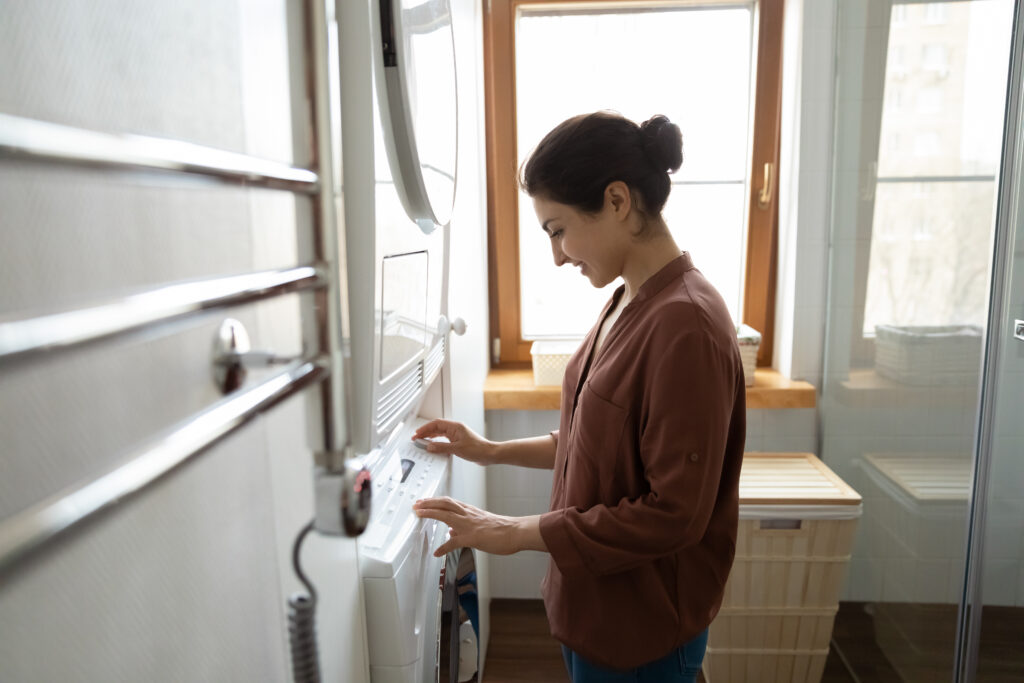
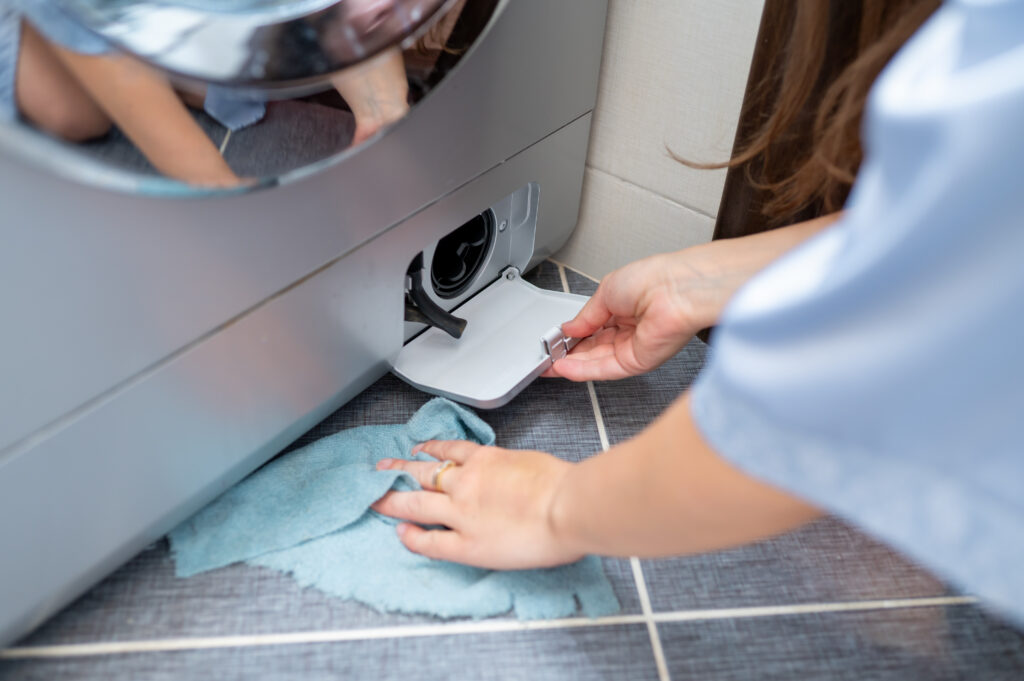
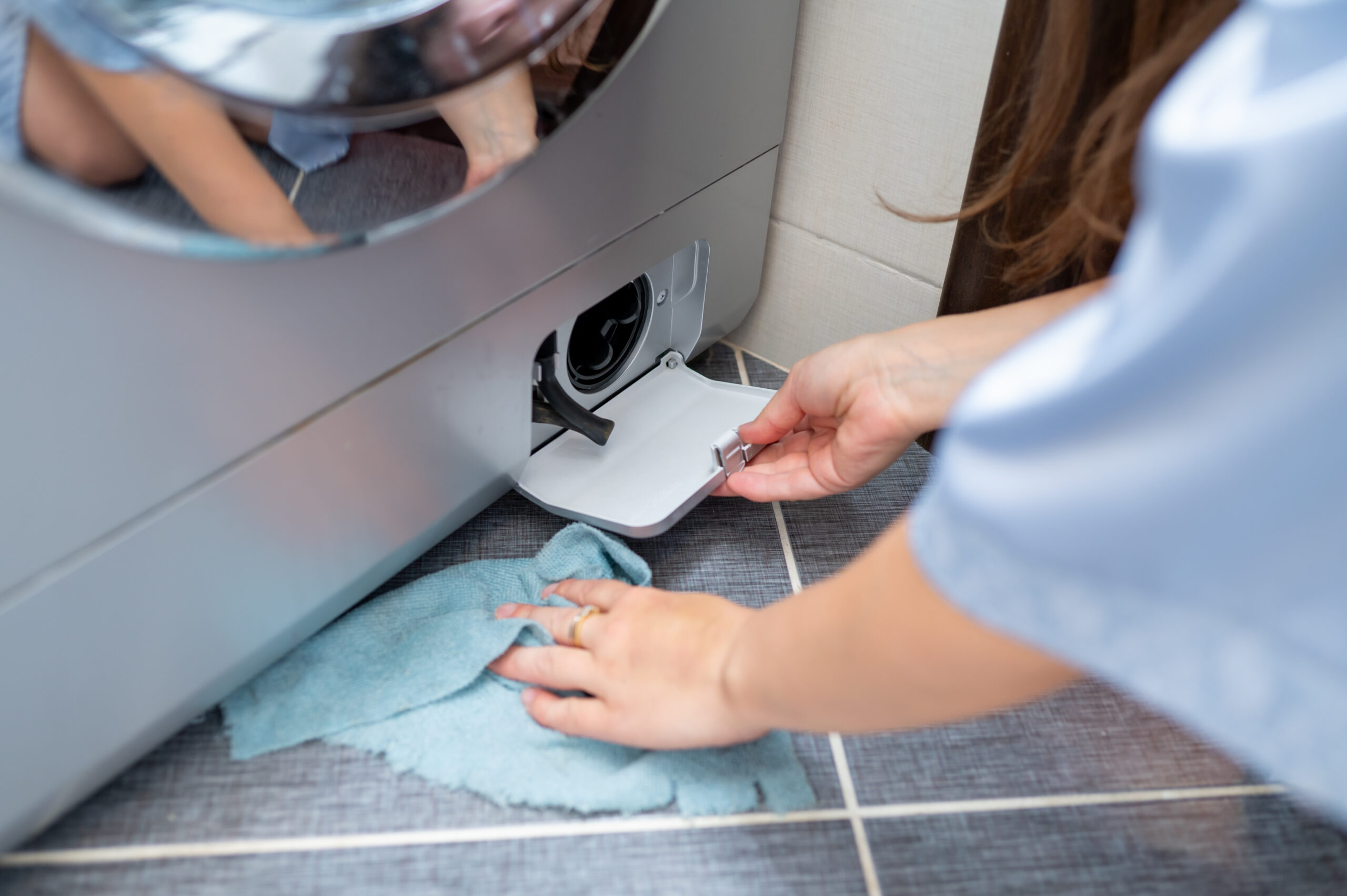
Start by turning off the washing machine and unplugging it to avoid electrical issues. Move the unit slightly to access the back. Locate the drain hose where it exits the washer, and disconnect it from the wall or utility sink pipe connection. You’ll want a bucket and a towel nearby, as residual water may escape. If there’s visible blockage near the opening, flush it with hot water or a mixture of baking soda and vinegar to break down organic residue. A straightened-out wire hanger or a PPE-safe drain snake can help dislodge trapped lint or fabric deeper inside the hose. If the blockage isn’t in the hose, it may be inside the wall pipe. In that case, you’ll need a longer drain auger to reach inside the wall plumbing and remove deeper obstructions. After clearing the clog, reconnect everything and run a rinse cycle with no laundry to confirm water drains properly. If it doesn’t, the clog may be farther down the line—possibly requiring professional hydro-jetting or pipe disassembly.
When to Call a Professional Plumber
Do-it-yourself fixes are ideal for minor clogs near the drain hose or pipe opening, but not every issue can be solved with boiling water and a hanger. If you’ve tried the usual methods and still see slow drainage, persistent backup, or water pooling around the washer base, it may be time to reach out to a licensed plumber. Professional services can remove deeper clogs using high-pressure equipment and inspect your plumbing system for broader damage like collapsed pipes or root invasion. If flooding occurs or if you notice contamination or mildew odors near the laundry area, immediate professional support minimizes health risk and structural damage. Persistent washer drainage issues could also signal a more serious problem with your home’s plumbing design or venting system, which a professional can assess comprehensively.
Preventing Future Washer Drain Clogs
Routine maintenance makes a significant difference in reducing future blockages. Clean out the washer filter monthly, especially if you frequently wash lint-heavy items like towels or pet bedding. Use the appropriate amount of high-efficiency (HE) detergent, which produces fewer suds and reduces buildup inside the pipes. Periodically flush the drain hose with warm water or an enzyme-based cleaner to break down residue. Inspect the hose for kinks, as restricted water flow can encourage debris to settle. Also, make sure the drain hose isn’t pushed too far down the standpipe; that can disrupt airflow and create a vacuum-like effect that impedes drainage. Some homeowners find that installing a mesh lint trap at the end of the drain hose helps catch fine fibers before they enter the pipes. These preventive steps are low-cost but offer high returns by extending the lifespan of your washer and protecting your home from water damage.
The Home Warranty Perspective
One detail homeowners often overlook is how appliance malfunctions relate to home warranty coverage. Washing machine drainage problems typically fall into a gray area: if the clog stems from user error, it likely isn’t covered. However, if a mechanical failure within the washer itself causes backup or pipe blockage, or if the associated plumbing becomes compromised due to normal wear, that’s often covered under many home warranty contracts. It’s important to read your warranty’s terms carefully and understand what systems and failures are included. Not all warranties treat plumbing the same way, and some may require proof of regular maintenance when a claim is submitted. That’s why it makes sense to work with a home warranty provider that delivers clarity, responsiveness, and reliable value. Clear guidance and simple online filing can make the difference between a fast resolution and a prolonged disruption in your home routine.
Why Armadillo is the Right Partner for Your Home Protection
When dealing with maintenance headaches like a clogged washer drain pipe, homeowners need more than a fix—they need trusted backup. Armadillo offers a modern, streamlined home warranty service that covers breakdowns in household systems and appliances caused by normal wear. With transparent terms, intuitive digital tools, and quick claims processing, Armadillo is built for homeowners who want coverage without the confusion. Whether it’s your washing machine, water heater, or plumbing systems, Armadillo has your back so you can focus on keeping your home running smoothly. Start building your custom protection plan today at www.armadillo.one, or take the first step by entering your zip code at our plan builder here. Peace of mind for your pipes, and every other part of your home, starts now.