Why Your Washer Drain Pipe Gets Clogged in the First Place
If you have ever pulled a load of laundry out of the washer only to find standing water pooled at the bottom, you already know that sinking feeling. A clogged washer drain pipe is one of those home problems that feels minor right up until it is not. The washing machine drain system is pretty straightforward in concept — water exits the machine through a drain hose, flows into a standpipe or utility sink, and moves out through your home’s drain lines. But that path gets interrupted more often than most homeowners expect. Lint, soap residue, fabric softener buildup, and the occasional lost sock all work together over time to create a blockage that slows or completely stops drainage. Knowing what causes the problem is the first step toward fixing it and preventing it from coming back.
How the Washer Drain Pipe System Actually Works
Your washing machine does not drain through magic. When a wash cycle ends, the machine’s pump forces water out through a flexible drain hose, which typically loops up to a standpipe — a vertical pipe that connects to your home’s main drain system. The standpipe usually sits between 30 and 96 inches tall and includes a p-trap underneath, which prevents sewer gases from entering your home. The drain hose is inserted into the standpipe but should not be sealed or shoved too deep, as that can cause siphoning. This entire path has to stay clear for water to exit efficiently during each cycle. When any section of that route narrows due to buildup, the results range from slow draining to water backing up onto your laundry room floor.
Signs You Are Dealing With a Clogged Washer Drain Pipe
The symptoms of a clogged washer drain are usually pretty obvious once you know what to look for. The machine may stop mid-cycle, display an error code, or simply leave water sitting in the drum at the end of a wash. You might also notice water backing up out of the standpipe itself and spilling onto the floor, which is a clear sign the blockage is somewhere in the drain line rather than inside the washer. Slow drainage that takes longer than usual, gurgling sounds coming from the standpipe, or a musty odor from the drain area are also red flags. Do not ignore these early warnings — a partial clog will almost always become a full one without intervention.

How to Unclog a Washer Drain Pipe Step by Step
Before reaching for the phone to call a plumber, there are several methods you can try on your own. Start by unplugging the washer from the electrical outlet — always disconnect power before working around water. Then disconnect the drain hose from the standpipe and check for any visible obstruction at the end of the hose. From there, you have a few options depending on how stubborn the clog is.
- Use a drain snake or plumber’s auger to break up debris inside the standpipe, feeding it down slowly until you feel resistance, then rotating it to loosen the blockage.
- Pour a mixture of hot water and dish soap into the standpipe to help dissolve grease and detergent residue before snaking.
- Try a wet/dry vacuum to suction out loose debris from the top of the standpipe before using a snake.
- Flush the standpipe with hot water after clearing the clog to confirm drainage has been restored before reconnecting the hose.
When DIY Methods Are Not Enough
Some clogs sit deeper in the drain line, past the standpipe and into the home’s main plumbing system. At that point, a basic drain snake may not be long enough or powerful enough to do the job. If you have gone through the standard steps and the drain is still backing up, it is time to consider calling a licensed plumber. Hydro-jetting is a professional method that uses high-pressure water to blast through stubborn buildup in drain lines and is particularly effective for heavy soap and lint accumulation. The cost varies depending on your location and the severity of the blockage, but addressing it professionally is far better than allowing repeated water damage to your laundry room floor and subfloor.
Common Mistakes Homeowners Make When Clearing a Drain Clog
A few well-meaning moves can actually make things worse when dealing with a washer drain pipe clog. Pouring chemical drain cleaners into the standpipe is one of the most common mistakes. These products can be highly corrosive, and while they may partially break down a clog, they can also damage older pipes and often do not fully clear the blockage. Pushing the drain hose too far into the standpipe is another issue — it needs to have an air gap to function correctly. Ignoring the p-trap is also a missed opportunity, since that component can collect debris over time and contribute to slow drainage even after the main clog is cleared.
How to Prevent Your Washer Drain Pipe from Clogging Again
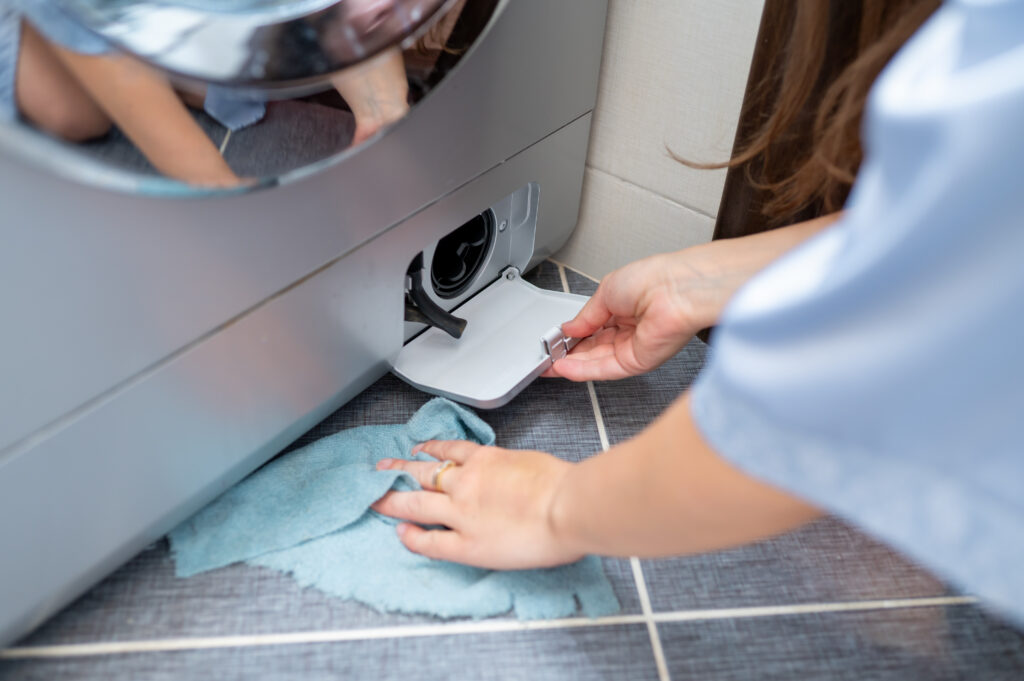
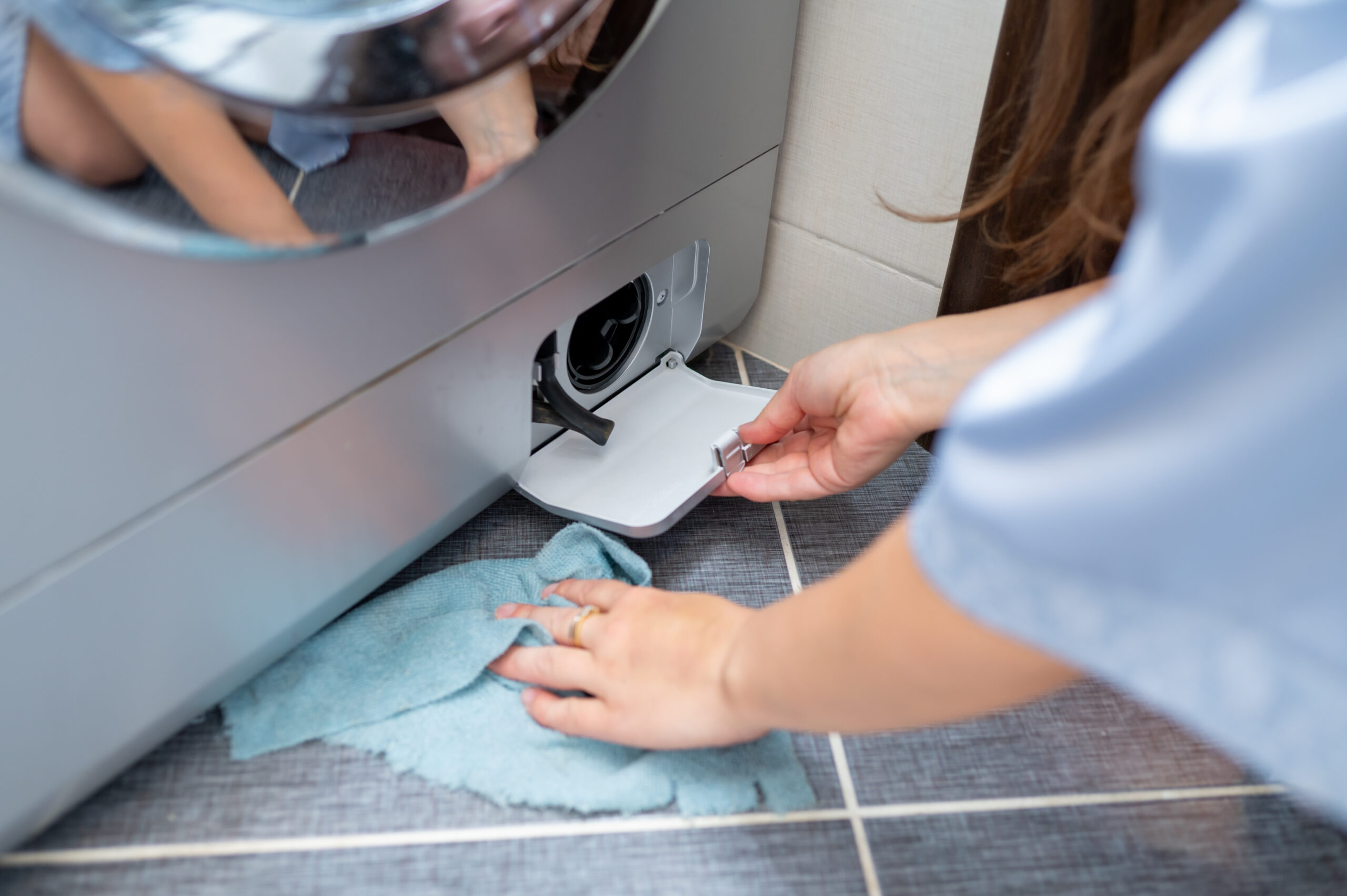
Maintenance goes a long way here. Once the drain is clear, a few simple habits will reduce the likelihood of dealing with this problem again any time soon. Washing machine lint traps and drain filters, where applicable, should be checked and cleaned regularly. Using the correct amount of high-efficiency detergent prevents excess soap residue from accumulating in the drain line. Running a monthly hot water flush down the standpipe helps dissolve mild buildup before it has a chance to harden. It is also worth inspecting the drain hose connection every few months to make sure it has not shifted or cracked, which can introduce new problems into the system entirely.
What This Means for Your Home Warranty Coverage
Here is something worth understanding clearly. A home warranty and homeowners insurance are two different things, and neither covers every scenario. A standard home warranty plan typically covers the mechanical components of covered appliances and systems when they fail due to normal wear and tear. Whether a clogged drain pipe falls under a warranty plan depends heavily on the specific terms of that plan and whether the obstruction is considered a plumbing issue, an appliance issue, or neither. Some plans cover plumbing stoppages, including drain line clogs, while others draw a distinction between the appliance itself and the pipes it connects to. Reading the fine print and asking direct questions before signing up for any home warranty is essential.
Why Armadillo Is the Right Partner When Washer Problems Come Up
Dealing with a clogged washer drain is already frustrating enough without worrying about whether the repair bill is going to wreck your monthly budget. That is where having solid home warranty coverage makes a real difference. Armadillo home warranty plans for appliances and plumbing systems are built around transparency and straightforward coverage, so homeowners are not left guessing when something goes wrong. Armadillo covers key appliances and systems with honest terms, reasonable service fees, and responsive support that does not leave you on hold for hours when you have water backing up onto your laundry room floor. If you are ready to stop improvising every time a home system fails, take a few minutes to get a free home warranty quote for washer and plumbing coverage and find out exactly what protection looks like for your home.
Frequently Asked Questions About Unclogging a Washer Drain Pipe
What causes a washing machine drain pipe to clog?
The most common culprits are lint, soap scum, fabric softener residue, and small items like coins or debris that pass through the machine and accumulate inside the standpipe or drain line over time.
Can I use a regular drain cleaner to unclog my washer drain pipe?
Chemical drain cleaners are generally not recommended for washer drain pipes because they can damage certain pipe materials and often fail to fully clear the clog. A drain snake or hot water flush is a safer starting point.
How do I know if the clog is in the drain hose or the standpipe?
Disconnect the drain hose and inspect it for visible blockages first. If the hose is clear but water still backs up when the machine drains, the clog is likely in the standpipe or further down the drain line.
How deep should the washer drain hose go into the standpipe?
The drain hose should be inserted no more than six to eight inches into the standpipe. Inserting it too far can cause a siphoning effect that interferes with proper drainage.
Is a clogged washer drain pipe covered by a home warranty?
It depends on the plan. Some home warranty plans include plumbing stoppages and drain line clogs, while others only cover internal appliance components. Reviewing your specific plan terms is the only way to know for certain.
How often should I clean my washer drain pipe?
Flushing the standpipe with hot water monthly and inspecting the drain hose connection every few months is a reasonable maintenance routine that helps prevent buildup from becoming a serious blockage.
Can a clogged washer drain pipe cause water damage?
Yes. When a drain pipe is fully blocked, water backs up and can overflow from the standpipe onto the floor. Repeated overflow can damage flooring, subfloor materials, and nearby walls if not addressed promptly.
Do I need a plumber to unclog a washer drain pipe?
Not always. Many homeowners can successfully clear a standpipe clog using a drain snake. However, if the blockage is deep in the main drain line or keeps recurring, a licensed plumber with hydro-jetting equipment may be necessary.
What is the p-trap in a washer drain system and can it get clogged?
The p-trap is the curved pipe section beneath the standpipe that holds a small amount of water to block sewer gases. It can accumulate debris over time and should be inspected if slow drainage persists after clearing the standpipe.
Why does my washer smell bad even after I unclog the drain pipe?
Residual soap scum, mold, and mildew can cling to the drain hose and standpipe walls after a clog is cleared. Running a hot water and white vinegar flush through the system and cleaning the drain hose interior can help eliminate lingering odors.